
Pork And Vegetable Skillet Dinner
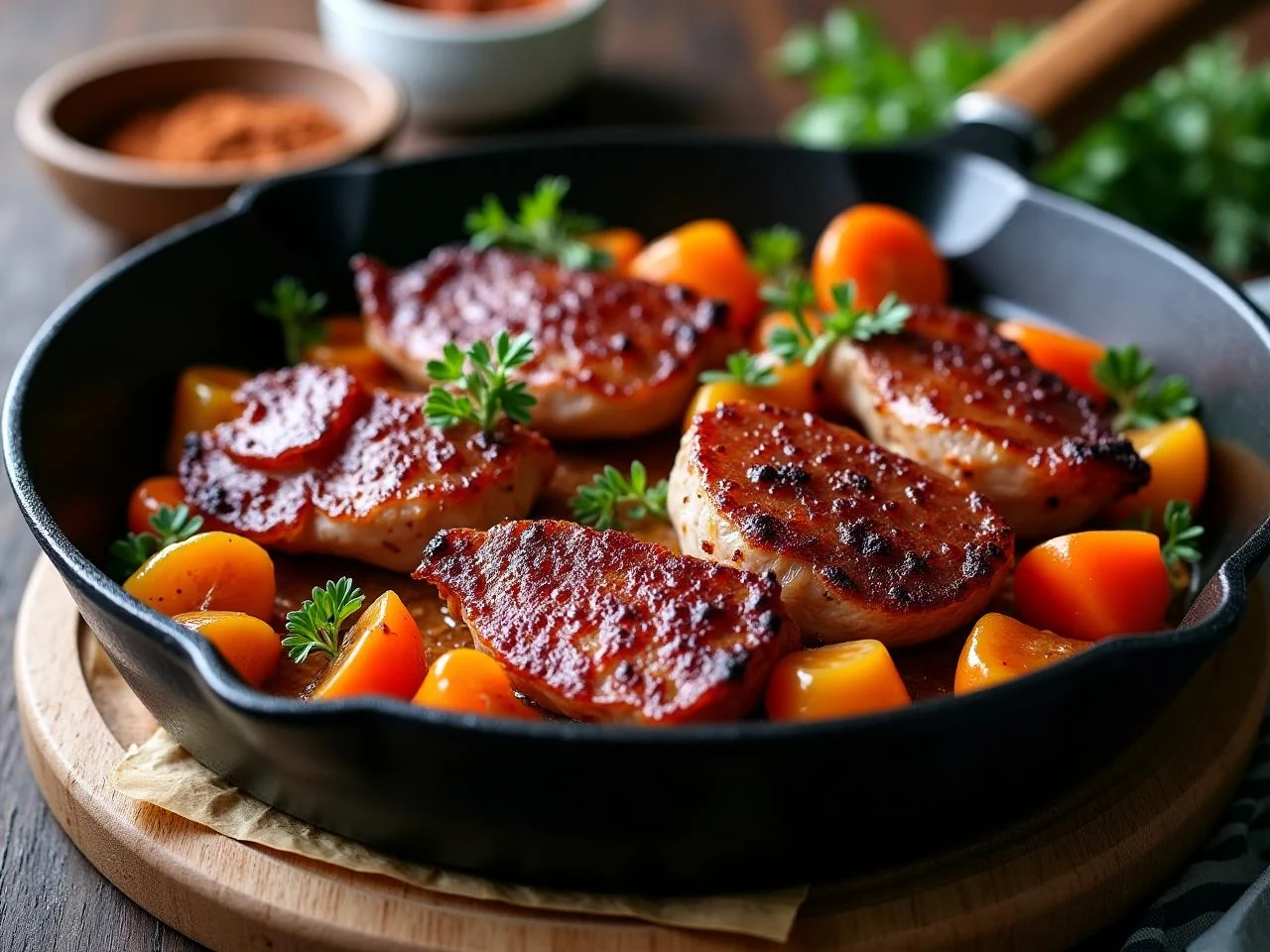
I still remember the first time I made a pork and vegetable skillet dinner for my family. The aroma of sizzling bacon and the sound of happy chatter filled the kitchen, and we all knew we were in for a treat. This recipe has since become a staple in our household, and I'm excited to share it with you.
The beauty of this dish lies in its simplicity. With just a few ingredients and some basic cooking techniques, you can create a mouthwatering meal that's sure to please even the pickiest of eaters. The key is to use high-quality ingredients, like thick-cut bacon and fresh vegetables, and to cook them with patience and care.
In this recipe, we'll be using a combination of pork chops, bacon, and a variety of colorful vegetables to create a hearty and flavorful skillet dinner. We'll start by cooking the bacon in a large skillet, then add the pork chops and cook until they're browned on both sides. Next, we'll add the vegetables and cook until they're tender, before finishing the dish with a sprinkle of fresh herbs and a squeeze of lemon juice.
This recipe is perfect for a weeknight meal or a special occasion, and it's also a great way to use up any leftover vegetables you have on hand. So go ahead, give it a try, and enjoy the delicious flavors and aromas of a homemade pork and vegetable skillet dinner.
One of the things I love about this recipe is its versatility. You can customize it to suit your tastes and dietary preferences by using different types of vegetables, such as bell peppers, carrots, or zucchini. You can also add other ingredients, like diced onions or minced garlic, to give the dish an extra boost of flavor.
Why You’ll Love This Recipe
- This recipe is easy to make and requires minimal preparation time
- It's a great way to use up leftover vegetables and reduce food waste
- The dish is customizable to suit your tastes and dietary preferences
- It's a hearty and satisfying meal that's perfect for a weeknight dinner or special occasion
- The recipe is budget-friendly and can be made with affordable ingredients
- It's a great way to cook a delicious and healthy meal without spending hours in the kitchen
Why This Recipe Works
The key to a great pork and vegetable skillet dinner is to cook the ingredients with patience and care. By cooking the bacon and pork chops in a large skillet, we can create a rich and savory sauce that infuses the vegetables with flavor. The acidity in the lemon juice helps to balance out the richness of the dish, while the fresh herbs add a bright and refreshing note.
Another important aspect of this recipe is the use of proper cooking techniques. By cooking the pork chops to the right internal temperature, we can ensure that they're tender and juicy, rather than tough and dry. The same applies to the vegetables, which should be cooked until they're tender but still crisp.
The combination of flavors and textures in this recipe is also worth noting. The crispy bacon and crunchy vegetables provide a nice contrast to the tender pork chops, while the savory sauce and fresh herbs add depth and complexity to the dish.
Ingredients You’ll Need
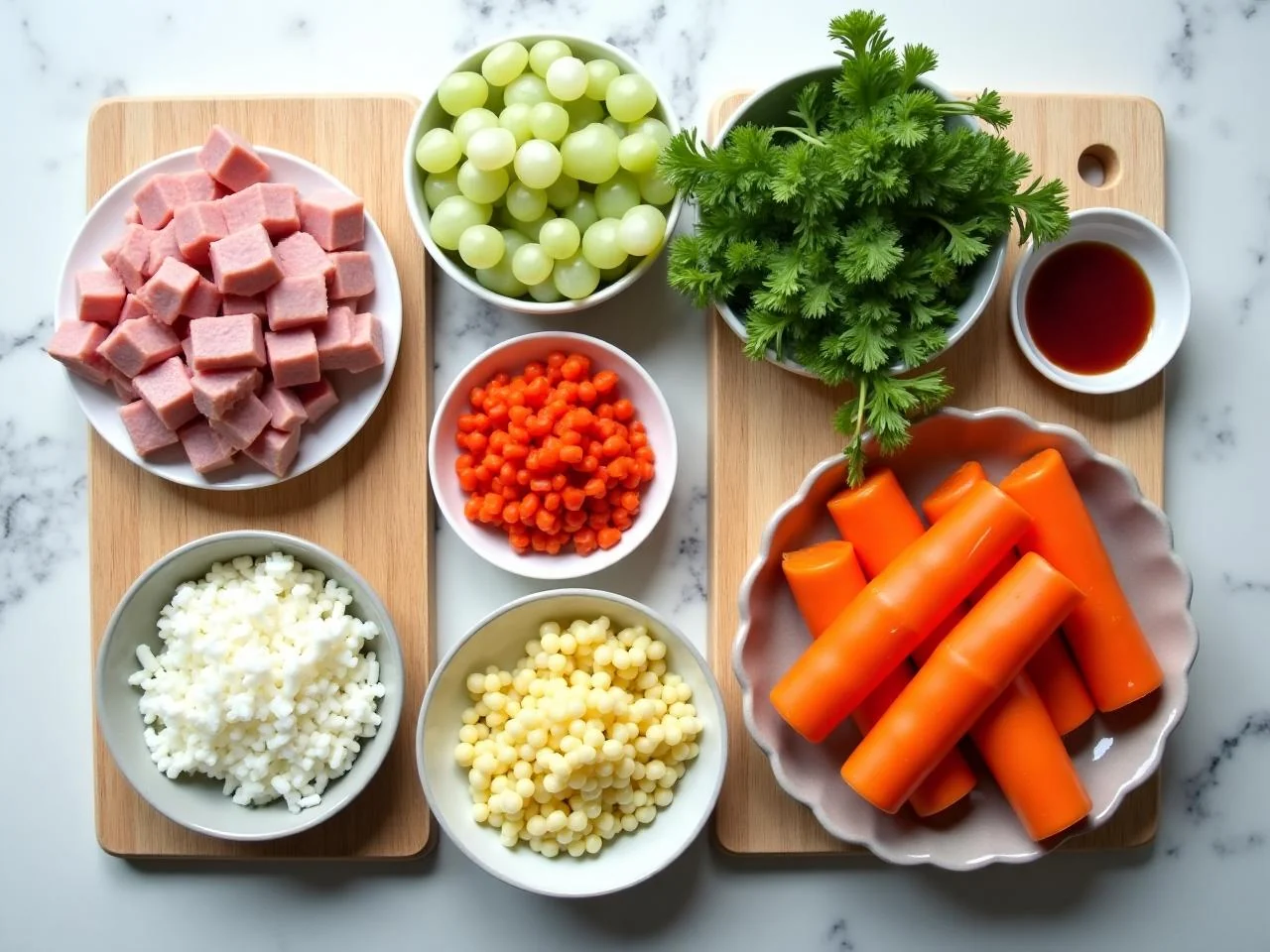
When it comes to making a great pork and vegetable skillet dinner, the ingredients are just as important as the cooking techniques. In this recipe, we'll be using a combination of high-quality ingredients, including thick-cut bacon, fresh vegetables, and tender pork chops. Be sure to choose the freshest ingredients you can find, and don't be afraid to get creative with your vegetable selection.
Here are the ingredients you'll need to make this recipe:
- 1 lb (450g) pork chops, bonelessLook for thick-cut pork chops with a good balance of fat and lean meat. You can also use pork tenderloin or pork loin if you prefer.
- 6 slices of bacon, thick-cutChoose a high-quality bacon with a good balance of smokiness and sweetness. You can also use pancetta or prosciutto if you prefer.
- 2 tablespoons olive oilUse a high-quality olive oil with a mild flavor to add depth and richness to the dish.
- 1 large onion, choppedChoose a sweet onion like Vidalia or Maui for the best flavor. You can also use shallots or scallions if you prefer.
- 3 cloves garlic, mincedUse fresh garlic for the best flavor. You can also use garlic powder or garlic salt if you prefer.
- 2 large bell peppers, choppedChoose any color bell pepper you like, or use a combination of colors for a rainbow effect. You can also use other types of peppers, like jalapenos or Anaheim peppers.
- 2 large zucchinis, choppedChoose fresh zucchinis with a good balance of flavor and texture. You can also use other types of summer squash, like yellow squash or crookneck squash.
- 1 large carrot, choppedChoose a fresh carrot with a good balance of flavor and texture. You can also use other types of root vegetables, like parsnips or turnips.
- 1 teaspoon dried thymeUse fresh thyme if you have it, or substitute with other herbs like rosemary or oregano. You can also use dried herbs if you prefer.
- 1/2 teaspoon saltUse a high-quality salt with a mild flavor to add depth and richness to the dish. You can also use other types of salt, like sea salt or kosher salt.
- 1/4 teaspoon black pepperUse freshly ground black pepper for the best flavor. You can also use other types of pepper, like white pepper or green pepper.
- 2 tablespoons lemon juiceUse fresh lemon juice for the best flavor. You can also use bottled lemon juice if you prefer.
Equipment You’ll Need
How to Make Pork And Vegetable Skillet Dinner
- 1Start by cooking the bacon in a large skillet over medium heat. Cook the bacon until it's crispy, then remove it from the skillet and set it aside on a paper towel-lined plate.
- 2Add the olive oil to the skillet and swirl it around to coat the bottom. Add the chopped onion and cook until it's translucent, about 5 minutes.
- 3Add the minced garlic and cook for another minute, until fragrant. Be careful not to burn the garlic.
- 4Add the chopped bell peppers and cook until they're tender, about 5 minutes. Add the chopped zucchinis and cook until they're tender, about 5 minutes.
- 5Add the chopped carrot and cook until it's tender, about 5 minutes. Season the vegetables with salt, pepper, and thyme.
- 6Add the pork chops to the skillet and cook until they're browned on both sides, about 5-7 minutes per side. Use an instant-read thermometer to check the internal temperature of the pork chops. They should be cooked to an internal temperature of at least 145 F.
- 7Remove the pork chops from the skillet and let them rest for a few minutes. Add the cooked bacon back into the skillet and stir to combine with the vegetables.
- 8Slice the pork chops and serve them on top of the vegetable and bacon mixture. Drizzle with lemon juice and serve immediately.
- 9Let the dish rest for a few minutes before serving. This will allow the juices to redistribute and the flavors to meld together.
- 10Serve the pork and vegetable skillet dinner hot, garnished with fresh herbs and a sprinkle of lemon juice. You can also serve it with a side of rice, bread, or roasted potatoes.
- 11Refrigerate or freeze any leftovers for later use. The dish can be refrigerated for up to 3 days or frozen for up to 2 months.
Expert Tips
- Use a large skillet to cook the bacon and vegetables, as this will help to prevent overcrowding and ensure that everything cooks evenly.
- Don't overcook the pork chops, as this can make them tough and dry. Use an instant-read thermometer to check the internal temperature and remove the pork chops from the heat when they're cooked to your liking.
- Let the dish rest for a few minutes before serving, as this will allow the juices to redistribute and the flavors to meld together.
- Use fresh and high-quality ingredients to get the best flavor out of the dish. Choose thick-cut bacon, fresh vegetables, and tender pork chops for the best results.
- Don't be afraid to get creative with your vegetable selection. You can use any combination of vegetables you like, or add other ingredients like diced onions or minced garlic to give the dish an extra boost of flavor.
- Use a sharp knife to chop the vegetables, as this will help to prevent them from becoming mushy or overcooked.
- Don't overcrowd the skillet, as this can prevent the ingredients from cooking evenly. Cook the ingredients in batches if necessary, and be sure to stir them frequently to prevent burning or sticking.
Common Mistakes to Avoid
- Overcooking the pork chops, which can make them tough and dry.
- Not using a large enough skillet, which can lead to overcrowding and uneven cooking.
- Not letting the dish rest before serving, which can prevent the juices from redistributing and the flavors from melding together.
- Using low-quality ingredients, which can result in a dish that's lacking in flavor and texture.
- Not seasoning the dish enough, which can result in a dish that's bland and unappetizing.
- Not using an instant-read thermometer, which can make it difficult to determine when the pork chops are cooked to a safe internal temperature.
Variations and Substitutions
- Add diced onions or minced garlic to the skillet with the bacon for extra flavor.
- Use different types of vegetables, such as broccoli or cauliflower, for a change of pace.
- Add a sprinkle of cheese, such as cheddar or parmesan, to the top of the dish for extra flavor.
- Use different types of meat, such as chicken or beef, for a different twist on the recipe.
- Add a splash of wine or beer to the skillet with the bacon for extra flavor.
- Use fresh herbs, such as parsley or thyme, to add extra flavor to the dish.
- Serve the dish with a side of rice, bread, or roasted potatoes for a filling meal.
What to Serve With Pork And Vegetable Skillet Dinner
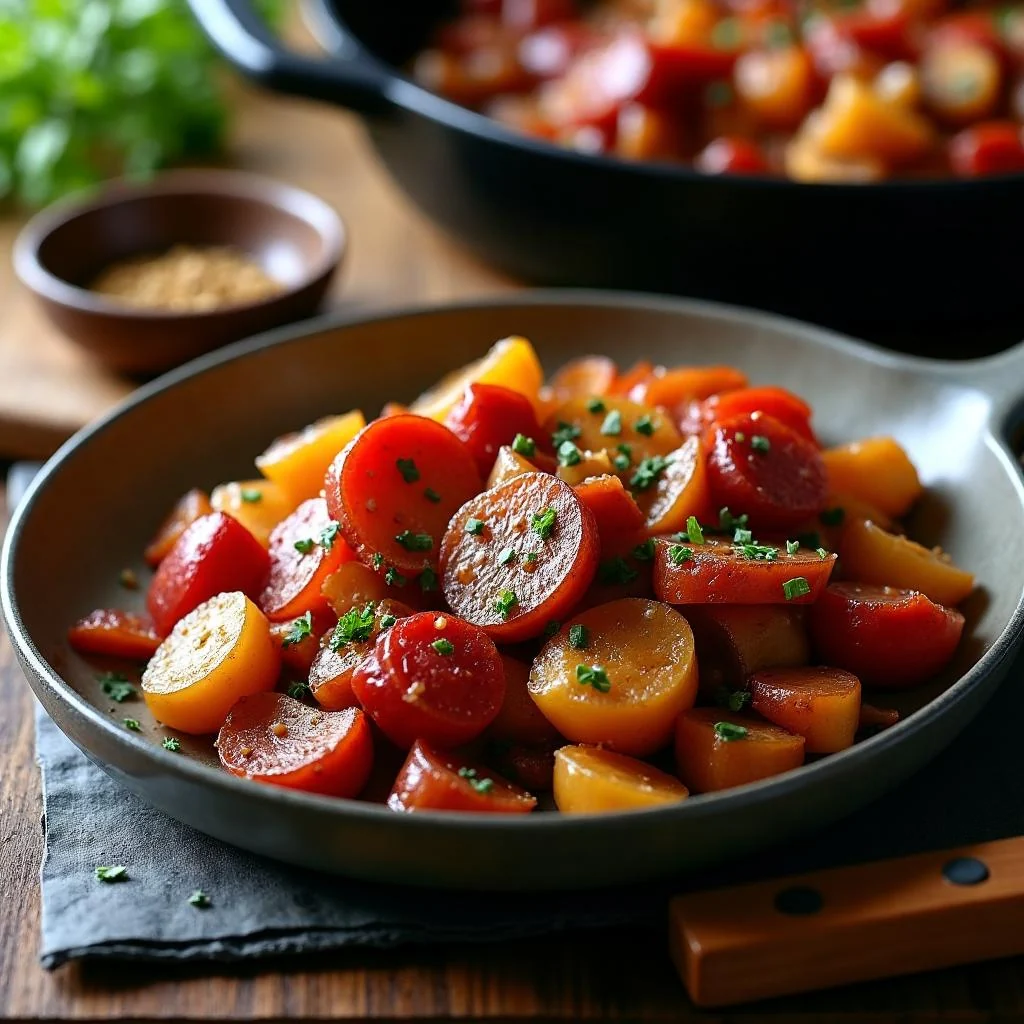
This pork and vegetable skillet dinner is a hearty and satisfying meal that's perfect for a weeknight dinner or special occasion. You can serve it with a side of rice, bread, or roasted potatoes for a filling meal. The dish is also great with a simple green salad or a side of steamed vegetables.
Some other ideas for serving the dish include:
Make-Ahead, Storage, Freezing and Reheating
This pork and vegetable skillet dinner can be refrigerated for up to 3 days or frozen for up to 2 months. To refrigerate, let the dish cool to room temperature, then cover it with plastic wrap or aluminum foil and refrigerate. To freeze, let the dish cool to room temperature, then transfer it to an airtight container or freezer bag and freeze.
To reheat the dish, simply microwave it for a few minutes or heat it in a skillet over low heat. You can also add a splash of water or broth to the dish to prevent it from drying out.
Here are some tips for storing and reheating the dish:
Frequently Asked Questions
What type of pork chops should I use for this recipe?
You can use any type of pork chop you like, but thick-cut pork chops with a good balance of fat and lean meat work best. You can also use pork tenderloin or pork loin if you prefer.
How do I know when the pork chops are cooked to a safe internal temperature?
Use an instant-read thermometer to check the internal temperature of the pork chops. They should be cooked to an internal temperature of at least 145 F.
Can I use different types of vegetables in this recipe?
Yes, you can use any combination of vegetables you like. Some other options include broccoli, cauliflower, and carrots.
How do I prevent the dish from drying out when reheating?
You can add a splash of water or broth to the dish to prevent it from drying out. You can also cover the dish with a lid or plastic wrap to help retain moisture.
Can I make this recipe ahead of time?
Yes, you can make this recipe ahead of time and refrigerate or freeze it for later use. Simply reheat the dish when you're ready to serve it.
What type of bacon should I use for this recipe?
You can use any type of bacon you like, but thick-cut bacon with a good balance of smokiness and sweetness works best. You can also use pancetta or prosciutto if you prefer.
Can I serve this dish with a side of rice or bread?
Yes, this dish is great with a side of rice, bread, or roasted potatoes. You can also serve it with a simple green salad or a side of steamed vegetables.
How do I know when the vegetables are tender?
You can check the vegetables for tenderness by inserting a fork or knife into them. If they're tender, they should be easy to pierce. You can also check the vegetables for doneness by looking for a change in color or texture.
Ingredients
- 1 lb (450g) pork chops, boneless
- 6 slices of bacon, thick-cut
- 2 tablespoons olive oil
- 1 large onion, chopped
- 3 cloves garlic, minced
- 2 large bell peppers, chopped
- 2 large zucchinis, chopped
- 1 large carrot, chopped
- 1 teaspoon dried thyme
- 1/2 teaspoon salt
- 1/4 teaspoon black pepper
- 2 tablespoons lemon juice
Instructions
- Start by cooking the bacon in a large skillet over medium heat. Cook the bacon until it's crispy, then remove it from the skillet and set it aside on a paper towel-lined plate.
- Add the olive oil to the skillet and swirl it around to coat the bottom. Add the chopped onion and cook until it's translucent, about 5 minutes.
- Add the minced garlic and cook for another minute, until fragrant. Be careful not to burn the garlic.
- Add the chopped bell peppers and cook until they're tender, about 5 minutes. Add the chopped zucchinis and cook until they're tender, about 5 minutes.
- Add the chopped carrot and cook until it's tender, about 5 minutes. Season the vegetables with salt, pepper, and thyme.
- Add the pork chops to the skillet and cook until they're browned on both sides, about 5-7 minutes per side. Use an instant-read thermometer to check the internal temperature of the pork chops. They should be cooked to an internal temperature of at least 145 F.
- Remove the pork chops from the skillet and let them rest for a few minutes. Add the cooked bacon back into the skillet and stir to combine with the vegetables.
- Slice the pork chops and serve them on top of the vegetable and bacon mixture. Drizzle with lemon juice and serve immediately.
- Let the dish rest for a few minutes before serving. This will allow the juices to redistribute and the flavors to meld together.
- Serve the pork and vegetable skillet dinner hot, garnished with fresh herbs and a sprinkle of lemon juice. You can also serve it with a side of rice, bread, or roasted potatoes.
- Refrigerate or freeze any leftovers for later use. The dish can be refrigerated for up to 3 days or frozen for up to 2 months.