
Pulled Pork Shoulder
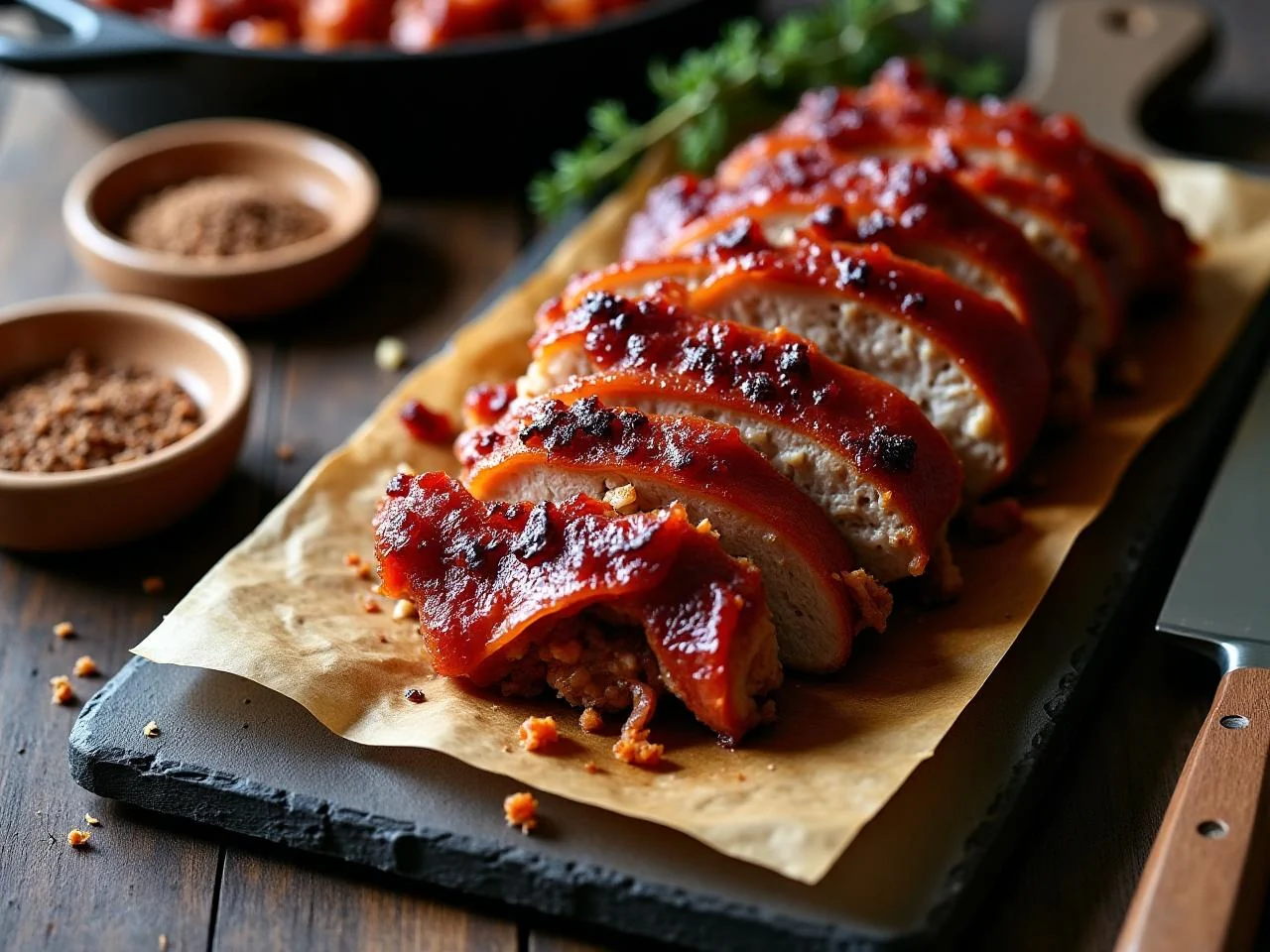
I still remember the first time I made pulled pork shoulder for my family gathering. The smell of slow-cooked pork filled the air, and everyone couldn't wait to dig in. It was love at first bite! Since then, I've perfected my recipe to bring you the most tender, juicy, and flavorful pulled pork shoulder you've ever tasted.
Pulled pork shoulder is more than just a dish - it's an experience. It's about gathering around the table, sharing stories, and enjoying good food with the people you love. And the best part? It's incredibly easy to make, even for a beginner. With a few simple ingredients and some basic cooking techniques, you'll be on your way to creating a mouth-watering pulled pork shoulder that'll impress anyone.
So, what makes this recipe special? For starters, we're using a combination of low and slow cooking to break down the connective tissues in the pork shoulder, resulting in tender, fall-apart meat. We're also using a blend of spices and herbs to add depth and complexity to the dish. And, of course, we're finishing it off with a tangy, sweet barbecue sauce that'll leave you wanting more.
Whether you're a seasoned cook or just starting out, this recipe is perfect for anyone looking to create a delicious, comforting meal that's sure to please. So, let's get started and make some unforgettable pulled pork shoulder!
In this recipe, we'll be covering everything from the basics of cooking pork shoulder to the secrets of making the perfect barbecue sauce. We'll also be discussing some common mistakes to avoid and providing tips and variations to help you make the dish your own. By the end of this recipe, you'll be a pulled pork shoulder expert, ready to impress your friends and family with your culinary skills.
Why You’ll Love This Recipe
- This recipe is easy to make and requires minimal supervision, perfect for busy home cooks.
- The pulled pork shoulder is incredibly tender and juicy, making it a crowd-pleaser.
- The dish is highly customizable, allowing you to add your own favorite spices and sauces.
- It's a great make-ahead recipe, perfect for meal prep or special occasions.
- The recipe is budget-friendly and can be made with affordable ingredients.
- It's a versatile dish that can be served in a variety of ways, from sandwiches to salads.
- The pulled pork shoulder is perfect for comforting meals and gatherings, making it a great recipe for the holidays.
Why This Recipe Works
The key to making great pulled pork shoulder is to cook it low and slow, breaking down the connective tissues in the meat and resulting in tender, juicy flesh. This is achieved by cooking the pork shoulder in a moderate oven temperature, around 300°F, for several hours. The low heat helps to break down the collagen in the meat, making it easy to shred and pull apart.
Another important factor is the use of a spice blend to add flavor to the meat. By rubbing the pork shoulder with a blend of spices, herbs, and brown sugar, we're creating a flavorful crust that complements the rich, meaty flavor of the pork. And, of course, the barbecue sauce adds a tangy, sweet element that balances out the dish.
The combination of these elements - low and slow cooking, a flavorful spice blend, and a tangy barbecue sauce - is what makes this pulled pork shoulder recipe truly special. It's a dish that's both comforting and exciting, perfect for casual gatherings or special occasions.
But what really sets this recipe apart is the attention to detail. From the way we trim the pork shoulder to the way we finish it off with a sweet and tangy glaze, every step is designed to bring out the best in the dish. And, with a few simple tips and tricks, you'll be able to make it like a pro, even if you're a beginner.
Ingredients You’ll Need
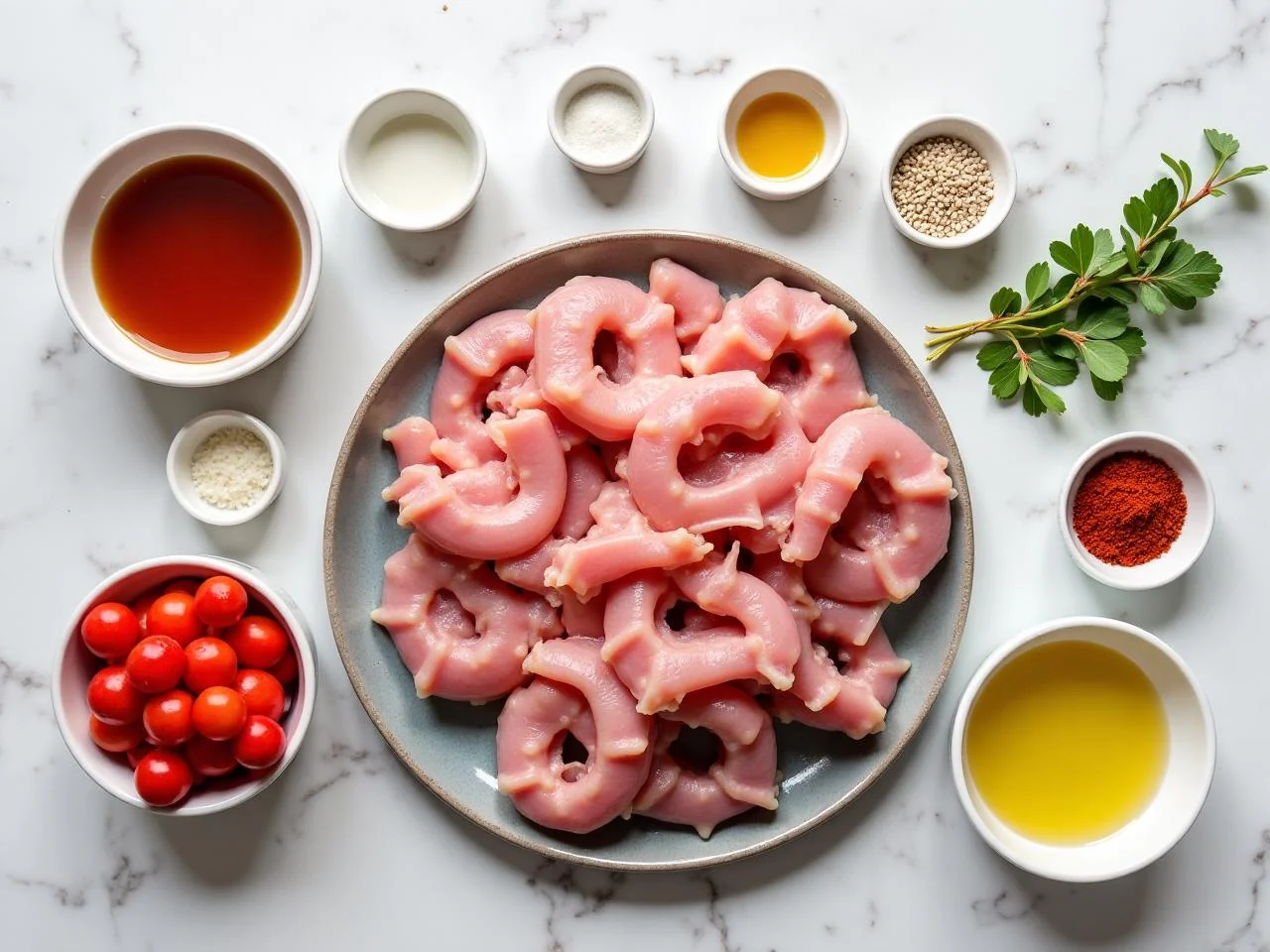
When it comes to making pulled pork shoulder, the ingredients are just as important as the cooking technique. We're using a combination of pantry staples, such as brown sugar and spices, along with some fresh ingredients, like onions and garlic. And, of course, we're using a high-quality pork shoulder that's perfect for slow cooking.
One of the most important things to keep in mind when shopping for ingredients is to choose a pork shoulder that's well-marbled, meaning it has a good amount of fat throughout the meat. This will help keep the meat moist and flavorful during the long cooking time. You can find pork shoulders at most butcher shops or supermarkets, and they're usually labeled as 'Boston butt' or 'picnic shoulder'.
- 2 lbs (900g) pork shoulder, bonelessLook for a well-marbled pork shoulder with a good amount of fat throughout the meat. This will help keep the meat moist and flavorful during the long cooking time.
- 1/4 cup (60g) brown sugarBrown sugar adds a rich, caramel-like flavor to the dish and helps balance out the acidity from the barbecue sauce.
- 2 tbsp (30g) smoked paprikaSmoked paprika adds a deep, smoky flavor to the dish and complements the pork perfectly.
- 1 tsp (5g) garlic powderGarlic powder adds a savory flavor to the dish and helps bring out the natural flavors of the pork.
- 1 tsp (5g) onion powderOnion powder adds a sweet, savory flavor to the dish and helps balance out the flavors.
- 1 tsp (5g) saltSalt helps bring out the natural flavors of the pork and adds depth to the dish.
- 1/2 tsp (2g) black pepperBlack pepper adds a sharp, peppery flavor to the dish and helps balance out the flavors.
- 1/4 cup (60g) barbecue sauceBarbecue sauce adds a tangy, sweet flavor to the dish and helps balance out the flavors. Look for a high-quality sauce that's low in sugar and made with natural ingredients.
- 2 tbsp (30g) apple cider vinegarApple cider vinegar adds a tangy, acidic flavor to the dish and helps balance out the flavors.
- 2 cloves garlic, mincedGarlic adds a savory flavor to the dish and helps bring out the natural flavors of the pork.
- 1 large onion, slicedOnions add a sweet, savory flavor to the dish and help balance out the flavors.
- 2 tbsp (30g) olive oilOlive oil helps prevent the pork from sticking to the pan and adds a rich, fruity flavor to the dish.
Equipment You’ll Need
How to Make Pulled Pork Shoulder
- 1Preheat your oven to 300°F (150°C). While the oven is heating up, trim any excess fat from the pork shoulder and season it with salt, black pepper, garlic powder, onion powder, and smoked paprika.
- 2Heat the olive oil in a large Dutch oven or heavy pot over medium-high heat. Sear the pork shoulder until it's browned on all sides, about 5 minutes per side. Remove the pork from the pot and set it aside.
- 3Add the sliced onions to the pot and cook until they're softened and caramelized, about 10-12 minutes. Add the minced garlic and cook for an additional 1-2 minutes, until fragrant.
- 4Add the brown sugar, apple cider vinegar, and barbecue sauce to the pot, stirring to combine. Bring the mixture to a simmer and cook for 5 minutes, until the sauce has thickened slightly.
- 5Return the pork shoulder to the pot and spoon some of the sauce over the top. Cover the pot with a lid and transfer it to the preheated oven.
- 6Bake the pork shoulder for 6-8 hours, or until it reaches an internal temperature of 190°F (88°C). Every hour or so, baste the pork with the sauce and onions to keep it moist and flavorful.
- 7After 6-8 hours, remove the pot from the oven and let the pork rest for 30 minutes. This will help the meat absorb all the juices and flavors.
- 8Using two forks, pull the pork shoulder apart into shreds. Strain the sauce and onions through a fine-mesh sieve into a bowl, discarding the solids. Add the strained sauce to the pulled pork and toss to combine.
- 9Season the pulled pork with salt and pepper to taste, then serve it on a bun or with your favorite sides.
- 10If you want to add a bit of crunch to your pulled pork, you can broil it in the oven for a few minutes, until it's crispy and caramelized. Just be careful not to burn it!
- 11Let the pulled pork rest for at least 10-15 minutes before serving, to allow the juices to redistribute and the flavors to meld together.
- 12Serve the pulled pork on a bun, topped with your favorite toppings, such as coleslaw, pickles, or barbecue sauce.
- 13If you have any leftovers, you can store them in an airtight container in the fridge for up to 3 days or freeze them for up to 2 months. Reheat the pulled pork in the oven or on the stovetop, until it's hot and steaming.
- 14When reheating the pulled pork, make sure to add a bit of moisture to the pan, such as barbecue sauce or broth, to prevent it from drying out.
Expert Tips
- Make sure to choose a pork shoulder that's well-marbled, as this will help keep the meat moist and flavorful during the long cooking time.
- If you're using a slow cooker, cook the pork shoulder on low for 8-10 hours, or until it reaches an internal temperature of 190°F (88°C).
- To add a bit of smokiness to your pulled pork, you can add some liquid smoke to the sauce or use smoked paprika instead of regular paprika.
- If you're short on time, you can cook the pork shoulder in a pressure cooker, such as an Instant Pot, for about 90 minutes, or until it reaches an internal temperature of 190°F (88°C).
- To make the pulled pork more tender, you can wrap it in foil and cook it for an additional 30 minutes, until it's fall-apart tender.
- If you're serving the pulled pork at a party or gathering, you can set up a toppings bar with your favorite toppings, such as coleslaw, pickles, or barbecue sauce.
- To make the pulled pork more flavorful, you can add some aromatics, such as onions, carrots, and celery, to the pot during the last hour of cooking.
- If you're using a crock pot, cook the pork shoulder on low for 8-10 hours, or until it reaches an internal temperature of 190°F (88°C).
Common Mistakes to Avoid
- Not cooking the pork shoulder to a high enough internal temperature, resulting in undercooked or tough meat.
- Not letting the pork shoulder rest long enough, resulting in a loss of juices and flavor.
- Overcooking the pork shoulder, resulting in dry or tough meat.
- Not using enough sauce or seasoning, resulting in a bland or flavorless dish.
- Not straining the sauce and onions through a fine-mesh sieve, resulting in a messy or chunky texture.
- Not serving the pulled pork hot, resulting in a loss of flavor and texture.
Variations and Substitutions
- To make a spicy pulled pork, you can add some diced jalapenos or hot sauce to the sauce.
- To make a sweet pulled pork, you can add some honey or brown sugar to the sauce.
- To make a tangy pulled pork, you can add some vinegar or lemon juice to the sauce.
- To make a smoky pulled pork, you can add some liquid smoke or smoked paprika to the sauce.
- To make a Korean-style pulled pork, you can add some gochujang or soy sauce to the sauce.
- To make a Mexican-style pulled pork, you can add some cumin or chili powder to the sauce.
- To make a barbecue-style pulled pork, you can add some barbecue sauce or dry rub to the sauce.
What to Serve With Pulled Pork Shoulder
Pulled pork shoulder is a versatile dish that can be served in a variety of ways. You can serve it on a bun, topped with your favorite toppings, such as coleslaw, pickles, or barbecue sauce. You can also serve it with your favorite sides, such as baked beans, corn on the cob, or potato salad.
One of the best ways to serve pulled pork shoulder is at a party or gathering. You can set up a toppings bar with your favorite toppings, such as coleslaw, pickles, or barbecue sauce, and let everyone create their own pulled pork sandwich. You can also serve it with a variety of sides, such as chips, crackers, or veggies, for a fun and casual snack.
Make-Ahead, Storage, Freezing and Reheating
If you have any leftovers, you can store them in an airtight container in the fridge for up to 3 days or freeze them for up to 2 months. To reheat the pulled pork, simply microwave it for a few minutes, until it's hot and steaming, or reheat it in the oven at 300°F (150°C) for about 10-15 minutes, until it's hot and steaming.
When storing the pulled pork, make sure to press out as much air as possible from the container or bag, to prevent freezer burn or spoilage. You can also add a bit of moisture to the container or bag, such as barbecue sauce or broth, to help keep the pulled pork moist and flavorful.
To freeze the pulled pork, simply place it in a freezer-safe bag or container, making sure to press out as much air as possible, and label it with the date and contents. You can then thaw the pulled pork in the fridge or microwave, and reheat it as desired.
When reheating the pulled pork, make sure to add a bit of moisture to the pan, such as barbecue sauce or broth, to prevent it from drying out. You can also add some aromatics, such as onions or garlic, to the pan for added flavor.
Frequently Asked Questions
What is the best type of pork shoulder to use for pulled pork?
The best type of pork shoulder to use for pulled pork is a Boston butt or picnic shoulder, which is a cut that comes from the upper portion of the pig's front leg. This cut is well-marbled, meaning it has a good amount of fat throughout the meat, which helps keep it moist and flavorful during the long cooking time.
How long does it take to cook pulled pork shoulder?
The cooking time for pulled pork shoulder can vary depending on the size of the pork shoulder and the cooking method. Generally, it takes around 6-8 hours to cook pulled pork shoulder in a slow cooker or oven, or about 90 minutes in a pressure cooker.
What is the internal temperature of cooked pulled pork shoulder?
The internal temperature of cooked pulled pork shoulder should be at least 190°F (88°C). This ensures that the meat is tender and falls apart easily.
Can I cook pulled pork shoulder in a slow cooker?
Yes, you can cook pulled pork shoulder in a slow cooker. Simply place the pork shoulder in the slow cooker, add your favorite sauce and seasonings, and cook on low for 8-10 hours, or until the pork reaches an internal temperature of 190°F (88°C).
How do I store and reheat pulled pork shoulder?
To store pulled pork shoulder, place it in an airtight container in the fridge for up to 3 days or freeze it for up to 2 months. To reheat, simply microwave it for a few minutes, until it's hot and steaming, or reheat it in the oven at 300°F (150°C) for about 10-15 minutes, until it's hot and steaming.
Can I make pulled pork shoulder ahead of time?
Yes, you can make pulled pork shoulder ahead of time. Simply cook the pork shoulder as directed, then let it cool and refrigerate or freeze it until you're ready to serve. Reheat the pulled pork as directed, and serve with your favorite toppings and sides.
What are some common mistakes to avoid when making pulled pork shoulder?
Some common mistakes to avoid when making pulled pork shoulder include not cooking the pork shoulder to a high enough internal temperature, not letting it rest long enough, overcooking the pork shoulder, and not using enough sauce or seasoning.
Can I use a different type of meat for pulled pork?
While pork shoulder is the traditional choice for pulled pork, you can also use other types of meat, such as beef brisket or chicken. However, keep in mind that these meats may have a different cooking time and temperature, so be sure to adjust the recipe accordingly.
What are some variations on the traditional pulled pork recipe?
There are many variations on the traditional pulled pork recipe, including spicy pulled pork, sweet pulled pork, tangy pulled pork, and smoky pulled pork. You can also add different seasonings and sauces to the pork shoulder, such as Korean chili flakes or Mexican chili powder, to give it a unique flavor.
Ingredients
- 2 lbs (900g) pork shoulder, boneless
- 1/4 cup (60g) brown sugar
- 2 tbsp (30g) smoked paprika
- 1 tsp (5g) garlic powder
- 1 tsp (5g) onion powder
- 1 tsp (5g) salt
- 1/2 tsp (2g) black pepper
- 1/4 cup (60g) barbecue sauce
- 2 tbsp (30g) apple cider vinegar
- 2 cloves garlic, minced
- 1 large onion, sliced
- 2 tbsp (30g) olive oil
Instructions
- Preheat your oven to 300°F (150°C). While the oven is heating up, trim any excess fat from the pork shoulder and season it with salt, black pepper, garlic powder, onion powder, and smoked paprika.
- Heat the olive oil in a large Dutch oven or heavy pot over medium-high heat. Sear the pork shoulder until it's browned on all sides, about 5 minutes per side. Remove the pork from the pot and set it aside.
- Add the sliced onions to the pot and cook until they're softened and caramelized, about 10-12 minutes. Add the minced garlic and cook for an additional 1-2 minutes, until fragrant.
- Add the brown sugar, apple cider vinegar, and barbecue sauce to the pot, stirring to combine. Bring the mixture to a simmer and cook for 5 minutes, until the sauce has thickened slightly.
- Return the pork shoulder to the pot and spoon some of the sauce over the top. Cover the pot with a lid and transfer it to the preheated oven.
- Bake the pork shoulder for 6-8 hours, or until it reaches an internal temperature of 190°F (88°C). Every hour or so, baste the pork with the sauce and onions to keep it moist and flavorful.
- After 6-8 hours, remove the pot from the oven and let the pork rest for 30 minutes. This will help the meat absorb all the juices and flavors.
- Using two forks, pull the pork shoulder apart into shreds. Strain the sauce and onions through a fine-mesh sieve into a bowl, discarding the solids. Add the strained sauce to the pulled pork and toss to combine.
- Season the pulled pork with salt and pepper to taste, then serve it on a bun or with your favorite sides.
- If you want to add a bit of crunch to your pulled pork, you can broil it in the oven for a few minutes, until it's crispy and caramelized. Just be careful not to burn it!
- Let the pulled pork rest for at least 10-15 minutes before serving, to allow the juices to redistribute and the flavors to meld together.
- Serve the pulled pork on a bun, topped with your favorite toppings, such as coleslaw, pickles, or barbecue sauce.
- If you have any leftovers, you can store them in an airtight container in the fridge for up to 3 days or freeze them for up to 2 months. Reheat the pulled pork in the oven or on the stovetop, until it's hot and steaming.
- When reheating the pulled pork, make sure to add a bit of moisture to the pan, such as barbecue sauce or broth, to prevent it from drying out.