
Kansas City Style Burnt Ends
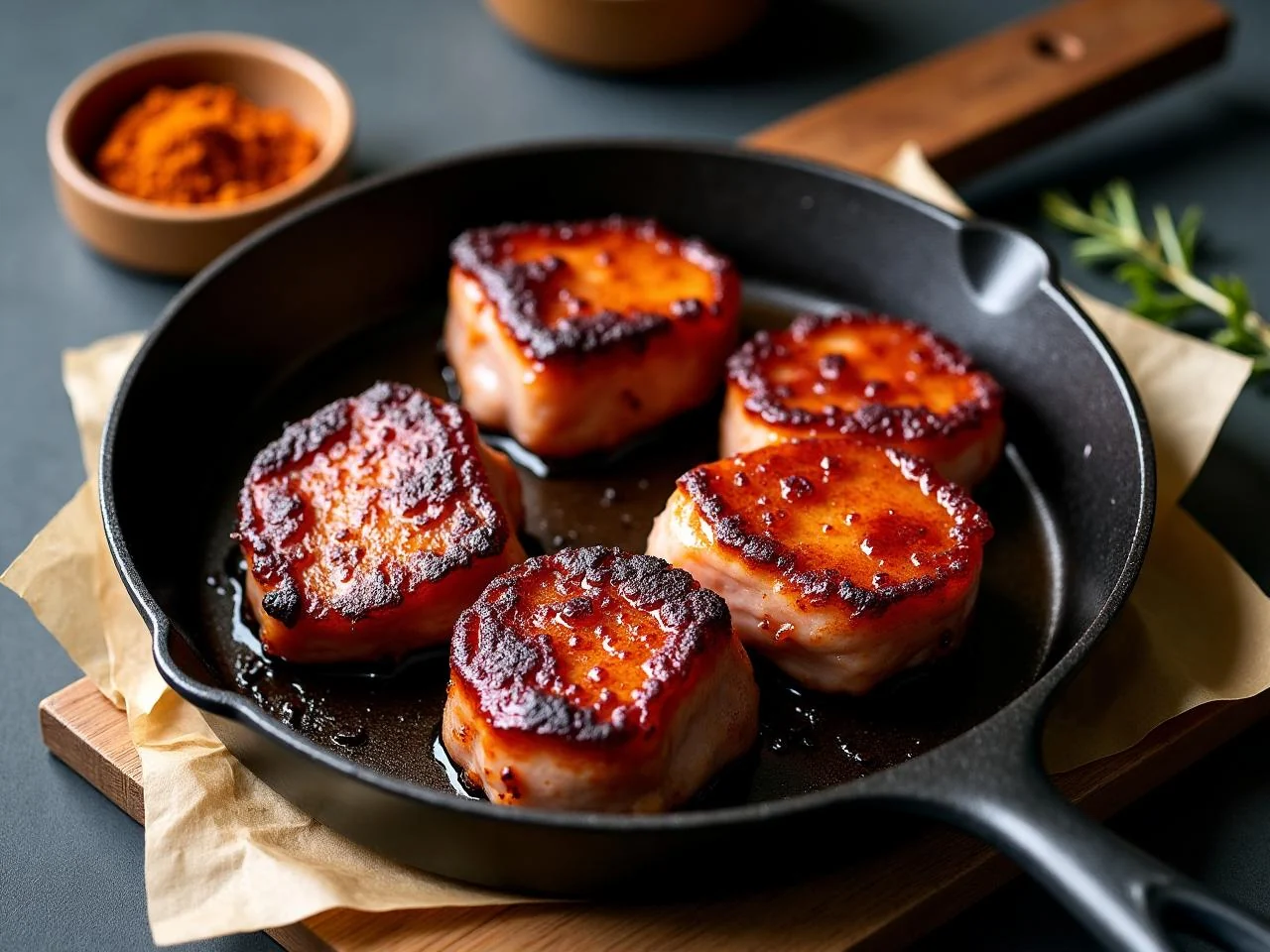
Kansas City Style Burnt Ends are the epitome of comfort food, and I'm excited to share my recipe with you. Growing up, I spent countless hours watching my dad tend to our backyard smoker, the smell of slow-cooked meat wafting through the air. Those were the days that sparked my passion for cooking, and now I'm passing that tradition down to my own family.
There's something special about a dish that's been perfected over time, and Kansas City Style Burnt Ends are no exception. The key to this recipe lies in the low-and-slow cooking process, which breaks down the connective tissues in the meat, resulting in tender, fall-apart bites. I've experimented with various techniques and ingredients to create a recipe that's both authentic and accessible to home cooks.
What makes this recipe special is the balance of flavors and textures. The smoky, savory flavor of the burnt ends is balanced by the tangy, slightly sweet flavor of the barbecue sauce. The tender, juicy meat is contrasted by the crispy, crunchy texture of the exterior. It's a match made in heaven, and I'm confident that you'll love it just as much as I do.
This recipe is perfect for anyone looking to impress their family and friends with a delicious, comforting meal. Whether you're a seasoned cook or just starting out, the steps are easy to follow, and the ingredients are readily available. So, let's get started and create some unforgettable Kansas City Style Burnt Ends!
As we dive into the recipe, I want to emphasize the importance of using high-quality ingredients. From the tender pork belly to the rich, velvety barbecue sauce, every component plays a crucial role in creating an unforgettable dining experience. So, take your time, be patient, and let's create some magic in the kitchen!
Why You’ll Love This Recipe
- This recipe is easy to follow and requires minimal supervision, making it perfect for busy home cooks.
- The slow cooking process allows for a wide margin of error, making it forgiving for those who are new to cooking.
- The recipe is highly customizable, allowing you to adjust the level of heat and flavor to your liking.
- Kansas City Style Burnt Ends are a crowd-pleaser, perfect for large gatherings and parties.
- The recipe is budget-friendly, using affordable ingredients and minimal equipment.
- The dish is perfect for making ahead, allowing you to prepare the meat and sauce in advance and assemble the dish just before serving.
Why This Recipe Works
The secret to tender, smoky Kansas City Style Burnt Ends lies in the cooking process. By cooking the meat low and slow, we break down the connective tissues, resulting in tender, fall-apart bites. The slow cooking process also allows the meat to absorb the rich, complex flavors of the barbecue sauce, creating a deep, satisfying flavor profile.
Another crucial aspect of this recipe is the importance of resting the meat. After cooking, it's essential to let the meat rest for a period of time, allowing the juices to redistribute and the meat to relax. This step is critical in creating a tender, juicy final product.
The combination of low-and-slow cooking and resting creates a truly unforgettable dining experience. The tender, smoky meat is balanced by the tangy, slightly sweet flavor of the barbecue sauce, creating a flavor profile that's both complex and comforting.
So, what makes this recipe so special? It's the perfect balance of flavors and textures, combined with a cooking process that's both easy to follow and forgiving. Whether you're a seasoned cook or just starting out, this recipe is sure to impress your family and friends with its rich, satisfying flavor and tender, juicy texture.
Ingredients You’ll Need
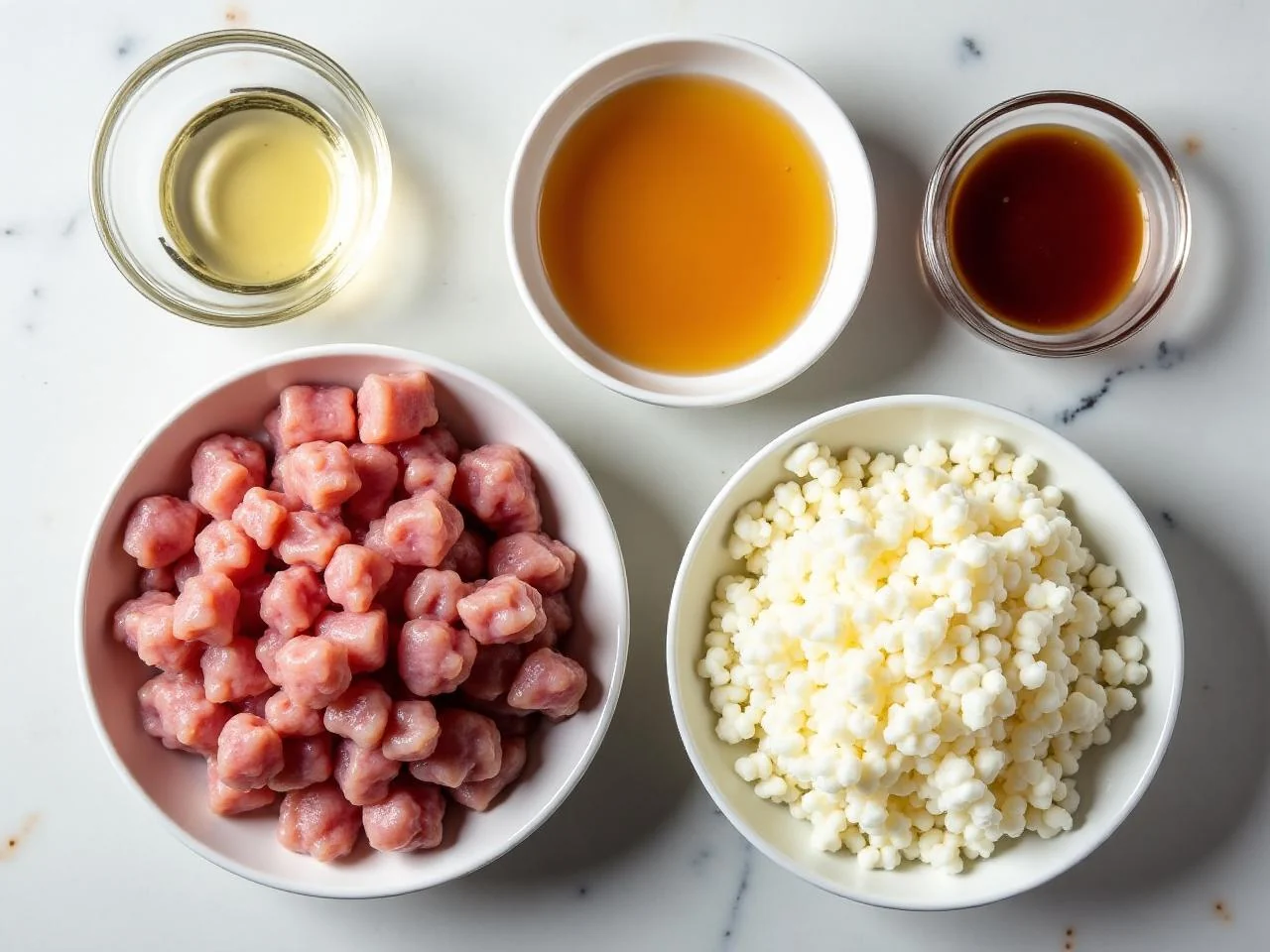
When it comes to Kansas City Style Burnt Ends, the ingredients are just as important as the cooking process. You'll need a few key components, including pork belly, barbecue sauce, and a blend of spices. Be sure to choose high-quality ingredients, as they'll make a big difference in the final product.
One of the most important ingredients in this recipe is the pork belly. Look for a cut that's rich in fat, as this will help to keep the meat tender and juicy. You can find pork belly at most butcher shops or high-end grocery stores.
- 2 lbs (900g) pork belly, skin removedPork belly is the star of the show in this recipe, providing a rich, unctuous texture and a deep, satisfying flavor. Look for a cut that's rich in fat, as this will help to keep the meat tender and juicy.
- 1/4 cup (60g) brown sugarBrown sugar adds a rich, caramel-like flavor to the dish, balancing out the tangy, slightly sweet flavor of the barbecue sauce.
- 2 tbsp (30g) smoked paprikaSmoked paprika provides a deep, smoky flavor that's essential to Kansas City Style Burnt Ends. Look for a high-quality smoked paprika that's been smoked over oak or other hardwoods.
- 1 tsp (5g) ground cuminGround cumin adds a warm, earthy flavor to the dish, complementing the smoky flavor of the paprika and the richness of the pork belly.
- 1 tsp (5g) garlic powderGarlic powder provides a savory, slightly sweet flavor that enhances the overall flavor profile of the dish.
- 1 tsp (5g) saltSalt is essential for bringing out the natural flavors of the ingredients and enhancing the overall flavor profile of the dish.
- 1/2 tsp (2g) black pepperBlack pepper adds a sharp, peppery flavor that complements the richness of the pork belly and the sweetness of the brown sugar.
- 1 cup (240ml) barbecue sauceBarbecue sauce is the glue that holds the dish together, providing a tangy, slightly sweet flavor that balances out the richness of the pork belly. Look for a high-quality barbecue sauce that's made with real ingredients and has a thick, velvety texture.
- 1/4 cup (60g) chopped fresh parsleyFresh parsley adds a bright, fresh flavor to the dish, complementing the richness of the pork belly and the sweetness of the brown sugar.
- 2 tbsp (30g) apple cider vinegarApple cider vinegar provides a tangy, slightly sweet flavor that enhances the overall flavor profile of the dish and helps to balance out the richness of the pork belly.
Equipment You’ll Need
How to Make Kansas City Style Burnt Ends
- 1Preheat your oven to 300°F (150°C). In a small bowl, mix together the brown sugar, smoked paprika, ground cumin, garlic powder, salt, and black pepper.
- 2Rub the spice mixture all over the pork belly, making sure to coat it evenly. Place the pork belly in a large heavy skillet or Dutch oven, fat side up.
- 3Cover the skillet or Dutch oven with aluminum foil and transfer it to the preheated oven. Cook the pork belly for 2 hours, or until it reaches an internal temperature of 160°F (71°C).
- 4After 2 hours, remove the foil and continue cooking the pork belly for an additional 30 minutes, or until it reaches an internal temperature of 180°F (82°C).
- 5Remove the pork belly from the oven and let it rest for 10-15 minutes. While the pork belly is resting, prepare the barbecue sauce by mixing it with the apple cider vinegar in a small bowl.
- 6Once the pork belly has rested, use a sharp chef's knife to cut it into 1-inch (2.5cm) cubes. Place the cubes in a large bowl and toss them with the barbecue sauce mixture until they're evenly coated.
- 7Return the pork belly cubes to the skillet or Dutch oven and cook them over medium-high heat, stirring occasionally, until they're crispy and caramelized on the outside. This should take about 5-7 minutes.
- 8Remove the pork belly cubes from the skillet or Dutch oven and place them on a cutting board. Let them cool for a few minutes before serving.
- 9To serve, garnish the pork belly cubes with chopped fresh parsley and serve them with your favorite sides, such as coleslaw or baked beans.
- 10If you want to get really fancy, you can serve the pork belly cubes on a bun, topped with coleslaw, pickles, and barbecue sauce. This makes for a delicious and satisfying sandwich that's perfect for a crowd.
- 11Whatever way you choose to serve the pork belly cubes, I'm sure you'll love the rich, satisfying flavor and tender, juicy texture of this dish. So go ahead, get creative, and enjoy!
Expert Tips
- Make sure to choose a high-quality pork belly that's rich in fat, as this will help to keep the meat tender and juicy.
- Don't be afraid to experiment with different spice blends and seasonings to find the flavor combination that you like best.
- If you're having trouble getting the pork belly cubes to crisp up, try increasing the heat or using a cast-iron skillet. This will help to create a crispy exterior and a tender interior.
- To make the dish more substantial, try serving the pork belly cubes with a side of roasted vegetables or a green salad.
- If you're looking for a way to make the dish more indulgent, try serving the pork belly cubes with a side of creamy mashed potatoes or mac and cheese.
- To make the dish more portable, try serving the pork belly cubes on a bun or in a wrap. This makes for a delicious and satisfying meal that's perfect for on-the-go.
- Don't be afraid to get creative with the toppings and sauces. Some other options you might consider include diced onions, diced bell peppers, or a sprinkle of shredded cheese.
Common Mistakes to Avoid
- Not cooking the pork belly to the correct internal temperature, resulting in a tough or undercooked final product.
- Not letting the pork belly rest for long enough, resulting in a dry or tough final product.
- Not using a high-quality barbecue sauce, resulting in a bland or uninspired final product.
- Not cooking the pork belly cubes long enough to get a crispy exterior, resulting in a soggy or undercooked final product.
- Not using a sharp chef's knife to cut the pork belly into cubes, resulting in a messy or uneven final product.
Variations and Substitutions
- Try using different types of wood chips or chunks to add a unique smoky flavor to the dish.
- Experiment with different spice blends or seasonings to find the flavor combination that you like best.
- Add some diced onions or bell peppers to the skillet or Dutch oven for added flavor and texture.
- Try serving the pork belly cubes with a side of roasted sweet potatoes or Brussels sprouts for a delicious and healthy meal.
- Use a different type of sauce, such as a tangy mustard-based sauce or a sweet and spicy sauce, to add a unique twist to the dish.
- Add some crispy bacon or chopped nuts to the top of the pork belly cubes for added texture and flavor.
What to Serve With Kansas City Style Burnt Ends
Kansas City Style Burnt Ends are a versatile dish that can be served in a variety of ways. One of the most popular ways to serve them is on a bun, topped with coleslaw, pickles, and barbecue sauce. This makes for a delicious and satisfying sandwich that's perfect for a crowd.
Another way to serve the dish is as a appetizer or snack. Simply serve the pork belly cubes on their own, garnished with chopped fresh parsley and a side of barbecue sauce for dipping.
Make-Ahead, Storage, Freezing and Reheating
One of the best things about Kansas City Style Burnt Ends is that they can be made ahead of time and stored in the refrigerator or freezer for later use. To store the dish, simply place the cooked pork belly cubes in an airtight container and refrigerate or freeze them until you're ready to serve.
If you're refrigerating the dish, it's best to consume it within 3-5 days. If you're freezing the dish, it's best to consume it within 2-3 months. To reheat the dish, simply place the pork belly cubes in a skillet or Dutch oven and cook them over medium heat, stirring occasionally, until they're crispy and caramelized on the outside.
Another way to reheat the dish is to place the pork belly cubes in the oven and cook them at 300°F (150°C) for 10-15 minutes, or until they're crispy and caramelized on the outside. This makes for a delicious and satisfying meal that's perfect for a crowd.
So go ahead, get creative, and enjoy your Kansas City Style Burnt Ends! Whether you're serving them as a main course, an appetizer, or a snack, this dish is sure to impress your family and friends with its rich, satisfying flavor and tender, juicy texture.
Frequently Asked Questions
What is the best type of pork to use for Kansas City Style Burnt Ends?
The best type of pork to use for Kansas City Style Burnt Ends is pork belly, as it is rich in fat and has a tender, unctuous texture. Look for a cut that is at least 2 inches (5cm) thick and has a good balance of fat and lean meat.
How do I get the pork belly to crisp up on the outside?
To get the pork belly to crisp up on the outside, try increasing the heat or using a cast-iron skillet. You can also try cooking the pork belly cubes in a skillet or Dutch oven with a small amount of oil, as this will help to create a crispy exterior.
Can I make Kansas City Style Burnt Ends ahead of time?
Yes, you can make Kansas City Style Burnt Ends ahead of time and store them in the refrigerator or freezer for later use. Simply place the cooked pork belly cubes in an airtight container and refrigerate or freeze them until you're ready to serve.
What is the best way to reheat Kansas City Style Burnt Ends?
The best way to reheat Kansas City Style Burnt Ends is to place the pork belly cubes in a skillet or Dutch oven and cook them over medium heat, stirring occasionally, until they're crispy and caramelized on the outside. You can also try reheating them in the oven at 300°F (150°C) for 10-15 minutes, or until they're crispy and caramelized on the outside.
Can I use a different type of sauce for Kansas City Style Burnt Ends?
Yes, you can use a different type of sauce for Kansas City Style Burnt Ends. Some other options you might consider include a tangy mustard-based sauce or a sweet and spicy sauce. Simply mix the sauce with the apple cider vinegar and brush it over the pork belly cubes during the last few minutes of cooking.
How do I know when the pork belly is cooked to the correct internal temperature?
To know when the pork belly is cooked to the correct internal temperature, use an instant-read thermometer to check the internal temperature of the meat. The internal temperature should be at least 160°F (71°C) for medium-rare and 180°F (82°C) for medium. You can also check the meat for tenderness by inserting a fork or knife into the thickest part of the meat. If it slides in easily, the meat is cooked to the correct internal temperature.
Can I use a slow cooker to make Kansas City Style Burnt Ends?
Yes, you can use a slow cooker to make Kansas City Style Burnt Ends. Simply place the pork belly in the slow cooker and cook it on low for 8-10 hours, or until it reaches the correct internal temperature. Then, remove the pork belly from the slow cooker and cut it into cubes. Place the cubes in a skillet or Dutch oven and cook them over medium-high heat, stirring occasionally, until they're crispy and caramelized on the outside.
How do I prevent the pork belly from drying out during cooking?
To prevent the pork belly from drying out during cooking, make sure to cook it low and slow, using a gentle heat. You can also try wrapping the pork belly in foil or parchment paper to help retain moisture. Additionally, make sure to not overcook the pork belly, as this can cause it to dry out and become tough.
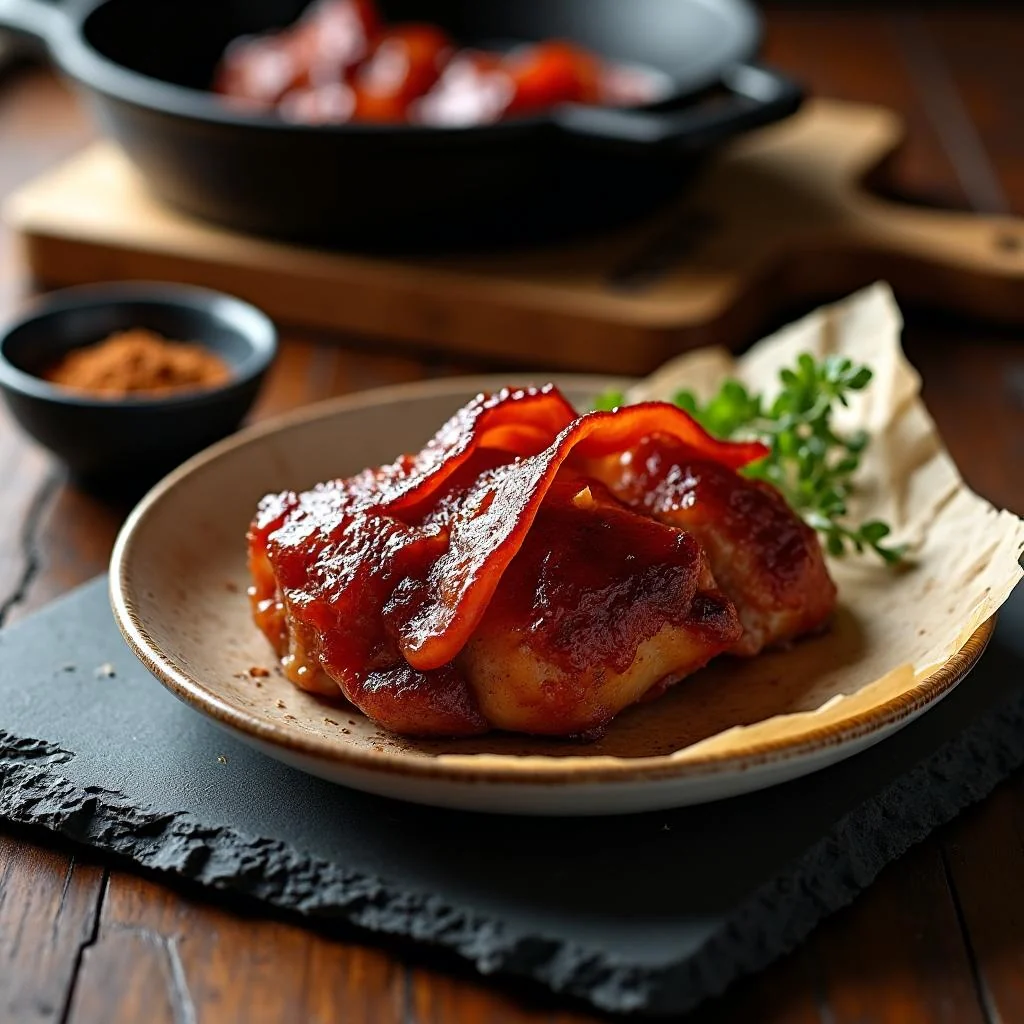
Ingredients
- 2 lbs (900g) pork belly, skin removed
- 1/4 cup (60g) brown sugar
- 2 tbsp (30g) smoked paprika
- 1 tsp (5g) ground cumin
- 1 tsp (5g) garlic powder
- 1 tsp (5g) salt
- 1/2 tsp (2g) black pepper
- 1 cup (240ml) barbecue sauce
- 1/4 cup (60g) chopped fresh parsley
- 2 tbsp (30g) apple cider vinegar
Instructions
- Preheat your oven to 300°F (150°C). In a small bowl, mix together the brown sugar, smoked paprika, ground cumin, garlic powder, salt, and black pepper.
- Rub the spice mixture all over the pork belly, making sure to coat it evenly. Place the pork belly in a large heavy skillet or Dutch oven, fat side up.
- Cover the skillet or Dutch oven with aluminum foil and transfer it to the preheated oven. Cook the pork belly for 2 hours, or until it reaches an internal temperature of 160°F (71°C).
- After 2 hours, remove the foil and continue cooking the pork belly for an additional 30 minutes, or until it reaches an internal temperature of 180°F (82°C).
- Remove the pork belly from the oven and let it rest for 10-15 minutes. While the pork belly is resting, prepare the barbecue sauce by mixing it with the apple cider vinegar in a small bowl.
- Once the pork belly has rested, use a sharp chef's knife to cut it into 1-inch (2.5cm) cubes. Place the cubes in a large bowl and toss them with the barbecue sauce mixture until they're evenly coated.
- Return the pork belly cubes to the skillet or Dutch oven and cook them over medium-high heat, stirring occasionally, until they're crispy and caramelized on the outside. This should take about 5-7 minutes.
- Remove the pork belly cubes from the skillet or Dutch oven and place them on a cutting board. Let them cool for a few minutes before serving.
- To serve, garnish the pork belly cubes with chopped fresh parsley and serve them with your favorite sides, such as coleslaw or baked beans.
- If you want to get really fancy, you can serve the pork belly cubes on a bun, topped with coleslaw, pickles, and barbecue sauce. This makes for a delicious and satisfying sandwich that's perfect for a crowd.
- Whatever way you choose to serve the pork belly cubes, I'm sure you'll love the rich, satisfying flavor and tender, juicy texture of this dish. So go ahead, get creative, and enjoy!