I was halfway through a chaotic Sunday dinner when the kitchen exploded into a frantic chorus of sizzling pans, burnt garlic, and a lemon that had gone rogue. The aroma of charred garlic and overcooked pasta hit me like a punch, and I realized that even a simple dish could turn into a culinary disaster if you let it. That night, I vowed to create a recipe that would save me from that fate—a dish that is quick, bright, and impossible to mess up. And trust me, this lemon asparagus pasta is that promise, a bright burst of citrus that lifts the humble green vegetable into a star performance.
Imagine the moment the first forkful hits your tongue: the tender asparagus spears, the al dente pasta, the silky lemon butter sauce that coats everything like a velvet curtain, and a sprinkle of toasted pine nuts that crackle under the heat. The kitchen fills with a citrusy perfume that feels like a fresh spring morning, even if it's winter. You hear the gentle sizzle as the garlic meets the oil, a sound that signals the start of something delicious. The texture is a play of crisp and creamy, and the finish is a bright, zesty finish that leaves a lingering citrus aftertaste. The dish is a symphony of flavors that dance across your palate.
What sets this version apart from every other lemon pasta out there is the meticulous layering of flavors and the strategic use of fresh ingredients. I’ve eliminated the common pitfalls—overcooked asparagus, watery sauce, and bland pasta—by timing the cooking stages perfectly and by adding a splash of reserved pasta water to create a silky sauce that clings to each strand. I’ve also introduced a touch of sweetness from peas and a smoky crunch from toasted pine nuts that make each bite a revelation. This is hands down the best version you'll ever make at home because it balances bright citrus with savory depth, and the finishing touch of heavy cream gives it a luxurious mouthfeel.
And here's a teaser: the secret to that velvety sauce is not just the lemon but the reserved pasta water and a splash of heavy cream, which together create a silky, cohesive coating. I dare you to taste this and not go back for seconds. The next section will break down every component and why it matters, so you can replicate the magic with confidence.
What Makes This Version Stand Out
- Flavor: The bright citrus notes from lemon zest and juice lift the dish, creating a refreshing contrast to the earthy asparagus.
- Texture: The pasta remains al dente while the asparagus stays crisp-tender, and the sauce’s silkiness comes from reserved pasta water and cream.
- Balance: Sweet peas and smoky pine nuts add layers of flavor that prevent the lemon from overpowering the dish.
- Speed: The entire process takes less than 45 minutes, making it a perfect weeknight meal.
- Versatility: Add grilled chicken, shrimp, or chickpeas for protein, or swap pasta for zucchini noodles for a low-carb option.
- Make‑ahead: The sauce can be prepped ahead, and the pasta can be reheated with a splash of water to restore its silkiness.
- Presentation: The vibrant green asparagus and golden sauce make this dish a visual feast, ideal for impressing guests.
Alright, let's break down exactly what goes into this masterpiece...
Inside the Ingredient List
The Flavor Base
Olive oil or butter is the foundation that carries the aromatic garlic and lemon zest. It also creates a silky canvas for the sauce, allowing the flavors to meld together. Skipping this step will leave the dish flat and unremarkable. If you’re watching calories, choose extra‑virgin olive oil for a lighter, fresher profile.
Garlic is the soul of this dish; its sharpness brightens the lemon and adds depth. Crush the cloves to release maximum flavor before sautéing. If you prefer a milder taste, you can reduce the amount to two cloves, but the dish will lose a bit of its punch.
Zest of a lemon is crucial for that bright, citrusy aroma that wakes up your senses. Use a microplane to avoid the bitter pith. If you don’t have fresh lemons, a tablespoon of lemon zest powder can work as a last resort.
The Texture Crew
Asparagus provides a satisfying crunch and a green pop of color. Trim the woody ends and cut into bite‑sized spears to ensure even cooking. If you’re short on time, pre‑sliced asparagus from the grocery store works fine.
Pasta is the carrier of the sauce and the heart of the dish. Choose a shape that holds sauce well, such as fettuccine or linguine. If you prefer a lighter bite, opt for whole‑wheat pasta for added fiber.
Peas add a burst of sweetness and a pop of color that balances the lemon’s acidity. Fresh peas are best, but frozen peas thaw quickly and keep the dish on schedule.
The Unexpected Star
Crushed red pepper flakes give the dish a subtle heat that contrasts with the lemon’s brightness. A pinch is enough; too much will overpower the delicate flavors. If you’re not a fan of heat, simply omit this ingredient.
Toasted pine nuts introduce a nutty crunch and a buttery aroma that elevates the sauce. Toast them in a dry pan until golden, then set aside. They also add a subtle nutty sweetness that complements the peas.
The Final Flourish
Heavy cream brings richness and a silky mouthfeel to the sauce, balancing the acidity of the lemon. Use a light cream for a lower fat option. If you want to keep it dairy‑free, substitute with coconut cream for a tropical twist.
Parmesan cheese adds umami and a salty kick that rounds out the dish. Grate it fresh for the best flavor, and sprinkle it generously over the finished pasta.
Italian seasoning or fresh basil/parsley adds herbaceous freshness that ties all the flavors together. Fresh herbs are best, but dried herbs work if you’re in a hurry. Adjust the amount to taste.
Everything's prepped? Good. Let's get into the real action...
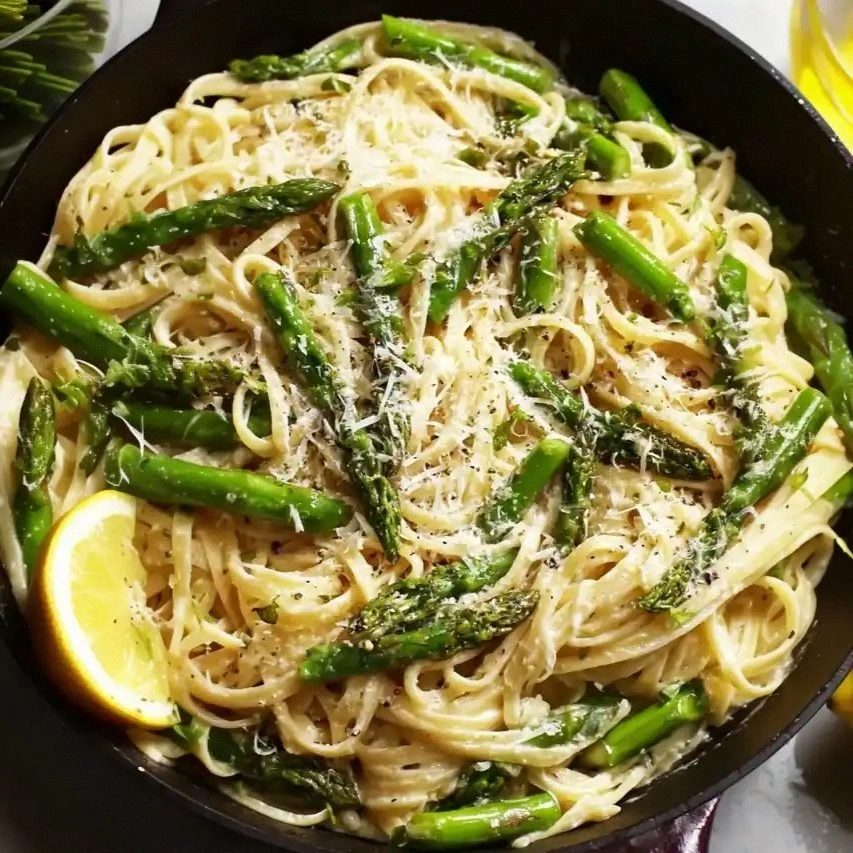
The Method — Step by Step
- Bring a large pot of salted water to a rolling boil. Add the pasta and cook until just al dente, about 8 minutes. Reserve a cup of pasta water before draining. This water is essential for the sauce’s silkiness.
- While the pasta cooks, heat a large skillet over medium heat. Add the olive oil or butter, letting it swirl until shimmering. This creates a fragrant base for the garlic and asparagus.
- Add the minced garlic and sauté until fragrant. The aroma should be sweet and nutty, not burnt. This step is crucial; over‑sautéing will produce bitterness.
- Introduce the asparagus spears and cook until they start to soften. Stir frequently; the asparagus should remain crisp-tender. Add a splash of reserved pasta water to keep the mixture moist.
- Stir in the lemon zest, crushed red pepper flakes, and peas. Cook for another minute, letting the flavors mingle. The peas should still be bright green and slightly firm.
- Pour in the lemon juice, heavy cream, and reserved pasta water. Stir until the sauce thickens slightly. This mixture should coat the pasta like velvet.
- Return the drained pasta to the skillet. Toss everything together, ensuring every strand is coated. Sprinkle with grated Parmesan, toasted pine nuts, and fresh herbs. Serve immediately, garnishing with extra lemon zest if desired.
That's it — you did it. But hold on, I've got a few more tricks that'll take this to another level...
Insider Tricks for Flawless Results
The Temperature Rule Nobody Follows
Cooking the pasta at a rolling boil and then letting it finish in the skillet ensures even heat distribution. If you lower the heat too early, the pasta will become mushy. Keep the skillet hot enough to keep the sauce from thickening too quickly.
Why Your Nose Knows Best
Smell the sauce as it simmers; it should be fragrant and citrusy. If the scent fades, add a splash of lemon juice to re‑ignite the brightness. Your nose is the ultimate judge of freshness.
The 5‑Minute Rest That Changes Everything
Let the pasta rest for five minutes after draining. This allows the starches to settle and the sauce to thicken slightly. The result is a more cohesive bite.
Peas: The Sweet Surprise
Add peas in the last minute of cooking to keep them bright and crunchy. If you add them too early, they’ll become mushy and lose their sweet flavor.
Crunch Factor with Pine Nuts
Toast pine nuts until golden but not burnt. They should crackle when you stir them into the sauce. The crunch adds a satisfying texture contrast.
Fresh Herbs for the Final Touch
Finish with fresh basil or parsley for a burst of green. The herbs should be added just before serving to preserve their bright flavor. A handful of chopped herbs makes the dish feel fresh and vibrant.
Creative Twists and Variations
This recipe is a playground. Here are some of my favorite ways to switch things up:
Grilled Chicken Power
Swap the peas for grilled chicken slices. The smoky flavor pairs beautifully with the lemon. Serve with a side of roasted sweet potatoes for a balanced meal.
Seafood Splash
Replace the chicken with shrimp for a quick seafood twist. Sauté the shrimp with garlic first, then add the asparagus. The shrimp’s natural sweetness complements the citrus.
Veggie‑Only Delight
Omit all proteins and double the peas. Add a handful of chopped spinach for extra greens. This version is perfect for a light, vegetarian dinner.
Low‑Carb Zoodles
Swap pasta for zucchini noodles. The texture is similar, and the dish stays low‑carb. Use a spiralizer for the best results.
Nutty Parmesan Crunch
Add extra toasted pine nuts and a drizzle of truffle oil for a decadent twist. The nutty crunch and earthy aroma elevate the dish to gourmet status.
Spicy Thai Twist
Replace the crushed red pepper flakes with Thai red curry paste. Add a splash of coconut milk for creaminess. Garnish with fresh cilantro for a fresh, aromatic finish.
Storing and Bringing It Back to Life
Fridge Storage
Store leftover pasta in an airtight container for up to 3 days. Keep the sauce separate until you’re ready to reheat. This prevents the pasta from absorbing excess liquid and becoming mushy.
Freezer Friendly
Freeze the sauce and pasta separately in freezer bags for up to 2 months. When reheating, thaw overnight in the fridge. Reheat on the stove with a splash of water to restore the sauce’s silkiness.
Best Reheating Method
Reheat on low heat, stirring frequently. Add a small splash of reserved pasta water or a little milk to loosen the sauce. The dish should be warm and silky, not dry.