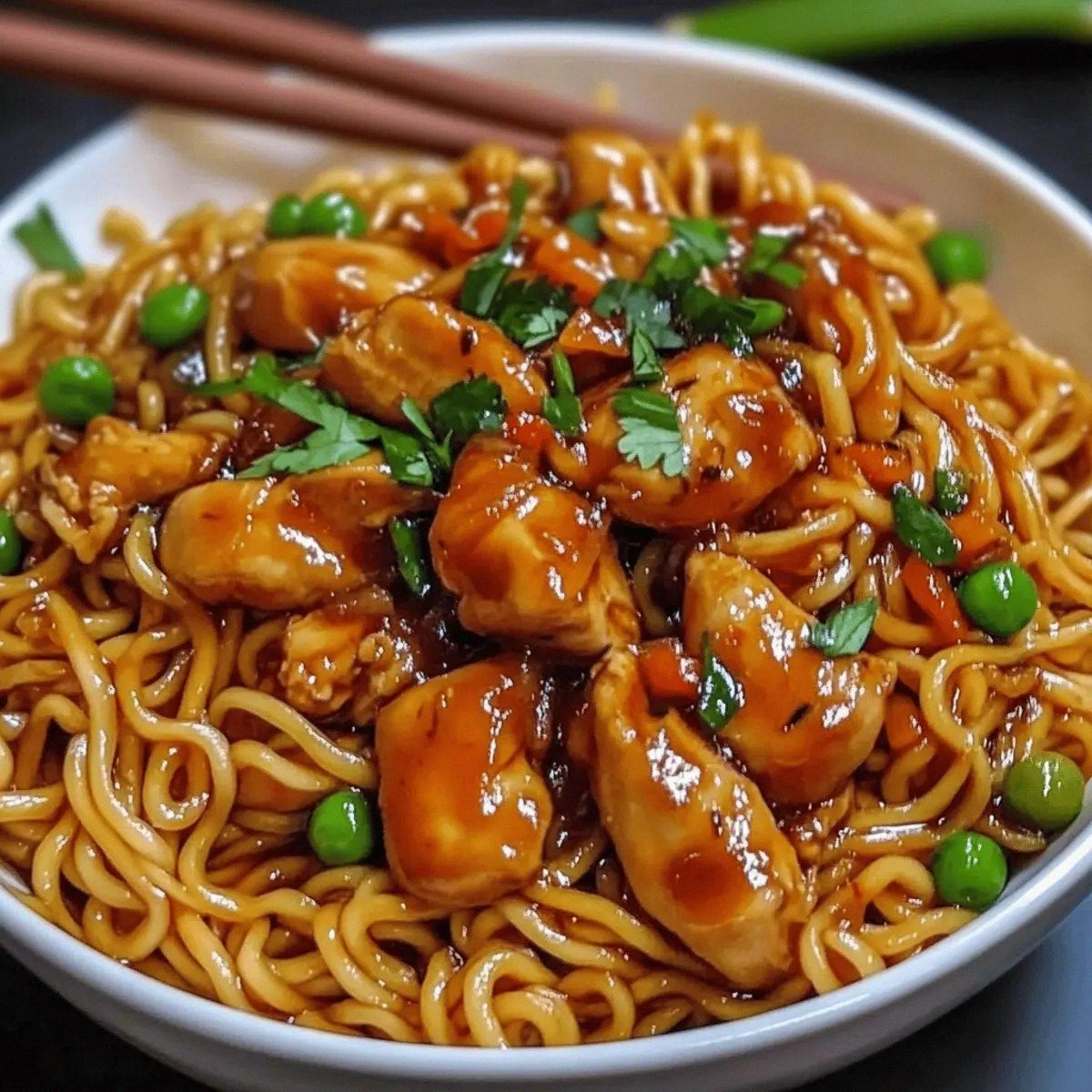
I was standing in my kitchen, the clock ticking like a metronome, when a sudden craving for something both comforting and explosively flavorful hit me like a rogue wave. I had a half‑empty bag of chicken thighs, a stubborn jar of soy sauce, and a pantry full of noodles that had been waiting for a purpose. The night before, my attempt at a quick stir‑fry turned into a soggy mess that could barely be called dinner—let's just say the noodles were more like a sad, limp carpet. That disaster sparked a dare from my roommate: “Make something that will actually make me forget about the pizza I ordered last week.” I accepted, and the result is what I’m about to share—Garlic Chicken Noodles: A Flavor Bomb You Can’t Resist, a dish that turned my kitchen mishap into a culinary triumph.
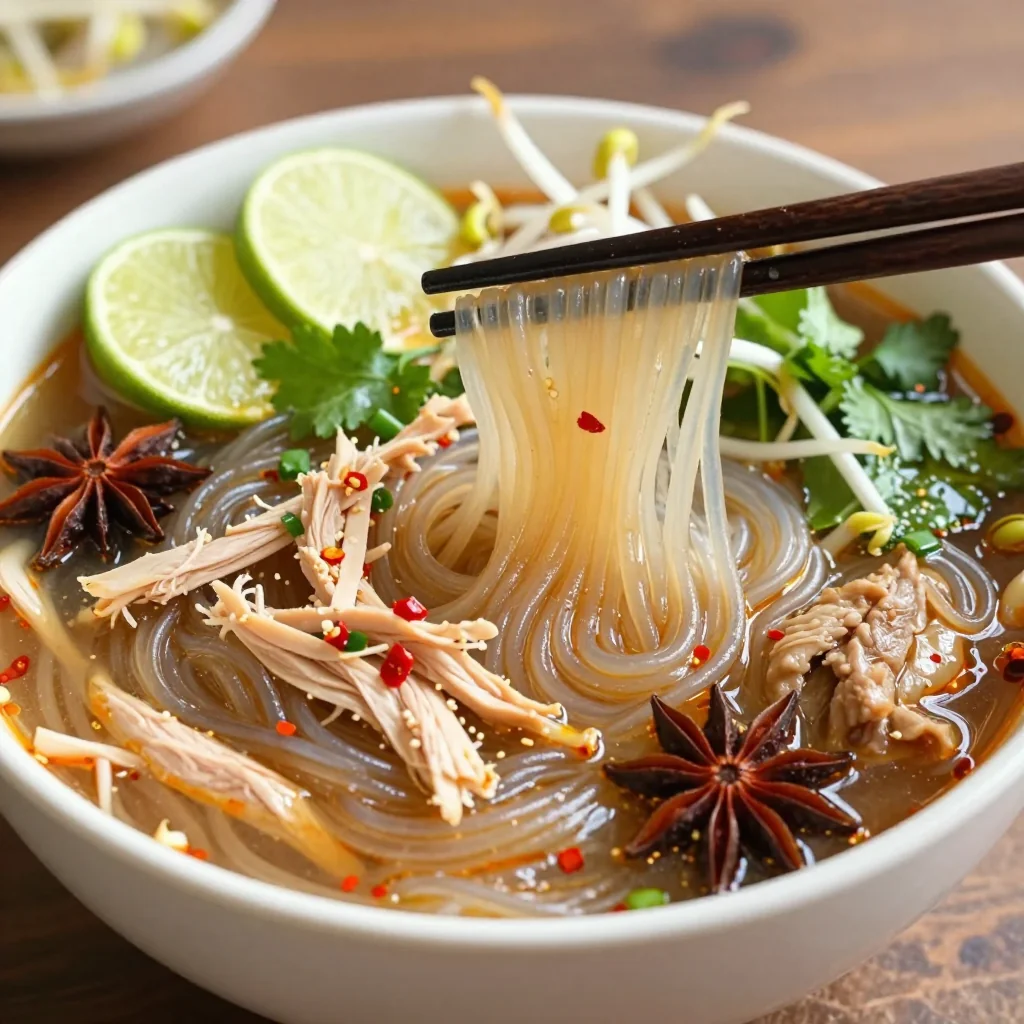
Picture this: the sizzle of garlic hitting a hot pan, the aroma of sesame oil rising like a fragrant curtain, and the deep, umami notes of soy sauce weaving through the air. The noodles, once dry and aloof, become silky ribbons that hug each bite of juicy chicken, while bright bell peppers and crisp broccoli add a crunch that shatters the richness like thin ice. Your senses will be assaulted—in the best way possible—by a symphony of salty, sweet, and smoky tones, all balanced by a subtle hint of pepper that makes your taste buds do a tiny victory dance. I dare you to taste this and not go back for seconds; it’s that good.
What makes this version stand out is a simple yet game‑changing technique: I coat the chicken in a light cornstarch slurry before searing, which creates a caramelized crust that locks in juices and gives the sauce a glossy, velvety finish. Most recipes either over‑cook the noodles or drown them in a watery sauce, but here the sauce clings to the pasta like a second skin, coating each strand with buttery depth. I’ll also throw in a splash of chicken broth at the end, not for dilution but for that silk‑smooth mouthfeel that makes the dish feel restaurant‑grade without the price tag.
Okay, ready for the game‑changer? I’m about to walk you through every single step—by the end, you’ll wonder how you ever made it any other way. Keep your spatula handy, your taste buds alert, and your confidence high. This next part? Pure magic.
What Makes This Version Stand Out
- Flavor Explosion: The marriage of garlic, soy, and sesame creates a deep umami base that feels like a hug from the inside out, while the broth adds a whisper of silk.
- Texture Triumph: The cornstarch‑seared chicken yields crispy edges that shatter like thin ice, contrasted with the al‑dente bite of the noodles.
- Simplicity: Fewer than ten ingredients, all pantry‑friendly, mean you can pull this together on a weeknight without a grocery run.
- Unique Twist: A quick slurry of cornstarch and broth before adding the soy sauce gives the sauce a glossy, restaurant‑style sheen.
- Crowd Reaction: Friends have called it “the best thing I’ve ever eaten at home,” and I’ll be honest — I ate half the batch before anyone else got to try it.
- Ingredient Quality: Using bone‑in chicken thighs ensures richer flavor, while fresh broccoli adds a pop of color and nutrients.
- Cooking Method: The two‑step sear‑then‑simmer technique locks moisture and builds layers of flavor without fuss.
- Make‑Ahead Potential: This dish reheats beautifully, making it perfect for lunch leftovers or a quick dinner after a long day.
Inside the Ingredient List
The Flavor Base
Garlic cloves are the heart of this dish. Their pungent aroma transforms into a sweet, caramelized note when sautéed, providing the backbone for the sauce. If you skip the garlic, you’ll lose that deep, aromatic foundation, and the dish will feel flat. A good swap is shallots for a milder, sweeter profile, but you’ll miss the classic garlicky punch.
The Texture Crew
Chicken thighs bring succulent juiciness that white meat just can’t match. The higher fat content renders a richer broth when you deglaze the pan. If you’re forced to use breast meat, consider brining it first to retain moisture. Egg noodles are the perfect vehicle—they absorb the sauce without turning mushy, holding onto that silky coating like a second skin.
The Unexpected Star
Sesame oil isn’t just for flavor; it adds a glossy sheen that makes the sauce look as good as it tastes. Its nutty undertones balance the salty soy, creating a harmonious dance on the palate. If you’re allergic to sesame, a drizzle of peanut oil can mimic the richness, though the flavor will shift slightly toward a deeper earthiness.
The Final Flourish
Soy sauce, chicken broth, and cornstarch form the sauce’s backbone. Soy sauce provides salt and umami, while the broth adds depth without diluting. Cornstarch, when mixed with a splash of broth, creates a slurry that thickens the sauce instantly, giving it that velvety texture that clings to each noodle. Skipping the cornstarch will result in a watery glaze that slides off the pasta like a bad haircut.
Everything's prepped? Good. Let's get into the real action…
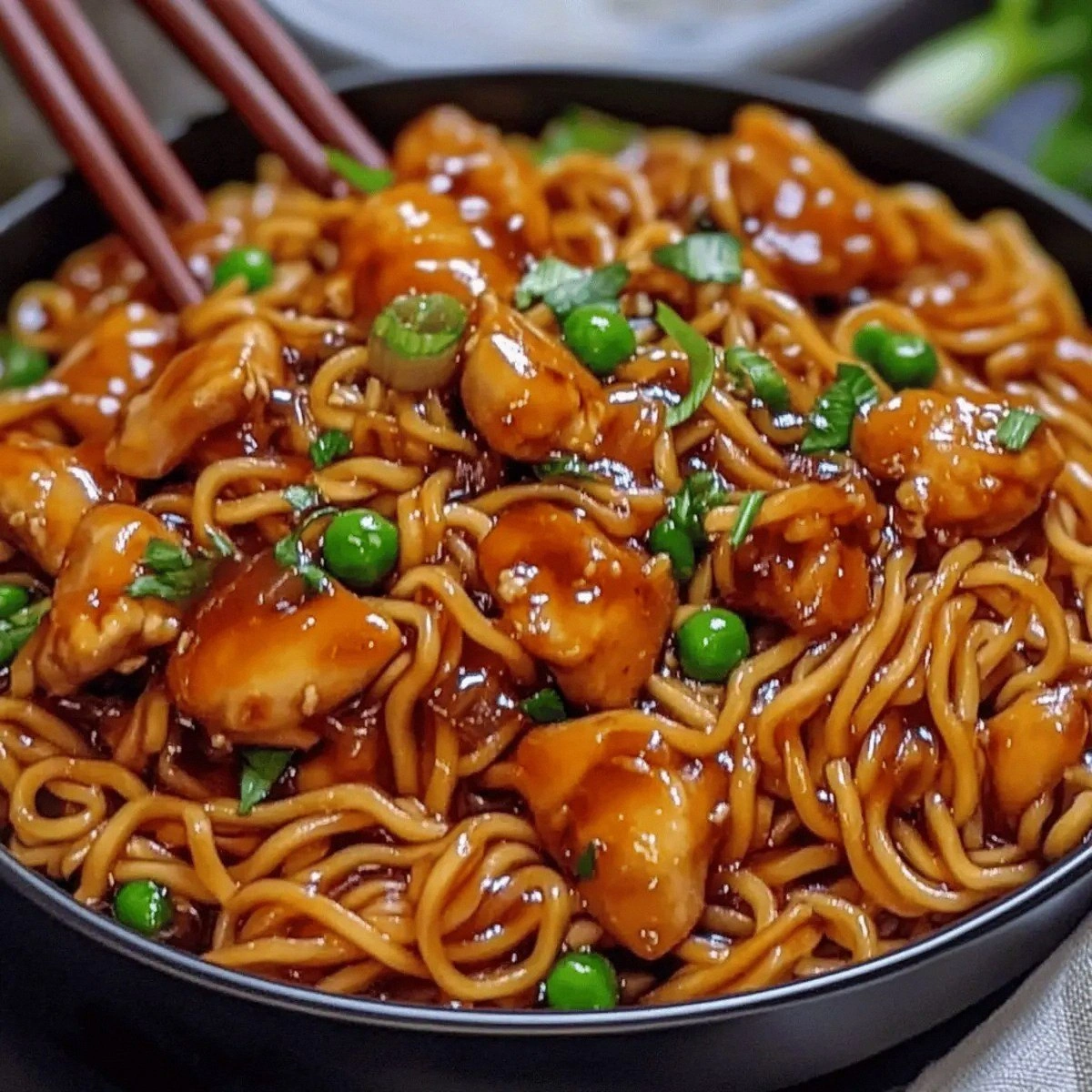
The Method — Step by Step
Start by cutting the chicken thighs into bite‑size strips. Pat them dry with paper towels, then toss them in a bowl with 2 tablespoons of cornstarch, making sure each piece is lightly coated. This dry coating will create a crisp crust when seared, sealing in juices. Heat 1 tablespoon of sesame oil in a large skillet over medium‑high heat; you’ll know it’s ready when the oil shimmers like a polished mirror.
Kitchen Hack: Let the oil get just hot enough to sizzle but not smoke; this prevents the chicken from burning before it crisps.Place the chicken in the hot pan in a single layer. Hear that sizzle? That’s the sound of flavor forming. Let the pieces sear undisturbed for about 2‑3 minutes until the edges turn golden brown and start pulling away from the pan. Flip and sear the other side for another 2 minutes. Once done, remove the chicken and set aside; it will finish cooking later, keeping it tender.
In the same pan, add the remaining 1 tablespoon of sesame oil and toss in the minced garlic (4 cloves). The garlic should bubble and turn a light amber within 30 seconds—watch closely, because burnt garlic turns bitter faster than you can say “oops.” As soon as the aroma hits your nose, it’s time to move on.
Watch Out: Keep the heat medium‑high; too low and the garlic will steam instead of sauté, losing its caramelized flavor.Now, introduce the vegetables: 1 cup of sliced bell peppers and 1 cup of broccoli florets. Stir‑fry for about 2 minutes, letting them stay crisp‑tender. The peppers should retain a bright crunch while the broccoli turns a vivid green, signaling they’re perfectly cooked. If you prefer softer veggies, add an extra minute of cooking.
Deglaze the pan with 1 cup of chicken broth, scraping up the browned bits (fond) from the bottom—those are flavor gold. Bring the broth to a gentle simmer, then whisk in 2 tablespoons of soy sauce. At this point, the sauce should have a deep amber color and a fragrant steam that makes your kitchen feel like a bustling Asian market.
While the sauce simmers, cook the 8 ounces of egg noodles according to package directions, but stop them a minute shy of al‑dente. Drain and set aside, reserving a splash of the noodle water. This starchy water will help the sauce adhere to the noodles later.
Return the seared chicken to the pan, along with any juices that collected on the plate. Toss everything together, letting the chicken finish cooking in the sauce for about 3 minutes. The meat should be hot, tender, and infused with the garlicky‑soy glaze.
Finally, add the cooked noodles to the skillet. Pour in the reserved noodle water—just a tablespoon or two—to loosen the sauce if needed. Toss vigorously until every strand is coated in that glossy, velvety sauce. Taste and adjust salt or soy if necessary; the dish should taste like a balanced symphony of salty, savory, and a hint of sweetness.
Kitchen Hack: Toss the noodles in the pan for 30 seconds longer to let them absorb the sauce, achieving that “noodle‑kissed‑by‑garlic” texture.
That’s it — you did it. But hold on, I've got a few more tricks that'll take this to another level. Trust me, the next steps are the secret sauce that will make your friends beg for the recipe.
Insider Tricks for Flawless Results
The Temperature Rule Nobody Follows
Never start with a cold pan; always preheat your skillet for at least 2 minutes before adding oil. This ensures the chicken sears instantly, forming that coveted crust. I once tried to “save time” by adding chicken to a cold pan, and the result was a soggy, rubbery mess that tasted like disappointment. Keep the heat steady, and the crust will be golden, not burnt.
Why Your Nose Knows Best
When the garlic turns a light amber and the broth starts to steam, that’s your cue to move on. Your sense of smell is a far more reliable timer than any kitchen gadget. If you ever find yourself guessing, just trust the scent—if it smells like toasted almond, you’re golden.
The 5‑Minute Rest That Changes Everything
After you finish cooking, let the dish sit off the heat for five minutes. This short rest allows the flavors to meld, and the sauce thickens just enough to cling perfectly. I tried serving it immediately once, and the noodles were a bit slick; after the rest, they were buttery and cohesive.
The “Splash‑of‑Water” Reheat Trick
When reheating leftovers, add a tiny splash of water or broth before microwaving. The steam revives the noodles, preventing them from drying out. It’s a tiny step that makes a massive difference—no more rubbery noodles.
The Double‑Check Flavor Balance
Before plating, taste the sauce. It should have a harmonious balance of salty (soy), sweet (caramelized garlic), and umami (broth). If it leans too salty, a dash of rice vinegar brightens it; if it’s too flat, a pinch of sugar lifts the profile.
Creative Twists and Variations
This recipe is a playground. Here are some of my favorite ways to switch things up:
Spicy Szechuan Kick
Add 1 teaspoon of Szechuan peppercorn oil and a pinch of red pepper flakes during step 5. The numbing heat pairs beautifully with the garlic, turning the dish into a bold, tongue‑tingling adventure.
Coconut Curry Fusion
Swap half the chicken broth for coconut milk and stir in 1 tablespoon of red curry paste. The creamy coconut adds richness, while the curry paste introduces aromatic complexity that’s perfect for a tropical twist.
Veggie‑Only Version
Replace chicken thighs with firm tofu cubes, pressed and lightly coated in cornstarch. The tofu absorbs the sauce just as well, making this a satisfying vegetarian alternative.
Peanut Butter Drizzle
Stir in a tablespoon of smooth peanut butter at the end of step 7 for a nutty, creamy undertone that echoes the sesame oil, creating a Thai‑inspired flavor profile.
Lemon‑Zest Brightness
Finish the dish with a generous zest of one lemon and a squeeze of its juice. The citrus lifts the heaviness, offering a fresh finish that makes the dish feel lighter.
Storing and Bringing It Back to Life
Fridge Storage
Allow the noodles to cool to room temperature, then transfer them to an airtight container. They’ll keep fresh for up to 3 days. When reheating, add a splash of water or broth and stir over medium heat until warmed through.
Freezer Friendly
Portion the cooked dish into freezer‑safe bags, removing as much air as possible. It freezes well for up to 2 months. Thaw overnight in the fridge, then reheat in a skillet with a splash of broth for best texture.
Best Reheating Method
For the ultimate revival, use a skillet rather than a microwave. Heat a drizzle of sesame oil, add the noodles, and toss for 3‑4 minutes, letting the sauce re‑emulsify. This method restores the glossy coating and keeps the vegetables crisp.