
Beef And Pork Ribs
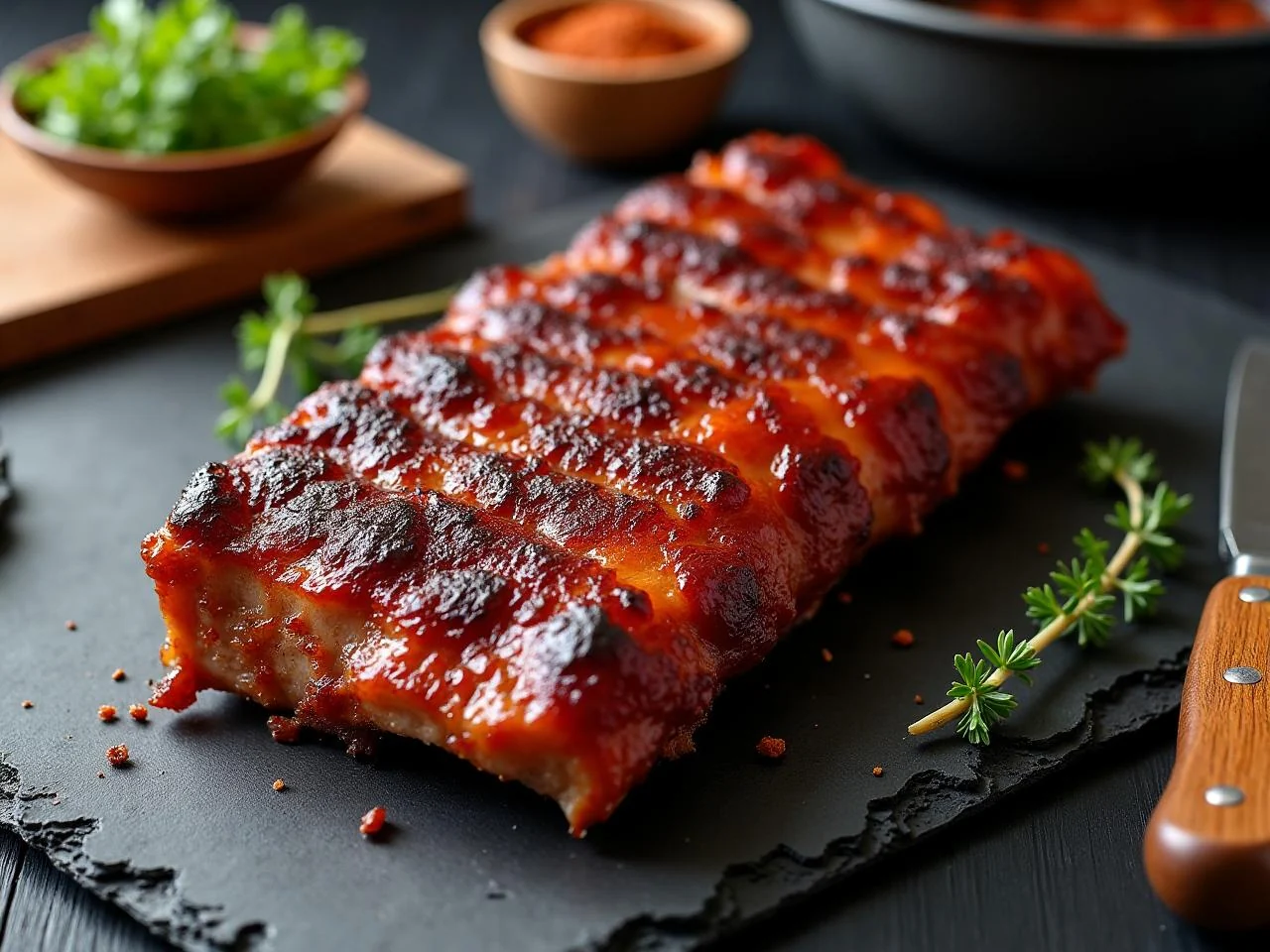
I still remember the first time I had Beef And Pork Ribs at a family gathering. The combination of tender beef and pork, smothered in a rich, tangy barbecue sauce, was love at first bite. Since then, I've been perfecting my own recipe, and I'm excited to share it with you.
This recipe is special because it's easy to make and requires minimal ingredients. The key to tender ribs is to cook them low and slow, which breaks down the collagen and makes them fall-off-the-bone tender. I've also added some crispy bacon to give it a smoky flavor.
This recipe is perfect for a weekend dinner or a special occasion. It's also a great dish to make for a crowd, as it's easy to scale up or down depending on the number of guests. Whether you're a beginner or an experienced cook, this recipe is sure to impress.
One of the things I love about this recipe is that it's incredibly versatile. You can serve it with a variety of sides, from classic coleslaw to roasted vegetables. And, of course, no meal is complete without a refreshing drink to wash it all down.
In this recipe, I'll guide you through the process of making Beef And Pork Ribs from scratch. From preparing the ingredients to cooking the ribs to perfection, I'll share my tips and tricks to ensure that your dish turns out delicious and tender.
Why You’ll Love This Recipe
- This recipe is easy to make and requires minimal ingredients.
- The combination of beef and pork ribs creates a rich and complex flavor profile.
- The addition of bacon adds a smoky flavor that complements the beef and pork perfectly.
- The recipe is perfect for a weekend dinner or a special occasion.
- The dish is incredibly versatile and can be served with a variety of sides.
- The recipe is easy to scale up or down depending on the number of guests.
- The use of a thermometer ensures that the ribs are cooked to a safe internal temperature.
Why This Recipe Works
The key to this recipe is the low and slow cooking method, which breaks down the collagen in the ribs and makes them tender. The addition of bacon also adds a smoky flavor that complements the beef and pork perfectly.
Another important aspect of this recipe is the balance of flavors. The barbecue sauce adds a tangy and sweet flavor, while the bacon adds a smoky and savory flavor. The combination of these flavors creates a rich and complex taste experience that's sure to impress.
The cooking technique used in this recipe is also important. By cooking the ribs low and slow, we can ensure that they're tender and fall-off-the-bone. The use of a thermometer also ensures that the ribs are cooked to a safe internal temperature, which is essential for food safety.
Ingredients You’ll Need
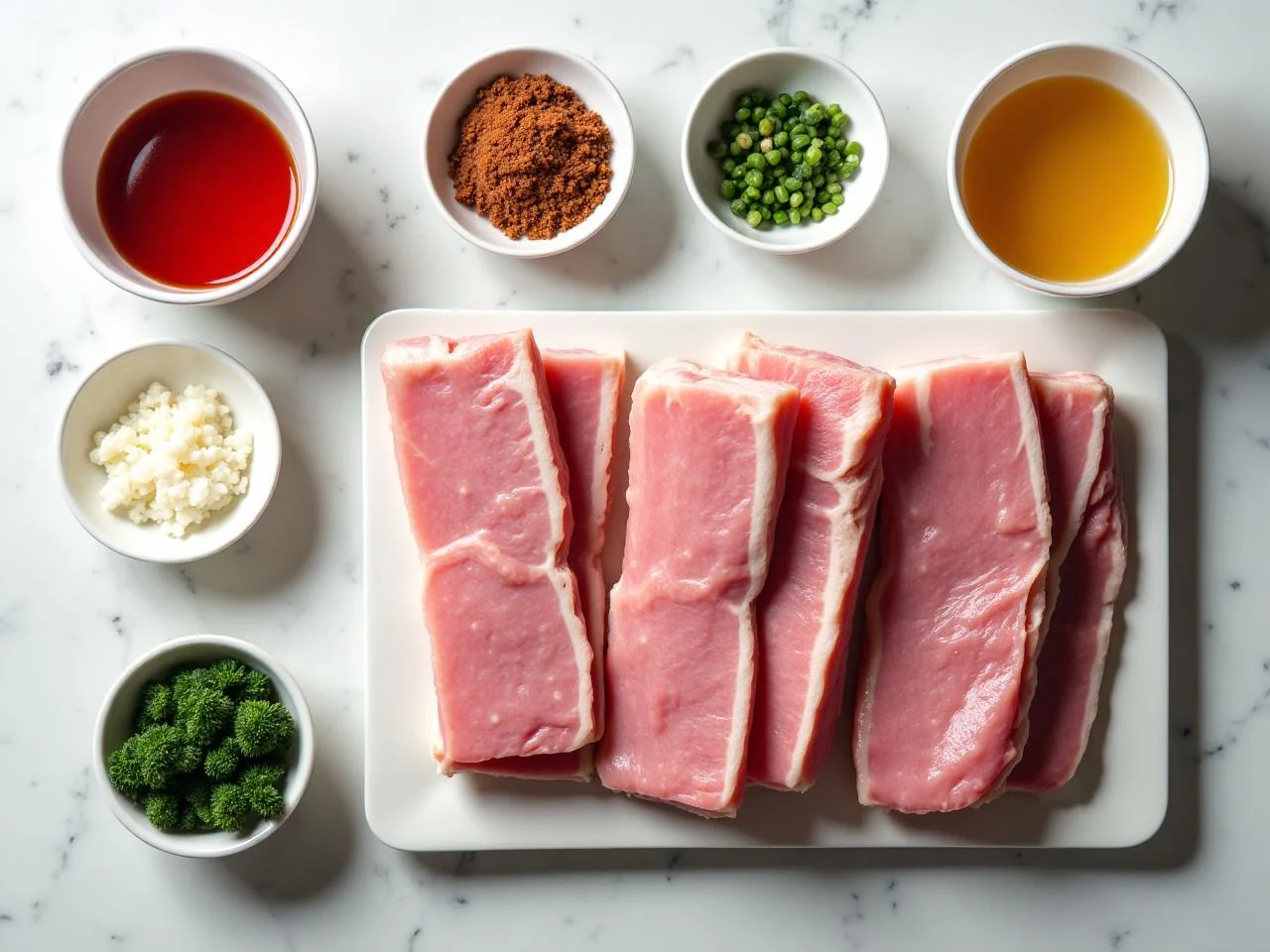
To make this recipe, you'll need a few key ingredients, including beef and pork ribs, bacon, barbecue sauce, and a variety of spices. When shopping for ribs, look for ones that are meaty and have a good balance of fat and lean meat. You'll also want to choose a high-quality bacon that's smoked and has a good balance of flavor and texture.
One of the most important ingredients in this recipe is the barbecue sauce. Look for a sauce that's tangy and sweet, with a good balance of flavor and texture. You can also make your own barbecue sauce from scratch using a variety of ingredients, including ketchup, brown sugar, and spices.
- 2 lbs (900g) beef ribsLook for ribs that are meaty and have a good balance of fat and lean meat. You can also use pork ribs or a combination of both.
- 1 lb (450g) pork ribsPork ribs are typically more tender than beef ribs and have a milder flavor. You can also use baby back ribs or spare ribs.
- 6 slices of baconLook for bacon that's smoked and has a good balance of flavor and texture. You can also use thick-cut bacon or regular bacon.
- 1 cup (250ml) barbecue sauceLook for a sauce that's tangy and sweet, with a good balance of flavor and texture. You can also make your own barbecue sauce from scratch using a variety of ingredients.
- 2 tbsp (30g) brown sugarBrown sugar adds a rich and caramel-like flavor to the ribs. You can also use white sugar or honey.
- 1 tsp (5g) smoked paprikaSmoked paprika adds a smoky and savory flavor to the ribs. You can also use regular paprika or chipotle powder.
- 1 tsp (5g) garlic powderGarlic powder adds a savory and aromatic flavor to the ribs. You can also use minced garlic or garlic salt.
- 1 tsp (5g) saltSalt enhances the flavor of the ribs and helps to balance the sweetness of the barbecue sauce. You can also use kosher salt or sea salt.
- 1/2 tsp (2g) black pepperBlack pepper adds a sharp and peppery flavor to the ribs. You can also use white pepper or cayenne pepper.
- 1/4 cup (60g) chopped fresh parsleyFresh parsley adds a fresh and herbaceous flavor to the ribs. You can also use chopped fresh cilantro or scallions.
Equipment You’ll Need
How to Make Beef And Pork Ribs
- 1Preheat your oven to 300°F (150°C). While the oven is heating up, prepare the ribs by removing the membrane from the back of the ribs. This will help the ribs cook more evenly and prevent them from becoming tough.
- 2In a small bowl, mix together the brown sugar, smoked paprika, garlic powder, salt, and black pepper. This dry rub will add a rich and complex flavor to the ribs.
- 3Apply the dry rub to the ribs, making sure to coat them evenly. You can also let the ribs sit for 30 minutes to an hour to allow the seasonings to penetrate the meat.
- 4Heat a large skillet or Dutch oven over medium heat. Add the bacon and cook until it's crispy, about 6-8 minutes. Remove the bacon from the skillet and set it aside on a paper towel-lined plate.
- 5Add the ribs to the skillet and sear them until they're browned on all sides, about 5-7 minutes per side. This will help create a crispy crust on the ribs and add texture to the dish.
- 6Transfer the ribs to a baking sheet lined with aluminum foil. Brush the ribs with the barbecue sauce and cover them with foil. This will help the ribs cook evenly and prevent them from drying out.
- 7Bake the ribs in the preheated oven for 2-3 hours, or until they're tender and fall-off-the-bone. You can check the ribs for doneness by inserting a thermometer into the thickest part of the meat. The internal temperature should be at least 160°F (71°C).
- 8While the ribs are cooking, prepare the parsley by chopping it finely. You can also use other herbs like cilantro or scallions.
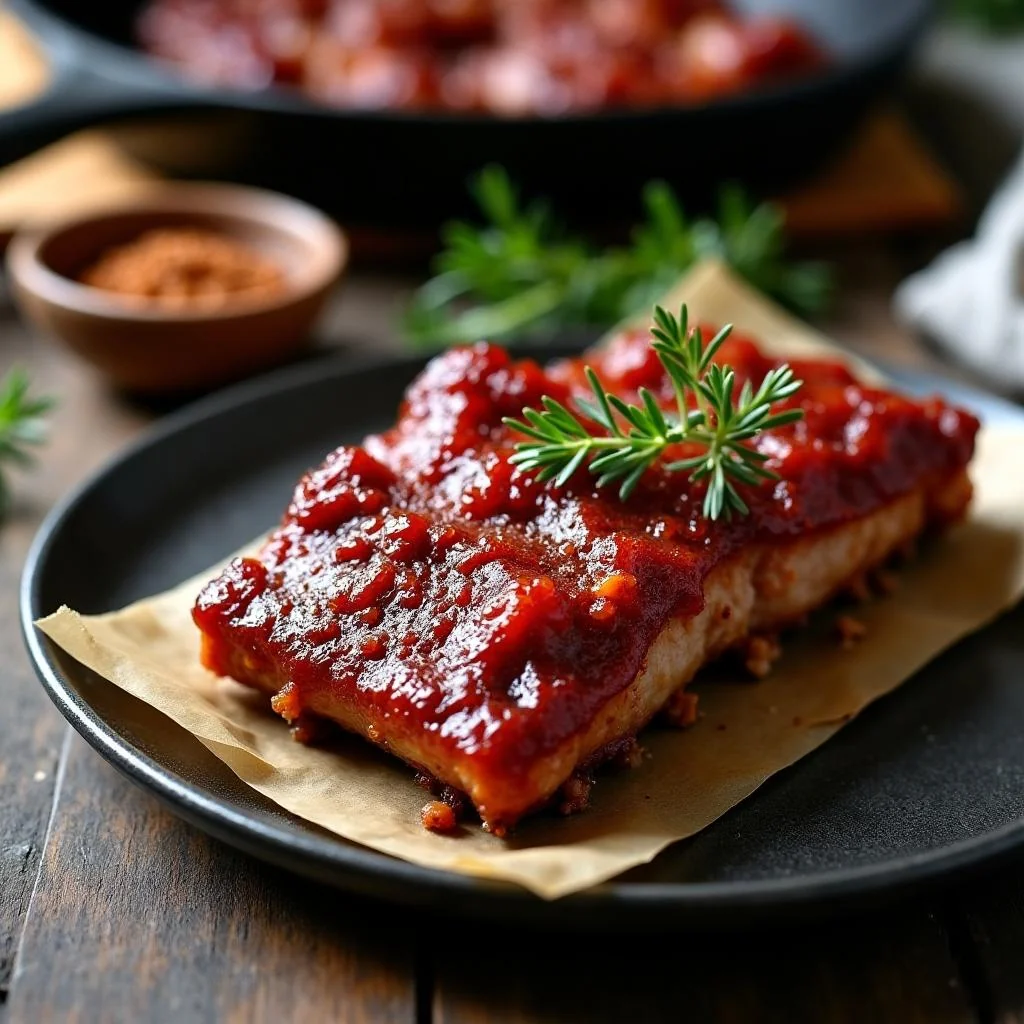
- 9After the ribs have cooked for 2 hours, remove the foil and brush them with the barbecue sauce again. This will help the ribs develop a sticky and caramelized crust.
- 10Return the ribs to the oven and cook for an additional 10-15 minutes, or until they're caramelized and sticky. You can check the ribs for doneness by inserting a thermometer into the thickest part of the meat. The internal temperature should be at least 160°F (71°C).
- 11Remove the ribs from the oven and let them rest for 10-15 minutes. This will help the juices redistribute and the meat to relax.
- 12Slice the ribs into individual portions and serve with the chopped parsley and crispy bacon. You can also serve the ribs with a variety of sides, such as coleslaw, baked beans, or cornbread.
Expert Tips
- Make sure to remove the membrane from the back of the ribs to help them cook more evenly.
- Use a thermometer to check the internal temperature of the ribs. This will ensure that they're cooked to a safe temperature.
- Don't overcrowd the skillet when searing the ribs. This can cause the ribs to steam instead of sear, resulting in a tough and chewy texture.
- Let the ribs rest for 10-15 minutes before slicing them. This will help the juices redistribute and the meat to relax.
- Use a variety of sides to complement the ribs. This can include coleslaw, baked beans, cornbread, and other classic barbecue sides.
- Experiment with different types of barbecue sauce to find the one that you like best. You can also make your own barbecue sauce from scratch using a variety of ingredients.
- Consider using a slow cooker to cook the ribs. This can help to tenderize the meat and add flavor to the dish.
- Don't be afraid to get creative with the recipe. You can add different spices, herbs, and ingredients to make the dish your own.
Common Mistakes to Avoid
- Not removing the membrane from the back of the ribs. This can cause the ribs to become tough and chewy.
- Overcrowding the skillet when searing the ribs. This can cause the ribs to steam instead of sear, resulting in a tough and chewy texture.
- Not using a thermometer to check the internal temperature of the ribs. This can cause the ribs to be undercooked or overcooked.
- Not letting the ribs rest before slicing them. This can cause the juices to run out of the meat, resulting in a dry and tough texture.
- Not using a variety of sides to complement the ribs. This can cause the dish to become boring and uninteresting.
- Not experimenting with different types of barbecue sauce. This can cause the dish to become bland and uninteresting.
Variations and Substitutions
- Using different types of ribs, such as baby back ribs or spare ribs.
- Adding different spices and herbs to the dry rub, such as cumin or coriander.
- Using different types of barbecue sauce, such as Kansas City-style or Carolina-style.
- Adding other ingredients to the dish, such as onions or bell peppers.
- Using a slow cooker to cook the ribs instead of the oven.
- Serving the ribs with different sides, such as coleslaw or baked beans.
- Experimenting with different types of wood chips or chunks to add smoke flavor to the ribs.
What to Serve With Beef And Pork Ribs
Beef And Pork Ribs are a classic barbecue dish that's perfect for serving with a variety of sides. Some popular options include coleslaw, baked beans, cornbread, and other classic barbecue sides. You can also serve the ribs with a variety of vegetables, such as grilled or roasted vegetables.
One of the best things about Beef And Pork Ribs is that they're incredibly versatile. You can serve them at a casual backyard barbecue or a more formal dinner party. They're also a great dish to make for a crowd, as they're easy to scale up or down depending on the number of guests.
Make-Ahead, Storage, Freezing and Reheating
Beef And Pork Ribs can be stored in the refrigerator for up to 3 days or frozen for up to 2 months. To store the ribs, cool them to room temperature and then wrap them tightly in plastic wrap or aluminum foil. You can also store the ribs in a covered container or zip-top bag.
To reheat the ribs, you can use a variety of methods, including the oven, microwave, or grill. To reheat the ribs in the oven, preheat the oven to 300°F (150°C) and wrap the ribs in foil. Heat the ribs for 10-15 minutes, or until they're heated through.
To reheat the ribs in the microwave, wrap them in a damp paper towel and heat for 30-60 seconds, or until they're heated through. To reheat the ribs on the grill, preheat the grill to medium heat and wrap the ribs in foil. Heat the ribs for 5-10 minutes, or until they're heated through.
It's also important to note that Beef And Pork Ribs can be made ahead of time and refrigerated or frozen until you're ready to serve them. This can be a great time-saver, especially if you're planning a large party or event.
Frequently Asked Questions
What type of ribs is best for this recipe?
You can use either beef or pork ribs for this recipe, or a combination of both. Beef ribs are typically more tender and have a milder flavor, while pork ribs are more flavorful and have a slightly tougher texture.
How do I remove the membrane from the back of the ribs?
To remove the membrane from the back of the ribs, use a paper towel to grip the membrane and pull it away from the bone. This will help the ribs cook more evenly and prevent them from becoming tough.
What type of barbecue sauce is best for this recipe?
You can use any type of barbecue sauce you like for this recipe, including Kansas City-style, Carolina-style, or sweet and tangy. The key is to find a sauce that you enjoy and that complements the flavor of the ribs.
Can I make this recipe in a slow cooker?
Yes, you can make this recipe in a slow cooker. Simply brown the ribs in a skillet and then transfer them to the slow cooker with the barbecue sauce and other ingredients. Cook the ribs on low for 8-10 hours, or until they're tender and fall-off-the-bone.
How do I store leftover ribs?
To store leftover ribs, cool them to room temperature and then wrap them tightly in plastic wrap or aluminum foil. You can store the ribs in the refrigerator for up to 3 days or freeze them for up to 2 months.
Can I reheat the ribs in the microwave?
Yes, you can reheat the ribs in the microwave. Simply wrap the ribs in a damp paper towel and heat for 30-60 seconds, or until they're heated through.
What type of sides are best for serving with Beef And Pork Ribs?
Some popular sides for serving with Beef And Pork Ribs include coleslaw, baked beans, cornbread, and other classic barbecue sides. You can also serve the ribs with a variety of vegetables, such as grilled or roasted vegetables.
Can I make this recipe for a crowd?
Yes, you can make this recipe for a crowd. Simply scale up the ingredients and cook the ribs in batches if necessary. You can also make the ribs ahead of time and refrigerate or freeze them until you're ready to serve them.
Ingredients
- 2 lbs (900g) beef ribs
- 1 lb (450g) pork ribs
- 6 slices of bacon
- 1 cup (250ml) barbecue sauce
- 2 tbsp (30g) brown sugar
- 1 tsp (5g) smoked paprika
- 1 tsp (5g) garlic powder
- 1 tsp (5g) salt
- 1/2 tsp (2g) black pepper
- 1/4 cup (60g) chopped fresh parsley
Instructions
- Preheat your oven to 300°F (150°C). While the oven is heating up, prepare the ribs by removing the membrane from the back of the ribs. This will help the ribs cook more evenly and prevent them from becoming tough.
- In a small bowl, mix together the brown sugar, smoked paprika, garlic powder, salt, and black pepper. This dry rub will add a rich and complex flavor to the ribs.
- Apply the dry rub to the ribs, making sure to coat them evenly. You can also let the ribs sit for 30 minutes to an hour to allow the seasonings to penetrate the meat.
- Heat a large skillet or Dutch oven over medium heat. Add the bacon and cook until it's crispy, about 6-8 minutes. Remove the bacon from the skillet and set it aside on a paper towel-lined plate.
- Add the ribs to the skillet and sear them until they're browned on all sides, about 5-7 minutes per side. This will help create a crispy crust on the ribs and add texture to the dish.
- Transfer the ribs to a baking sheet lined with aluminum foil. Brush the ribs with the barbecue sauce and cover them with foil. This will help the ribs cook evenly and prevent them from drying out.
- Bake the ribs in the preheated oven for 2-3 hours, or until they're tender and fall-off-the-bone. You can check the ribs for doneness by inserting a thermometer into the thickest part of the meat. The internal temperature should be at least 160°F (71°C).
- While the ribs are cooking, prepare the parsley by chopping it finely. You can also use other herbs like cilantro or scallions.
- After the ribs have cooked for 2 hours, remove the foil and brush them with the barbecue sauce again. This will help the ribs develop a sticky and caramelized crust.
- Return the ribs to the oven and cook for an additional 10-15 minutes, or until they're caramelized and sticky. You can check the ribs for doneness by inserting a thermometer into the thickest part of the meat. The internal temperature should be at least 160°F (71°C).
- Remove the ribs from the oven and let them rest for 10-15 minutes. This will help the juices redistribute and the meat to relax.
- Slice the ribs into individual portions and serve with the chopped parsley and crispy bacon. You can also serve the ribs with a variety of sides, such as coleslaw, baked beans, or cornbread.