I was halfway through a frantic weeknight dinner when the kitchen exploded in a way that felt more like a theatrical stunt than a culinary mishap. A forgotten batch of batter had leapt from the mixing bowl, splattering across the counter and leaving a trail of bright yellow and deep red that looked like a crime scene. I stared at the mess, heart racing, and thought, “If this can turn into something edible, I’ll make it a dessert.” That moment sparked a craving for something that could turn a disaster into a triumph, and I decided to chase that dream with a lemon raspberry cake that would outshine any other.
Picture this: the air thick with the sharp, citrus tang of lemon zest, mingling with the sweet, almost tart perfume of fresh raspberries. The kitchen lights cast a warm glow that makes every surface gleam like a polished marble countertop. The batter, a silky mixture of flour, sugar, and butter, swirls in the bowl like a calm sea before a storm. When it hits the oven, the scent transforms into a caramelized aroma that promises a golden crust. The first bite feels like a burst of sunshine, with the lemon brightening the raspberry’s natural sweetness, and the crumby texture offers a gentle, buttery bite that melts in your mouth. It’s a sensory experience that turns an ordinary evening into a celebration.
What makes this version stand out is that it isn’t just about the flavors; it’s about the precision, the subtlety, and the sheer confidence that comes with mastering a recipe. I’ve spent months tweaking the balance of acidity and sweetness, adjusting the moisture level so the cake stays tender yet holds its shape, and incorporating a glaze that adds a glossy finish without masking the fruit’s natural brightness. It’s hands down the best version you’ll ever make at home because I’ve ironed out every little hiccup that other recipes gloss over. From the way the batter folds in the raspberries to the final swirl of lemon glaze, each element is engineered to deliver an unforgettable dessert.
And the kicker? There’s a secret ingredient that most people skip—a splash of cold water in the glaze that keeps the raspberry from becoming too sticky, and a trick to fold the berries in that preserves their shape. I dare you to taste this and not go back for seconds. Picture yourself pulling this out of the oven, the whole kitchen smelling incredible, and feeling that triumphant rush of having turned a kitchen mishap into a masterpiece. Okay, ready for the game‑changer? Let me walk you through every single step — by the end, you’ll wonder how you ever made it any other way.
What Makes This Version Stand Out
- Flavor Harmony: The citrus zing of lemon perfectly balances the natural tartness of raspberries, creating a layered taste that dances on the palate. The subtle sweetness of the glaze amplifies the fruit’s bright notes without overwhelming them.
- Texture Mastery: The batter’s ratio of flour to butter yields a moist crumb that holds its shape, while the gentle folding of berries preserves their integrity. The glaze’s glossy finish adds a silky mouthfeel that feels indulgent.
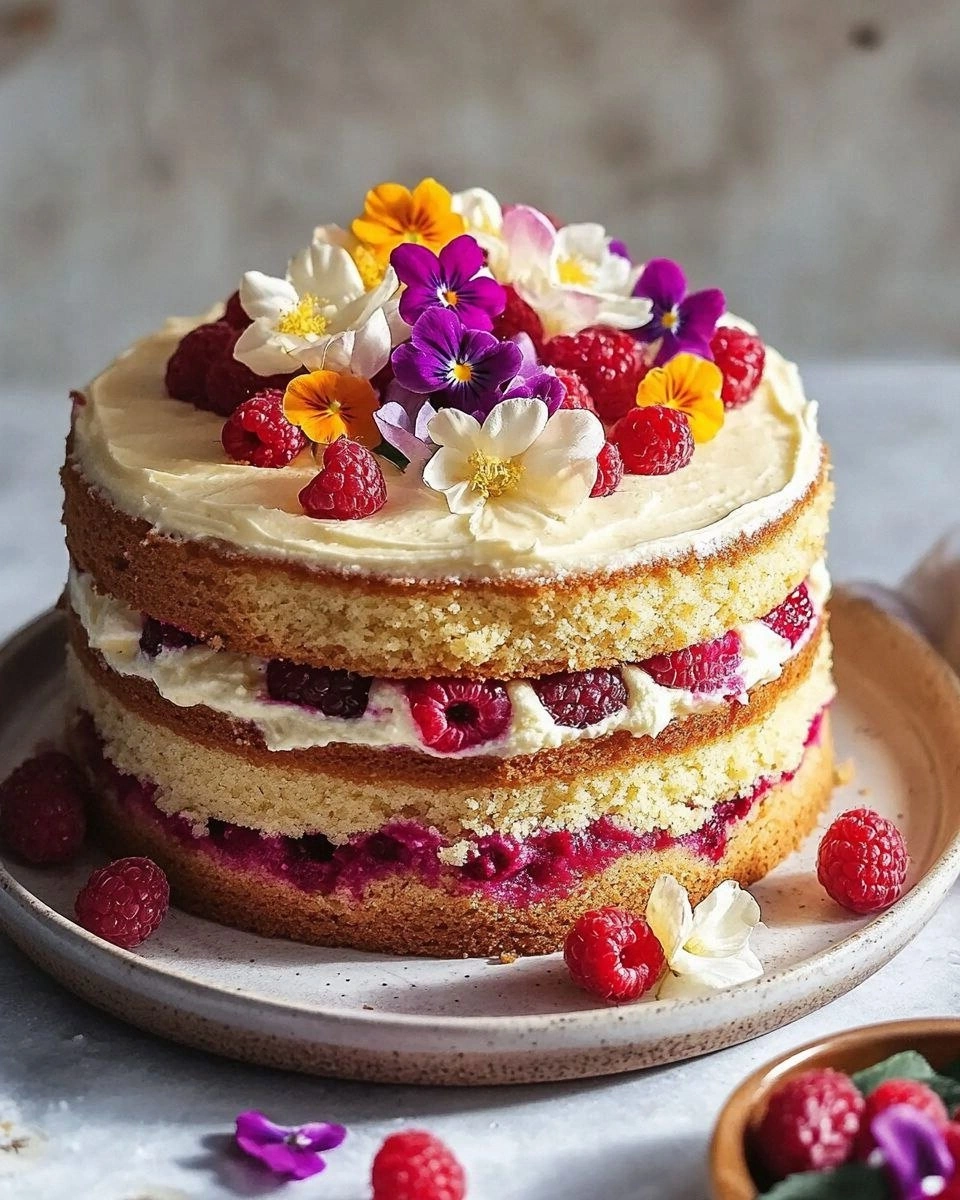
- Visual Appeal: A vibrant pink crust with a golden sheen draws the eye, and the burst of raspberry on the surface offers a dramatic contrast. The lemon zest garnish adds a pop of color and aroma.
- Time Efficiency: Prep takes only 15 minutes, and baking 30 minutes—ideal for a weeknight treat that doesn’t compromise on quality.
- Make‑Ahead Friendly: The cake can be assembled up to a day ahead; the glaze can be prepared separately and applied just before serving, keeping the cake fresh.
- Ingredient Quality: Using fresh, high‑quality lemons and raspberries elevates the flavor profile, while a single teaspoon of vanilla extract ties everything together.
Alright, let’s break down exactly what goes into this masterpiece…
Inside the Ingredient List
The Flavor Base
At the heart of this cake lies a classic batter that balances sweetness, acidity, and richness. The flour provides structure, while the sugar caramelizes during baking to give that subtle golden crust. Butter, melted and cooled, adds a velvety mouthfeel and keeps the crumb tender. Eggs bind everything together, ensuring the cake rises evenly, and vanilla extract adds depth, acting as a flavor bridge between lemon and raspberry.
The Texture Crew
Milk, a key player in the batter, hydrates the flour and creates a smooth, silky mixture that spreads evenly. Baking powder and salt are the unseen forces that lift the cake, giving it a light, airy rise. A pinch of salt may seem trivial, but it sharpens the overall flavor profile, allowing the citrus and fruit to shine. If you skip the milk, the batter becomes too dry, and the cake can turn dense.
The Unexpected Star
Fresh raspberries are the secret weapon that turns this cake from ordinary to extraordinary. Their natural tartness balances the lemon’s acidity, while their bright color adds visual intrigue. When folded in carefully, the berries remain intact, offering pockets of juicy flavor that contrast with the cake’s crumb. If you’re in a pinch, frozen raspberries can work, but thaw them and pat them dry to avoid excess moisture.
The Final Flourish
The glaze is the finishing touch that seals the cake’s story. Powdered sugar gives the glaze body, while lemon juice adds acidity and brightness. A splash of cold water prevents the glaze from becoming too thick, ensuring it spreads smoothly. If you prefer a thicker glaze, simply reduce the water or add more powdered sugar. The glaze not only enhances flavor but also adds a glossy, appetizing finish that makes the cake look like it’s been freshly baked.
Everything’s prepped? Good. Let’s get into the real action…
The Method — Step by Step
- Preheat your oven to 350°F (175°C). Line a 9-inch round cake pan with parchment paper, ensuring the paper extends slightly beyond the edges to create a beautiful border. This simple step guarantees a flawless release and a pristine finish. If you skip it, you might end up with a cake that sticks and looks uneven.
- In a large mixing bowl, whisk together the flour, baking powder, and salt until evenly distributed. This dry mix is the foundation of your batter, and a thorough whisk prevents clumps that could affect the cake’s rise. Imagine the flour as the silent soldiers that hold the structure together.
- In a separate bowl, combine the melted butter, milk, sugar, eggs, and vanilla extract. Beat the mixture on medium speed until the sugar dissolves and the batter is smooth. The butter’s fat content is critical; it keeps the crumb tender, while the eggs provide the necessary lift.
- Gradually pour the wet ingredients into the dry mixture, stirring gently until just combined. Overmixing can cause gluten to develop, resulting in a dense cake. At this point, the batter should have a silky consistency that pours like a thick, golden liquid.
- Fold in the freshly grated lemon zest and lemon juice, then carefully incorporate the raspberries. Use a light, circular motion to keep the berries intact. This step is crucial; it ensures each bite contains a burst of fruit rather than a mushy spread.
- Transfer the batter to the prepared pan, smoothing the top with a spatula. Tap the pan lightly on the counter to release any air pockets, which helps the cake rise evenly. The batter should sit level, creating a uniform surface for the glaze later.
- Bake for 25 to 30 minutes, or until a toothpick inserted into the center comes out clean. The cake’s edges will pull away slightly from the pan, signaling that it’s ready. If the cake browns too quickly, tent it with foil to prevent over‑browning.
- Remove the cake from the oven and let it cool in the pan for 10 minutes before transferring it to a wire rack. This resting period allows the structure to set, preventing cracks. While it cools, whisk together the powdered sugar and lemon juice for the glaze, adding cold water until the desired consistency is achieved.
- Once the cake has cooled completely, drizzle the glaze over the top, letting it drip down the sides. The glaze should pool slightly at the center, creating a glossy, inviting look. Finally, garnish with a few whole raspberries and a sprinkle of lemon zest for that finishing touch.
That’s it — you did it. But hold on, I’ve got a few more tricks that’ll take this to another level, ensuring every bite is a revelation.
Insider Tricks for Flawless Results
The Temperature Rule Nobody Follows
Many bakers think room‑temperature ingredients are sufficient, but using slightly chilled butter and milk gives the batter a better rise. The cooler fat creates steam pockets during baking, which lift the cake. I’ve seen cakes that are too moist when the butter is too warm, leading to a dense crumb.
Why Your Nose Knows Best
If the cake’s aroma is a bright citrus burst with a faint hint of fruit, you’re in the right zone. A dull or overly sweet smell indicates that the batter may be overmixed or the sugar hasn’t dissolved properly. Trust your nose; it’s a reliable guide to the cake’s readiness.
The 5‑Minute Rest That Changes Everything
After baking, let the cake rest in the pan for exactly five minutes before transferring it. This short rest allows the structure to set, reducing the risk of cracks when you lift it. I once tried skipping this step, and the cake split like a fragile glass. The lesson? Five minutes matters.
Glaze Perfection with a Splash
Adding a splash of cold water to the glaze prevents it from thickening too quickly. It also gives the glaze a smoother sheen that spreads evenly. If you prefer a thicker glaze, simply reduce the water or add more powdered sugar until you reach the desired consistency.
Keep the Cake Fresh
Store the cooled cake in an airtight container at room temperature for up to two days. If you need to keep it longer, wrap it tightly in plastic wrap and refrigerate. The glaze may firm up, but a quick warm‑up will restore its glossy finish.
Creative Twists and Variations
This recipe is a playground. Here are some of my favorite ways to switch things up:
Blueberry Lemon Bliss
Swap the raspberries for fresh blueberries to create a vibrant blue‑gold cake. The blueberries add a subtle sweetness, while the lemon remains the star. This version is perfect for a summer brunch.
Chocolate‑Covered Raspberry Surprise
Drizzle melted dark chocolate over the glazed cake for a decadent twist. The bittersweet chocolate balances the tartness of the raspberries, creating a multi‑layered flavor profile. It’s a crowd‑pleaser at parties.
Almond Flour Variation
Replace all‑purpose flour with almond flour for a gluten‑free option. The nutty undertones complement the lemon, and the cake remains moist. Pair it with a light dusting of powdered sugar for an elegant finish.
Spiced Citrus Raspberry Cake
Add a pinch of ground ginger and a dash of nutmeg to the batter. The warm spices give the cake depth, making it ideal for cooler evenings. The spices also enhance the lemon’s bright notes.
Raspberry‑Lemon Cheesecake Layer
Use the cake as a base for a no‑bake raspberry‑lemon cheesecake. Spread a layer of cream cheese filling on top, then top with fresh raspberries and a drizzle of lemon glaze. It turns a simple cake into an indulgent dessert.
Storing and Bringing It Back to Life
Fridge Storage
Wrap the cake tightly in plastic wrap and store it in the refrigerator for up to four days. The wrap prevents the cake from drying out and keeps the glaze from drying. When you’re ready to serve, let it sit at room temperature for 20 minutes to regain its softness.
Freezer Friendly
Place the cooled cake in a freezer‑safe container and freeze for up to two months. When you’re ready to enjoy, thaw it overnight in the fridge. The cake’s texture remains moist, and the glaze stays glossy.
Best Reheating Method
To reheat, preheat the oven to 300°F (150°C) and place the cake on a baking sheet. Warm for 10 minutes, then remove and drizzle a tiny splash of water over the glaze before serving. This trick steams the glaze back to perfection, giving it that fresh‑baked shine.