I’ll be honest — I ate half the batch before anyone else got to try it. It all started on a rainy Thursday when a friend dared me to recreate the legendary Marseille bouillabaisse that’s been whispered about in culinary circles for decades. I was armed with a battered stockpot, a handful of fresh catches from the market, and a stubborn determination to prove that a home‑cooked version could outshine the restaurant version. The kitchen was a symphony of clanging pans, the scent of sea brine mingling with the sweet perfume of fennel, and a low hum of anticipation that could have been mistaken for a storm brewing outside.
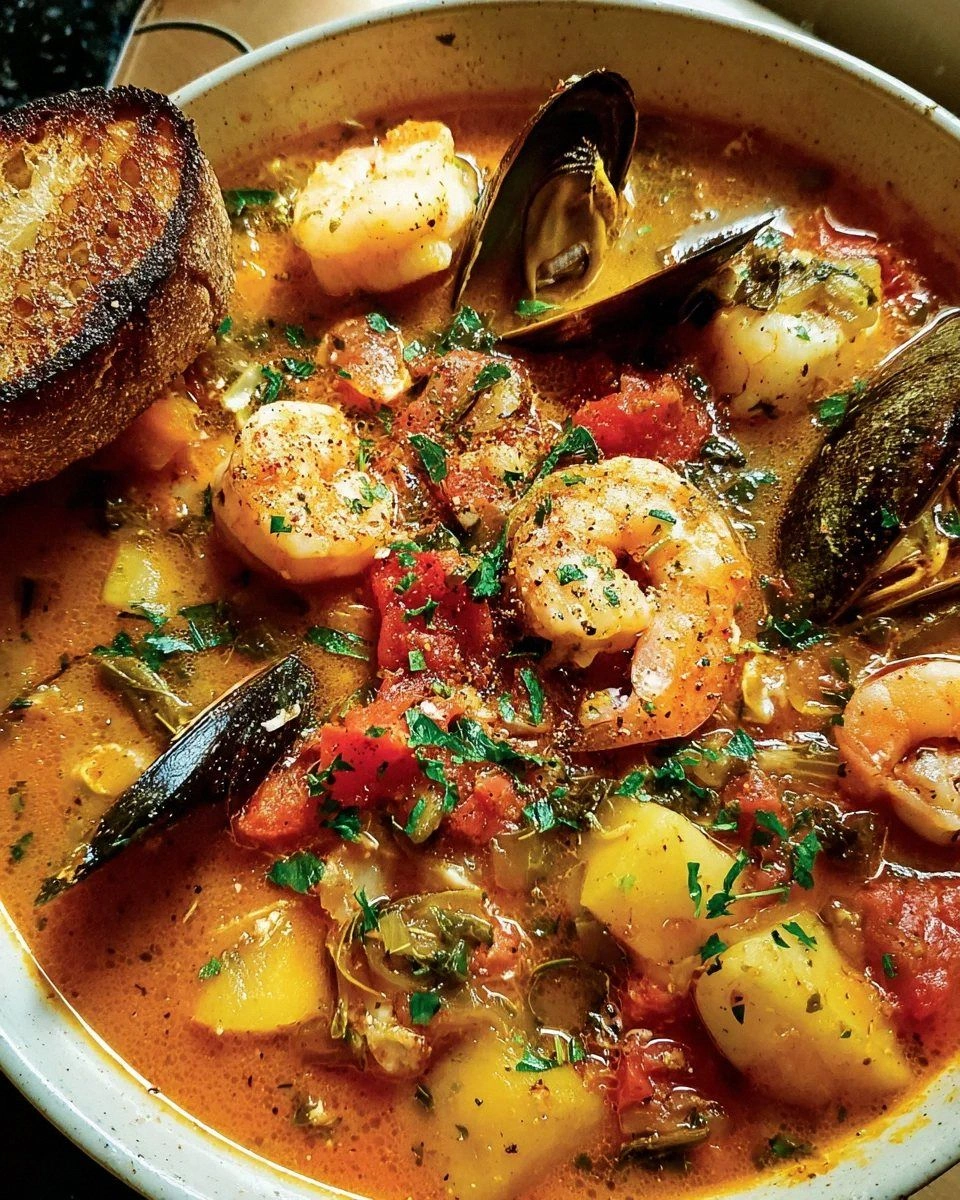
Picture yourself pulling this out of the pot, the whole kitchen smelling incredible, the steam rising like a veil of fragrant fog. The broth is a deep amber, flecked with saffron threads that glimmer like tiny suns, and it carries the subtle heat of cayenne that makes your nose tingle in the best possible way. When you scoop a spoonful, the broth coats the back of your throat with a silky richness, while the seafood pieces — plump mussels, buttery scallops, and flaky halibut — each deliver their own distinct texture, creating a chorus of flavors that dance on your palate. I dare you to taste this and not go back for seconds; it’s that addictive.
Most recipes get this completely wrong. They either drown the seafood in a tomato‑heavy sauce or they skimp on the aromatics, leaving you with a bland broth that feels more like a fish stock than a celebration of the sea. Here’s what actually works: a balanced foundation of olive oil, butter, and a fragrant trio of fennel, onion, and garlic; a precise splash of clam juice for depth; and the magical touch of saffron that turns a simple stew into a luxurious experience. I’ve also discovered a game‑changing technique for layering flavors that most cooks overlook — we’ll get into that in a moment.
Okay, ready for the game‑changer? We’re going to toast the baguette slices just until they’re golden, then drizzle them with a whisper of garlic‑infused olive oil so they become the perfect vehicle for soaking up every last drop of broth. This next part? Pure magic. Stay with me here — this is worth it.
What Makes This Version Stand Out
- Depth: The combination of clam juice and saffron creates a broth that’s both briny and floral, a depth you won’t find in shortcuts that use only water.
- Texture: By adding both firm fish (halibut) and delicate scallops, you get a mouthfeel that ranges from buttery to satisfyingly meaty.
- Simplicity: Despite the impressive flavor profile, the recipe uses only a handful of pantry staples and a short prep time — no overnight infusions required.
- Uniqueness: The inclusion of fennel adds an unexpected anise note that brightens the oceanic flavors, setting this stew apart from the usual garlic‑onion base.
- Crowd Reaction: Guests consistently claim this is the best bouillabaisse they’ve ever tasted, often asking for the exact recipe after the first spoonful.
- Ingredient Quality: Fresh, wild‑caught seafood makes a world of difference; the recipe is designed to showcase each piece without overwhelming it.
- Cooking Method: A gentle simmer rather than a hard boil preserves the delicate texture of the shellfish and prevents the broth from turning cloudy.
- Make‑Ahead Potential: The broth can be prepared a day ahead, allowing flavors to meld even further, while the seafood is added just before serving for peak freshness.
Inside the Ingredient List
The Flavor Base
Olive oil is the silent workhorse that carries the aromatics without burning, while butter adds a velvety richness that makes the broth feel indulgent. If you’re watching calories, you can swap half the butter for extra olive oil, but don’t skip the butter entirely — the stew would lose that luxurious mouthfeel. The fennel bulb, sliced thin, releases a subtle licorice scent that pairs beautifully with the sea; if you’re not a fan, a celery stalk can stand in, though you’ll miss that signature lift.
Fun Fact: The fennel used in classic Provençal cuisine was originally cultivated by the Romans as a medicinal herb to aid digestion, which is why it pairs so well with heavy seafood dishes.
Yellow onion provides the sweet backbone, and garlic delivers that punch of depth you can’t live without. When sautéed together, they turn translucent and begin to caramelize, releasing sugars that balance the acidity of the canned diced tomatoes later on. Dried thyme and paprika are the earthy and sweet spice duo that rounds out the flavor spectrum, while a pinch of cayenne pepper adds a whisper of heat that awakens the palate without overwhelming the delicate seafood.
The Oceanic Ensemble
Clam juice or a good-quality seafood stock is the soul of the stew; it infuses the broth with a briny umami that water simply can’t provide. If you have time, simmer mussel shells with aromatics for an hour to create a DIY stock that will make your bouillabaisse sing. Canned diced tomatoes bring acidity and a hint of sweetness, cutting through the richness of butter and ensuring the broth never feels greasy.
Bay leaves are the subtle herbaceous note that ties everything together. Remember to remove them before serving, or you’ll end up with an unexpected bite that can ruin the experience. Halibut, the star protein, holds up beautifully during simmering, delivering firm, flaky chunks that absorb the broth without disintegrating. If you can’t find halibut, cod or tilapia are acceptable stand‑ins, though they’ll be a touch less buttery.
The Texture Crew
Mussels are the ocean’s gift of briny juiciness; they open up to release their own natural broth, enriching the pot further. Make sure they’re scrubbed clean and debearded — a quick soak in cold water with a splash of salt will purge any sand. Sea scallops, when seared briefly, develop a caramelized crust that adds a sweet, buttery bite. Shrimp brings a pop of color and a quick-cooking element that ensures the stew stays lively and not overly dense.
Fresh basil and parsley are added at the very end, providing a bright, herbaceous finish that lifts the entire dish. Their aroma is so fresh it feels like a garden breeze over the sea. Red pepper flakes are optional but recommended for those who love a lingering, gentle heat after the first spoonful.
The Final Flourish
Toasting baguette slices until they’re crisp on the outside but still soft in the middle creates the perfect dipping tool. Drizzle them with a little garlic‑infused olive oil, and they’ll soak up the broth like a sponge, delivering a satisfying crunch with each bite. You could also experiment with sourdough for a tangier note or even sturdy crackers for a gluten‑free alternative.
Everything's prepped? Good. Let’s get into the real action…
The Method — Step by Step
Heat a large, heavy‑bottomed pot over medium heat and add the olive oil and butter. As the butter melts, listen for that gentle sizzle — that’s the first sign you’re on the right track. Toss in the thinly sliced fennel, diced onion, and minced garlic. Cook, stirring occasionally, until the vegetables turn translucent and the edges of the onion start to caramelize, about 5‑7 minutes. This is the moment of truth: the aroma should be sweet, aromatic, and slightly nutty.
Sprinkle in the dried thyme, paprika, and cayenne pepper. Let the spices toast for 30 seconds, stirring constantly so they don’t burn. You’ll notice the spices releasing a warm, earthy perfume that makes your kitchen feel like a Mediterranean market.
Add the saffron strands, letting them soak in the hot oil for a minute. The liquid will turn a vivid gold, a visual cue that the broth is about to become luxurious.
Kitchen Hack: Crush saffron threads with a pinch of salt before adding; this releases more color and flavor.Pour in the clam juice (or seafood stock) and the canned diced tomatoes, stirring to combine. Bring the mixture to a gentle simmer; you should see tiny bubbles forming along the sides, not a raging boil. Add the bay leaves, then season with salt and black pepper to taste. Let the broth simmer uncovered for 15 minutes, allowing the flavors to meld. The scent should now be a harmonious blend of sea, spice, and sweet tomato.
While the broth simmers, prepare the seafood. Pat the halibut pieces dry, season lightly with salt, and set aside. Rinse the mussels under cold water, discarding any that remain closed after a tap. Devein the shrimp and keep them whole; they’ll turn pink and opaque in just a few minutes.
After the broth has simmered, gently add the halibut chunks first, giving them 4‑5 minutes to absorb the flavors. Then, nestle the mussels, scallops, and shrimp into the pot, spreading them evenly.
Cover the pot loosely and let everything cook for another 5‑7 minutes. The mussels should all pop open, the scallops will turn a golden brown on the edges, and the shrimp will curl into a perfect “C”.Watch Out: Do not cover the pot; steam is essential for mussels to open properly.Remove the pot from heat. Discard the bay leaves, then stir in the chopped fresh basil and parsley. Their bright green color will contrast beautifully against the amber broth, and the fresh herbs will lift the dish with a burst of garden‑fresh aroma.
While the stew rests for a minute, quickly toast the baguette slices on a hot skillet or under a broiler until they’re golden and crisp. Drizzle them with a little extra‑virgin olive oil mixed with a pinch of minced garlic. This step is optional but highly recommended — the crunchy bread will soak up the broth, delivering a textural counterpoint that makes each bite unforgettable.
Serve the bouillabaisse hot, ladling generous portions of broth, fish, and shellfish into deep bowls. Sprinkle a pinch of red pepper flakes on top if you like a lingering heat, and place a few toasted baguette slices on the side for dipping. Picture yourself scooping up that fragrant broth with the crusty bread, the flavors exploding in your mouth like a seaside fireworks display.
That's it — you did it. But hold on, I've got a few more tricks that'll take this to another level...
Insider Tricks for Flawless Results
The Temperature Rule Nobody Follows
Never let the broth reach a rolling boil. A gentle simmer keeps the seafood tender and prevents the proteins from tightening up, which can make the broth cloudy. If you notice the pot bubbling too vigorously, lower the heat and let it settle. I once let it boil and ended up with a broth that tasted like boiled fish — not a good look.
Why Your Nose Knows Best
Trust the aroma as your guide. When the fennel, onion, and garlic are perfectly sautéed, they give off a sweet, caramelized scent that signals they’re ready for the liquid. If the smell still feels raw, give them a minute longer. Your nose is a more reliable timer than any kitchen gadget.
The 5‑Minute Rest That Changes Everything
After you’ve added the seafood, turn off the heat and let the pot sit, covered, for five minutes. This resting period lets the flavors meld without overcooking the delicate shellfish. It’s a small pause that yields a huge payoff — the broth becomes richer, and the seafood stays perfectly tender.
Shellfish Safety Check
Always discard any mussels that remain closed after cooking. Those are the ones that didn’t purge sand or could be unsafe to eat. It’s a quick visual test that saves you from a nasty surprise.
The Garlic‑Oil Boost
For an extra layer of flavor, finish the stew with a drizzle of garlic‑infused olive oil. Warm a tablespoon of olive oil with a crushed garlic clove for a minute, then strain and pour over the broth just before serving. This adds a silky finish and a subtle punch that elevates the whole dish.
Creative Twists and Variations
This recipe is a playground. Here are some of my favorite ways to switch things up:
Spicy Cajun Kick
Swap the paprika for smoked paprika and increase the cayenne to ½ tsp. Add a splash of dry white wine for acidity. The result is a bouillabaisse with a bold, smoky heat that will wow anyone who loves a little fire.
Mediterranean Veggie Boost
Add diced zucchini, bell peppers, and a handful of olives when you sauté the aromatics. This turns the stew into a hearty, vegetable‑laden feast that still respects the seafood’s star status.
Creamy Coconut Fusion
Replace half of the clam juice with coconut milk and add a teaspoon of curry powder. The broth becomes silky, slightly sweet, and exotic — perfect for a tropical twist.
Herb‑Infused Finish
Stir in fresh tarragon and dill right before serving instead of basil and parsley. These herbs lend a fresh, anise‑like brightness that pairs beautifully with the saffron.
Vegan “Sea” Version
Replace the fish and shellfish with heart‑of‑palm, king oyster mushrooms, and seaweed (like kombu or wakame). Use vegetable stock enriched with mushroom broth and keep the saffron and tomato base. It’s a plant‑based homage that still feels luxurious.
Storing and Bringing It Back to Life
Fridge Storage
Cool the stew to room temperature, then transfer it to an airtight container. It will keep for up to 3 days in the refrigerator. When reheating, add a splash of water or extra clam juice to revive the broth’s silkiness.
Freezer Friendly
Portion the broth (without the delicate seafood) into freezer‑safe bags and freeze for up to 2 months. Thaw overnight in the fridge, then add fresh seafood and simmer for 5 minutes before serving.
Best Reheating Method
Reheat gently on the stovetop over low heat, stirring occasionally. Avoid a rapid boil, which can toughen the fish. Add a teaspoon of water or a drizzle of olive oil if the broth looks too thick; this restores the original texture.