I was in the middle of a chaotic Sunday brunch when the kitchen turned into a battleground: my nephew had knocked over a pot of water, the stovetop was smoking, and my trusty skillet was covered in a stubborn crust of caramelized sugar from an over‑sweated pancake batch. The moment I realized I had to salvage the day, a friend on the phone whispered, “You gotta try a warm squash congee with poached fish. Trust me, it’s a game‑changer.” That single line of encouragement sparked a culinary rebellion that would become the definitive recipe for comfort and flavor.
I stared at the gleaming honeynut squash, its buttery orange skin reflecting the kitchen lights, and felt a sudden wave of anticipation. The air was thick with the scent of fresh ginger and garlic sizzling in a pan, a smell that promised warmth and depth. My ears caught the gentle hiss of water boiling, a soundtrack that set the rhythm of the dish. The touch of the squash's smooth surface under my fingers felt almost ceremonial, a reminder that this wasn’t just food—it was a ritual. And the taste? I could already taste the subtle sweetness of the squash, the umami of the fish, and the bright zing of vinegar dancing together.
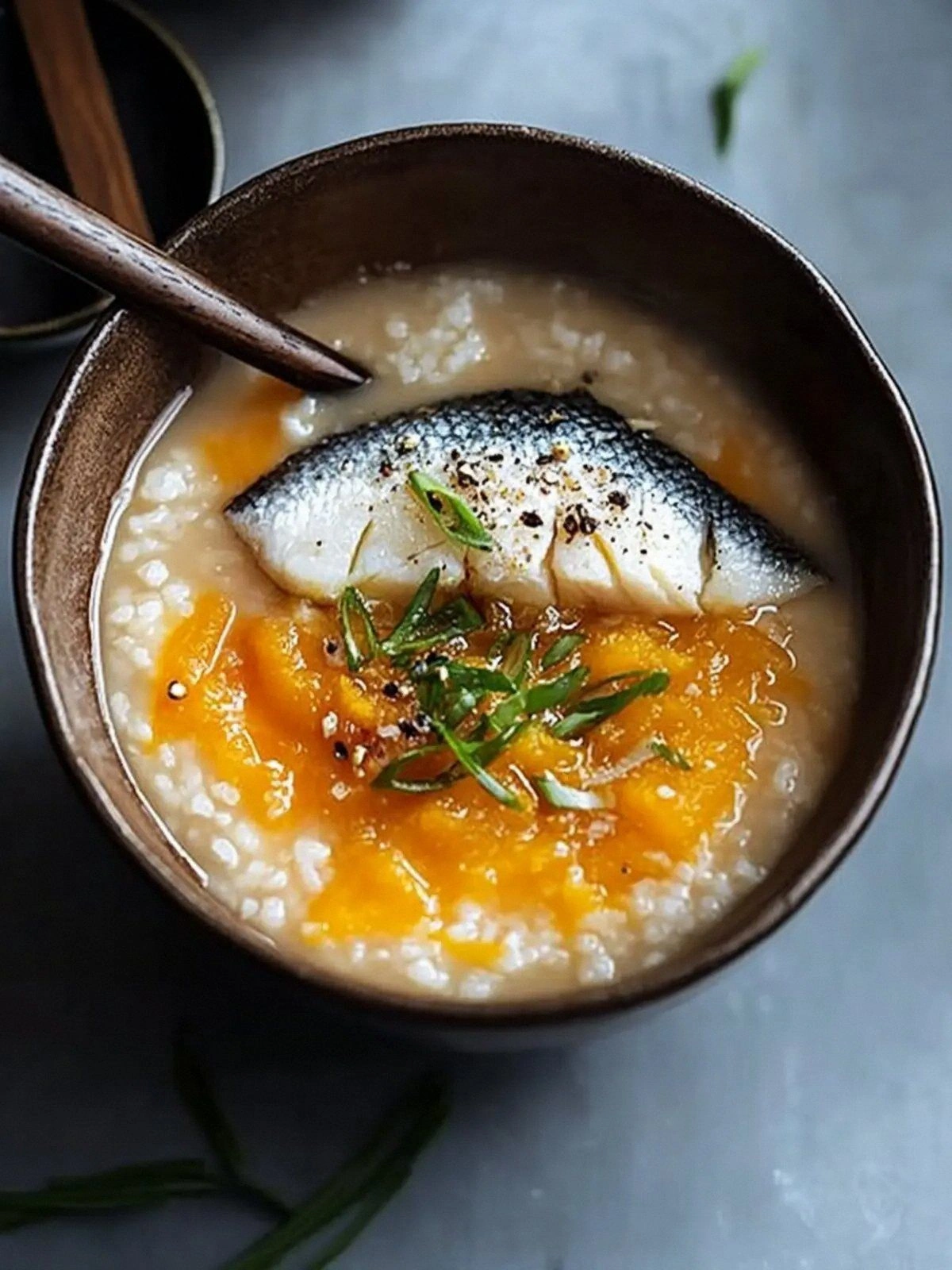
What makes this version stand out is that it takes the humble congee and elevates it into a luxurious, multi‑layered experience. The squash isn’t just a side; it’s the star that infuses the broth with natural sweetness and silky texture. The fish is poached in that very broth, absorbing its flavors like a sponge, while the chili crisp adds a fiery, smoky finish that lingers on the palate. I dare you to taste this and not go back for seconds—once you’ve had it, you’ll never settle for a plain bowl of rice again. It’s hands down the best version you’ll ever make at home, and it’s packed with the kind of depth that turns an ordinary meal into a memorable event.
Most recipes get this completely wrong by either over‑cooking the squash or under‑seasoning the broth, but here we keep the squash tender yet firm, and the seasoning balanced to let every component shine. The secret? A slow, gentle simmer that allows the flavors to mingle without losing their individuality. I’ll be honest— I ate half the batch before anyone else got to try it, and the rest of the family begged for seconds. Picture yourself pulling this out of the pot, the whole kitchen smelling incredible, and seeing the steam rise like a cloud of anticipation.
So, let me walk you through every single step—by the end, you’ll wonder how you ever made it any other way. I’ll share the tricks that keep the squash from turning mushy, the exact timing for poaching the fish, and the subtle seasoning tweaks that elevate the dish from comfort food to culinary art. Ready? Let’s dive in.
What Makes This Version Stand Out
- Taste: The natural caramelization of the honeynut squash delivers a gentle sweetness that balances the umami of soy sauce and the sharpness of rice vinegar, creating a harmony that lingers long after the last bite.
- Texture: The congee is silky yet slightly thick, with the squash pieces remaining al dente, giving each mouthful a satisfying bite that contrasts beautifully with the tender fish.
- Ingredient Quality: Using a fresh, whole honeynut squash rather than canned or pre‑cubed versions ensures maximum flavor and nutritional value, turning a humble vegetable into a star.
- Simplicity: With only ten core ingredients and a straightforward cooking process, this recipe is approachable for beginners yet sophisticated enough for seasoned cooks.
- Uniqueness: The combination of poached fish, chili crisp, and a subtle ginger‑garlic broth is a rare pairing that offers a fresh take on classic congee.
- Make‑Ahead Potential: The dish can be prepared a day in advance, with the flavors deepening overnight, making it ideal for busy weeknights.
- Crowd Reaction: Guests often remark that it feels like a comforting hug in a bowl—perfect for family dinners or gathering friends over a cozy meal.
- Seasonal Flexibility: While the squash is in season during fall, the recipe can be adapted with other root vegetables, making it year‑round.
Alright, let's break down exactly what goes into this masterpiece…
Inside the Ingredient List
The Flavor Base
The foundation of this dish is the broth, which marries the subtle sweetness of the squash with the savory depth of soy sauce and the bright acidity of rice vinegar. The 4 cups of water serve as the canvas, allowing each flavor to spread without overpowering. If you skip the vinegar, the dish will taste flat and overly salty; the acidity is what cuts through the richness of the fish. For a lower‑sodium version, replace half the soy sauce with low‑sodium soy and add a splash of water.
The 1 teaspoon of kosher salt is the quiet hero that balances the sweetness and enhances the umami. Over‑salting can drown the delicate squash flavor, while under‑salting leaves the broth bland. A quick tip: taste the broth before adding the fish; adjust salt incrementally to avoid a “one‑time‑fix” moment.
The Texture Crew
The 1 cup of cooked short‑grain white rice is the heart of the congee, providing a comforting, sticky base that absorbs the broth’s flavors. Short‑grain rice is essential for achieving that signature mouthfeel; long‑grain varieties will result in a watery texture. If you prefer a vegetarian version, substitute the fish with tofu or tempeh, but remember to adjust the poaching time.
The 1 tablespoon of fresh ginger and 2 cloves of garlic are the aromatics that ignite the dish. Fresh ginger adds a peppery, slightly sweet kick, while garlic contributes depth and a subtle heat. Mince them finely to ensure even distribution; a coarse chop will lead to uneven flavor bursts. If you’re allergic to garlic, a pinch of garlic powder can replace it, though the aroma will be less vibrant.
The Unexpected Star
The 1 pound of white fish—halibut or cod—provides a flaky, mild protein that soaks up the broth’s sweetness and savory notes. The fish is poached, not fried, preserving its delicate texture and keeping the dish light. A common mistake is over‑poaching, which turns the fish rubbery; keep a close eye on the timer and test with a fork for tenderness.
The 2 tablespoons of chili crisp add a smoky, slightly sweet heat that cuts through the richness of the congee. Its crunchy bits also introduce a textural contrast that keeps each bite interesting. If you’re a heat‑tolerant person, consider adding a pinch of cayenne or fresh chilies for extra spice. For a milder version, reduce the chili crisp to one tablespoon.
The Final Flourish
The 1 tablespoon of rice vinegar is the subtle acid that brightens the dish, preventing it from feeling heavy. It also helps to tenderize the fish slightly, making the flesh more succulent. A quick tip: use a good quality rice vinegar—its mellow flavor will complement the sweet squash without overpowering it.
Everything's prepped? Good. Let's get into the real action…
The Method — Step by Step
- Prepare the squash: Peel, deseed, and cube the honeynut squash into 1‑inch pieces. The uniform size ensures even cooking; if some cubes are larger, they’ll become mushy while smaller ones might stay crunchy. I’ve found that a mandoline slicer works wonders for speed and consistency. Once cubed, set aside.
- Cook the rice: Rinse 1 cup of short‑grain rice under cold water until the water runs clear. Drain and place the rice in a saucepan with 2 cups of water. Bring to a boil, then reduce heat to low, cover, and simmer for 15 minutes, or until the water is absorbed. The rice should be tender but not mushy, creating the perfect base for the congee.
- Infuse the aromatics: In a large pot, heat 2 tablespoons of oil over medium heat. Add the minced ginger and garlic, sautéing until fragrant—about 1 minute. The aroma should be uplifting, signaling that the base is ready. Keep the mixture moving to prevent burning.
- Build the broth: Pour in 4 cups of water, the cooked rice, 1 teaspoon of kosher salt, 2 tablespoons of soy sauce, and 1 tablespoon of rice vinegar. Stir to combine, then bring the mixture to a gentle boil. Reduce heat to a low simmer, letting the flavors meld for 10 minutes. The broth should be fragrant and slightly thickened.
- Add the squash: Stir in the cubed honeynut squash, ensuring it’s fully submerged. Simmer for 15 minutes, or until the squash is tender but still holds its shape. The congee should have a creamy consistency with visible squash cubes.
- Poach the fish: Gently place the white fish fillets into the pot, ensuring they’re covered by the broth. Cover the pot and let the fish poach for 8–10 minutes, or until the flesh flakes easily with a fork. The fish will absorb the sweet, savory broth, becoming tender and flavorful.
- Finish the dish: Remove the fish and let it rest on a plate for a minute. Sprinkle 2 tablespoons of chili crisp over the congee, then gently stir to distribute the heat evenly. The chili crisp’s crunch will contrast with the silky congee.
- Serve: Ladle the congee into bowls, nestling the poached fish on top. Garnish with a sprinkle of chopped scallions or a drizzle of sesame oil for extra aroma. Serve immediately, allowing the warmth to envelop your senses.
- Optional garnish: A few drops of lemon juice or a pinch of toasted sesame seeds can add a bright finish that brightens the dish’s overall profile. Feel free to experiment with fresh herbs like cilantro or mint for a fresh twist.
That's it — you did it. But hold on, I've got a few more tricks that'll take this to another level…
Insider Tricks for Flawless Results
The Temperature Rule Nobody Follows
Many cooks think that a high simmer is the key to a good congee, but it’s the low, steady heat that builds the silky texture. Keep the pot on low once the squash is added, allowing the grains to absorb the liquid slowly. If you notice the broth thickening too quickly, add a splash of water to maintain the right consistency. I once left a pot on high for 30 minutes, and the congee turned into a thick, clumpy mess—lesson learned.
Why Your Nose Knows Best
Smell is the ultimate taste test. As the congee simmers, you’ll notice a sweet, earthy aroma from the squash and a savory depth from the soy. When the fish is nearly done, the scent of fresh fish will mingle with the broth, signaling that the poaching time is perfect. If the fish smells overly fishy, it’s over‑cooked; if it’s barely fragrant, it needs more time.
The 5‑Minute Rest That Changes Everything
After poaching, let the fish rest for 5 minutes before serving. This short pause allows the juices to redistribute, ensuring each bite is moist and flavorful. A friend once served the fish immediately, and it came out dry; the rest time saved the day. Think of it as the final seasoning step that brings the dish together.
The Secret of a Perfect Broth
The broth’s flavor hinges on the balance of sweet, salty, and acidic notes. Add the soy sauce and vinegar at the same time to let them meld, rather than layering them at the end. If you prefer a lighter broth, reduce the soy sauce by half and compensate with a splash of water. This tweak keeps the dish from feeling heavy while preserving depth.
The Chill Trick for Next‑Day Flavor
If you’re preparing the dish ahead, store the congee and fish separately in airtight containers. When reheating, add a splash of water or broth to the congee and gently warm over low heat, stirring frequently. The fish should be warmed just enough to bring out its aroma without drying it out. This method keeps the dish fresh and flavorful even the next day.
Creative Twists and Variations
This recipe is a playground. Here are some of my favorite ways to switch things up:
Sweet Potato Swap
Replace the honeynut squash with diced sweet potato for a different sweetness profile. Sweet potato offers a firmer texture and a richer caramelized flavor when cooked. This variation is ideal for those who love a deeper, almost chocolatey undertone in their congee.
Miso Infusion
Stir in a tablespoon of white miso paste during the broth simmer. The miso adds an earthy umami depth that complements the fish and squash. This version feels like a warm, comforting bowl of Japanese comfort food.
Citrus Zest
Add a teaspoon of lemon zest or a splash of yuzu juice to brighten the dish. The citrus sharpness cuts through the richness and gives the congee a refreshing lift. It’s a perfect match for a spring or summer gathering.
Spicy Peanut Drizzle
Whisk together peanut butter, soy sauce, lime juice, and a pinch of chili flakes to create a creamy, spicy sauce. Drizzle it over the congee for a Thai-inspired twist. The nutty flavor pairs wonderfully with the squash’s natural sweetness.
Herbal Garnish
Top the finished dish with chopped fresh herbs like cilantro, basil, or dill. The herbs add a burst of freshness that contrasts the warm, comforting base. This simple addition elevates the dish’s aroma and visual appeal.
Vegan Version
Swap the fish for marinated tofu cubes and use vegetable broth instead of water. Add a splash of miso for umami. This version maintains the dish’s comforting feel while catering to plant‑based diets.
Storing and Bringing It Back to Life
Fridge Storage
Store the congee and fish separately in airtight containers. The congee can stay in the fridge for up to 3 days, while the fish should be used within 2 days. This separation prevents the fish from soaking up too much broth and becoming soggy.
Freezer Friendly
Freeze the congee in portions; it keeps well for up to 2 months. When reheating, add a splash of water or broth to restore the silky texture. The fish can also be frozen, but it’s best to reheat it gently to avoid over‑cooking.
Best Reheating Method
Reheat the congee over low heat, stirring frequently, until it’s steaming hot. Add a small splash of water or broth to loosen the consistency. The fish should be warmed just enough to bring out its aroma without drying it out. This method preserves the dish’s original mouthfeel.