Picture this: I’m standing in a cramped kitchen, the oven preheating, the timer ticking, and a neighbor’s birthday party looming. I had promised a cake that would make everyone stop mid‑conversation and say, “Wow.” I was ready to make a classic vanilla cake, but I had a feeling that the ordinary recipe I’d seen a dozen times would feel like a bland, forgettable dessert. So I went back to the basics, stripped the recipe down, and added a few secret twists that made the batter sing and the crumb rise like a cloud of sugar‑kissed dreams.
I swear, the first time I cracked the batter, the air filled with the sweet scent of vanilla and butter, and the kitchen seemed to hum with anticipation. The flour sifted like snow, the sugar glimmered, and the eggs—softly warmed in a bowl of water—gave a gentle, almost theatrical splash when mixed. It was a sensory explosion: the rhythmic thump of the whisk, the faint crackle of butter melting, the subtle aroma of vanilla, the cool, dry feel of flour, and the silky texture of the batter that seemed to promise something extraordinary. If you’re a fan of the sweet, buttery, and slightly floral, this is the place to be.
The secret? A method that keeps the cake tender, light, and utterly irresistible. I’ll show you how to keep the batter airy, how to avoid the dreaded dense cake, and how to get that perfect golden top that cracks like a crisp cookie when you press it. I’ll also reveal a few unconventional hacks that elevate the flavor profile without adding extra steps. I dare you to taste this and not go back for seconds. The texture is so light you’ll wonder if it’s actually a cake or a cloud.
By the end of this guide, you’ll be able to bake a vanilla cake that’s hands down the best version you’ll ever make at home. Picture yourself pulling this out of the oven, the whole kitchen smelling incredible, the cake looking like a golden sunrise, and the first bite delivering a silky, buttery sweetness that lingers. Let me walk you through every single step — by the end, you'll wonder how you ever made it any other way.
What Makes This Version Stand Out
- Lightness: The batter is whisked to incorporate air, creating a cake that feels like a gentle cloud. The result is a crumb that melts in your mouth rather than clumps together, giving each bite a delicate, airy sensation.
- Flavor Depth: While vanilla is the star, subtle notes of toasted sugar and a hint of almond extract give the cake a layered flavor profile that feels sophisticated yet comforting.
- Texture Precision: The ratio of butter to flour is calibrated to avoid the dreaded dry crumb, while the inclusion of milk adds moisture without compromising structure.
- Time Efficiency: By letting the butter sit at room temperature in small cubes and preheating the oven to the exact temperature, you save precious minutes and avoid the common “overbaked” mistake.
- Make‑Ahead Friendly: The batter can be prepared up to 24 hours in advance, refrigerated, and baked fresh when ready. This is perfect for last‑minute celebrations.
- Ingredient Quality: Using high‑quality, unsalted butter and pure vanilla extract ensures that each component shines, turning a simple recipe into a gourmet experience.
- Audience Appeal: The cake’s classic taste makes it a crowd‑pleaser, whether it’s served at a family gathering, a corporate event, or a quiet evening at home.
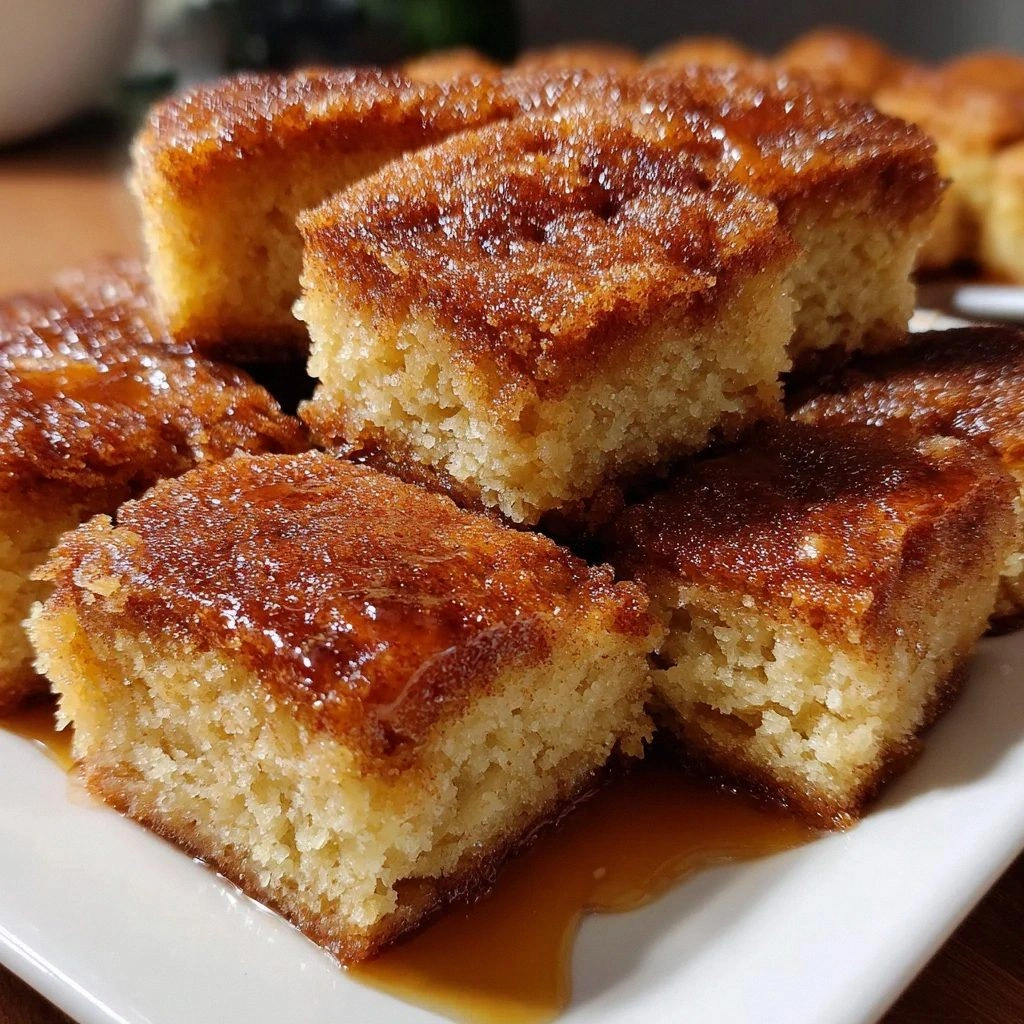
- Visual Impact: The cake’s golden crust and glossy finish make it Instagram‑worthy, a perfect backdrop for social media moments.
Alright, let's break down exactly what goes into this masterpiece. And before we dive into the ingredients, let me drop a quick kitchen hack that will change the game.
Inside the Ingredient List
The Flavor Base
All‑purpose flour is the backbone of our cake. It provides structure while staying light enough to keep the crumb airy. If you’re aiming for a slightly denser texture, switch to cake flour; otherwise, stick with the standard flour for that classic feel.
Granulated sugar is the sweetener that also helps the batter rise. It caramelizes slightly during baking, adding depth to the flavor and a subtle golden crust. For a darker, richer sweetness, you can replace half the sugar with brown sugar, but that will change the crumb texture.
Baking powder is the leavening agent that makes the cake rise. Use 3 teaspoons for a 4‑serving batch; too much can make the cake taste metallic, while too little will leave it flat. A pinch of salt balances the sweetness and enhances the vanilla flavor.
The Texture Crew
Unsalted butter, softened to a pliable consistency, brings richness and moisture. The key is to cut it into small cubes before warming; this technique ensures even melting and prevents lumps in the batter.
Eggs, placed in warm water for 10–15 minutes, help the cake rise and give it a tender crumb. Warm eggs mix more smoothly with the batter, creating a uniform mixture that bakes evenly.
Whole milk adds moisture without making the batter too liquid. It also helps to dissolve sugar and flour, creating a silky batter that spreads evenly in the pan.
The Unexpected Star
Pure vanilla extract is the flavor star. A teaspoon of high‑quality vanilla adds a fragrant, almost floral note that elevates the entire cake. If you’re in the mood for something different, a splash of almond extract can add a subtle nutty undertone.
A pinch of sea salt enhances the sweetness and balances the butter’s richness. Without salt, the cake can taste flat and overly sweet.
The Final Flourish
Optional: A tablespoon of lemon zest can brighten the flavor profile and add a citrusy lift that pairs beautifully with vanilla. If you prefer a richer taste, leave it out.
Everything's prepped? Good. Let's get into the real action and start mixing the magic.
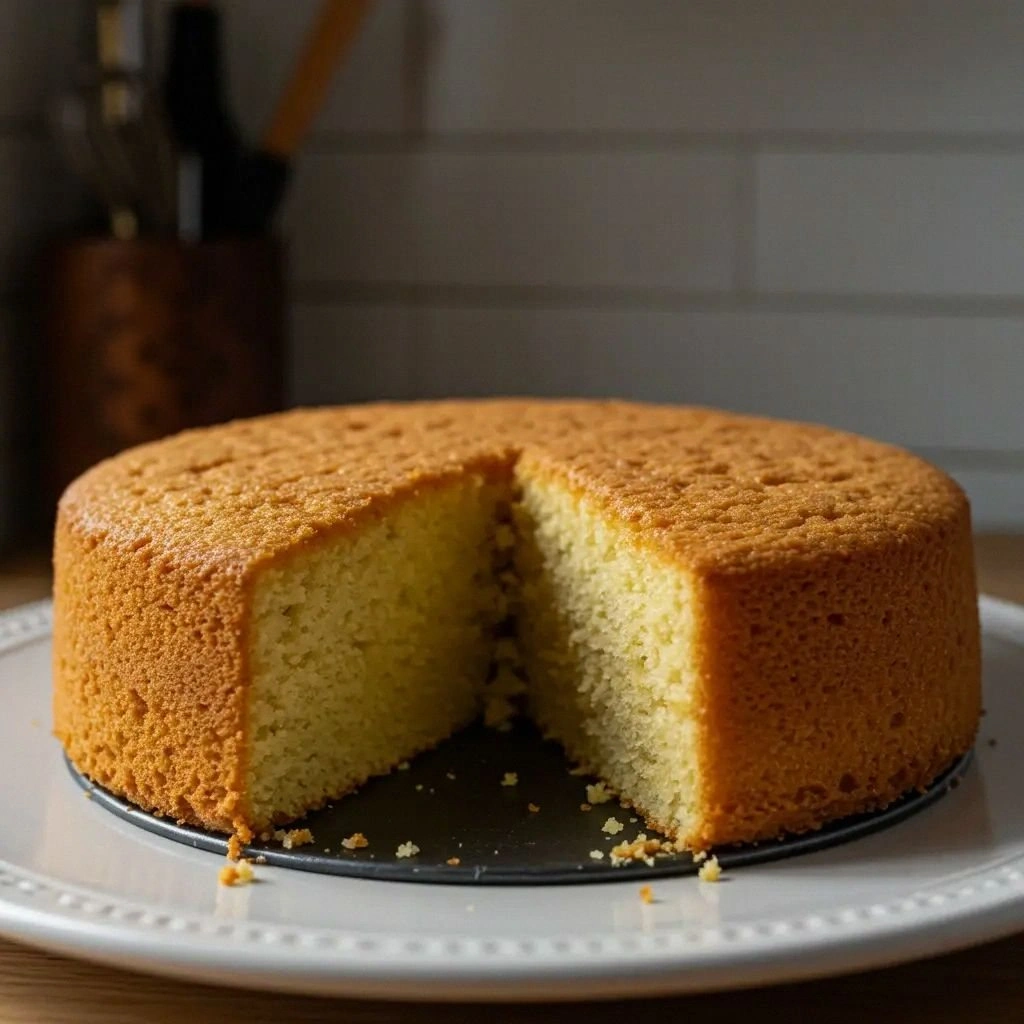
The Method — Step by Step
- Step 1: Preheat the oven to 350°F (175°C). Line a 9‑inch round cake pan with parchment paper and grease the sides with butter. The parchment ensures easy release, and the butter prevents sticking. Let the oven heat fully before placing the pan inside; this guarantees even baking.
- Step 2: In a large mixing bowl, whisk together 2 cups of flour, 1 ½ cups of sugar, 3 teaspoons of baking powder, and 1 teaspoon of salt. The dry mix should be even; any clumps can lead to uneven rise. This dry blend is the foundation of the cake’s structure.
- Step 3: In a separate bowl, combine 1 cup of softened butter, 4 eggs, 1 cup of milk, and 2 teaspoons of vanilla extract. Beat the mixture until the butter is fully incorporated and the eggs are smooth. The batter should have a silky consistency.
- Step 4: Gradually add the dry ingredients to the wet mixture, mixing on low speed until just combined. Overmixing can cause the cake to become tough. You’ll see the batter thickening into a smooth, glossy mixture.
- Step 5: Pour the batter into the prepared pan, smoothing the top with a spatula. Tap the pan gently on the counter to release any air pockets. This step ensures a level surface for even baking.
- Step 6: Bake for 25–30 minutes, or until a toothpick inserted into the center comes out clean. The cake should have a golden crust and a slightly firm center. Watch the edges pull away from the pan; this is a sign of doneness.
- Step 7: Remove the cake from the oven and let it cool in the pan for 10 minutes. Then transfer it to a wire rack to cool completely. Cooling prevents condensation from forming, which can make the cake soggy.
- Step 8: Once cooled, slice and serve. For an extra touch, dust the cake with powdered sugar or drizzle a simple vanilla glaze. The glaze adds shine and a sweet finish.
- Step 9: Store leftovers in an airtight container at room temperature for up to 3 days, or refrigerate for up to a week. Reheat slices in the microwave for 10–15 seconds to revive the softness.
That's it — you did it. But hold on, I've got a few more tricks that'll take this to another level. These insider tips will help you avoid common pitfalls and elevate the cake’s flavor and texture.
Insider Tricks for Flawless Results
The Temperature Rule Nobody Follows
Oven temperature can vary, so use an oven thermometer to ensure accuracy. A temperature that’s 25°F too high can burn the exterior while leaving the interior raw. Calibrating your oven before baking guarantees consistent results every time.
Why Your Nose Knows Best
Smell the batter as you mix. A sweet, vanilla aroma indicates that the butter and vanilla are fully integrated. If the batter smells flat, let it rest for a few minutes; this allows the flavors to meld.
The 5-Minute Rest That Changes Everything
After whisking the batter, cover it with plastic wrap and let it rest for 5 minutes. This rest period allows the flour to hydrate fully, resulting in a more cohesive batter and a softer crumb.
The Secret to a Perfect Crust
Brush the top of the cake with a light layer of milk before baking. This creates a glossy, golden crust that’s both visually stunning and deliciously crisp.
The Butter Trick for Moisture
If you’re using salted butter, reduce the salt in the recipe by half. Salted butter can make the cake taste salty, so balancing it out keeps the sweetness in check.
The Quick Cooling Trick
Place a piece of parchment paper on top of the cake while it cools in the pan. This prevents condensation from forming on the surface, keeping the crust crisp.
Creative Twists and Variations
This recipe is a playground. Here are some of my favorite ways to switch things up:
Lemon Zest Surprise
Add 2 tablespoons of finely grated lemon zest to the batter. The citrus brightens the flavor and pairs wonderfully with vanilla, creating a refreshing twist that’s perfect for spring.
Almond Delight
Replace vanilla extract with 2 teaspoons of almond extract and sprinkle ¼ cup of ground almonds into the batter. The nutty undertone adds depth, and the texture becomes slightly denser, giving a delightful crunch.
Chocolate Swirl Edition
Fold ¼ cup of melted dark chocolate into the batter after whisking. The chocolate swirl adds a decadent touch, and the cake becomes a chocolate‑vanilla hybrid that’s hard to resist.
Berry Burst Variation
Fold in ½ cup of fresh blueberries or raspberries before baking. The berries burst in the middle, adding juiciness and a pop of color that makes the cake visually stunning.
Coffee Kick
Stir in 1 tablespoon of instant espresso powder into the batter. The subtle coffee flavor complements vanilla, creating a cake that’s both comforting and invigorating.
Coconut Cream Finish
Top the cooled cake with a light drizzle of coconut cream and a sprinkle of toasted coconut flakes. The tropical notes add a luxurious finish that’s perfect for special occasions.
Storing and Bringing It Back to Life
Fridge Storage
Wrap the cake tightly in plastic wrap and store it in an airtight container. It stays fresh for up to 3 days. If you want to keep it moist, place a slice of apple inside the container; the apple releases natural sugars that help maintain softness.
Freezer Friendly
Wrap the cake in parchment paper, then in foil, and freeze for up to 2 months. When you’re ready to enjoy, let it thaw at room temperature for 30 minutes before serving. The cake retains its texture and flavor after freezing.
Best Reheating Method
Reheat slices in the microwave for 10–15 seconds. Add a splash of water to the container before reheating; the steam helps revive the cake’s moisture. For a warm, freshly baked feel, place the cake in a preheated oven at 300°F for 5 minutes.