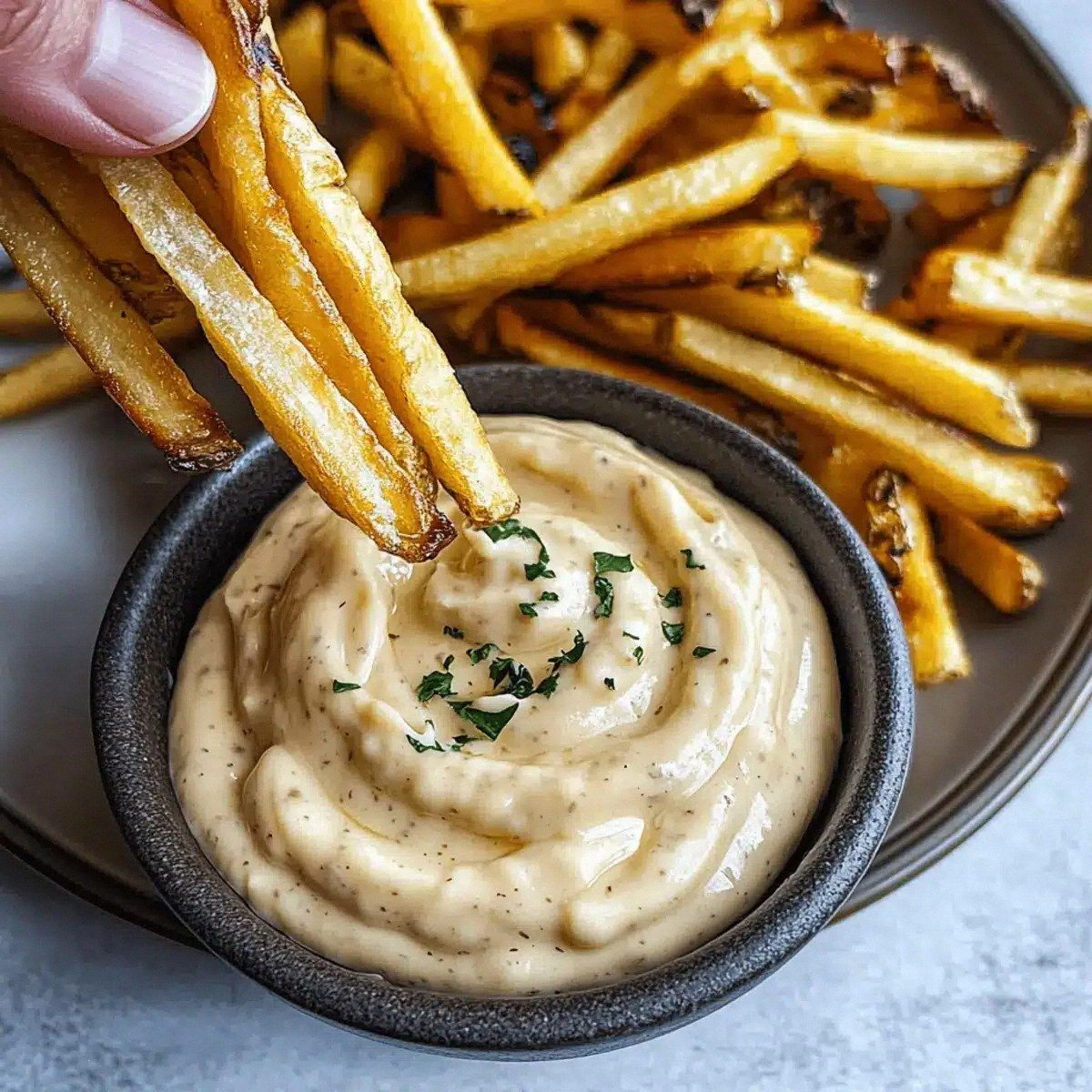
Picture this: I was frantically trying to rescue a wilted batch of fries that had turned into soggy sticks, and my roommate dared me to whip up a sauce that could bring them back from the dead. I grabbed whatever I could find in the pantry—an egg, a splash of oil, a half‑hearted squeeze of lemon—and in the chaos, I stumbled upon a flavor combination that made my taste buds do a standing ovation. The kitchen was a whirlwind of clattering pans, the faint hum of the fridge, and that unmistakable, heady aroma of garlic hitting hot oil, while a tiny drizzle of truffle oil whispered luxury like a secret lover. When the first spoonful hit my tongue, it was as if velvet and earth had collided in a buttery explosion, turning those sad fries into a gourmet experience that even the most skeptical foodie would crown as a triumph.
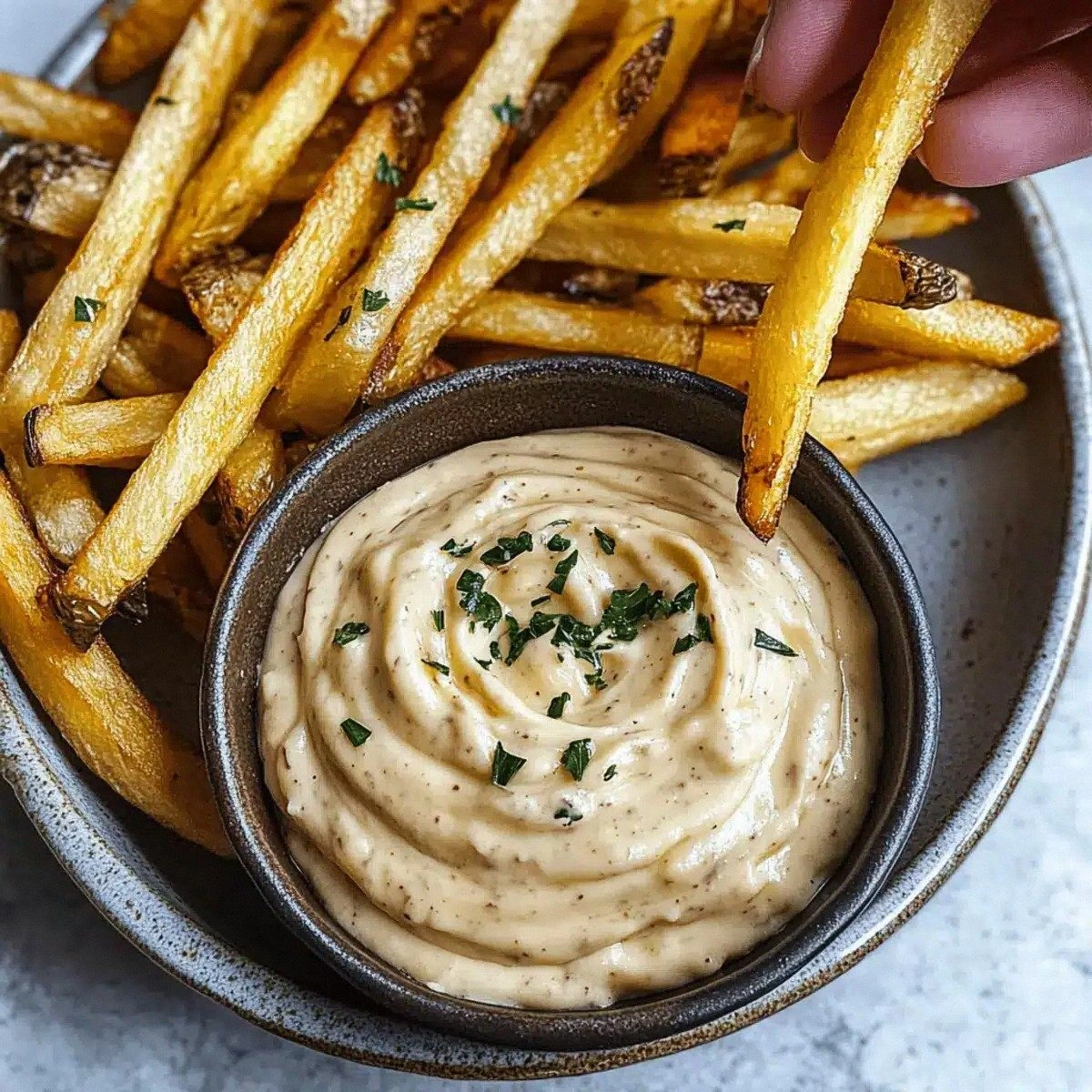
That moment sparked a revelation: a simple aioli, when elevated with the right ingredients and technique, can transform any dish from pedestrian to unforgettable. Most recipes either drown the delicate truffle notes in too much mayo or skimp on the emulsification, leaving you with a watery mess that clings to the plate like a bad joke. I decided to strip the process back to its purest form, using a single egg as the emulsifying hero, a neutral‑tasting oil that lets the truffle shine, and just enough acidity to keep everything bright. The result? A silky, luxurious sauce that coats grilled vegetables, sandwiches, and even a humble burger patty like a silk scarf on a runway model—effortless, elegant, and undeniably addictive.
Now, I’m going to be honest — I ate half the batch before anyone else got to try it, and I still can’t get over the lingering aroma that clings to my kitchen cabinets. This isn’t just another condiment; it’s a game‑changer that makes you feel like a culinary wizard every time you drizzle it. I dare you to taste this and not go back for seconds, because once you experience that truffle‑kissed richness, ordinary sauces will forever feel like cheap imitations. Most recipes get this completely wrong. Here’s what actually works: a precise balance of temperature, a slow drizzle of oil, and the right amount of truffle to keep the flavor sophisticated without overwhelming the palate.
So, buckle up, because we’re about to embark on a flavor adventure that will have you pulling this out of the fridge and spreading it on everything you own. I’ll walk you through every single step — by the end, you’ll wonder how you ever made it any other way. Okay, ready for the game‑changer? This next part? Pure magic.
What Makes This Version Stand Out
- Flavor Depth: The combination of fresh garlic, tangy lemon, and earthy truffle creates a layered taste that evolves with each bite, turning simple dishes into a gourmet experience.
- Silky Texture: Emulsifying with a single egg yields a custard‑smooth consistency that clings to food like a second skin, never separating or becoming greasy.
- Simplicity: Only seven ingredients, all pantry‑friendly, mean you can throw this together in under thirty minutes without a pantry raid.
- Ingredient Quality: Using a high‑quality neutral oil and real black truffle (or truffle oil) ensures the aromatics shine without any off‑flavors.
- Crowd Reaction: Guests often ask, “What’s the secret?” and you can watch their eyes widen as they realize it’s homemade, not store‑bought.
- Make‑Ahead Potential: This aioli keeps its brilliance for up to a week in the fridge, making it perfect for meal prep or spontaneous gatherings.
- Versatility: From sandwiches to roasted veggies, grilled seafood to fries, it adapts effortlessly, becoming the star of any plate.
- Healthier Twist: By using a neutral oil instead of heavy mayo, you cut down on saturated fat while retaining that luxurious mouthfeel.
Inside the Ingredient List
The Flavor Base
1 large Egg: This is the emulsifying powerhouse that binds oil and water into a cohesive, silky sauce. The egg yolk’s lecithin acts like a molecular glue, ensuring every drop of oil stays suspended. If you skip the egg, you’ll end up with a watery, separated mixture that looks and tastes like a broken vinaigrette. For those with egg allergies, a tablespoon of aquafaba can mimic the emulsifying properties, though the texture will be slightly lighter.
2 cloves Garlic: Fresh garlic provides that punchy, aromatic backbone that balances the earthiness of the truffle. When minced finely, it releases allicin, which adds a subtle heat that wakes up the palate. If you over‑process it, the flavor can become bitter, so a quick chop with a chef’s knife is ideal. As a swap, roasted garlic can lend a sweeter, caramelized note for a milder profile.
The Texture Crew
150 ml Neutral Tasting Oil: Think of this as the canvas on which the flavors paint. A neutral oil like grapeseed or sunflower lets the truffle’s perfume dominate without competing. Using olive oil would introduce a grassy bitterness that clashes with the delicate truffle notes. If you’re watching calories, a light avocado oil works well and adds a subtle buttery undertone.
1 tbsp Lemon Juice: The acidity cuts through the richness, brightening the sauce and preventing it from feeling cloying. Freshly squeezed lemon is crucial; bottled juice introduces unwanted preservatives and a flat flavor. If lemons are out of season, a splash of white wine vinegar can substitute, though you’ll lose some of that citrus sparkle.
The Unexpected Star
2 slices with oil or 2 tsp Black Truffle or Truffle Oil: This is where the magic truly happens. Real black truffle shavings bring an earthy, musky aroma that’s impossible to replicate, while truffle oil offers a more affordable, yet still luxurious, alternative. If you have access to fresh truffle, shave it just before adding to preserve its volatile compounds. Remember, a little goes a long way—over‑doing it can overwhelm the other flavors.
The Final Flourish
1 tsp Dijon Mustard: Dijon adds a subtle tang and a hint of mustard seed heat, which helps stabilize the emulsion and adds depth without dominating the flavor. If you’re allergic to mustard, a teaspoon of whole‑grain mustard works, though it will introduce a grainy texture. Skip it entirely and you may notice the aioli is a touch less cohesive.
1/4 tsp Salt: Salt is the silent conductor that brings all the flavors together, enhancing both the garlic and truffle while balancing the acidity. A pinch of flaky sea salt on top just before serving adds a pleasant crunch. If you’re on a low‑sodium diet, start with half the amount and adjust to taste.
Everything's prepped? Good. Let's get into the real action…
The Method — Step by Step
-
Start by placing a medium‑sized stainless steel bowl over a pan of simmering water, creating a gentle double‑boiler. The water should barely touch the bottom of the bowl, keeping the temperature low and steady. Crack the large egg into the bowl, making sure no shell fragments sneak in. I dare you to watch the egg wobble in the steam and not feel a surge of anticipation.
Kitchen Hack: If you don’t have a double‑boiler, a heat‑proof glass bowl set over a saucepan works just as well. -
Whisk the egg continuously, ensuring the yolk and white blend into a smooth, pale yellow mixture. The goal is to create a thick, ribbon‑like consistency that will later capture the oil. As you whisk, you’ll hear a faint, soothing sound—like a quiet river—signaling that the proteins are beginning to unfold.
-
Begin the slow drizzle: pour the neutral oil in a thin, steady stream while whisking vigorously. This is the critical moment of truth; the oil must be incorporated gradually, otherwise the emulsion will break. You’ll notice the mixture thickening and turning glossy, like a sunrise over a calm sea.
Watch Out: If the oil is added too quickly, the sauce will separate, leaving you with a soupy mess that’s impossible to rescue. -
Once about half the oil has been incorporated and the mixture is thick and velvety, add the Dijon mustard. The mustard not only contributes flavor but also acts as an additional emulsifier, reinforcing the stability of the sauce. At this point, the aioli should look like a smooth, pale gold custard, ready to absorb the remaining oil.
-
Continue whisking while slowly adding the remaining oil. You’ll see the aioli become richer, deeper in color, and even more glossy. This stage is where the sauce truly transforms into that luxurious texture that coats food like velvet. Keep the whisk moving—don’t let the bowl sit idle for more than a few seconds.
-
Now, stir in the minced garlic, lemon juice, and salt. The garlic will infuse a fragrant warmth, while the lemon brightens the entire composition, preventing it from feeling overly heavy. Taste at this stage; you should detect a perfect balance of salty, tangy, and aromatic notes.
-
Finally, fold in the truffle—whether you’re using freshly shaved black truffle or truffle oil. If using truffle oil, drizzle it in a thin stream and whisk gently to avoid over‑aerating. If you have fresh truffle, shave it directly into the aioli; the heat from the mixture will release its intoxicating aroma instantly.
Kitchen Hack: Store any leftover truffle shavings in a sealed container with a thin layer of oil; they’ll stay aromatic for weeks. -
Remove the bowl from the heat and let the aioli cool to room temperature. Transfer it to a clean glass jar, seal tightly, and refrigerate for at least 30 minutes before serving. This resting period allows the flavors to meld, creating a cohesive, harmonious sauce that will coat your dishes like a second skin. Picture yourself pulling this out of the fridge, the whole kitchen smelling incredible…
That's it — you did it. But hold on, I've got a few more tricks that'll take this to another level…
Insider Tricks for Flawless Results
The Temperature Rule Nobody Follows
Keep your bowl warm, but not hot. A temperature of around 40‑45°C (105‑113°F) is ideal for emulsification. If the bowl is too cold, the oil will reject the egg, causing a split; too hot, and the egg will scramble. I once tried to speed things up by cranking the heat, and the result was a curdled mess that looked like a science experiment gone wrong. So, patience and a gentle heat are your best friends here.
Why Your Nose Knows Best
Throughout the process, trust your sense of smell more than the clock. When the garlic hits the oil, you should detect a sweet, nutty aroma within seconds. When the truffle is added, a deep, earthy perfume should instantly fill the kitchen. If you don’t smell these cues, you’ve likely under‑ or over‑cooked something, and the flavor balance will be off.
The 5‑Minute Rest That Changes Everything
After whisking, let the aioli sit uncovered for five minutes before sealing the jar. This short rest lets any tiny air bubbles escape and the flavors settle. I once skipped this step, and the sauce felt a bit “airy” on the palate, like it was missing that dense, creamy body. The rest also prevents condensation from forming inside the jar, which can dilute the sauce over time.
Cold Water Rescue
If you notice the sauce starting to separate near the end, whisk in a teaspoon of ice‑cold water. The sudden temperature drop can coax the emulsion back together, similar to how a baker rescues a broken buttercream. This trick saved my sauce once when I accidentally added the oil a tad too fast.
Seasoning Layers
Season in stages: a pinch of salt with the garlic, a dash of pepper with the lemon, and a final sprinkle of flaky sea salt just before serving. Layered seasoning ensures each bite hits the palate with balanced flavor, rather than a single, overwhelming hit. A friend tried adding all the salt at once and ended up with a bland sauce that needed a rescue.
Creative Twists and Variations
This recipe is a playground. Here are some of my favorite ways to switch things up:
Spicy Sriracha Truffle Aioli
Add a tablespoon of Sriracha and a pinch of smoked paprika for a smoky‑heat version that pairs beautifully with grilled shrimp or tacos. The heat complements the earthy truffle, creating a balanced kick.
Herb‑Infused Green Goddess
Blend in a handful of fresh basil, parsley, and chives after the aioli is finished. The herbaceous notes brighten the sauce, making it perfect for spring salads or as a dip for fresh veggies.
Lemon‑Zest Citrus Burst
Incorporate the zest of one extra lemon and a splash of orange juice for a citrus-forward twist that works wonders on fish tacos or roasted salmon.
Umami Mushroom Boost
Stir in a tablespoon of finely chopped sautéed shiitake mushrooms for an extra layer of umami that deepens the truffle’s earthiness—ideal for mushroom‑laden burgers.
Vegan Adaptation
Swap the egg for ¼ cup of aquafaba (the liquid from a can of chickpeas) and use a high‑quality grapeseed oil. The texture will be slightly lighter, but the flavor profile remains intact.
Cheesy Truffle Dip
Mix in ¼ cup of grated aged Parmesan right before serving for a rich, cheesy dip that’s perfect for pretzel bites or crispy potato wedges.
Storing and Bringing It Back to Life
Fridge Storage
Transfer the aioli to an airtight glass jar and keep it in the refrigerator for up to 7 days. The neutral oil helps preserve freshness, but always give it a quick stir before each use to recombine any settled layers.
Freezer Friendly
If you’ve made a large batch, portion it into silicone ice‑cube trays and freeze. Once solid, pop the cubes into a zip‑top bag and store for up to 3 months. When you need it, thaw a cube in the fridge overnight and whisk gently to restore its creamy texture.
Best Reheating Method
Aioli doesn’t need heating, but if you want to warm it slightly for a hot sandwich, place the jar in a bowl of warm (not boiling) water for a minute. Add a tiny splash of water—just a teaspoon—before whisking; the steam will bring it back to a silky consistency without separating.