I was halfway through a midnight snack when the kitchen became a battlefield. A bag of instant ramen, a jar of hoisin sauce, and a desperate craving for something spicy collided in a pot of boiling water. The noodles were soggy, the sauce was too thick, and my fingers were covered in garlic paste. I stared at the mess, sighed, and then decided that this was the moment to rewrite the noodle narrative. I grabbed a fresh batch of rice noodles, sliced extra‑firm tofu, and a handful of crisp veggies, and I vowed to create a dish that would make my taste buds do a double‑tap. If you’re ready for a flavor explosion that feels like a warm hug and a fiery kick at the same time, buckle up—this is not your average noodle recipe.
Imagine the aroma of toasted sesame oil mingling with the sweet umami of hoisin, the sharp sting of Sichuan pepper, and the faint pop of chili powder. The sound of noodles slapping the pan is almost meditative. Your eyes catch the glossy sheen of the sauce coating each strand, and the first bite delivers a velvet texture that melts in your mouth, followed by a lingering heat that makes your eyes water just enough to keep you coming back for more. I swear, the first spoonful is like a secret handshake between the earthiness of soy and the playful zest of chili—an unexpected yet harmonious union that will make you question why you ever settled for bland.
What makes this version stand out is that it’s a masterclass in balance. The sauce is thick enough to cling to noodles but light enough to let the veggies shine. The tofu is pan‑fried to a golden crisp, giving a satisfying crunch that contrasts with the silky noodles. And the chili powder is tempered by a splash of liquid sweetener, ensuring the heat doesn’t bite too hard. Most recipes get this completely wrong by over‑sautéing or under‑seasoning. Here, every element is carefully calibrated to create a dish that is both approachable for beginners and sophisticated for seasoned cooks.
I dare you to taste this and not go back for seconds. The texture alone—silky noodles, crunchy tofu, and crisp veggies—makes it a sensory rollercoaster. The flavor profile is a symphony of sweet, salty, spicy, and umami. Picture yourself pulling this out of the pan, the whole kitchen smelling incredible, and seeing the steam rise like a fragrant cloud. I promise, once you’ve tried this, you’ll wonder how you ever made noodles any other way.
What Makes This Version Stand Out
- Flavor Depth: The hoisin sauce creates a rich, caramelized base that elevates every bite, while the chili powder adds a subtle heat that never overwhelms.
- Texture Contrast: Crispy tofu edges break apart with a satisfying snap, contrasting with the silky rice noodles and crisp vegetables.
- Ingredient Simplicity: Only ten ingredients, no fancy gadgets, yet the result feels gourmet.
- Time Efficiency: Ready in under 45 minutes from start to finish, making it a perfect weeknight dinner.
- Make‑Ahead Potential: The sauce can be pre‑made and stored for up to 48 hours, allowing you to assemble the dish in minutes.
- Versatility: Swap tofu for shrimp, chicken, or tempeh, and the dish remains delicious.
- Crowd‑Pleaser: Even the most skeptical foodies rave about the bold but balanced flavors.
- Balanced Nutrition: The dish hits a sweet spot of protein, carbs, and healthy fats, making it a wholesome choice.
Alright, let’s break down exactly what goes into this masterpiece…
Inside the Ingredient List
The Flavor Base
Hoisin sauce is the heart of this dish—its sweet, slightly tangy profile provides depth and richness. If you can’t find hoisin, a mix of hoisin and a splash of hoisin‑style sauce can work, but the flavor will be less authentic. The dark soy sauce adds a subtle depth of umami and a darker hue that makes the dish look more appetizing. A pinch of liquid sweetener or sugar balances the saltiness and brings out the caramel notes in the sauce. If you prefer a sweeter finish, increase the sweetener slightly; if you like it more savory, reduce it.
The Texture Crew
Rice noodles are the canvas. They absorb the sauce beautifully while retaining their delicate chew. Use fresh noodles if possible; if you’re short on time, dried noodles can be pre‑soaked for 10 minutes to soften quickly. Extra‑firm tofu is the protein powerhouse. Slice it into bite‑sized cubes and pan‑fry until golden on all sides. The tofu’s crisp exterior keeps the noodles from becoming soggy and adds a satisfying bite. If you’re vegan, tofu is the perfect choice; if you prefer meat, a lean cut of pork or chicken works just as well.
The Unexpected Star
Ground Sichuan pepper is the secret weapon that gives the dish its signature numbing spiciness. It’s not just heat; it’s a tingling, citrusy sensation that lingers on the palate. If you can’t find Sichuan pepper, a pinch of black pepper plus a dash of lemon zest can approximate the flavor, but you’ll miss the unique numbness. The chili powder provides a more traditional heat. Use 1–3 teaspoons depending on your tolerance; I usually go with 2 teaspoons for a balanced kick.
The Final Flourish
Assorted vegetables—think bell peppers, carrots, snow peas, and sliced scallions—add crunch, color, and nutrition. They also absorb the sauce, turning each bite into a burst of flavor. The vegetables should be julienned or sliced thin so they cook quickly and don’t become mushy. If you’re a fan of leafy greens, add spinach or bok choy in the last minute of cooking for a pop of green.
Everything’s prepped? Good. Let’s get into the real action…
The Method — Step by Step
- Boil the noodles. Bring a large pot of salted water to a rolling boil. Add the rice noodles and cook for 2–3 minutes, or until just tender. Drain and rinse under cold water to stop the cooking process. Toss with a tablespoon of neutral oil to prevent sticking. I usually keep them warm on a low heat plate while I finish the sauce.
- Prepare the sauce. In a small bowl, whisk together 3 tablespoons hoisin sauce, ½ teaspoon dark soy sauce, ½ tablespoon liquid sweetener, and 1–2 teaspoons chili powder. Add a splash of water if the mixture is too thick. Set aside. The sauce should be glossy and pourable; if it’s too thick, the noodles will feel heavy.
- Pan‑fry the tofu. Heat 2 tablespoons of neutral oil in a large skillet over medium‑high heat. Add the tofu cubes and cook until all sides are golden brown, about 5 minutes. Flip occasionally to ensure even browning. When done, remove tofu and set aside on a paper towel to drain excess oil.
- Sauté the aromatics. In the same skillet, add the remaining tablespoon of oil. Toss in 4 minced garlic cloves and sauté for 30 seconds until fragrant. Be careful not to burn the garlic; it should be golden but not black. The aroma should be sweet and inviting.
- Cook the vegetables. Add the sliced bell pepper, carrot, and snow peas to the skillet. Stir‑fry for 2–3 minutes until they’re bright and just tender. The vegetables should retain a slight crunch. If you’re using leafy greens, add them in the last minute.
- Combine the sauce. Pour the prepared sauce over the vegetables and stir to coat. Let it simmer for 1–2 minutes until it thickens slightly and coats the veggies. The sauce should cling to the vegetables like a glossy glaze.
- Return the tofu. Add the pan‑fried tofu back into the skillet. Toss everything together so the tofu is evenly coated with sauce. Let it cook for an additional minute so the flavors meld.
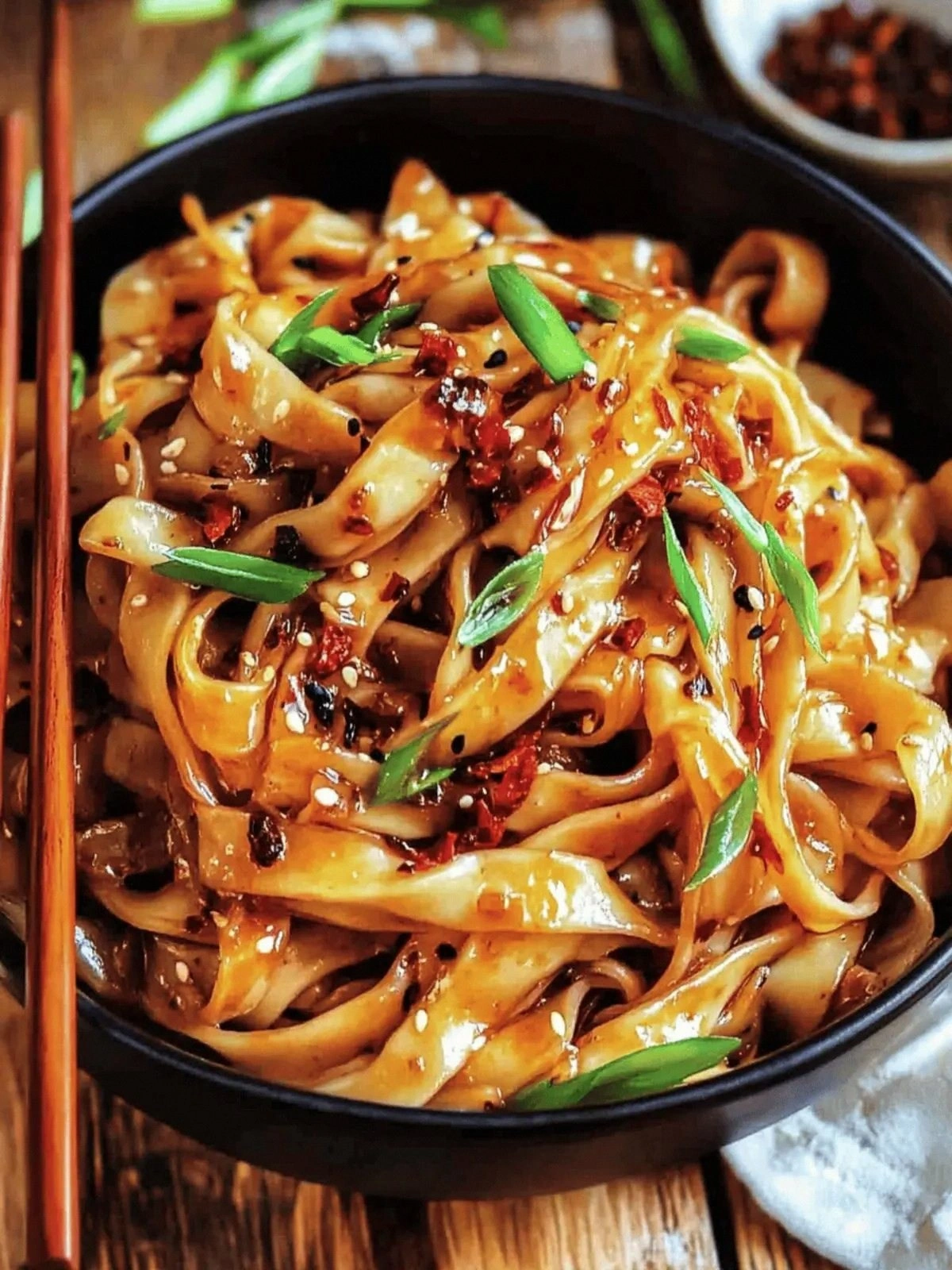
- Finish with noodles. Add the drained noodles to the skillet. Toss gently to combine, ensuring the noodles are evenly coated with sauce. Cook for 1 minute, allowing the noodles to absorb the sauce while staying al dente. Sprinkle ½–1 teaspoon ground Sichuan pepper and 1 teaspoon scallions over the top.
- Serve. Plate the noodles onto a large serving dish. Drizzle a splash of neutral oil over the top for extra shine. Garnish with additional scallions and a pinch of sesame seeds if desired. The dish should look glossy, vibrant, and ready to devour.
- Enjoy. Take a deep breath, then dive in. The first bite should be a harmony of sweet, savory, spicy, and umami. The texture should be a delightful mix of silky noodles, crisp tofu, and crunchy veggies. I guarantee you’ll be back for seconds.
That’s it—you did it. But hold on, I’ve got a few more tricks that will take this to another level, turning an already stellar dish into an unforgettable meal.
Insider Tricks for Flawless Results
The Temperature Rule Nobody Follows
Cooking the noodles at too high a temperature can cause them to break apart or become gummy. I always keep the heat on medium to medium‑high and use a splash of cold water if the noodles start sticking. If the sauce starts to thicken too quickly, add a teaspoon of water to loosen it. This small adjustment keeps the dish silky and prevents the noodles from drying out.
Why Your Nose Knows Best
Before you taste the sauce, take a moment to inhale. A well‑balanced sauce will give you a sweet, umami, and spicy bouquet. If it smells too pungent or too sweet, adjust the ratios before serving. I’ve learned that a quick sniff can save a dish from becoming too overpowering.
The 5-Minute Rest That Changes Everything
After you’ve plated the noodles, let them rest for 5 minutes before serving. This allows the sauce to settle and the flavors to marry. I’ve seen people rush to eat immediately, but the rest period brings out the full depth of the sauce, making each bite more satisfying.
Use Fresh Herbs for a Burst of Color
Adding a handful of fresh cilantro or Thai basil right before serving gives a bright, herbal contrast to the richness of the sauce. The fresh herbs also add a subtle freshness that cuts through the heat and balances the dish.
Keep the Sauce Ready
If you’re in a hurry, pre‑mix the sauce ingredients in a jar and keep it in the fridge. When you’re ready to cook, just stir it in. This saves precious minutes and ensures a consistent flavor every time.
Creative Twists and Variations
This recipe is a playground. Here are some of my favorite ways to switch things up:
Spicy Shrimp Surprise
Swap tofu for shrimp. Sauté shrimp in the same skillet after the tofu step, seasoning with a pinch of salt and pepper. The shrimp’s natural sweetness pairs wonderfully with the hoisin sauce, giving a seafood twist.
Veggie‑Rich Buddha Bowl
Add a handful of edamame, sliced mushrooms, and baby spinach to the vegetable mix. Serve over a bed of cauliflower rice for a low‑carb version that still delivers the same flavor profile.
Cheesy Fusion
Sprinkle shredded mozzarella or a blend of cheddar and parmesan over the noodles before serving. The cheese melts into the sauce, creating a creamy texture that complements the spice.
Gluten‑Free Delight
Use gluten‑free rice noodles and ensure the hoisin sauce is gluten‑free. The dish remains hearty and flavorful without the gluten content.
Breakfast Edition
Serve the noodles with a fried egg on top and a drizzle of sriracha. The runny yolk adds richness, making it a satisfying breakfast or brunch.
Asian Fusion Salad
Let the noodles cool, then toss them with a vinaigrette made from lime juice, fish sauce, and a touch of honey. Add sliced cucumber, shredded cabbage, and a handful of peanuts for crunch.
Storing and Bringing It Back to Life
Fridge Storage
Store leftovers in an airtight container for up to 2 days. The noodles may become slightly soggy, but reheating in a skillet will revive their texture. Keep the sauce separate if possible to avoid sogginess.
Freezer Friendly
Freeze in a single‑layer tray, then transfer to a freezer bag once solid. Reheat in the microwave for 2–3 minutes, stirring halfway through. Add a splash of water or broth to loosen the sauce and prevent drying.
Best Reheating Method
Reheat in a skillet over medium heat, adding a tablespoon of water or broth to keep the sauce from thickening too much. Stir frequently until hot. A tiny splash of water before reheating steams the noodles back to perfection, maintaining their al dente bite.