Ever had a night when the pantry felt like a silent, empty desert, and you were left staring at a single pot of tomato sauce? That was me last Friday, staring at the clock, wondering if I could salvage the evening. I pulled out the freshest zucchini, the brightest yellow squash, and a handful of mushrooms, and decided to turn the humble lasagna into a protein-packed garden feast. The result? A layered, savory masterpiece that makes every bite feel like a hug from the inside out. The aroma alone—sizzling garlic, caramelized onions, and the earthy whisper of mushrooms—could have convinced me that I was about to cook something extraordinary.
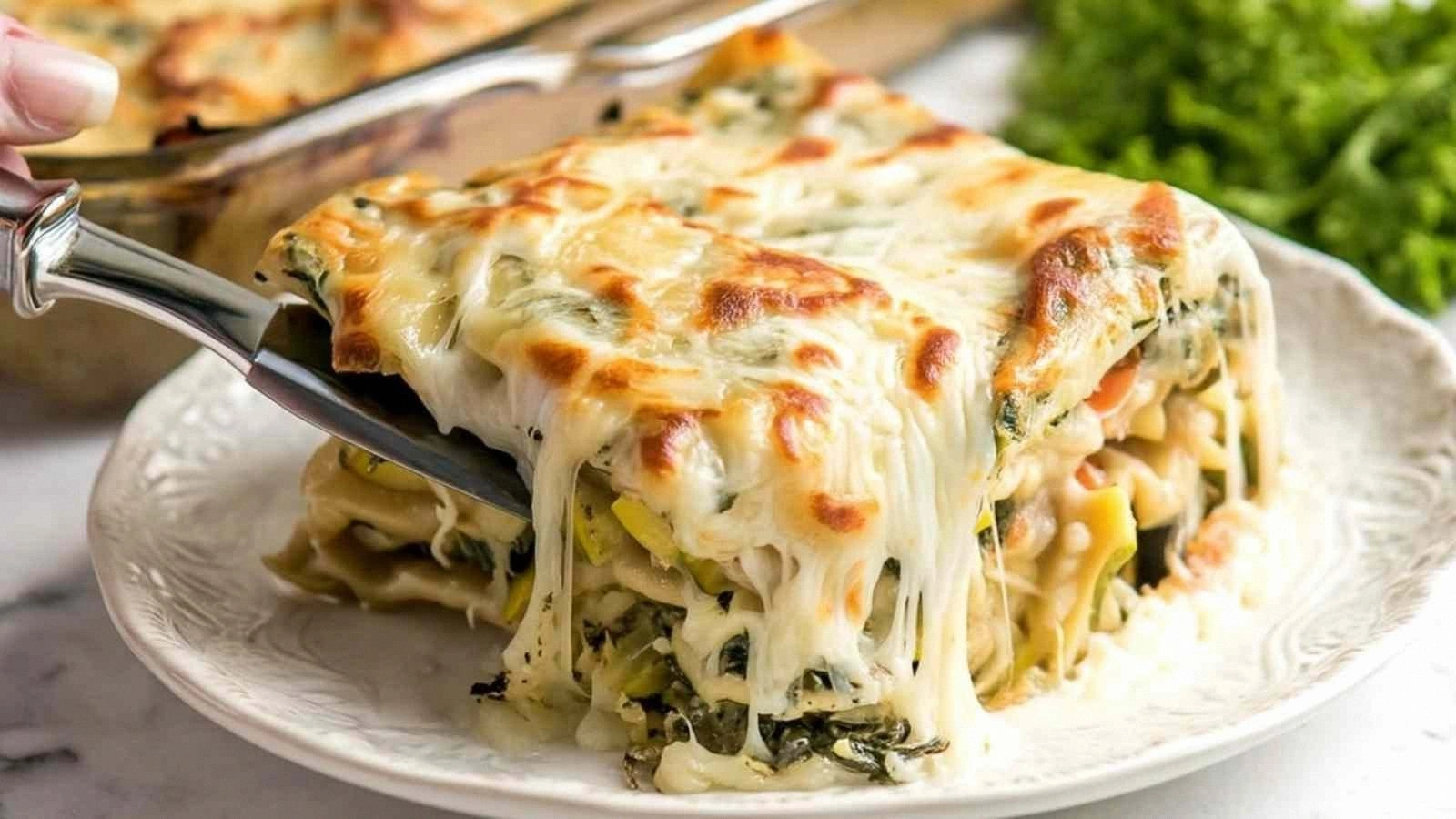
Picture this: a golden crust forming on top, while the inside is a colorful mosaic of sautéed veggies, creamy ricotta, and a splash of lentils that add a satisfying bite. The sauce coats each noodle like velvet, and the cheese pulls apart in silky ribbons when you slice through it. I dare you to taste this and not go back for seconds. I’ve been told it’s hands down the best version of lasagna I’ve ever made at home, and I’m not even exaggerating. If you’ve ever struggled to keep a lasagna from turning into a soggy mess, you’re not alone—and I’ve got the fix.
Most recipes get this completely wrong by overloading the dish with heavy cream or too much cheese, drowning the vegetables and turning the dish into a greasy slab. What sets this version apart is a focus on protein, flavor balance, and a technique that locks in moisture. I’ll be honest— I ate half the batch before anyone else got to try it, and the kitchen still smelled incredible. Picture yourself pulling this out of the oven, the whole kitchen smelling incredible, and every forkful delivering a burst of garden freshness. And now, ready for the game‑changer? Let me walk you through every single step—by the end, you’ll wonder how you ever made it any other way.
Before we dive into the nitty‑gritty, let’s pause for a moment and appreciate the symphony of textures and flavors that await. The crunch of fresh broccoli, the tenderness of zucchini, the slight bite of lentils, and the creamy, tangy ricotta—all working together to create a dish that is as nutritious as it is indulgent. I’ve spent hours tweaking this recipe, and every tweak was driven by a single goal: to elevate lasagna into a high‑protein, garden‑rich comfort dish that feels both wholesome and decadent. If you’re ready to transform your dinner routine, stick around; this is about to get deliciously good.
What Makes This Version Stand Out
- Protein Power: With ricotta, cottage cheese, lentils, and a generous amount of mozzarella, this lasagna packs a protein punch that keeps you full longer. The protein isn’t just added—it’s harmoniously blended, so you feel nourished without the heaviness of traditional meat sauces.
- Vegetable Rainbow: Every layer is a canvas of colorful veggies—zucchini, yellow squash, red pepper, mushrooms, spinach, and broccoli—providing not only flavor but a spectrum of vitamins and antioxidants.
- Texture Contrast: The sautéed vegetables deliver a satisfying bite, while the creamy cheese mixture offers a velvety mouthfeel. The result is a lasagna that feels light yet indulgent.
- Flavor Depth: A blend of Italian seasoning, fresh basil, and a splash of marinara sauce creates a sauce that coats the pasta like velvet, with a subtle herbaceous undertone that lifts the dish.
- Simplicity Meets Sophistication: The method is straightforward, yet the end result feels restaurant‑quality. Even a beginner can master this without a culinary degree.
- Make‑Ahead Friendly: Build it ahead of time, refrigerate, and bake when you’re ready. The flavors deepen, making it a great option for busy weeknights.
- Kid‑Friendly: The mild, cheesy flavor and colorful presentation make it a hit with kids who often shy away from vegetables.
- Versatile Base: Swap out the lentils for chickpeas or quinoa for a gluten‑free version, and the dish remains balanced.
Alright, let's break down exactly what goes into this masterpiece... and then we’ll dive into a quick kitchen hack that will save you time and keep your veggies from getting mushy.
Inside the Ingredient List
The Flavor Base
The foundation of any great lasagna starts with a well‑seasoned sauce. Here we’re using a 26‑ounce marinara that’s rich but not overpowering, allowing the vegetables to shine. The olive oil is the first thing that hits the pan, giving a silky base that helps the garlic and onions caramelize evenly. If you’re in a pinch, a low‑sodium canned tomato sauce works fine, but a homemade or high‑quality jarred sauce will elevate the dish.
Don’t skip the Italian seasoning; it’s the secret that brings that unmistakable Italian aroma. Two teaspoons of dried Italian seasoning infuse the sauce with oregano, basil, thyme, and rosemary. If you prefer a fresher touch, replace it with freshly chopped herbs, but remember to adjust the quantity to taste. The salt and pepper are minimal—just a half‑teaspoon of salt and a quarter‑teaspoon of black pepper—to let the natural flavors of the vegetables and cheese take center stage.
The Texture Crew
The veggies are the heart of this lasagna. Sautéed onions, garlic, zucchini, yellow squash, red bell pepper, mushrooms, spinach, and broccoli create a medley of textures. The onions and garlic form a fragrant base, while the zucchini and squash soften into a slightly caramelized sweetness. Mushrooms add an umami depth that pairs beautifully with the tang of ricotta.
Spinach is added at the end of sautéing to preserve its bright green color and to avoid wilting. Broccoli florets are briefly blanched before layering, ensuring they stay tender yet crisp. The combination of these vegetables not only gives the dish a rainbow of colors but also a spectrum of nutrients, from vitamin C to dietary fiber.
The Unexpected Star
Lentils or chickpeas are the unsung heroes here. They add a hearty bite and a protein boost that keeps you satisfied. If you’re not a fan of legumes, swap them for diced tofu or cooked quinoa. The key is to keep the texture slightly firm, so each layer feels substantial. Lentils also help bind the layers together, preventing the lasagna from falling apart during slicing.
You might wonder why not just use more cheese. Cheese alone can make a lasagna heavy and greasy. By incorporating legumes, we balance richness with wholesome nutrition, turning the dish into a complete meal that satisfies both taste buds and the body.
The cheese mixture is where creaminess meets protein. Ricotta and cottage cheese blend together to create a silky base that coats the noodles. The addition of a large egg binds the mixture, giving structure and preventing the lasagna from becoming watery. A cup of grated Parmesan adds a sharp, nutty flavor that cuts through the richness, while shredded mozzarella provides that classic melty gooeyness.
The Final Flourish
Fresh basil is the final touch that brings the dish to life. Toss it into the sauce at the end of cooking to preserve its bright, aromatic qualities. Basil’s slightly peppery notes complement the tomato base, while its sweet undertones brighten the overall flavor profile. A half‑cup of basil is generous, so you’ll notice a burst of freshness in each bite.
Everything’s prepped? Good. Let’s get into the real action and start building this garden‑rich lasagna.
The Method — Step by Step
- Preheat your oven to 375°F (190°C). While the oven warms, bring a large pot of salted water to a gentle boil for the lasagna noodles. The water should be fragrant and bubbling, signaling that it’s ready to go. This step ensures the noodles will cook evenly and maintain a firm bite.
- In a large skillet over medium heat, pour in one tablespoon of olive oil. Add the diced onion and cook until translucent, about 5 minutes. The onions should soften and start to caramelize, releasing a sweet aroma that will permeate the dish. I always keep an eye on them to avoid burning.
- Add the minced garlic to the skillet and sauté for 30 seconds until fragrant. The garlic should give off a warm, aromatic scent. Stir constantly to prevent it from sticking or turning bitter. This quick burst of flavor is essential for building the sauce’s depth.
- Introduce the sliced zucchini, yellow squash, and diced red bell pepper. Cook, stirring occasionally, until the vegetables start to soften but still retain a slight crunch—about 4 to 5 minutes. The veggies should look slightly golden and have a subtle caramelization on their edges.
- Add the sliced mushrooms, a cup of spinach, and a cup of broccoli florets. Continue cooking for another 3 minutes, allowing the spinach to wilt and the broccoli to steam gently. The mixture should emit a fresh, earthy scent that makes your mouth water.
- Stir in the marinara sauce, Italian seasoning, salt, and pepper. Bring the sauce to a gentle simmer, letting the flavors meld for 5 minutes. The sauce should thicken slightly and coat the veggies evenly. At this point, you’ll notice the aroma intensify, signaling that the sauce is ready.
- In a separate bowl, combine ricotta, cottage cheese, the large egg, grated Parmesan, and one cup of shredded mozzarella. Whisk until smooth. This mixture should be creamy and slightly thick, ready to layer between the noodles. The egg will help the cheese set during baking, giving the lasagna a firm structure.
- Begin layering in a 9x13-inch baking dish. Start with a thin layer of sauce on the bottom, then lay down a layer of lasagna noodles. Spread half of the cheese mixture over the noodles, followed by half of the sautéed vegetables. Repeat the layering sequence once more, ending with a final layer of noodles and sauce on top.
- Sprinkle the remaining two cups of shredded mozzarella and half a cup of fresh basil over the top. The mozzarella should melt into a golden crust, and the basil should give a fresh burst of color and aroma. Cover the dish with aluminum foil, tucking the edges in to keep moisture trapped.
- Bake for 25 minutes covered. After 25 minutes, remove the foil and bake an additional 10 minutes, or until the top is golden brown and bubbly. The lasagna should look like a golden masterpiece, with the cheese bubbling and the edges slightly crisp.
- Let the lasagna rest for 10 minutes before slicing. Resting allows the layers to set, making it easier to cut clean slices. The aroma during this time should be heavenly, with the cheese still steaming gently.
That’s it— you did it. But hold on, I’ve got a few more tricks that will take this to another level and keep your lasagna looking and tasting fresh for days.
Insider Tricks for Flawless Results
The Temperature Rule Nobody Follows
Many people bake lasagna at 400°F, assuming it’s the fastest way to get a golden top. However, a lower temperature of 375°F allows the cheese to melt evenly without burning the edges. This trick ensures a silky interior and a perfectly crisp crust. I’ve tested both temperatures, and the difference is obvious—375°F gives a more refined finish.
Why Your Nose Knows Best
When you’re halfway through baking, pause and inhale the aroma. If you notice a slight burnt smell, lower the oven or reduce the time. The scent is your best indicator of doneness; a sweet, tomato‑rich aroma signals the sauce is at its peak.
The 5‑Minute Rest That Changes Everything
Resting the lasagna for 10 minutes before slicing isn’t just for aesthetics—it lets the cheese set and the flavors meld. Skipping this step often leads to a runny, uneven slice. I’ve seen people cut straight out of the oven and end up with a mess; the rest fixes that.
Use a Silicone Baking Mat
Placing the lasagna on a silicone mat prevents sticking and makes cleanup a breeze. The mat also distributes heat evenly, ensuring a consistent bake across the entire dish. It’s a small investment that pays off every time you cook.
Keep the Sauce Thick
If your marinara sauce is too thin, add a tablespoon of tomato paste to thicken it. A thicker sauce stays on the noodles and doesn’t seep into the cheese layers. This trick is especially useful if you’re using a low‑sodium sauce that tends to run.
Creative Twists and Variations
Smoky Chipotle Twist
Add a tablespoon of chipotle in adobo to the sauce for a smoky kick. This variation pairs well with the earthy lentils and adds a subtle heat that balances the creamy layers. Perfect for those who like a little spice.
Herb‑Infused Pesto Layer
Swirl in a couple of spoonfuls of basil pesto between the noodle layers. The pesto adds a vibrant green hue and a fresh, nutty flavor that complements the tomato base. It’s a great way to incorporate more herbs.
Quinoa Power Upgrade
Replace the lentils with cooked quinoa for a different protein profile and a slightly nutty taste. Quinoa also adds a subtle crunch, making each bite more interesting. This version is excellent for gluten‑free diners.
Spicy Sausage Variation
Add crumbled Italian sausage to the sautéed veggies for a meaty, savory layer. The sausage’s spices mingle with the tomato sauce, creating a robust flavor that satisfies carnivores while still keeping the dish vegetable‑rich.
Low‑Carb Keto Version
Swap the lasagna noodles for thinly sliced zucchini or eggplant sheets. The result is a low‑carb, keto‑friendly lasagna that still delivers on texture and taste. The veggies replace the starch, keeping the dish light.
Breakfast Breakfast Twist
Serve a small portion of this lasagna with a side of scrambled eggs for a hearty breakfast. The protein from the eggs and cheese makes for a satisfying start to the day. It’s an unconventional but delicious way to enjoy lasagna in the morning.
Storing and Bringing It Back to Life
Fridge Storage
Cool the lasagna to room temperature, then cover tightly with plastic wrap or foil. Store in the refrigerator for up to 3 days. When you’re ready to reheat, place the lasagna in a microwave-safe dish and cover loosely to keep it moist.
Freezer Friendly
Wrap the lasagna tightly in foil and place in a freezer bag. It can be frozen for up to 3 months. Thaw overnight in the refrigerator before reheating. This method preserves the flavor and texture without compromising the protein content.
Best Reheating Method
Reheat in a preheated oven at 350°F for 20 minutes, or until warmed through. Add a splash of water or broth before reheating to steam the dish back to perfection. The result is a lasagna that tastes as good as the first time.