When the kitchen fire alarm blared and my oven was still humming, I realized I had too many eggs and too few ideas. I stared at the sticky caramel that had formed on the bottom of the pan, thinking it was a disaster. Then I remembered the last time I tried a Korean snack and the memory of gochujang's sharp, umami heat. I decided to combine the two: caramel and gochujang. That night, the kitchen smelled like a sweet, spicy promise.
The first bite was a revelation: a crisp shell that cracked like a brittle shell, giving way to a molten caramel center that sang with buttery richness. The gochujang added a gentle heat that didn't overwhelm but rather danced on the palate, leaving a lingering warmth. I was suddenly convinced that this was the missing piece of the dessert puzzle. The texture was a contrast that made every mouthful feel like a small adventure. My friends who tasted it were stunned, asking for the recipe right away.
I knew I had to share this, but I also knew that most cookie recipes are either too sweet or too bland. I wanted a version that would stand out, that would make people say, “I dare you to taste this and not go back for seconds.” I wanted a cookie that would bring the heat of Korean street food into a familiar comfort. I wanted to make sure it was simple enough that even a beginner could master it. I also wanted to keep the process quick so you could have it fresh in 45 minutes.
The secret? A caramel glaze that coats the dough like velvet, a gochujang infusion that adds depth, and a precise baking time that locks in the crunch. The butter is doubled to create a buttery richness that melts into the caramel. The light brown sugar gives a subtle molasses note that pairs with the gochujang's umami. The baking soda is the trick that gives the cookies that light, airy bite. The result is a cookie that feels both indulgent and sophisticated.
Most recipes get this completely wrong by overcooking or underseasoning. They either end up with a flat, greasy cookie or a cookie that tastes like a sauce. I discovered that the key is the balance of sweet and heat, and that the caramel must be cooked to the right stage. The gochujang should be added at the right time to avoid bitterness. And the baking time must be precise to keep the edges crisp while the center stays chewy.
I tested the recipe over several evenings, tweaking the sugar ratio and the gochujang amount. I learned that the butter should be at room temperature to allow the sugar to dissolve properly. I also discovered that letting the dough rest for 15 minutes before baking improves the texture. The result is a cookie that looks like a golden treasure, ready to be shared. I couldn't wait to bring it to my next gathering.
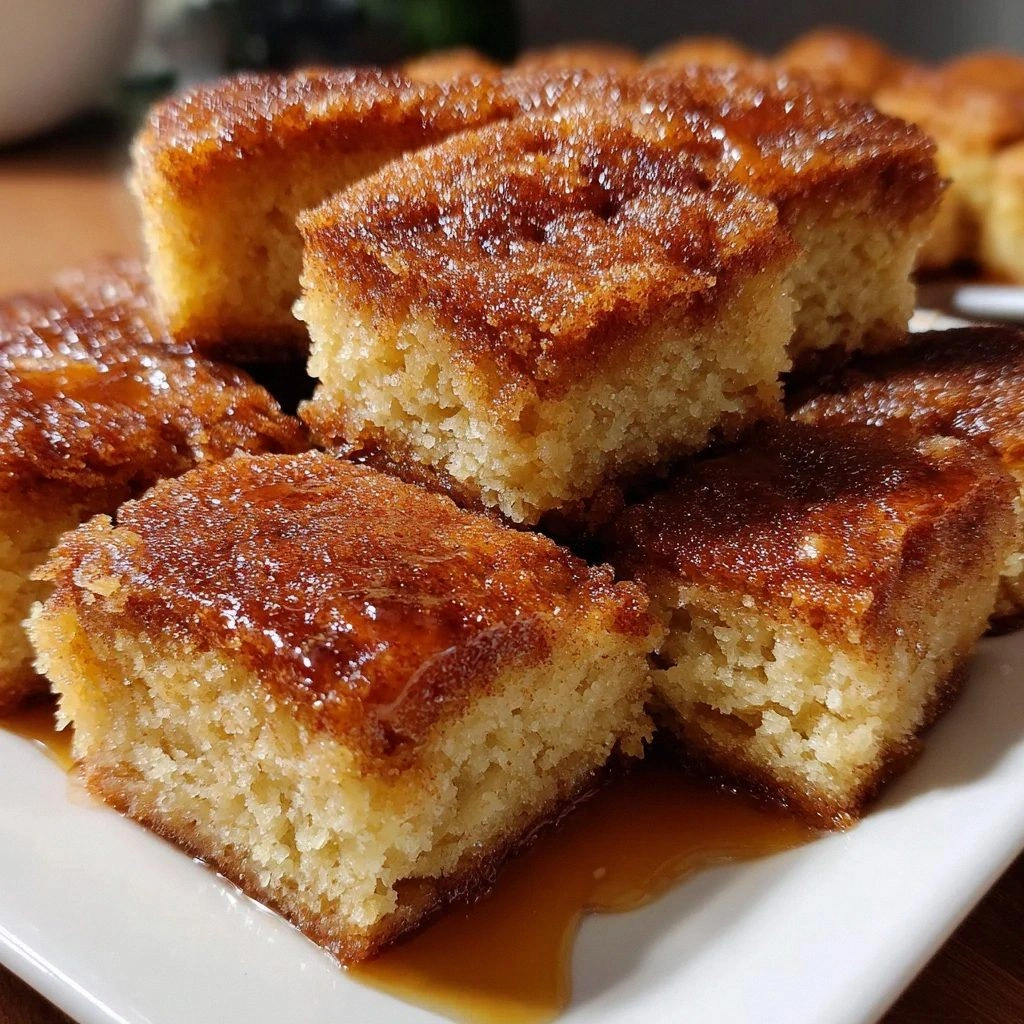
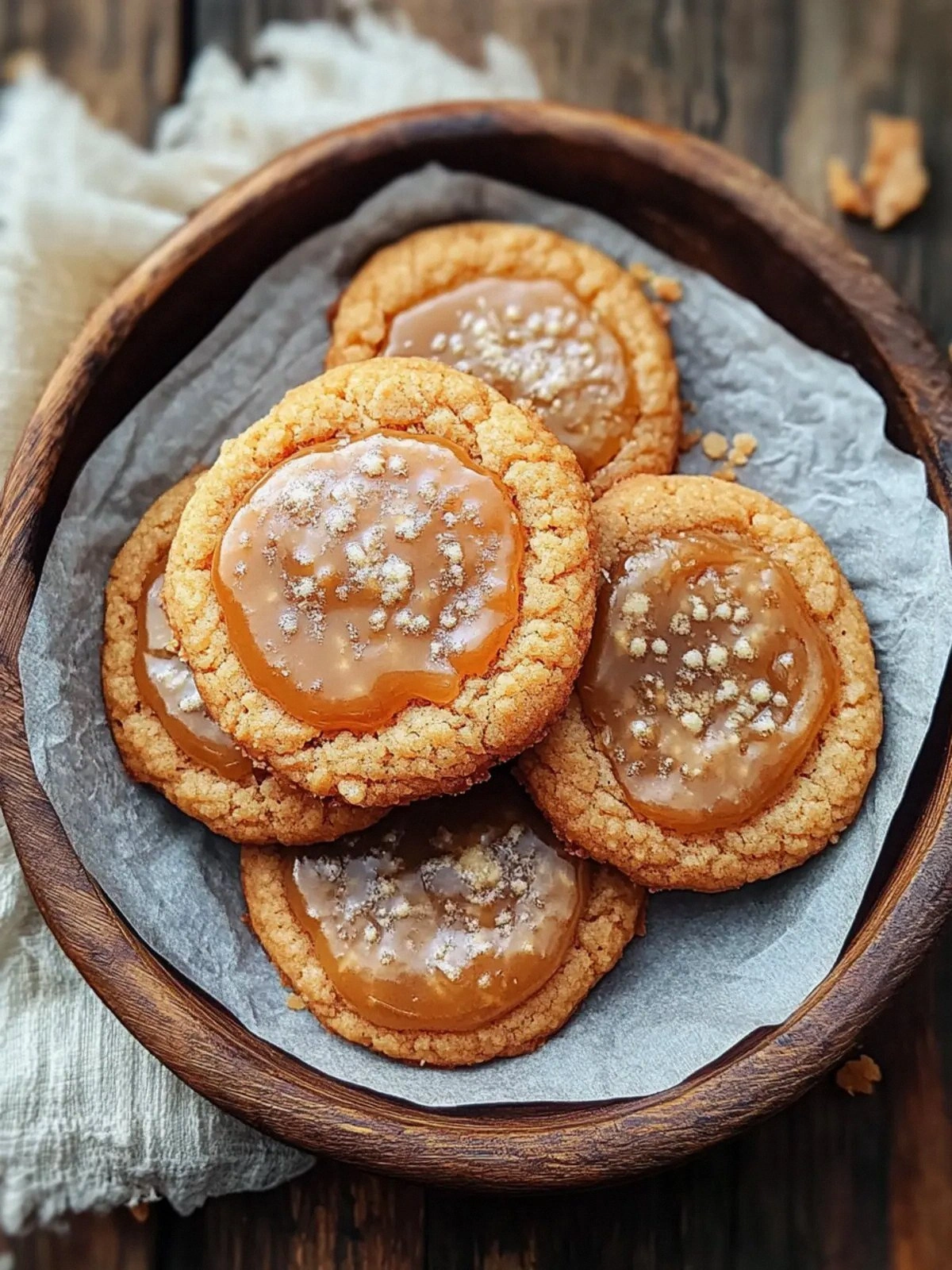
Picture yourself pulling this out of the oven, the whole kitchen smelling incredible, and the first bite sending a wave of sweet and spicy through your senses. The aroma alone will make your guests pause and wonder what flavor adventure awaits. The cookies will look like tiny, glossy jewels on a parchment sheet. The edges will be crisp and the center will be soft and caramelized. The finish will be a subtle, lingering heat that will make you crave more.
If you've ever struggled to make a cookie that feels both comforting and adventurous, you're not alone — and I've got the fix. I've spent hours perfecting the ratio, and I can confidently say this is hands down the best version you'll ever make at home. The process is straightforward, yet each step adds a layer of flavor. The result is a cookie that will have your friends asking for a second bite. I promise you, this will be your new go-to recipe for any occasion.
I dare you to taste this and not go back for seconds. The heat is just enough to wake up your palate without overwhelming the sweetness. The texture is a dance of crunchy and chewy, like a sweet symphony. The buttery caramel coating feels like a warm hug. The cookie will leave you wanting more, but also satisfied.
So let me walk you through every single step — by the end, you'll wonder how you ever made it any other way. The recipe is simple, the flavors are bold, and the finish is unforgettable. The next time you crave something sweet with a twist, remember this cookie. It will be a conversation starter at any gathering. And most importantly, it will bring a taste of Korean heat into your kitchen.
What Makes This Version Stand Out
- Flavor Fusion: The marriage of caramel sweetness and gochujang heat creates a flavor profile that is both familiar and daring. The caramel provides a rich, buttery base while the gochujang adds depth and a subtle spiciness that lingers on the tongue. This balance is rarely achieved in traditional cookies, making each bite a surprise.
- Texture Contrast: The cookies boast a crisp exterior that gives way to a chewy, caramelized center. The baking soda and butter ratio lift the dough, creating airy pockets that melt in your mouth. This duality keeps the palate engaged from the first crunch to the last bite.
- Simple Prep: All steps can be completed in 15 minutes of prep time, making it a realistic option for busy evenings. The recipe uses common pantry staples with the exception of gochujang, which is quickly sourced from an Asian market or online. No elaborate techniques or special equipment are required.
- Heat Control: The gochujang is incorporated at a precise moment to control the intensity of heat. This prevents the spice from overpowering the sweetness while still delivering a satisfying kick. The result is a cookie that satisfies both sweet and spice cravings.
- Make‑Ahead Friendly: The cookie dough can be portioned and frozen before baking, allowing you to have fresh cookies ready at a moment’s notice. The caramel glaze can also be prepared in advance and re‑coated just before serving, ensuring the texture remains perfect. This makes it an excellent option for parties or last‑minute dessert needs.
- Audience Appeal: Whether you’re a seasoned baker or a novice, the recipe’s clear instructions and forgiving nature mean you’ll enjoy success. Friends will rave about the unexpected heat, while family will appreciate the familiar caramel flavor. The recipe is a crowd‑pleaser at any gathering.
Inside the Ingredient List
The Flavor Base
The butter is the cornerstone of this cookie, providing a rich, silky foundation that carries the caramel glaze. Using 8 tablespoons of unsalted butter allows the dough to remain tender while giving it a buttery depth that complements the sweet caramel. If you prefer a slightly nutty flavor, try using browned butter, which will add a toasted aroma to the final product. Skipping the butter will result in a flat, dry cookie that lacks the signature melt‑in‑your-mouth quality.
The Texture Crew
The combination of light brown sugar and granulated sugar creates a balanced sweetness and a caramelized crust. The light brown sugar, with its molasses content, brings a subtle depth that pairs beautifully with the gochujang. Granulated sugar ensures the cookies spread evenly, creating a crisp edge. If you’re looking for a lower‑sugar option, replace 1/3 of the granulated sugar with coconut sugar, but be mindful that the texture may change slightly.
The Unexpected Star
Gochujang, a Korean chili paste, is the star that sets this cookie apart. Its umami richness, combined with a mild heat, transforms the cookie into a savory‑sweet hybrid. The paste’s fermented soy base adds a depth that is impossible to replicate with other spices. If you’re new to gochujang, start with a smaller amount and taste as you go; you can always add more to suit your heat preference.
The Final Flourish
All-purpose flour is the backbone of the cookie, providing structure and body. The 1.5 cups of flour give the dough enough heft to hold the caramel glaze without becoming too dense. Baking soda is essential for leavening, creating light pockets that keep the cookies airy. A pinch of kosher salt balances the sweetness and enhances the overall flavor profile. If you’re gluten‑free, use a 1:1 gluten‑free flour blend, but keep in mind the dough may require a little extra binding agent, such as xanthan gum.
Everything's prepped? Good. Let's get into the real action...
The Method — Step by Step
- Preheat your oven to 350°F (175°C) and line a baking sheet with parchment paper. This ensures even baking and prevents sticking. The parchment will also make cleanup a breeze, allowing you to focus on the flavor. Let the oven reach full temperature before placing your cookies inside. A hot oven is essential for that perfect golden crust.
- In a medium saucepan, melt 8 tablespoons of butter over medium heat. Once melted, add 2 tablespoons of light brown sugar and stir until the mixture becomes glossy. The caramel should reach a deep amber color, indicating that the sugars have caramelized. Watch the color carefully; a burnt caramel will ruin the flavor. Remove from heat once the desired color is achieved.
- Add 1 cup of granulated sugar to the caramel, stirring until fully incorporated. The mixture should be smooth and slightly thick. Let it cool for about 5 minutes so it doesn’t cook the eggs later. This step is critical for a buttery base that holds the gochujang. A cool caramel also helps prevent the dough from becoming too soft.
- Whisk 1 large egg and 1 teaspoon of vanilla extract together in a small bowl. This mixture will bind the dough and add a subtle richness. Keep the mixture separate until you’re ready to fold it in. Mixing the egg with the caramel ensures even distribution of flavor. The vanilla also tempers the heat of the gochujang.
- In a separate bowl, sift together 1.5 cups of all-purpose flour, 0.5 teaspoon of baking soda, 0.75 teaspoon of kosher salt, and 0.25 teaspoon of ground cinnamon. The cinnamon adds a warm spice that complements the caramel and gochujang. Sifting removes lumps, ensuring a smooth dough. The baking soda reacts with the acidity of the gochujang to create lift.
- Fold the caramel mixture into the egg and vanilla mixture until fully combined. The dough should be glossy and slightly thick. This step ensures that each cookie has a uniform coating of caramel. The glossy finish is a visual cue that the cookies will have a beautiful sheen once baked. Let the mixture rest for 2 minutes to allow the flavors to meld.
- Add the dry flour mixture to the wet mixture and stir until just incorporated. Be careful not to overwork the dough; a few lumps are acceptable. Overworking can lead to a tough cookie. The dough should be slightly sticky but manageable. This step locks in the structure of the cookie.
- Gently fold in 1 heaping tablespoon of gochujang, ensuring an even distribution. The gochujang should be fully integrated but not overmixed. The heat will spread through the dough, creating a uniform spicy layer. If you prefer a milder kick, use half a tablespoon instead. Taste a small spoonful to gauge the heat level before baking.
- Drop rounded tablespoons of dough onto the prepared baking sheet, spacing them about 2 inches apart. The spacing allows the cookies to spread without merging. Gently press each ball slightly to flatten the top, creating an even surface. This ensures a consistent bake and a uniform caramel glaze. Let the dough rest for 5 minutes before baking to allow the butter to firm slightly.
- Bake for 12 to 14 minutes, or until the edges are golden and the centers are set but still soft. The cookies will rise slightly during baking, creating a golden puff. Watch the cookies closely; the first sign of golden color indicates they’re ready. Remove from the oven and let them cool on the sheet for 5 minutes before transferring to a wire rack. This prevents the cookies from becoming soggy.
That's it — you did it. But hold on, I've got a few more tricks that'll take this to another level...
Insider Tricks for Flawless Results
The Temperature Rule Nobody Follows
Many bakers bake at a lower temperature to keep cookies from spreading too much, but this recipe thrives at 350°F. The higher heat locks in the caramel glaze and creates a crisp edge while preserving the chewy center. If your oven runs hot, set the temperature 25°F lower and increase the baking time by a minute. Always use an oven thermometer to ensure accuracy. A precise temperature is the backbone of a consistent cookie.
Why Your Nose Knows Best
During the caramel stage, the aroma will change from sweet to slightly nutty. Trust your nose to gauge when the caramel has reached the right color. A deep amber indicates a rich flavor, while a lighter color may taste undercooked. The aroma also signals when the caramel has cooled enough to handle the egg. Relying on scent ensures you don’t overcook the caramel.
The 5-Minute Rest That Changes Everything
After baking, let the cookies rest on the sheet for 5 minutes before moving them. This allows the caramel glaze to set and the cookies to firm up, preventing them from cracking. The rest also lets the heat redistribute, making the center slightly softer. Skipping this step often results in a brittle cookie. The 5-minute rest is a small time investment for a dramatic texture improvement.
Use a Light Hand on the Dough
Overworking the dough can lead to a tough cookie with a rubbery texture. Stir just until the ingredients combine, then let the dough rest. The rest period allows the flour to hydrate, producing a softer cookie. If you’re using a stand mixer, keep the speed low. This ensures the cookies remain tender.
Keep the Cookie Sheets Cool
If your cookie sheets are warm from a previous bake, the cookies may spread too quickly. Place the sheets in the fridge for 10 minutes before use. This trick keeps the cookies from flattening and preserves the crisp edges. A cooler sheet also helps maintain the caramel glaze’s integrity. It’s a simple step that often goes unnoticed.
Use a Silicone Baking Mat
Silicone mats provide a non-stick surface and even heat distribution. They also make cleanup a breeze, as the cookies don’t stick to the surface. The mats help maintain the cookies’ shape and prevent them from sliding. If you don’t have a silicone mat, parchment paper is a suitable alternative. The key is to have a consistent, non-stick surface.
Creative Twists and Variations
This recipe is a playground. Here are some of my favorite ways to switch things up:
Nutty Crunch
Add 1/2 cup of chopped toasted almonds to the dough before baking. The nuts provide a satisfying crunch and a nutty aroma that complements the caramel. They also add a subtle sweetness that balances the gochujang. Use whole almonds for a richer flavor or slivered for a lighter bite.
Chocolate Swirl
Fold in 1/4 cup of melted dark chocolate into the dough before shaping. The chocolate adds a deep, bittersweet layer that pairs beautifully with the spicy caramel. It also creates a visual swirl when the cookies bake. Use a high‑percentage cacao chocolate for a more intense flavor.
Sea Salt Finish
After baking, sprinkle a pinch of flaky sea salt on top of the warm cookies. The salt accentuates the sweetness and heightens the spicy kick. It also adds a subtle crunch that contrasts with the chewy center. Use a light hand; a little goes a long way.
Apple Cinnamon Variation
Replace the ground cinnamon with a mixture of 1 teaspoon of ground nutmeg and 1 teaspoon of ground ginger. Add 1/4 cup of finely diced apples to the dough. The apples bring a fresh, fruity note that balances the heat. This variation is perfect for fall gatherings.
Gochujang‑Infused Brown Butter
Brown 4 tablespoons of butter until it turns golden brown and has a nutty aroma. Stir in 1 teaspoon of gochujang before adding the sugar. This creates a richer, deeper flavor profile with a subtle smoky undertone. The browned butter also adds a caramelized depth that enhances the cookie’s overall taste.
Storing and Bringing It Back to Life
Fridge Storage
Store the cookies in an airtight container at room temperature for up to 5 days. The airtight seal keeps the cookies from drying out and preserves the caramel glaze. If you notice the cookies becoming slightly stale, let them sit at room temperature for 30 minutes before serving. The cookies will regain some of their original moisture and flavor.
Freezer Friendly
Freeze the unbaked dough in a single layer on a parchment-lined tray before transferring to a freezer bag. This prevents the cookies from sticking together. Bake directly from the freezer, adding an extra minute to the baking time. The cookies will maintain their texture and flavor when frozen for up to 3 months.
Best Reheating Method
Reheat the cookies in a preheated oven at 300°F (150°C) for 5 minutes. The gentle heat restores the crispness of the edges while keeping the center soft. If the cookies have dried out slightly, add a tiny splash of water to the baking sheet before reheating. The steam helps revive the caramel glaze and keeps the cookies moist.