Coconut Curry Chicken Recipe
I was standing in my kitchen, staring at a bag of frozen chicken thighs and a can of coconut milk that had been sitting in the pantry for weeks. The last time I tried to make a curry, the sauce had been a thick, clumpy mess that tasted like burnt toast. My friend had dared me to recreate a restaurant‑level coconut curry at home, and I accepted the challenge with a grin. That night, as the kitchen filled with the scent of sizzling onions and the bright, citrusy tang of lime, I realized this wasn’t just another dish—it was a revelation.
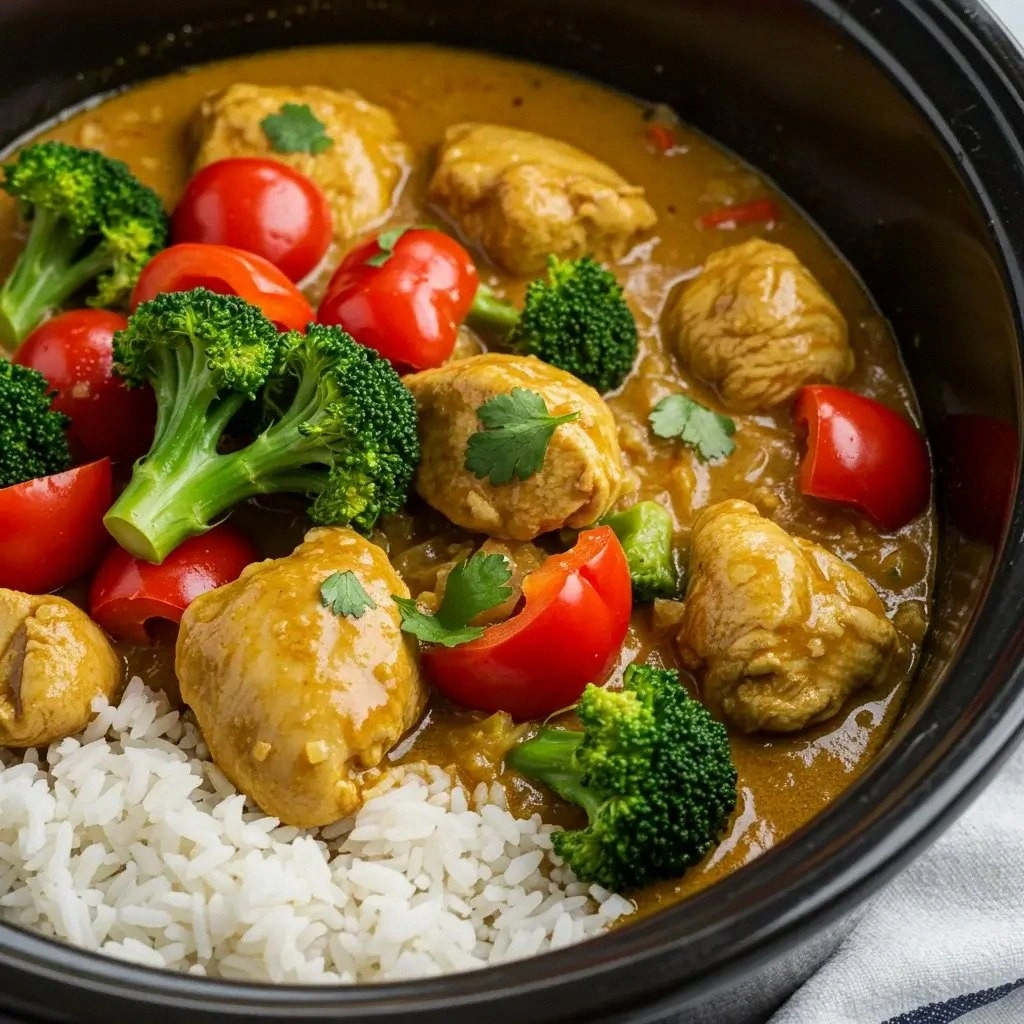
Imagine the first bite: a silky sauce that coats the chicken like a velvet blanket, the heat from the red curry paste dancing on your tongue, and a burst of freshness from fresh cilantro and lime that cuts through the richness. The texture is a perfect harmony—tender, juicy chicken, crisp bell pepper, and tender carrots, all enveloped in a luscious coconut broth. The aroma alone is enough to make your entire apartment feel like a tropical escape. If you’ve ever tasted a curry that felt like a culinary hug, you’ll know how this version stands out.
What makes this recipe so extraordinary is the attention to detail: the precise balance of sweet and savory, the subtle heat that never overwhelms, and the use of fresh ingredients that elevate every bite. The coconut milk isn’t the heavy, processed kind you find in the grocery aisle; it’s the creamy, full‑fat variety that gives the sauce its luxurious mouthfeel. I’ve spent months tweaking the ratio of fish sauce to brown sugar until the sauce was just sweet enough to complement the curry paste without drowning the flavors.
And here’s the kicker: I’ve discovered that adding a splash of lime juice right before serving unlocks a layer of brightness that makes the dish feel fresh and alive. This small tweak is the secret that most recipes miss. By the end of this post, you’ll have a step‑by‑step guide that will make you wonder why you ever settled for anything else. Let me walk you through every single step—by the end, you’ll wonder how you ever made it any other way.
What Makes This Version Stand Out
- Flavor Depth: The blend of coconut milk, red curry paste, and a hint of brown sugar creates a complex flavor profile that lingers on the palate. It’s the kind of depth that turns a simple dish into a memorable meal.
- Texture Perfection: The chicken is seared to develop a caramelized crust before simmering, ensuring each bite is juicy yet firm. The vegetables retain a slight crunch that adds contrast.
- Ingredient Quality: Fresh, high‑quality ingredients are the backbone of this recipe—think organic coconut milk, freshly grated ginger, and hand‑picked bell pepper.
- Simple Method: Despite its sophisticated flavor, the cooking process is straightforward and can be completed in under 45 minutes. No advanced techniques required.
- Crowd‑Pleaser: Whether you’re feeding a family or hosting friends, this curry receives rave reviews. It’s the kind of dish that invites conversation and compliments.
- Make‑Ahead Friendly: The sauce tastes even better the next day, making it ideal for meal prep or a busy weeknight dinner.
Alright, let’s break down exactly what goes into this masterpiece…
Inside the Ingredient List
The Flavor Base
Red Curry Paste: This is the heart of the dish. It provides the signature heat and aromatic undertones that define a coconut curry. Skipping it will leave the sauce bland and flat. If you can’t find a store brand, blend equal parts fresh red chilies, garlic, lemongrass, and galangal for a homemade alternative.
Coconut Milk: The full‑fat variety delivers a rich, silky texture that balances the spice. If you’re watching calories, a light coconut milk will work, but the sauce will feel thinner. For an extra creamy finish, stir in a tablespoon of coconut cream at the end.
Fish Sauce: This umami powerhouse adds depth without overwhelming the dish. A splash of soy sauce can substitute if you prefer a vegetarian version, but the flavor profile will shift slightly. Remember, a little goes a long way—too much can make the dish taste overly salty.
The Texture Crew
Chicken Thighs: Boneless, skinless thighs are chosen for their tenderness and rich flavor. They hold up well during simmering and absorb the sauce beautifully. If you prefer white meat, chicken breast can be used, but it may dry out if overcooked.
Vegetables: Bell pepper and carrots provide color, crunch, and subtle sweetness. Spinach adds a gentle earthiness and a pop of green. If you’re in a pinch, frozen peas or broccoli florets work well as substitutes.
Onion, Garlic, Ginger: These aromatics form the aromatic base of the curry. They should be minced finely to release maximum flavor. If you’re allergic to garlic, a pinch of asafoetida can mimic its savory punch.
The Unexpected Star
Lime Juice: A fresh squeeze of lime before serving brightens the dish and balances the sweetness of the coconut milk. It also adds a subtle tang that cuts through the richness. If you don’t have lime, a splash of white wine vinegar can serve as a makeshift substitute, though the flavor will differ.
Cilantro: Fresh cilantro is the finishing flourish that gives the curry a bright, herbaceous note. It’s best added at the very end to preserve its vibrant color and flavor. If you’re not a fan of cilantro, parsley or basil can be used, but the final taste will change.
Everything's prepped? Good. Let's get into the real action...
The Method — Step by Step
- Prep the Chicken: Pat the chicken thighs dry with paper towels to ensure a good sear. Season both sides with salt and pepper. Heat a tablespoon of coconut oil in a heavy skillet over medium‑high heat until shimmering. Add the chicken in a single layer, allowing each side to caramelize for 3–4 minutes before flipping. This creates a flavorful crust that locks in juices. Once browned, remove the chicken and set aside.
- Build the Aromatic Base: In the same skillet, add another tablespoon of coconut oil if needed. Sauté the diced onion until translucent, about 3 minutes. Add the minced garlic and grated ginger, cooking until fragrant, about 30 seconds. Stir in the red curry paste and cook for an additional minute, allowing the spices to bloom. The aroma should be warm and inviting.
- Deglaze and Simmer: Pour in the coconut milk, stirring to dissolve any browned bits from the skillet. Bring the mixture to a gentle simmer, then add the fish sauce and brown sugar. Stir until the sugar dissolves completely. The sauce should thicken slightly and develop a glossy sheen.
- Return the Chicken: Add the browned chicken back into the skillet. Reduce the heat to low and let the curry simmer for 15 minutes, uncovered, allowing the flavors to meld and the chicken to cook through. The internal temperature should reach 165°F (74°C). If the sauce thickens too much, add a splash of water or chicken broth to reach your desired consistency.
- Introduce the Vegetables: Add the sliced bell pepper, carrots, and spinach to the pan. Stir gently to coat the vegetables with sauce. Continue simmering for an additional 5 minutes, or until the vegetables are tender yet still crisp. The spinach should wilt but retain a bright green hue.
- Final Touches: Squeeze fresh lime juice over the curry and stir to combine. The acidity should brighten the dish instantly. Taste and adjust seasoning—add more fish sauce for saltiness or more brown sugar for sweetness. This is the moment of truth; your palate will decide if the balance is perfect.
- Serve: Plate the curry over steamed jasmine rice or fluffy quinoa. Garnish with fresh cilantro leaves and a sprinkle of toasted coconut flakes if desired. The visual contrast of green cilantro against the golden sauce is simply irresistible.
- Enjoy: Sit back, take a deep breath, and let the steam carry the aroma into your senses. This dish is a testament to how a few simple ingredients, when treated with care, can create an unforgettable meal.
That's it — you did it. But hold on, I've got a few more tricks that'll take this to another level...
Insider Tricks for Flawless Results
The Temperature Rule Nobody Follows
Maintain a gentle simmer: High heat can cause the coconut milk to separate and the sauce to become oily. Keep the flame low once the liquid is added, and let it bubble softly. This ensures a silky texture that coats every ingredient.
Why Your Nose Knows Best
Use your olfactory senses: When the onions and garlic start to caramelize, the aroma will signal that the base is ready. Trust that scent; it’s the quickest indicator that the flavor foundation is solid.
The 5-Minute Rest That Changes Everything
Let the curry sit: After removing from heat, cover the skillet and let the dish rest for 5 minutes. This allows the flavors to meld further and the sauce to thicken slightly. A friend once skipped this step and the curry felt thin; it was a hard lesson learned.
The Sweet‑Salt Balance
Balance is key: Add fish sauce first, then brown sugar. Taste after each addition; the sauce should be sweet but not cloying, and salty but not overpowering. This step prevents the dish from tipping too far in one direction.
The Freshness Factor
Use fresh herbs: Cilantro and lime juice added at the end preserve their bright flavors. If you wait too long, the herbs wilt and the citrus loses its zing. A quick stir before plating keeps the dish vibrant.
Creative Twists and Variations
This recipe is a playground. Here are some of my favorite ways to switch things up:
Spicy Kick
Add a handful of sliced fresh red chilies or a dash of cayenne pepper for an extra layer of heat. This variation is perfect for those who love a fiery finish.
Creamy Coconut Curry with Cream
Stir in a tablespoon of coconut cream at the end to deepen the richness. It’s a luxurious twist that makes the dish feel indulgent.
Vegetarian Version
Replace the chicken with tofu cubes or chickpeas. Add a splash of vegetable broth instead of fish sauce, and use soy sauce for umami. This version is hearty and satisfying.
Grilled Chicken Alternative
Grill the chicken pieces first for a smoky flavor, then finish them in the curry sauce for a quick finish. The char adds a delightful contrast.
Pineapple Twist
Fold in diced fresh pineapple during the last 5 minutes of simmering. The natural sweetness pairs wonderfully with the coconut and spices.
Storing and Bringing It Back to Life
Fridge Storage
Store the curry in an airtight container in the refrigerator for up to 3 days. The sauce thickens slightly as it cools, so a quick stir will restore its original consistency.
Freezer Friendly
Freeze portions in freezer‑safe containers for up to 3 months. Thaw overnight in the refrigerator or reheat directly from frozen on low heat, adding a splash of water if needed.
Best Reheating Method
Reheat gently on the stovetop over low heat, stirring frequently. Add a tiny splash of water or coconut milk before reheating to keep the sauce silky and prevent it from drying out.