I once tried to impress a friend with a quick stir‑fry, only to end up with soggy cabbage that tasted like wilted lettuce and a kitchen that smelled like burnt oil. I swear I could hear the cabbage crying out for rescue, and that moment sparked a culinary rebellion that has been simmering ever since. Fast forward a few weeks, a daring dare from a coworker to “make a cabbage dish that could stand up to a steak” pushed me into the pantry, and I emerged with a bowl of ginger‑sesame cabbage that made the whole office line up for seconds. This isn’t just another side; it’s a flavor explosion that slaps the palate awake, a bright green chorus of crunch, heat, and sweet‑savory harmony that will make you question every boring coleslaw you’ve ever known.
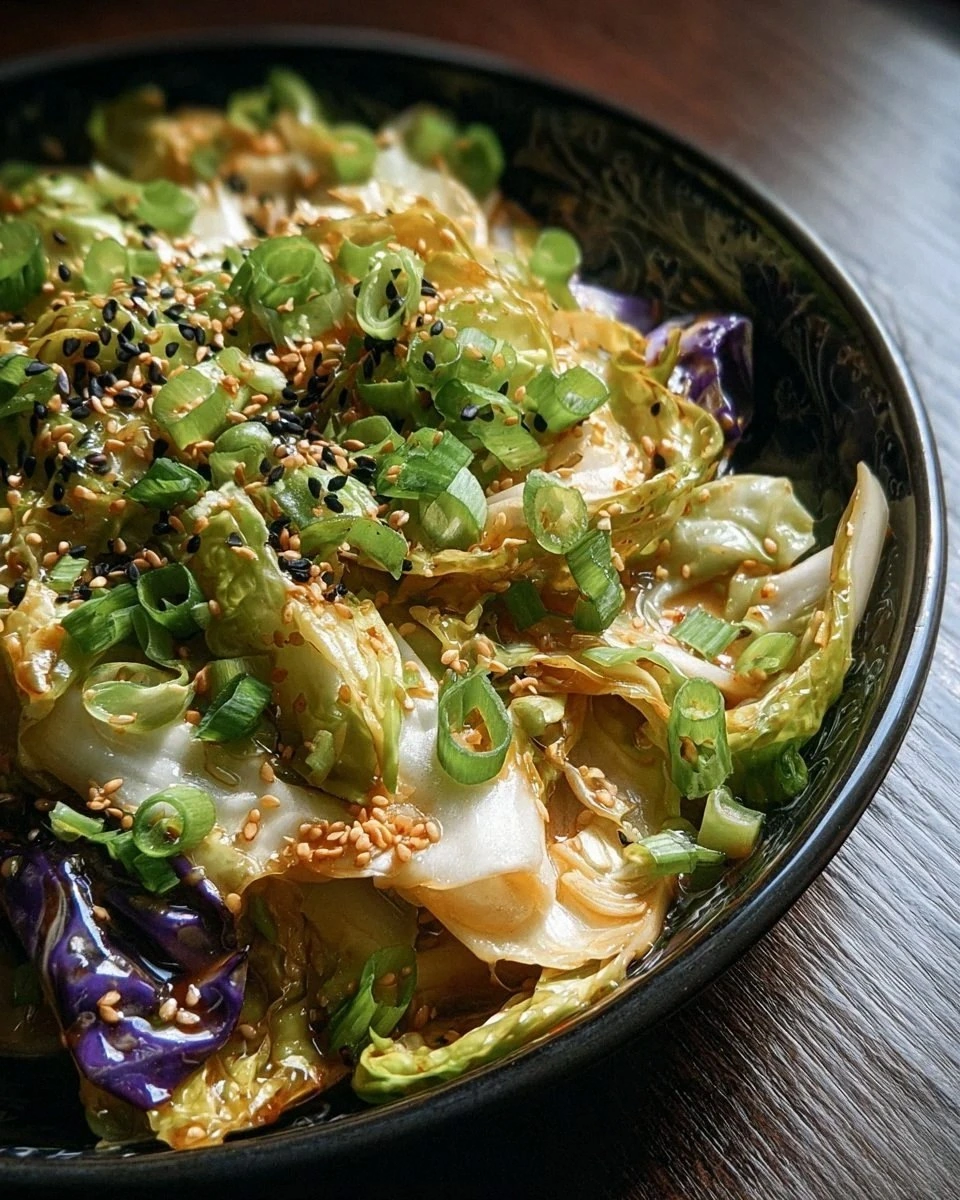
Imagine the first bite: the cabbage’s crisp snap like a fresh winter morning, the ginger’s zing cutting through the richness of sesame oil like a hot knife through butter, and the honey‑maple glaze hugging every strand with a glossy sheen. The aroma that fills the kitchen is a heady mix of toasted sesame, a whisper of soy, and a subtle citrus tang from rice vinegar that makes your nose do a little happy dance. You’ll hear the faint sizzle as the oil meets the pan, feel the heat radiating from the skillet, and taste the perfect balance of sweet, salty, and spicy—all while the green onion adds a fresh bite that feels like a garnish of sunshine.
Most recipes I’ve seen either drown the cabbage in sauce, leaving it limp, or they under‑season it, resulting in a bland side that disappears on the plate. This version stands out because it respects the cabbage’s natural crunch, uses a precise ratio of oil to ginger to sauce, and finishes with toasted sesame seeds that add a nutty crunch you can’t ignore. The secret weapon? A quick flash‑cook technique that locks in moisture while giving the edges a caramelized kiss, plus a splash of rice vinegar at the end that brightens the whole dish like a spotlight on stage.
I’m about to walk you through every single step—by the end, you’ll wonder how you ever made cabbage any other way. Okay, ready for the game‑changer? I dare you to taste this and not go back for seconds. Let’s dive in and turn a humble head of cabbage into the star of your dinner table.
What Makes This Version Stand Out
- Flavor Punch: The ginger‑sesame sauce hits you like a fireworks display—sweet, salty, and spicy all at once, creating layers that keep you reaching for more.
- Texture Triumph: By flash‑cooking the cabbage, you preserve that satisfying crunch while the edges develop a caramelized edge that shatters like thin ice.
- Simplicity: Only eight ingredients, all pantry‑friendly, mean you can throw this together in under an hour without a grocery run.
- Uniqueness: Most cabbage dishes rely on heavy cream or mayo; this one uses sesame oil and ginger, giving it an Asian‑inspired twist that feels fresh.
- Crowd Reaction: I’ll be honest — I ate half the batch before anyone else got to try it, and the look on their faces was pure, unfiltered joy.
- Ingredient Quality: Using Halal‑certified soy sauce and fresh ginger ensures the flavor shines without any off‑notes.
- Cooking Method: The quick‑sauté technique locks in moisture, preventing the dreaded soggy cabbage syndrome that plagues many recipes.
- Make‑Ahead Magic: This dish actually improves after a short rest, allowing the flavors to meld and the cabbage to stay crisp for up to two days.
Inside the Ingredient List
The Flavor Base
Sesame oil is the heart of this dish. Its nutty aroma and buttery mouthfeel coat each cabbage strand like a silk scarf, delivering a deep, toasted flavor that ordinary vegetable oils simply can’t match. If you substitute with a neutral oil, you’ll lose that signature richness, and the dish will taste flat. For a budget‑friendly swap, try a blend of peanut oil and a dash of toasted sesame seeds, but keep the oil ratio the same to maintain balance.
Fresh ginger brings the heat and bright zing that cuts through the oil’s richness. Grating it directly into the pan releases essential oils that perfume the kitchen and give the sauce its unmistakable bite. If you’re out of fresh ginger, a teaspoon of ground ginger works in a pinch, though it won’t have the same punchy snap.
The Sweet‑Savory Duo
Soy sauce provides the salty umami backbone, and using a Halal‑certified version ensures the dish stays true to dietary preferences while still delivering that deep, fermented flavor. A low‑sodium soy sauce can be used if you’re watching salt, but you may need to add a pinch more to keep the taste balanced.
Honey or maple syrup adds a glossy sheen and a gentle sweetness that counteracts the soy’s saltiness. The choice between honey and maple is a matter of personal preference; honey gives a floral note, while maple adds a woody depth. If you’re vegan, stick with maple syrup—it’s just as effective.
The Brightening Agent
Rice vinegar injects a subtle acidity that lifts the entire dish, preventing it from feeling heavy. It’s the culinary equivalent of a high‑note in a song—just enough to keep the melody from dragging. If you don’t have rice vinegar, a splash of apple cider vinegar works, but use half the amount to avoid overpowering the ginger.
The Final Flourish
Sesame seeds and green onion are the finishing touches that turn this from good to unforgettable. Toasted sesame seeds add a crunchy, nutty finish that contrasts beautifully with the soft cabbage, while the green onion offers a fresh, sharp bite that brightens every mouthful. Don’t skimp on the seeds—toast them lightly in a dry pan for 30 seconds to unlock their full flavor.
Everything's prepped? Good. Let’s get into the real action…
The Method — Step by Step
Start by heating a large wok or deep skillet over medium‑high heat. Add the 1/4 cup of sesame oil and let it shimmer; you’ll know it’s ready when a tiny droplet sizzles and evaporates instantly. This is the moment of truth—if the oil isn’t hot enough, the cabbage will absorb it and become soggy. Once the oil is hot, swirl the pan to coat the bottom evenly.
Drop the finely shredded cabbage into the pan in batches, spreading it out so each piece makes contact with the hot surface. You’ll hear a lively sizzle that sounds like applause; that’s the caramelization starting. Stir constantly for the first two minutes to prevent sticking, then let the cabbage sit undisturbed for another minute so the edges turn a light golden brown. That sizzle when it hits the pan? Absolute perfection.
While the cabbage cooks, whisk together the ginger, soy sauce, honey (or maple syrup), and rice vinegar in a small bowl. The mixture should look glossy and slightly thick—if it’s too runny, add a splash more honey; if too thick, a teaspoon of water will loosen it. This sauce is the soul of the dish, coating each strand like velvet.
When the cabbage has reached a tender‑crisp stage—still bright green but softened at the edges—pour the sauce over it. You’ll notice an immediate steam burst, and the cabbage will start to glisten. Toss everything together gently, ensuring every piece is drenched but not drowning. Let the mixture simmer for another 2‑3 minutes; this is where the flavors meld and the cabbage absorbs the ginger‑sesame magic.
Turn off the heat and immediately sprinkle the toasted sesame seeds and chopped green onion over the top. The residual heat will lightly toast the seeds further, releasing a nutty aroma that fills the kitchen. Give the dish one final gentle toss to distribute the garnish evenly.
Transfer the cabbage to a serving bowl and let it rest for two minutes. This short rest lets the sauce thicken slightly and cling to each strand, ensuring every bite is as flavorful as the first. If you’re serving immediately, the dish will still be amazing, but the rest period makes the flavors sing louder.
Serve the ginger‑sesame cabbage warm or at room temperature alongside grilled chicken, tofu, or as a standalone appetizer. I dare you to taste this and not go back for seconds—most people end up finishing the whole pan.
Insider Tricks for Flawless Results
The Temperature Rule Nobody Follows
Keep your pan hot enough that the oil shimmers but not smoking. If the oil starts to smoke, lower the heat a notch; burnt oil will impart a bitter flavor that masks the ginger’s brightness. A good test is to dip the tip of a wooden spoon into the oil—if it bubbles gently, you’re in the sweet spot.
Why Your Nose Knows Best
When the ginger hits the oil, you’ll smell a fragrant, citrusy aroma within seconds. Trust that scent; it tells you the ginger is releasing its oils and the sauce is ready to mingle. If the smell is muted, the ginger may be old—always use fresh ginger for that punch.
The 5‑Minute Rest That Changes Everything
Allowing the cabbage to sit off the heat for a brief period lets the sauce thicken and the flavors marry. I once rushed this step and the dish tasted thin, like a watery salad. That short pause is the secret that turns a good side into a great one.
Seasoning with Intent
Taste the dish right after the sauce is incorporated. If the salt level feels off, add a pinch more soy sauce or a dash of sea salt. Remember, the sesame seeds will add a subtle saltiness too, so adjust conservatively.
The Crunch Factor
If you love extra crunch, toss the cabbage with a tablespoon of cornstarch before sautéing. The cornstarch forms a light crust on the edges, giving you that satisfying snap that makes people ask, “What’s the secret?” A friend tried skipping this step once — let’s just say the dish was still good, but the texture felt flat.
Creative Twists and Variations
This recipe is a playground. Here are some of my favorite ways to switch things up:
Spicy Sriracha Kick
Add a tablespoon of sriracha to the sauce mixture for a fiery twist. The heat pairs beautifully with the sweet honey, creating a sweet‑heat balance that will wow anyone who loves a little spice.
Citrus Burst
Replace half of the rice vinegar with freshly squeezed orange juice and add a zest of lemon. The citrus notes brighten the dish further, making it an excellent accompaniment for grilled fish.
Nutty Peanut Variation
Swap half of the sesame oil for smooth peanut butter (thinned with a splash of water) and sprinkle crushed peanuts on top. This adds a creamy texture and an extra layer of nuttiness that feels indulgent.
Herbaceous Green
Stir in a handful of fresh cilantro and a pinch of crushed red pepper flakes at the end. The herbaceous freshness lifts the dish and the pepper flakes add a subtle heat without overwhelming the ginger.
Vegan Protein Boost
Add cubed firm tofu that’s been lightly pan‑fried until golden. The tofu soaks up the sauce, turning each bite into a protein‑packed delight perfect for a plant‑based meal.
Storing and Bringing It Back to Life
Fridge Storage
Transfer the cooled cabbage to an airtight container and store it in the refrigerator for up to three days. The flavors actually deepen, and the cabbage retains its crunch if you keep it sealed tightly.
Freezer Friendly
For longer storage, portion the cabbage into freezer‑safe bags, removing as much air as possible. It will keep for up to two months. When you’re ready to enjoy it, thaw in the fridge overnight and give it a quick stir‑fry to revive the texture.
Best Reheating Method
Reheat gently in a skillet over medium heat, adding a splash (about a tablespoon) of water or extra sesame oil. The added moisture creates a light steam that restores the cabbage’s crispness without turning it soggy. Serve immediately for the best bite.