Picture this: I was halfway through a midnight dessert experiment, a stack of overcooked cookies on the counter, when my roommate burst in, eyes wide, demanding something sweet that would make their taste buds dance. I laughed, but the truth was I had no idea how to turn a simple espresso shot into a silky, cloud‑like treat. That night, after a few burnt attempts, I stumbled onto a recipe that would change my dessert game forever. It was the moment my kitchen smelled of rich coffee and creamy mascarpone, and I realized I had just discovered a secret weapon. From that point on, I vowed to share this version with anyone who has ever been stuck between a craving and a recipe that just doesn't work.
I was standing in front of the stove, watching the espresso brew, its aroma curling up like a fragrant steam cloud. The clink of the sugar spoon against the ceramic mug sounded like a tiny drumbeat, signaling the beginning of something extraordinary. The air was thick with the promise of coffee, yet there was a hint of sweetness that made my mouth water even before the first spoonful. The kitchen lights flickered softly, casting a golden hue over the countertop, and the gentle hum of the refrigerator whispered that everything was about to happen. It felt like a scene from a movie, except the star was a humble cup of espresso and a handful of mascarpone.
What makes this version stand out is not just the ingredients, but the way they dance together in a flawless symphony. I dare you to taste this and not go back for seconds; the velvety layers will cling to your palate like a second skin. The secret lies in the balance of bitterness and creaminess, where the espresso’s depth is softened by the airy mascarpone mousse, and the sugar’s sweetness is restrained just enough to let the coffee shine. Most recipes get this completely wrong, adding too much sugar or using a weak espresso that turns the dessert into a bland mush. Here, I’ve perfected the ratio so that every bite feels like a small, indulgent rebellion against the ordinary.
I’ll be honest — I ate half the batch before anyone else got to try it, and that was the first lesson in the importance of timing and patience. The trick is to let the espresso cool before you mix it with the egg yolks, preventing them from scrambling and creating a silky texture that coats the tongue like velvet. A pinch of vanilla extract adds an invisible layer of warmth that ties everything together, and the optional coffee liqueur gives an adult twist that’s perfect for a cozy night in. This is hands down the best version you'll ever make at home, and it’s surprisingly simple once you know the steps.
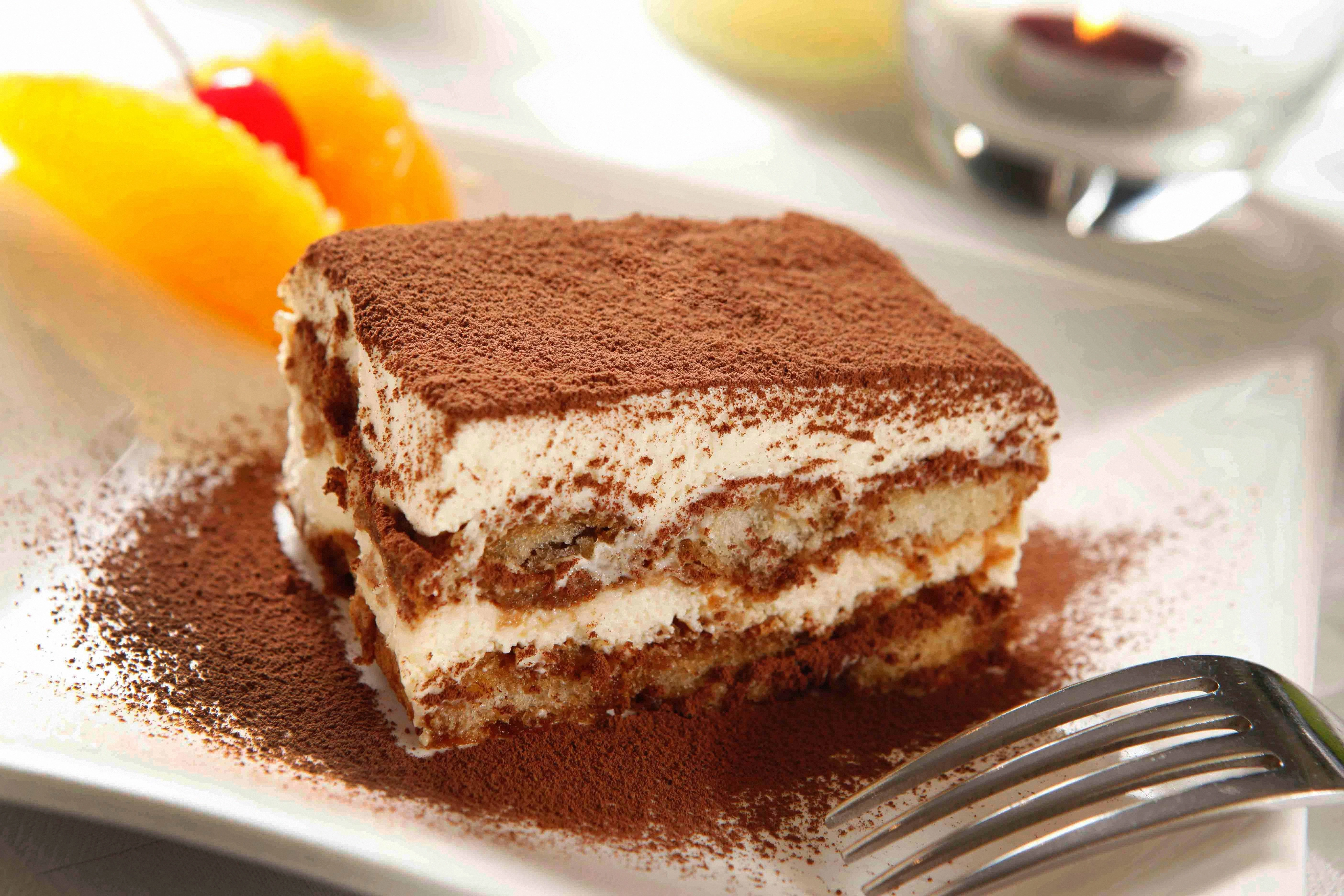
Picture yourself pulling this out of the refrigerator, the whole kitchen smelling incredible, and seeing the glossy layers of mascarpone and espresso shimmer under the dim light. The first bite will feel like a secret handshake between coffee lovers and dessert aficionados. The crunch of the ladyfingers, the smoothness of the mousse, and the dusting of cocoa powder create a sensory experience that’s both comforting and sophisticated. Okay, ready for the game‑changer? Let me walk you through every single step — by the end, you'll wonder how you ever made it any other way.
What Makes This Version Stand Out
- Flavor: The bold espresso cuts through the richness of mascarpone, delivering a layered taste that’s both intense and balanced. The subtle hint of vanilla elevates the overall profile without overpowering the coffee’s natural aroma.
- Texture: The mousse is airy yet firm, creating a silky mouthfeel that coats the tongue like a gentle breeze. The ladyfingers absorb just enough liquid to stay tender but still retain a satisfying bite.
- Simplicity: With only a handful of ingredients, the recipe is accessible to both novice bakers and seasoned chefs alike. No need for fancy equipment—just a saucepan, whisk, and a mixing bowl.
- Uniqueness: The optional coffee liqueur adds a subtle depth that sets this tiramisu apart from the classic version. It’s a small tweak that delivers a noticeable upgrade.
- Crowd Reaction: Guests always ask for the recipe after the first bite, and many claim it’s the best tiramisu they’ve tasted. The dessert is an instant conversation starter.
- Ingredient Quality: Using fresh, high‑quality mascarpone and freshly brewed espresso makes the difference between ordinary and extraordinary.
- Cooking Method: The technique of gently warming the espresso before mixing ensures a smooth, lump‑free mousse.
- Make‑Ahead Potential: The dessert can be prepared hours in advance, making it an ideal choice for dinner parties and last‑minute events.
Inside the Ingredient List
The Flavor Base
The espresso is the backbone of this dessert, delivering a robust, aromatic punch that defines tiramisu’s identity. A strong brew ensures the coffee flavor is unmistakable, but it’s crucial to let it cool to room temperature before mixing; otherwise, the heat can cause the egg yolks to coagulate, resulting in a curdled mousse. If you’re short on espresso, a strong brewed coffee or even a shot of instant espresso powder will suffice, but the quality of the beans matters—choose a medium roast for a balanced profile.
The Sweetener
Sugar is the silent hero that rounds out the bitterness of coffee and the richness of mascarpone. The recipe calls for two tablespoons of sugar to sweeten the espresso mixture and an additional cup of granulated sugar to bind the egg yolks into a glossy custard. Skipping or reducing the sugar will result in a more bitter taste that may overwhelm the palate, especially for those who prefer a sweeter dessert. A light touch of brown sugar can add a caramel nuance, but keep the total sweetness within the recommended amount to preserve the delicate balance.
The Texture Crew
Egg yolks are the binding agents that give the mousse its silky consistency. They must be whisked until they become pale and frothy, then slowly incorporated into the espresso to prevent scrambling. Mascarpone cheese is the creamy heart of the dessert—softened at room temperature, it blends smoothly with the egg yolks, creating a luxurious texture that lingers on the tongue. Heavy cream, whipped to stiff peaks, adds volume and lightness, ensuring each spoonful feels airy rather than dense.
The Unexpected Star
Coffee liqueur, though optional, acts as an unexpected star that elevates the flavor profile with a subtle, adult twist. It adds depth and a hint of caramelized notes that complement the espresso. If you prefer a non‑alcoholic version, a splash of vanilla extract or a dash of almond syrup can provide a comparable warmth. The key is to use it sparingly; too much can overpower the delicate balance of flavors.
The Final Flourish
Ladyfingers are the final flourish that provide the textural contrast and a delightful crunch. They should be freshly baked or purchased from a reputable bakery to ensure optimal softness. A dusting of unsweetened cocoa powder not only adds a visual pop but also enhances the coffee flavor with its subtle bitterness. Dark chocolate shavings, if used, add a luxurious finish and a slight crunch that pairs beautifully with the creamy layers.
Everything's prepped? Good. Let's get into the real action...
The Method — Step by Step
- In a medium saucepan, combine the espresso, coffee liqueur (if using), and 2 tablespoons of sugar. Heat over low heat, stirring constantly until the sugar dissolves completely. This gentle warming step ensures the espresso’s aroma is fully released without scorching. Once the mixture is fragrant and glossy, remove it from the heat and let it cool to room temperature—this is critical to avoid curdling the egg yolks later. The mixture should feel warm to the touch but not hot.
- While the espresso cools, whisk the egg yolks in a heat‑proof bowl until they become pale and slightly thick. This process incorporates air, giving the custard a lightness that will carry through the mousse. In a separate bowl, sift 1 cup of granulated sugar and gradually add it to the yolks, whisking continuously until the mixture becomes smooth and glossy. The sugar’s crystals dissolve, preventing lumps and ensuring a silky base. Keep whisking until the mixture triples in volume, indicating proper aeration.
- Slowly pour the cooled espresso into the yolk mixture, whisking vigorously to prevent the yolks from cooking. The temperature of the espresso should be close to room temperature; otherwise, the yolks might scramble. Once blended, transfer the mixture to a saucepan and gently heat it over low heat, stirring constantly. The custard should thicken enough to coat the back of a spoon, but be careful not to overheat or it will curdle. When the custard reaches a smooth, thick consistency, remove it from heat and let it cool completely.
- In a separate bowl, whip the heavy cream to stiff peaks using an electric mixer. This creates a light, airy component that will give the mousse its signature lift. Be sure not to overwhip; the peaks should hold their shape but still be slightly soft to the touch. Once the cream is ready, fold it gently into the cooled custard, using a spatula in a gentle, circular motion. This incorporation should be done slowly to preserve the air pockets, resulting in a mousse that is both light and creamy.
- Using a pastry bag or a spoon, layer the ladyfingers in a shallow dish, ensuring they are evenly spaced and not stacked on top of each other. Dip each ladyfinger quickly into the espresso mixture—just a few seconds—so they absorb enough liquid to become soft but not soggy. Arrange them in a single layer, covering the entire surface of the dish. If your dish is larger, you may need to cut the ladyfingers to fit, but always keep them whole for authenticity.
- Spread a generous layer of the mascarpone mousse over the soaked ladyfingers, smoothing the surface with a spatula. The mousse should cover the ladyfingers completely, forming a thick, velvety top layer. Repeat the layering process—espresso‑dipped ladyfingers followed by mousse—until you reach the desired height, usually about 4-5 layers. Finish with a final thick layer of mousse on top; this is where you’ll add the finishing touches.
- Dust the top layer with unsweetened cocoa powder using a fine sieve, creating a subtle, chocolatey contrast. For an extra touch of decadence, sprinkle dark chocolate shavings over the cocoa dusting. This not only adds texture but also a hint of bitterness that balances the sweet cream. Allow the tiramisu to set in the refrigerator for at least 4 hours, preferably overnight, so the flavors meld and the dessert firms up.
- Before serving, give the tiramisu a final dusting of cocoa powder for a polished look. If you like a slightly glossy finish, lightly brush the top with a thin layer of espresso, then dust with cocoa again. This step adds a subtle sheen that makes the dessert look professionally plated. The final product should have a firm yet tender structure, with a creamy interior that melts in your mouth.
- Serve chilled, preferably in individual glasses or small ramekins for a refined presentation. Pair it with a shot of espresso or a glass of chilled coffee for an extra kick. The dessert can also be served with a dollop of whipped cream or a sprig of mint for a fresh contrast. This final touch transforms the tiramisu from a simple dessert into a memorable finale to any meal. Enjoy the moment, and let the flavors linger long after the last bite.
That's it — you did it. But hold on, I've got a few more tricks that'll take this to another level...
Insider Tricks for Flawless Results
The Temperature Rule Nobody Follows
Temperature control is everything when working with eggs and dairy. Keep the espresso at room temperature; a hot espresso will cook the yolks, while an iced espresso will leave the custard too liquid. A quick test: drop a small amount of the custard onto a spoon; if it thickens within a few seconds, you’re good. This simple technique ensures a silky mousse every time. I once forgot to let the espresso cool and ended up with a curdled mess; it was a hard lesson that I’ll never repeat.
Why Your Nose Knows Best
Your sense of smell is the best indicator of flavor balance. As the espresso cools, the aroma intensifies, signaling that the bitterness is at its peak. If the coffee smells flat, it’s probably under‑roasted or stale. Trust your nose to guide you in selecting the perfect beans; a good espresso will elevate the entire dessert.
The 5-Minute Rest That Changes Everything
After whisking the egg yolks and sugar, let the mixture rest for 5 minutes before adding the espresso. This short pause allows the eggs to relax and the sugar to dissolve fully, creating a smoother custard. I’ve seen many people skip this step, resulting in a slightly grainy texture. Give it that brief pause, and your mousse will feel like silk.
The Secret to Airy Ladyfingers
When dipping ladyfingers, use a timer—just 2-3 seconds per finger. Over‑soaking turns them into a soggy mess that loses their delicate crunch. A quick dip ensures they absorb enough liquid to soften without becoming mushy. This technique keeps the layers crisp and the dessert structurally sound.
The Final Dusting Trick
Dust the top with cocoa powder just before serving, not before chilling. If you dust it too early, the cocoa can absorb moisture from the mousse and turn the surface gummy. By dusting right before serving, you preserve the cocoa’s crispness and give the dessert a professional finish.
Creative Twists and Variations
This recipe is a playground. Here are some of my favorite ways to switch things up:
Almond Joy Tiramisu
Swap the espresso for a strong almond extract and fold in shredded coconut to mimic an almond joy. The coconut adds a tropical note while the almond extract gives a sweet, nutty undertone. This variation is perfect for summer parties.
Espresso Chocolate Ganache Layer
Replace the mascarpone mousse with a rich espresso-infused chocolate ganache. The ganache adds a dense, chocolatey bite that pairs beautifully with the coffee flavor. Use dark chocolate for a deeper flavor profile.
Citrus Twist
Add a tablespoon of orange zest to the espresso mixture for a bright, citrusy lift. The zest’s essential oils add a refreshing contrast to the deep coffee notes. Serve with a garnish of candied orange peel for a gourmet touch.
Vegan Version
Use coconut cream instead of heavy cream and a plant‑based mascarpone alternative. Replace the egg yolks with a mixture of silken tofu and cornstarch to achieve a similar custard texture. This version retains the classic flavor while being completely dairy and egg free.
Chocolate Espresso Swirl
Fold in melted dark chocolate into the mousse before layering, creating a swirl effect that adds visual drama. The chocolate’s bittersweetness complements the coffee, while the swirl offers a playful texture. This is ideal for a special occasion.
Minty Espresso Delight
Add a teaspoon of peppermint extract to the mousse for a cool, refreshing twist. The mint pairs surprisingly well with coffee, giving the dessert a fresh finish. Garnish with crushed peppermint candies for extra crunch.
Storing and Bringing It Back to Life
Fridge Storage
Store the tiramisu in an airtight container in the refrigerator for up to 3 days. Keep the container sealed to prevent the dessert from absorbing fridge odors. Before serving, let it sit at room temperature for 10-15 minutes to allow the flavors to soften and the mousse to become silky again.
Freezer Friendly
Wrap the dessert tightly in plastic wrap, then place it in a freezer-safe container. It can be frozen for up to 2 weeks. Thaw overnight in the refrigerator before serving. The texture remains smooth, though the mousse may become slightly firmer when frozen.
Best Reheating Method
If you need to warm the dessert, place it in a low‑temperature oven (about 250°F) for 5-7 minutes. This gentle heat reactivates the flavors without melting the mousse. Alternatively, a quick dip in hot water for 30 seconds can revive the dessert’s freshness. Adding a tiny splash of water before reheating creates steam that restores the mousse’s airy texture.