I was halfway through a chaotic dinner rush when the kitchen exploded with the aroma of browned butter. The pan was sizzling, the air smelled like toasted almonds, and I could almost taste the buttery crunch before it even hit the stove. In that moment I realized that the secret to an unforgettable pasta dish lay not in the pasta itself but in the way you transform a simple butter into a golden, nutty sauce that sings with depth. I dare you to taste this and not go back for seconds – the flavor will stay with you long after the last bite. This is hands down the best version you'll ever make at home, and I’m about to share every single step so you can recreate it in your kitchen.
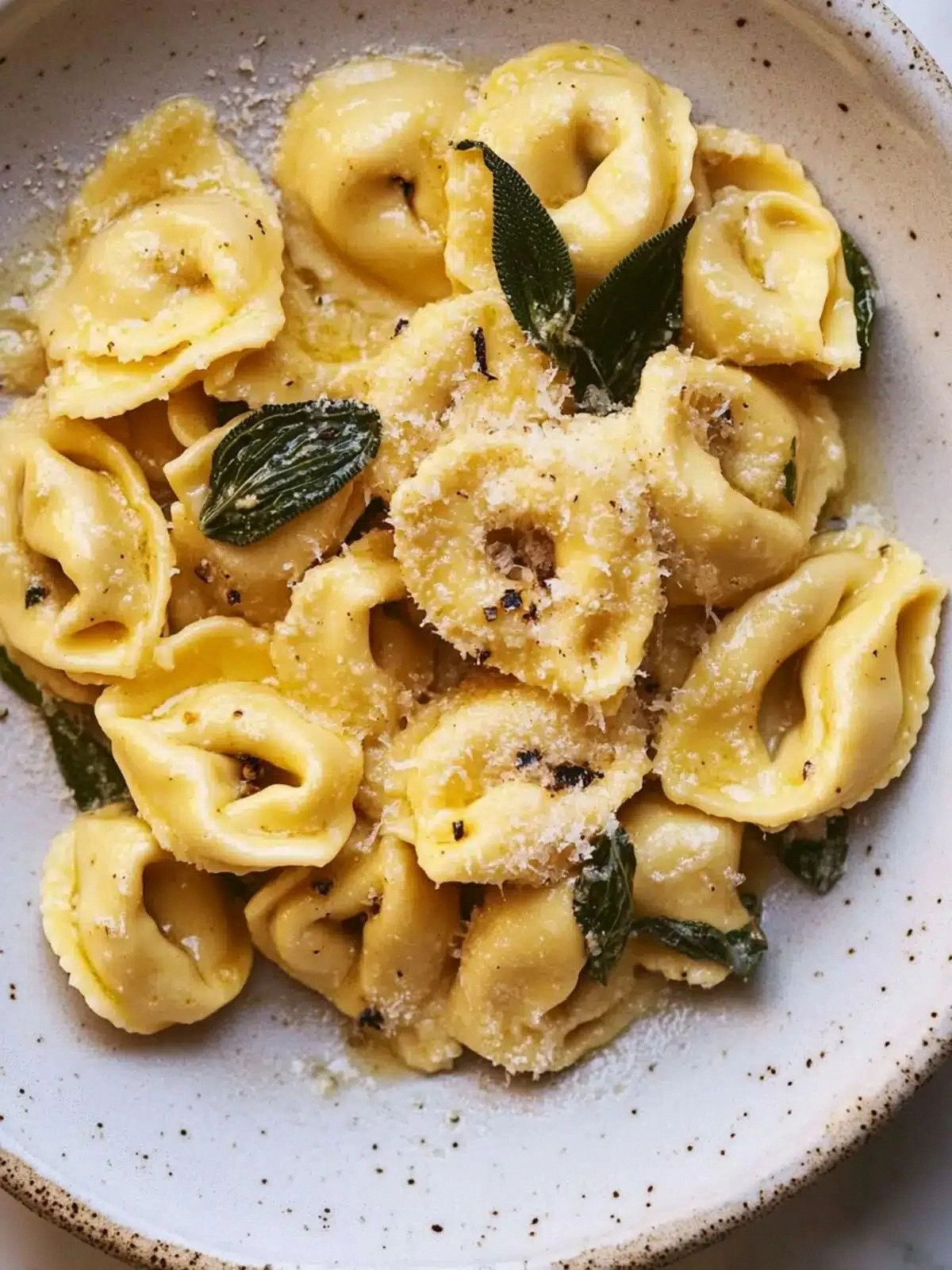
Picture yourself pulling this out of the pan, the whole kitchen smelling incredible, as the golden butter bubbles and the sage leaves crackle like tiny fireworks. The sound is a subtle hiss, the heat is a comforting warmth, and the sight of the tortellini glistening with sauce feels like a small, edible sunrise. Every bite is a marriage of silky cream, sharp Parmesan, and the earthy whisper of sage, all wrapped in a pasta pocket that holds the sauce like a secret treasure. If you've ever struggled with a bland pasta sauce, you're not alone – and I've got the fix. I’ll be honest, I ate half the batch before anyone else got to try it, and it still feels like a culinary revelation.
What makes this version stand out is that it turns a humble weeknight dinner into a gourmet experience without the fuss. The browned butter brings a nutty, caramelized flavor that you won’t find in a regular white sauce. The addition of fresh sage adds a peppery note that cuts through the richness of the cream. The broth lifts the sauce, preventing it from becoming too thick, while the Parmesan adds a savory, umami punch that balances everything. Most recipes get this completely wrong – they either skip the browning step or overcook the pasta, resulting in a soggy, flat dish. Here’s what actually works: a precise browning technique, a careful balance of liquids, and a final splash of broth that keeps the sauce silky.
And now the fun part. I’ve discovered a little trick that elevates the sauce from good to unforgettable – a dash of white wine before adding the cream, which adds a subtle acidity that brightens the whole dish. That sizzle when the butter hits the pan? Absolute perfection. Stay with me here – this is worth it. By the end, you’ll wonder how you ever made it any other way, and your friends will beg for the recipe because they’ll taste the difference between ordinary and extraordinary.
What Makes This Version Stand Out
- Flavor: The browned butter creates a nutty, caramelized base that deepens the sauce’s complexity, turning simple ingredients into a symphony of taste.
- Texture: The cream and broth blend into a silky sauce that clings to each tortellini pocket, delivering a luscious mouthfeel without heaviness.
- Ease: With just a handful of pantry staples and fresh herbs, this dish can be whipped up in less than 45 minutes, making it a reliable go-to for busy nights.
- Uniqueness: The subtle splash of broth after the cream lifts the sauce, preventing it from settling and adding a lightness that sets it apart from conventional alfredo.
- Crowd‑pleaser: Whether you’re feeding a family or entertaining guests, the buttery richness and aromatic sage make this dish a hit every time.
- Ingredient Quality: Using a high‑quality butter and freshly grated Parmesan elevates the dish, showcasing how premium ingredients can transform a simple recipe.
- Cooking Method: The browning technique is the secret sauce; it unlocks flavors that would otherwise remain hidden in a plain butter sauce.
- Make‑ahead Potential: The sauce can be prepped a day ahead and reheated with a splash of water, making it perfect for meal prep or entertaining.
Alright, let's break down exactly what goes into this masterpiece. Each component plays a critical role, and together they create a dish that’s both comforting and sophisticated.
Inside the Ingredient List
The Flavor Base
The unsalted butter is the cornerstone of this sauce; its high smoke point allows it to brown without burning, releasing a nutty aroma that lingers on the tongue. Fresh sage adds a peppery, slightly sweet note that complements the butter’s richness. Garlic, when lightly sautéed, contributes a mellow, sweet undertone that balances the savory elements. Together, they form a fragrant foundation that elevates every bite.
The Texture Crew
Heavy cream gives the sauce its luxurious silkiness, while the Parmesan cheese adds a savory, slightly sharp bite that cuts through the cream’s thickness. The tortellini, with its delicate pasta shell, holds the sauce in pockets, creating a burst of flavor with each chew. The broth is the unsung hero; it lightens the sauce, preventing it from becoming gloopy and ensuring it coats the pasta evenly.
The Unexpected Star
While most pasta sauces rely on tomatoes or béchamel, this recipe’s standout component is the browned butter itself. The Maillard reaction that occurs as the butter browns creates a depth of flavor that is both nutty and caramelized, turning a simple sauce into a complex masterpiece. This technique is often overlooked but is the secret to a dish that feels both humble and extravagant.
The Final Flourish
A final splash of broth before serving pulls the sauce together, giving it a light, airy quality that makes it feel less heavy. The Parmesan is sprinkled at the end, ensuring its sharpness remains vibrant. A pinch of pepper ties everything together with a subtle heat that lingers without overpowering. The combination of these final touches results in a sauce that coats the tortellini like velvet, leaving a lingering, savory aftertaste.
Everything's prepped? Good. Let's get into the real action.
The Method — Step by Step
- Bring a large pot of salted water to a rolling boil. Add the tortellini and cook for 2 minutes less than the package instructions to ensure they stay al dente. The pasta should still have a slight bite. Drain and set aside, reserving a cup of the pasta water for later.
- While the pasta cooks, heat a large skillet over medium heat. Add the stick of butter, letting it melt completely. Watch the butter transform from clear to a golden amber; this is the moment when the Maillard reaction begins to work its magic.
- Add the fresh sage leaves to the pan. They’ll sizzle and pop, releasing their aromatic oils. This step is crucial: the sage should crackle lightly, not burn, which will give the sauce a bright, herbal note. Kitchen Hack: If you want a stronger sage flavor, let the leaves cook for an extra 30 seconds, but be careful not to let them char.
- Crush the garlic cloves and add them to the skillet. Sauté for 30 seconds until fragrant, being careful not to let them brown too quickly. The garlic should impart a mellow sweetness that balances the buttery base.
- Pour in the heavy cream, stirring gently to combine with the browned butter. The mixture should look silky and slightly glossy. Watch Out: Keep the heat low; if the cream starts to boil, it will separate and become grainy.
- Reduce the heat to low and let the sauce simmer gently for 4–5 minutes, allowing the flavors to meld. Stir occasionally to prevent the sauce from sticking to the pan. The sauce should thicken slightly but remain pourable.
- Grate the Parmesan cheese directly into the skillet, stirring until it melts into the sauce. The cheese will add a sharp, umami kick that complements the cream’s richness. Kitchen Hack: Use freshly grated Parmesan; pre‑grated cheese often contains additives that can alter the sauce’s texture.
- Add the cooked tortellini to the skillet, tossing gently to coat each piece evenly. If the sauce feels too thick, add a splash of the reserved pasta water to loosen it to your desired consistency.
- Stir in the cup of vegetable or chicken broth, letting it reduce and infuse the sauce with a subtle savory depth. The broth should evaporate almost entirely, leaving a silky, flavorful coating on the pasta.
- Season with salt and pepper to taste, then give everything one final stir. The sauce should smell toasty, the edges of the butter should have a nutty aroma, and the tortellini should feel perfectly coated. Serve immediately, garnished with a few extra sage leaves if desired.
That’s it — you did it. But hold on, I've got a few more tricks that'll take this to another level.
Insider Tricks for Flawless Results
The Temperature Rule Nobody Follows
The key to a silky sauce is low heat. Many cooks instinctively turn up the flame to speed things up, but this causes the cream to curdle. Keep the heat at a gentle simmer and stir constantly; the sauce will develop a glossy sheen without separating. I once tried to rush it and ended up with a grainy mess that tasted like a failed custard. That’s why I always set a timer and stick to the low‑heat method.
Why Your Nose Knows Best
Trust your nose to tell you when the butter has reached its golden stage. The aroma will shift from sweet to nutty, indicating that the Maillard reaction is complete. If you smell a burnt or metallic scent, the butter has over‑cooked and you’ll need to start over. A quick sniff test can save you from a ruined sauce.
The 5-Minute Rest That Changes Everything
After you remove the skillet from heat, let the sauce rest for 5 minutes before serving. This pause allows the flavors to settle and the sauce to thicken slightly, giving it a more cohesive texture. It also gives the Parmesan a chance to fully melt and integrate. I’ve seen people skip this step, and the result is a sauce that feels watery and under‑seasoned.
The Secret of Fresh Sage
Fresh sage is essential; dried sage loses its aromatic oils over time. When you add fresh leaves, they should crackle and pop, releasing their fragrance. If you’re short on time, a teaspoon of dried sage can work, but the flavor will be muted. I always keep a small container of fresh sage in the fridge, ready for this recipe.
The Pasta‑Water Trick
Reserve a cup of pasta water before draining. The starchy water helps bind the sauce to the pasta, preventing it from sliding off. If the sauce feels too thick, add a tablespoon at a time until it reaches the desired consistency. This technique is a staple in classic Italian cooking and makes the dish feel more cohesive.
Creative Twists and Variations
Spinach & Mushroom Medley
Sauté fresh spinach and sliced mushrooms alongside the sage and garlic for a hearty, earthy twist. The mushrooms add a meaty texture while the spinach provides a pop of green. This variation is perfect for vegetarians who crave depth and a touch of umami.
Lemon Zest Surprise
Add a tablespoon of freshly grated lemon zest to the sauce in the final steps. The citrus brightness cuts through the richness, creating a refreshing contrast. This version is ideal for summer evenings when you want a lighter, brighter pasta.
Smoky Chipotle Kick
Stir in a teaspoon of chipotle powder or a few drops of chipotle in adobo oil for a smoky, spicy edge. The heat balances the buttery sauce, making it a great option for those who enjoy a bit of heat. Pair it with a crisp white wine for a complete experience.
Pine Nut Crunch
Toast a handful of pine nuts in a dry skillet until golden and sprinkle them over the finished dish. The crunch adds a delightful texture contrast and a nutty flavor that complements the browned butter. This twist works wonderfully for a more upscale presentation.
Shrimp & Asparagus Fusion
Sauté peeled shrimp and blanched asparagus before adding them to the sauce. The shrimp’s sweet, briny flavor and the asparagus’s crisp bite create a sophisticated seafood pasta. This variation is a great way to elevate the dish for a dinner party.
Herb‑Infused Cream
Blend a handful of fresh herbs (basil, parsley, thyme) into the cream before adding it to the skillet. The herb-infused cream adds a layered green flavor profile that pairs beautifully with the sage. It’s a subtle way to enhance the sauce without overpowering it.
Storing and Bringing It Back to Life
Fridge Storage
Store the cooked dish in an airtight container in the refrigerator for up to 3 days. The sauce may thicken slightly as it cools, but it will reheat smoothly. When reheating, add a splash of milk or cream to restore its silky texture. I always keep a small container of fresh Parmesan on hand to sprinkle on top after reheating.
Freezer Friendly
This dish freezes well; place it in a freezer‑safe container and label with the date. Freeze for up to 2 weeks. When ready to serve, thaw overnight in the fridge and reheat gently on the stove, adding a little broth or water to loosen the sauce. The flavor remains robust, and the tortellini stays tender.
Best Reheating Method
The best way to bring the sauce back to life is to reheat it over low heat, stirring frequently to prevent sticking. A tiny splash of water or broth before reheating creates steam that keeps the sauce from drying out. Let it bubble for a few minutes until it reaches the desired temperature, then serve immediately.