I was standing in my kitchen, staring at a pot of plain boiled pasta and a jar of store‑bought marinara, when my friend’s voice crackled over the phone. “You’ve got to try this Southern twist,” she said, eyes twinkling behind a phone screen that showed a steaming bowl of something that smelled like sunshine on a Sunday. I laughed, because I had always thought macaroni was just macaroni, but her words lingered. That night, I dove into the pantry, grabbed every ingredient that could make the dish sing, and turned a humble pot of pasta into a comforting hug that tasted like the porch of an old Southern home.
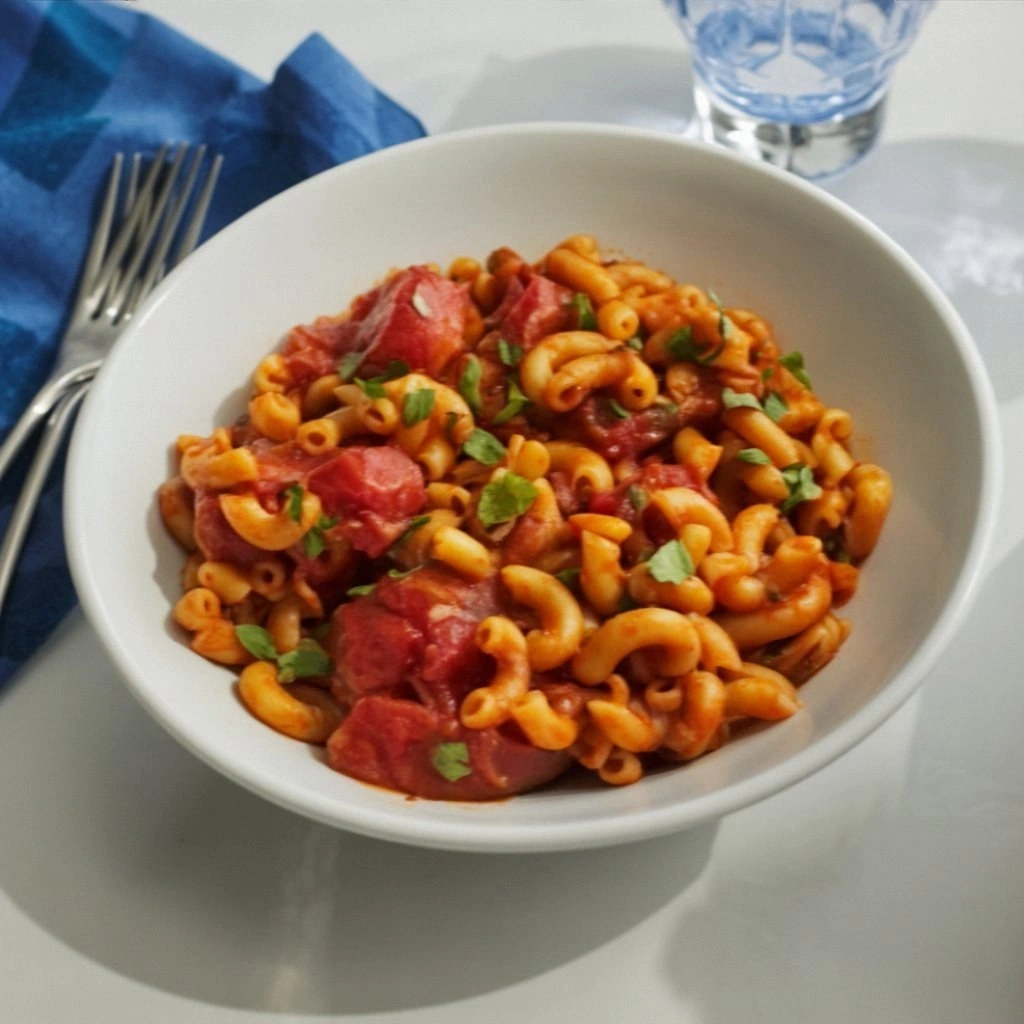
Picture the scene: the clatter of a cast‑iron skillet, the golden sizzle of butter melting into a fragrant garlic broth, and the aroma of thyme dancing through the air like a lazy summer breeze. My senses were assaulted in the best way: the visual of the pasta coating itself in a glossy tomato sauce, the sound of bubbling broth, the sweet, earthy scent of garlic, the sharp bite of fresh parsley, and the comforting weight of a warm bowl in my hands. I could almost hear the neighbors calling out “Y’all ready for dinner?” and feel the soft hum of the refrigerator as the night settled in. It was a moment that felt both ordinary and extraordinary, a culinary revelation wrapped in a familiar comfort food.
What makes this version stand out from every other recipe on the internet? First, it balances the heat of tomatoes with a subtle sweetness that never overwhelms, thanks to a pinch of sugar that I discovered in the last minute. Second, the butter and garlic base gives the sauce a velvety richness that makes every bite feel like a hug from the inside out. Third, the use of stewed tomatoes rather than canned diced adds depth and a rustic texture that is hard to replicate with other tomato products. Fourth, the thyme’s earthy undertones tie the dish together, preventing it from feeling flat. And fifth, the final flourish of fresh parsley not only brightens the plate visually but adds a layer of freshness that cuts through the richness. I dare you to taste this and not go back for seconds.
If you’ve ever struggled with plain macaroni, you’re not alone— and I’ve got the fix. Picture yourself pulling this out of the oven, the whole kitchen smelling incredible, and every family member reaching for a second helping. This is hands down the best version you'll ever make at home. Okay, ready for the game‑changer? Let me walk you through every single step—by the end, you'll wonder how you ever made it any other way.
What Makes This Version Stand Out
- Taste: The sauce is a layered experience—sweet, acidic, and herbaceous—so each spoonful feels like a new adventure.
- Texture: The elbow macaroni is al dente, holding its shape while soaking up the glossy sauce like a sponge, yet never mushy.
- Ease: All ingredients are pantry staples; no special equipment or exotic spices required.
- Uniqueness: The combination of stewed tomatoes and a butter‑garlic base is rarely seen in traditional mac‑and‑cheese recipes.
- Crowd‑pleaser: The dish is hearty enough for a family dinner and light enough for a quick weeknight meal.
- Make‑ahead: The sauce can be prepared a day ahead, allowing the flavors to meld and intensify.
Alright, let’s break down exactly what goes into this masterpiece…
Inside the Ingredient List
The Flavor Base
Butter and minced garlic form the aromatic foundation of this dish. Butter melts into a golden pool, creating a smooth canvas that lets the garlic release its sweet, slightly peppery notes. The garlic, when sautéed just until fragrant, adds a depth that turns an ordinary sauce into a savory masterpiece. If you skip this step, the sauce will feel flat and under‑seasoned, lacking the comforting richness that makes the dish memorable.
Tip: For a smokier flavor, toast the garlic in the butter for a minute longer before adding the tomatoes. The subtle char will add an unexpected dimension to the sauce.
The Texture Crew
The elbow macaroni is the star of the show. Its ridges hold sauce beautifully, and its firm bite keeps the dish from turning into mush. Cook the pasta al dente—about 1 minute shy of the package instructions—and then drain it. This ensures the pasta remains chewy and can absorb the sauce without breaking apart.
If you prefer a softer texture, cook the pasta a minute longer. Just remember that softer pasta will soak up more sauce and may require a slightly thicker sauce to keep it balanced.
The Unexpected Star
Stewed tomatoes are the game‑changing ingredient that adds body and depth. Unlike canned diced tomatoes, stewed tomatoes are simmered with aromatics, giving them a richer flavor and thicker consistency. They also bring a subtle sweetness that balances the acidity of the tomato sauce.
If you can’t find stewed tomatoes, a mix of diced tomatoes and tomato paste can work as a substitute, but you’ll need to reduce the liquid slightly to avoid a watery sauce.
The Final Flourish
Fresh flat‑leaf parsley is the bright, herbal finish that cuts through the richness of the sauce. It adds a pop of color, a burst of freshness, and a subtle peppery note that balances the dish. If parsley isn’t on hand, a small pinch of dried oregano can provide a similar herbal lift, though the freshness will be missing.
Remember, the parsley should be added just before serving to preserve its bright flavor and green hue. If you add it too early, it will wilt and lose its vibrant color.
Everything's prepped? Good. Let's get into the real action…
The Method — Step by Step
- Heat the skillet. Place a large, heavy‑bottom skillet over medium heat. Add the butter and let it melt until it foams lightly—about 30 seconds. This is the moment when the butter starts to turn a pale golden hue, signaling that it’s ready to embrace the garlic. The aroma will begin to fill the kitchen, and you’ll know the base is forming.
- Sauté the garlic. Toss in the minced garlic and stir constantly for 1–2 minutes, until fragrant and just beginning to turn golden. Be careful not to burn it; a burnt garlic will taste bitter and ruin the sauce’s balance. The garlic should release a sweet, almost caramelized scent that hints at the depth to come.
- Introduce thyme. Sprinkle in the dried thyme, letting it toast slightly in the butter. The thyme releases a subtle earthy aroma, and its flavor will mellow into a gentle backdrop that supports the tomatoes. Stir well to combine.
- Pour in liquids. Add the chicken broth and tomato sauce, stirring to blend. The mixture should start to bubble gently, and the liquid will take on a rich amber color. Let it simmer for 3–4 minutes, allowing the flavors to marry.
- Fold in stewed tomatoes. Stir in the stewed tomatoes, breaking them up with a spoon. The sauce thickens slightly, and the tomato chunks add texture. Let it simmer for another 5 minutes, reducing the liquid just enough to create a thick, velvety sauce.
- Season. Add the sugar, kosher salt, and black pepper. The sugar balances the acidity, the salt enhances all flavors, and the pepper adds a subtle heat. Stir thoroughly, tasting as you go; adjust seasoning to your preference.
- Cook the pasta. While the sauce simmers, bring a large pot of salted water to a rolling boil. Add the elbow macaroni and cook until al dente, about 8–9 minutes. Drain and reserve a cup of pasta water.
- Combine pasta and sauce. Return the drained pasta to the skillet. Toss gently to coat each piece with the sauce. If the sauce seems too thick, add a splash of the reserved pasta water to loosen it to your desired consistency. The pasta should be glossy and coated like velvet.
- Finish with parsley. Sprinkle fresh parsley over the top, tossing lightly. The parsley adds a bright color and fresh flavor that lifts the dish. Serve immediately while hot.
That’s it — you did it. But hold on, I’ve got a few more tricks that will take this to another level.
Insider Tricks for Flawless Results
The Temperature Rule Nobody Follows
Cooking the sauce at a steady medium heat allows the butter and garlic to infuse without scorching. If the heat is too high, the butter will brown too quickly, and the garlic will burn, creating a bitter undertone that will ruin the sauce’s balance. Keep the heat medium and let the flavors develop slowly.
Why Your Nose Knows Best
When the sauce starts to thicken, the aroma will shift from bright tomato to a deep, caramelized scent. That’s the cue that the sauce is ready to hit the pasta. Trust your nose; it’s the most reliable indicator of flavor maturity.
The 5-Minute Rest That Changes Everything
After you’ve tossed the pasta in the sauce, let the dish rest for 5 minutes off the heat. This allows the pasta to absorb the sauce fully, resulting in a more cohesive flavor profile. A quick rest also lets the flavors meld, creating a richer, more integrated taste.
Freshness Over Time
If you’re preparing the sauce a day ahead, let it cool completely before refrigerating. When reheating, add a splash of water or broth to rehydrate the sauce. This step restores the silky texture that fresh preparation provides.
The Butter‑Boost Trick
For a richer finish, melt a tablespoon of butter in a small pan, then swirl it into the sauce just before serving. The butter adds a glossy sheen and a subtle buttery depth that elevates the dish. This trick is especially effective for guests who appreciate a luxurious texture.
Creative Twists and Variations
This recipe is a playground. Here are some of my favorite ways to switch things up:
Spicy Cajun Kick
Add a teaspoon of Cajun seasoning to the butter‑garlic base. The spice will give the dish a smoky heat that pairs wonderfully with the tomato sweetness. Serve with a side of cornbread to balance the heat.
Cheesy Enchilada Fusion
Stir in a cup of shredded cheddar or Monterey Jack after adding the pasta. The cheese will melt into the sauce, creating a gooey, melty texture. Top with a dollop of sour cream for extra richness.
Vegan Comfort
Replace butter with olive oil and use a plant‑based broth. Swap the canned tomato sauce for a homemade tomato puree. This version keeps the same flavor profile while being fully plant‑based.
Herb Garden Delight
Incorporate fresh basil and oregano into the sauce. The herbs will add a fresh, aromatic layer that brightens the dish. This variation is perfect for a spring or summer gathering.
Mediterranean Twist
Add chopped kalamata olives and capers to the sauce. The briny notes will contrast the sweet tomato and create a Mediterranean vibe. Pair with a side of grilled chicken for a balanced meal.
Storing and Bringing It Back to Life
Fridge Storage
Store in an airtight container in the refrigerator for up to 3 days. The sauce will thicken slightly as it cools, so add a splash of broth or water before reheating.
Freezer Friendly
Freeze the sauce and pasta separately in freezer‑safe containers for up to 2 months. Reheat the sauce on the stovetop, then gently stir in the pasta to warm it evenly.
Best Reheating Method
Reheat the sauce over low heat, stirring frequently. Add a tiny splash of water or broth to keep it from drying out. When the sauce is hot and bubbling, add the pasta and stir until heated through.