Love this? Pin it for later! 📌
Citrus Glazed Roasted Carrots with Fresh Dill: The Winter Side Dish That Steals the Show
Every winter, I find myself craving something bright and vibrant to cut through the season's heavy, comfort-food monotony. Don't get me wrong—I live for hearty stews and bubbling casseroles—but sometimes your palate just needs that spark of sunshine. That's exactly how this recipe was born, on a particularly gray January afternoon when I was staring at a bag of farmers market carrots and willing them to taste like July.
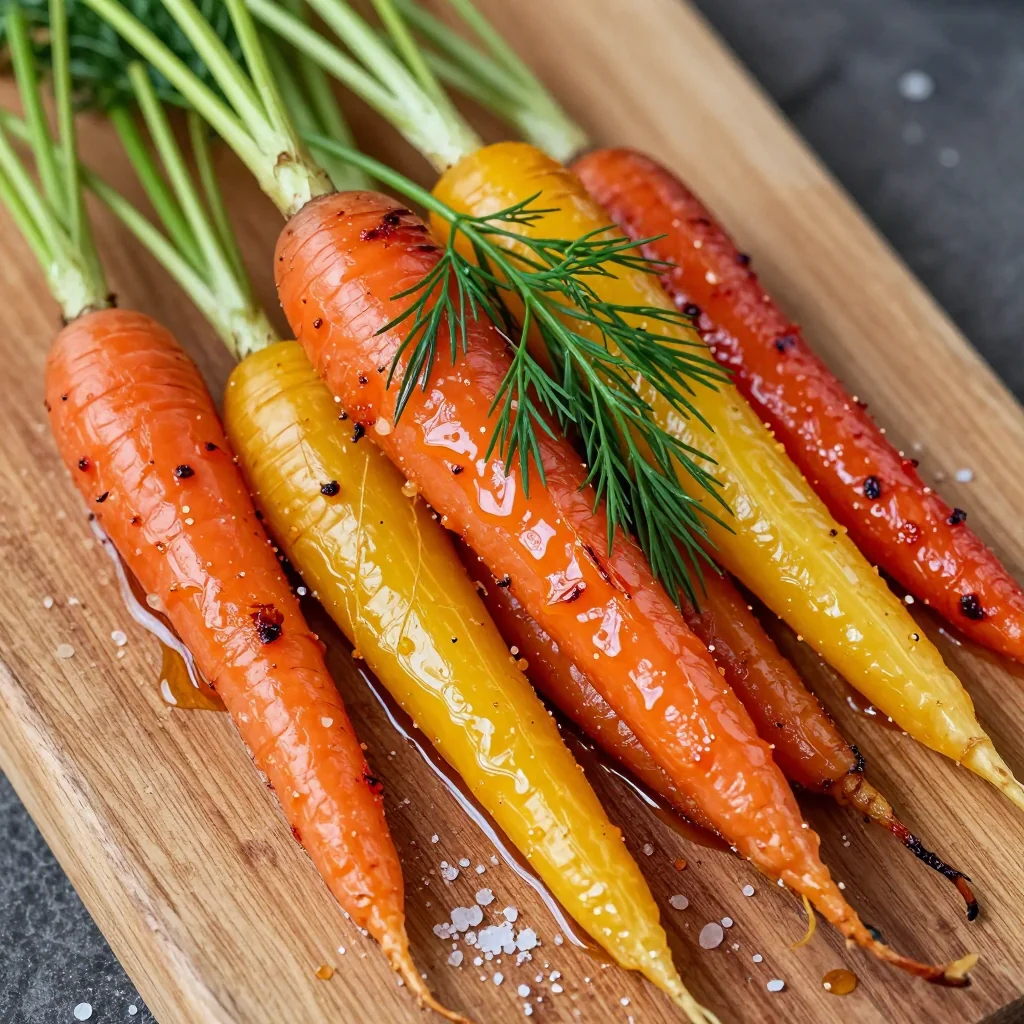
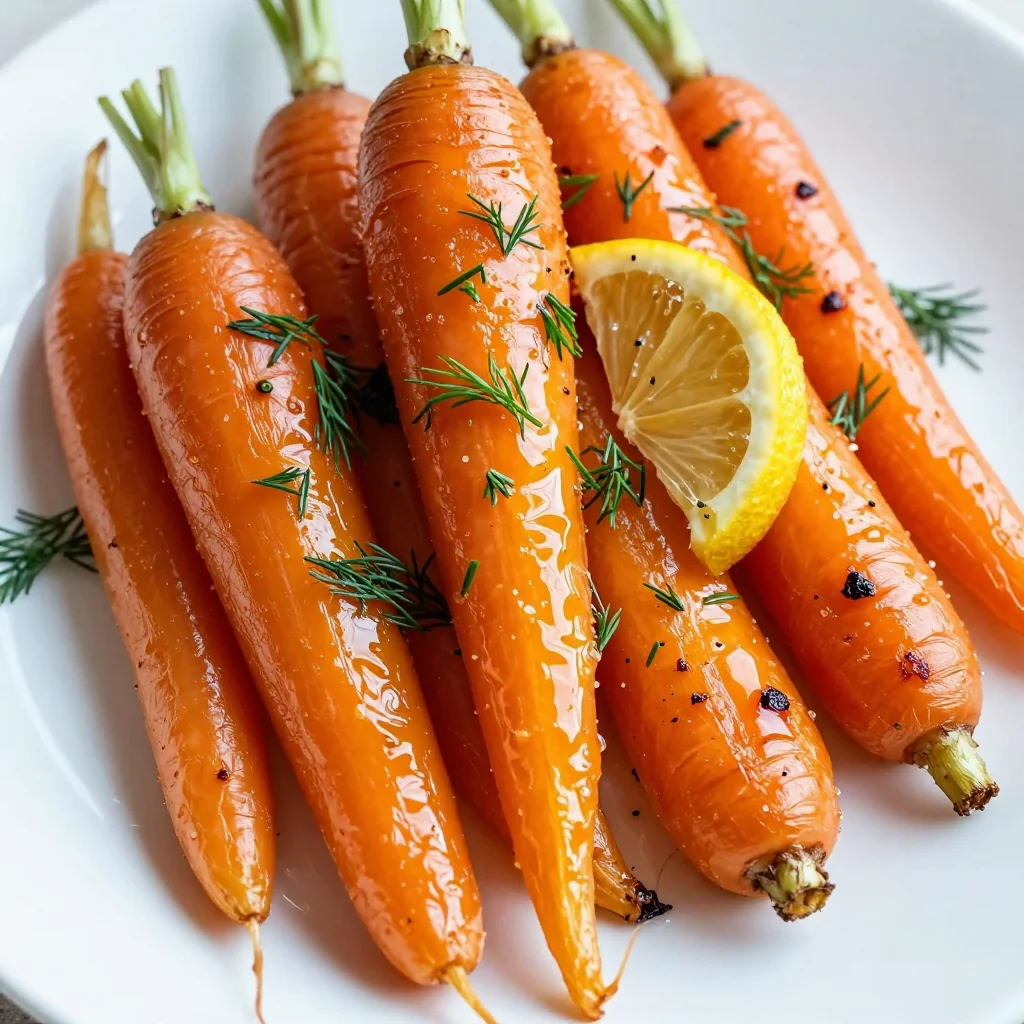
What emerged from my oven forty minutes later was nothing short of magical: tender carrots with caramelized edges, wearing a glossy coat of orange-honey glaze that made them look like jewels. The citrus brightens everything, while the dill adds this incredible freshness that somehow makes you forget it's freezing outside. My family now requests these every single holiday—they've officially dethroned the marshmallow-topped sweet potato casserole (and trust me, that was a big deal in our house).
These carrots have graced our Christmas table, brought life to countless weeknight chicken dinners, and even converted self-proclaimed carrot-haters into genuine enthusiasts. The best part? They're deceptively simple to make, require just one pan, and make your kitchen smell like you've been slaving away for hours.
Why This Recipe Works
- High-Heat Roasting: Creates those gorgeous caramelized edges that make vegetables taste candy-sweet without any refined sugar
- Triple Citrus Punch: Orange juice, lemon zest, and a whisper of lime create layers of bright flavor that develop beautifully in the oven
- Fresh Herb Finish: Adding dill after roasting preserves its vibrant flavor and adds a restaurant-quality presentation
- Honey's Magic: Just two tablespoons create that stunning glossy glaze while enhancing the carrots' natural sweetness
- Make-Ahead Friendly: These reheat beautifully, making them perfect for holiday entertaining when oven space is at a premium
- One-Pan Wonder: Everything roasts together on a single sheet pan, meaning minimal cleanup and maximum flavor
- Nutrient Powerhouse: Carrots are packed with beta-carotene, vitamin K, and fiber—making this indulgent-tasting side actually good for you
Ingredients You'll Need
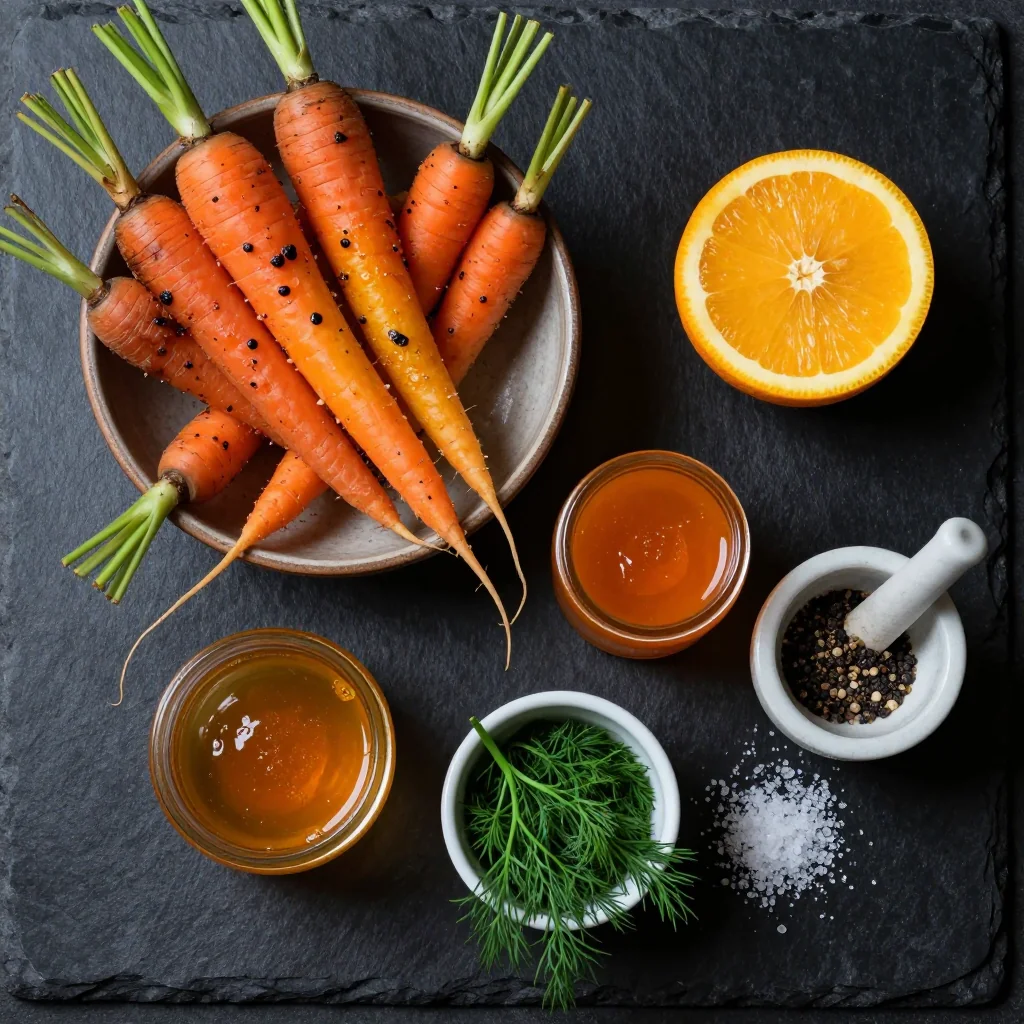
Before we dive into the cooking process, let's talk ingredients. Because when a recipe has fewer than ten components, each one really matters. I've tested this with everything from sad supermarket carrots to the heirloom varieties I drive an hour to get at my favorite farm stand, and while it'll work with any carrot, the quality absolutely shows in the final dish.
Carrots: Look for medium-sized carrots that are roughly the same thickness—this ensures even cooking. If you can only find those bagged "baby" carrots, they'll work, but you won't get the same gorgeous presentation. Farmers market carrots, especially the rainbow variety, will give you the most intense carrot flavor and stunning visual appeal. Avoid the pre-peeled ones; they dry out too much during roasting.
Orange Juice: Fresh-squeezed is non-negotiable here. The bottled stuff has been pasteurized and sits on shelves for months, losing all those bright, volatile compounds that make this dish sing. One large orange should give you exactly what you need. If you're feeling fancy, blood oranges create an incredible ruby glaze.
Honey: Any good quality honey works, but I'm partial to wildflower or orange blossom varieties. They add these lovely floral notes that complement the citrus beautifully. If you're vegan, maple syrup is an acceptable substitute, though you'll lose some of that glossy magic that honey provides.
Fresh Dill: Please, I beg you, don't use dried dill here. Fresh dill has this incredible grassy brightness that you simply cannot replicate. If you hate dill (some people do!), fresh parsley or even tarragon work beautifully. Add it right before serving so it stays vibrant and doesn't wilt into sadness.
Butter: Just two tablespoons create this luxurious mouthfeel that makes restaurant vegetables so addictive. Use the good stuff—European-style butter with higher fat content gives you the richest flavor. For dairy-free folks, olive oil works, but you'll miss some of that silky texture.
How to Make Citrus Glazed Roasted Carrots with Fresh Dill
Prep Your Carrots
Preheat your oven to 425°F (220°C). While it's heating, peel your carrots and trim the ends. If your carrots are particularly thick, cut them in half lengthwise so they're all roughly the same size—this is crucial for even cooking. I like to leave smaller carrots whole for presentation, but do what works for your bunch. Pat them completely dry with paper towels; moisture is the enemy of caramelization.
Create the Glaze Base
In a small saucepan over medium heat, combine the orange juice, honey, and butter. Let this simmer gently for about 3-4 minutes, whisking constantly. You're looking for it to reduce slightly and become syrupy. Don't walk away—honey burns quickly! Once it's thick enough to coat the back of a spoon, remove from heat and stir in the lemon zest, lime juice, salt, and pepper. Let this cool for a minute; it'll thicken more as it sits.
Season and Arrange
Toss your dried carrots in a large bowl with olive oil, making sure each carrot is lightly coated. Season generously with salt and freshly ground black pepper—be bold here, as the high heat will mellow the seasoning. Arrange the carrots in a single layer on a large rimmed baking sheet. Don't crowd them; if they're touching, they'll steam instead of roast. Use two pans if necessary.
First Roast
Slide your pan into the preheated oven and roast for 15 minutes. This initial blast of heat starts the caramelization process. While they're roasting, rewarm your glaze slightly if it's gotten too thick—it should be pourable but not hot. After 15 minutes, remove the pan and give it a good shake or use tongs to flip the carrots for even browning.
Glaze and Finish
Drizzle about two-thirds of your citrus glaze over the carrots, using a pastry brush to ensure even coverage. Return to the oven for another 10-12 minutes, until the carrots are tender when pierced with a fork and the glaze has reduced to a sticky, glossy coating. Keep a close eye during these final minutes—the honey in the glaze can go from perfect to burnt very quickly.
Final Touches
Remove from oven and immediately transfer to your serving platter. Drizzle with the remaining glaze, then shower with fresh dill and an extra sprinkle of lemon zest for brightness. The residual heat will gently wilt the herbs, releasing their aromatic oils. Serve hot or warm—these maintain their appeal even as they cool to room temperature.
Presentation Matters
For holiday meals, I like to serve these on a white platter so the orange glaze pops visually. Arrange them in a loose pile rather than military rows—this looks more inviting and casual. If you have extra dill fronds, tuck a few whole ones between the carrots for that magazine-worthy finish. A final crack of fresh black pepper right before serving adds both flavor and visual appeal.
Expert Tips
Temperature is Key
Don't be tempted to lower the temperature for faster cooking. That 425°F blast is what creates the caramelization that makes these carrots irresistible. If they brown too quickly, move the rack down rather than reducing heat.
Make Extra Glaze
I always double the glaze recipe and serve some on the side. People will want extra for drizzling over their main course, and it's fantastic on roasted chicken or pork tenderloin the next day.
Prep Ahead Smart
You can peel and cut the carrots up to 3 days ahead—store them submerged in cold water in the fridge, then dry thoroughly before using. The glaze can be made up to a week in advance and refrigerated.
Don't Skip the Flip
That mid-roast flip isn't just for even cooking—it ensures every carrot gets those gorgeous caramelized edges. Use tongs or a thin spatula to prevent breaking the tender carrots.
Color Variety
Mix orange, purple, and yellow carrots for a stunning presentation. The different varieties have subtle flavor differences too—purple ones are earthier, yellow ones are sweeter.
Serving Temperature
These are best served warm, not piping hot. Let them rest for 5-7 minutes after coming out of the oven—the glaze will set slightly and the flavors will meld beautifully.
Variations to Try
Mediterranean Style
Swap dill for fresh oregano and mint, add a sprinkle of feta after roasting, and finish with a squeeze of lemon. The salty cheese against the sweet carrots is incredible.
Spicy Kick
Add 1/2 teaspoon of crushed red pepper flakes to the glaze, or a drizzle of hot honey. The sweet-heat combination is addictive and perfect for those who like a little excitement.
Holiday Luxe
Replace half the butter with brown butter for nuttiness, add a splash of bourbon to the glaze, and finish with candied pecans. This version has graced our Thanksgiving table for five years running.
Storage Tips
These carrots store beautifully, making them perfect for meal prep or holiday entertaining when you need to get ahead of the game. Let them cool completely before transferring to an airtight container—they'll keep in the refrigerator for up to 5 days. The glaze might look a little cloudy when cold, but a quick reheat will restore its glossy glory.
To reheat, spread them on a baking sheet and warm in a 350°F oven for about 8-10 minutes, or until heated through. The microwave works in a pinch, but you'll lose that lovely caramelization. If they seem dry after storage, drizzle with a touch of olive oil before reheating.
While you can freeze these, I don't recommend it—the high water content in carrots makes them mushy upon thawing, and you'll lose that perfect texture that makes this dish special. If you must freeze, undercook them slightly, freeze in a single layer on a baking sheet, then transfer to freezer bags. Reheat directly from frozen in a hot oven.
Frequently Asked Questions
Technically yes, but with caveats. Those bagged "baby" carrots are actually just regular carrots cut down and rounded off. They work in a pinch, but they won't get those gorgeous caramelized edges, and the texture tends to be more watery. If you must use them, look for the true baby carrots with tops still attached—those are actually young carrots harvested early and will give you much better flavor and presentation.
Honey burns at high temperatures, so timing is crucial. Make sure you're adding the glaze during the final 10-12 minutes of cooking, not at the beginning. If your oven runs hot, check at 8 minutes. The glaze should be thick enough to coat a spoon but still pourable—if it's too thick, it will burn before it caramelizes. Also, ensure your carrots are in a single layer with space between them; overcrowding creates steam that prevents proper caramelization.
Absolutely! These are actually better when made ahead. Roast them completely, then cool and refrigerate for up to 3 days. When ready to serve, reheat in a 350°F oven for about 12-15 minutes. The flavors meld beautifully, and you'll have one less thing to worry about during dinner party prep. Just wait to add the fresh dill until right before serving—this keeps it bright and prevents it from turning that sad army-green color.
If dill isn't your thing (or you can't find good fresh dill), several herbs work beautifully. Fresh parsley gives you that same freshness without the licorice notes. Fresh tarragon is magical—its slight anise flavor pairs gorgeously with the citrus. Fresh thyme leaves (about 2 teaspoons) add an earthy note. Or go Mediterranean with fresh oregano and a sprinkle of feta cheese. Just avoid dried herbs; they don't provide the same vibrant flavor and can taste musty.
The key is high heat and not overcooking. Make sure your oven is fully preheated to 425°F before the carrots go in. Don't add the glaze too early—the sugar makes them soften faster. Test for doneness at 22 minutes total cooking time; they should be tender when pierced with a fork but still hold their shape. Remember they'll continue cooking slightly after you remove them from the oven. Size matters too—cut them all to similar thickness so they cook evenly.
Yes, but use two baking sheets rather than crowding one. When vegetables are packed too tightly, they steam instead of roast, and you'll miss those gorgeous caramelized edges. Rotate the pans halfway through cooking for even browning. The glaze recipe doubles easily, but you might want to make 1.5x the glaze rather than doubling it completely—extra glaze is never a bad thing, and you can always serve some on the side for drizzling.
Citrus Glazed Roasted Carrots with Fresh Dill
Ingredients
Instructions
- Prep: Preheat oven to 425°F. Peel carrots and cut into uniform pieces, pat completely dry.
- Season: Toss carrots with olive oil, salt, and pepper. Arrange in single layer on rimmed baking sheet.
- Make glaze: Simmer orange juice, honey, and butter until syrupy, about 4 minutes. Stir in lemon zest and lime juice.
- Roast: Roast carrots 15 minutes, then flip for even browning.
- Glaze: Brush with 2/3 of the glaze, roast another 10-12 minutes until tender and glossy.
- Finish: Transfer to platter, drizzle with remaining glaze, sprinkle with fresh dill and serve warm.
Recipe Notes
Don't substitute dried dill for fresh—it won't provide the same bright flavor. These carrots reheat beautifully, making them perfect for holiday entertaining. For extra caramelization, broil for the final 2 minutes, watching carefully to prevent burning.