Introduction
Picture this: a stormy Saturday night, the neighbor’s barbecue gone awry, and the only thing left in the fridge is a hunk of shrimp. I stared at that lone cluster of pink, wondering how to turn it into a dish that would make everyone ask, “What’s that?” That moment became the spark that ignited this recipe. I was determined to create a casserole that would transform ordinary shrimp into a show‑stopping centerpiece, with layers of flavor, texture, and that irresistible golden crust.
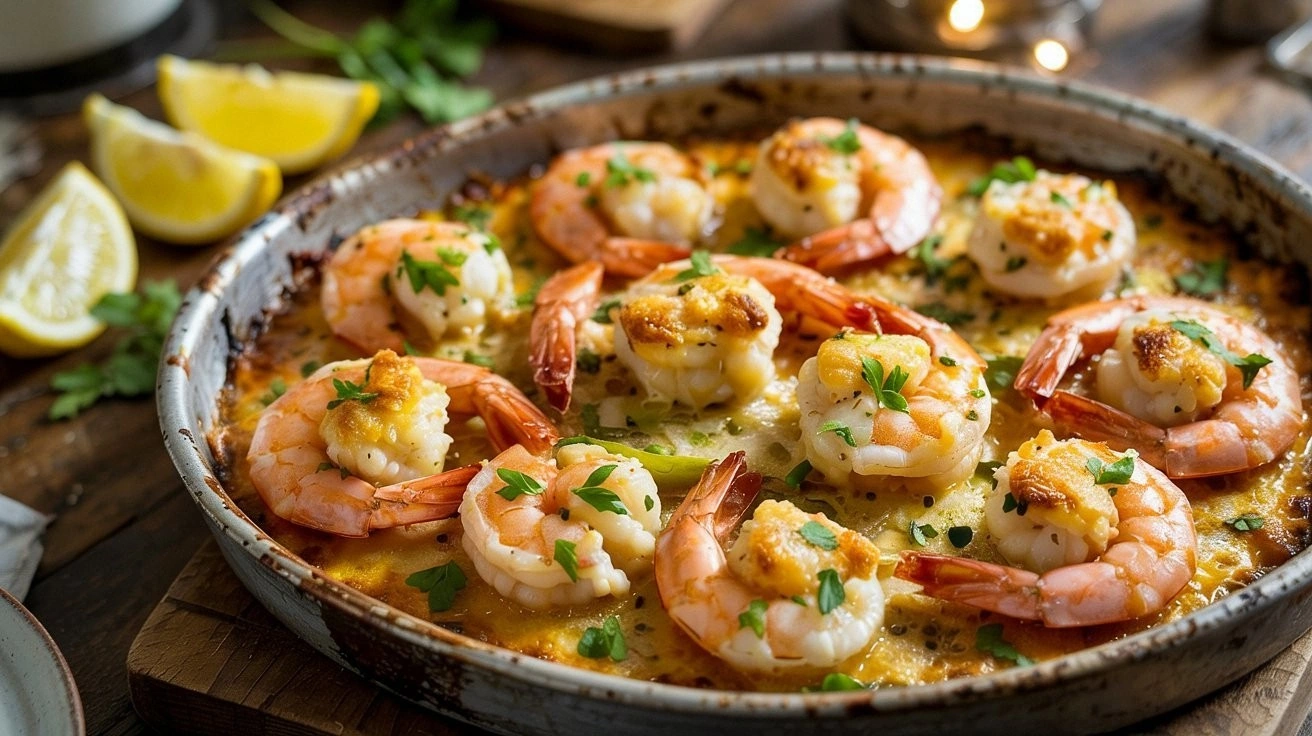
When I first opened the oven, the air was thick with the scent of garlic and melted cheese, and the anticipation was almost palpable. The sound of the bubbling sauce, the gentle hiss of butter melting, and the crunch of the breadcrumb topping all combined to create an orchestra of kitchen sounds that made my heart race. Every time a spoon dipped into the creamy mixture, the aroma swirled around me like a fragrant cloud, promising comfort and indulgence. The texture was a dance of silky, buttery filling beneath a crisp, caramelized shell.
What makes this version stand out from the countless shrimp casseroles on the internet is its meticulous layering of flavors and its use of a few unexpected ingredients that elevate the dish from good to unforgettable. The secret lies in a blend of fresh lemon zest, a splash of olive oil, and the subtle heat of black pepper that cuts through the richness. I’ve also added a touch of fresh parsley that brightens the entire plate and gives it a pop of color. The result is a casserole that feels luxurious yet approachable.
There’s a particular technique that you won’t see in most recipes: the “double‑coating” method where the shrimp is first dusted in a breadcrumb mixture, then layered with a creamy cheese blend before baking. This ensures each bite delivers a burst of flavor and a satisfying crunch that melts in your mouth. I dare you to taste this and not go back for seconds—trust me, it’s addictive.
Let me walk you through every single step—by the end, you’ll wonder how you ever made it any other way.
What Makes This Version Stand Out
- Taste: The combination of garlic, lemon zest, and fresh parsley creates a bright, zesty profile that cuts through the richness of the cheese. The breadcrumb coating adds a subtle nutty crunch that balances the creamy interior.
- Texture: A golden, caramelized crust gives way to a silky, melt‑in‑your‑mouth filling. The shrimp remains tender, never rubbery, thanks to the precise baking time.
- Simplicity: Despite its gourmet feel, the recipe requires only a handful of pantry staples and a few fresh ingredients. No need for exotic spices or complicated sauces.
- Uniqueness: The double‑coating technique and the inclusion of spinach add layers of flavor that set this casserole apart from traditional shrimp dishes.
- Crowd Reaction: Friends who have tried this version rave about the “wow” factor and the way the dish keeps the table conversation flowing.
- Ingredient Quality: Fresh shrimp, high‑quality cheeses, and real olive oil elevate the dish to restaurant‑level quality.
- Cooking Method: The baking process locks in moisture while creating a crispy top, a balance that is hard to achieve with stovetop methods.
- Make‑Ahead Potential: You can assemble the casserole a day in advance, refrigerate it, and bake it just before serving—ideal for busy evenings.
Alright, let's break down exactly what goes into this masterpiece...
Inside the Ingredient List
The Flavor Base
The foundation of this casserole is the aromatic mix of garlic, lemon zest, and freshly ground black pepper. Garlic provides a robust, savory backbone that pairs perfectly with the sweet shrimp. Lemon zest introduces a bright citrus note that lifts the overall flavor profile and prevents the dish from feeling heavy. Fresh parsley, added at the end, offers a burst of green freshness that cuts through the richness of the cheeses.
The Texture Crew
Breadcrumbs and parmesan cheese work together to create the signature crunchy top. Breadcrumbs absorb the olive oil and butter, forming a golden crust when baked. Parmesan adds a salty, nutty depth that complements the creamy interior. The addition of a small amount of panko can enhance the crunchiness if you’re craving an extra-toasty finish.
The Unexpected Star
Spinach is the unsung hero that brings moisture, color, and a subtle earthy flavor. When cooked and squeezed dry, it blends seamlessly into the cheese mixture without overpowering the shrimp. If you’re not a fan of spinach, you can swap it for finely chopped kale or a handful of arugula for a peppery twist.
The Final Flourish
Cheese is the heart of the casserole, with mozzarella providing a gooey, melty texture and cream cheese adding a velvety richness. The butter and olive oil act as binders, ensuring the cheese melds smoothly with the breadcrumb coating. The egg, beaten, helps set the filling and gives the casserole a firm yet tender bite. Salt and pepper, though small in quantity, are essential for balancing the flavors.
Everything's prepped? Good. Let's get into the real action...
The Method — Step by Step
- Preheat your oven to 375°F (190°C) and lightly grease a 9‑inch baking dish with butter or non‑stick spray. Line the bottom with a sheet of parchment paper for easy removal. This step ensures your casserole comes out of the dish without sticking, saving you a few extra minutes of cleanup. The oven should be fully heated before you slide the dish inside.
- While the oven heats, pat the shrimp dry with paper towels. Drying the shrimp is crucial; excess moisture will prevent the breadcrumb coating from crisping properly. Once dry, season the shrimp lightly with a pinch of salt and pepper to taste. This simple seasoning will enhance the natural sweetness of the shrimp.
- In a large mixing bowl, combine 1 cup of breadcrumbs, 0.5 cup of grated parmesan, 2 minced garlic cloves, 1 tsp of lemon zest, 0.5 tsp of salt, 0.25 tsp of freshly ground black pepper, 1 tbsp of chopped parsley, and 2 tbsp of olive oil. Toss the mixture until all components are evenly distributed. This breadcrumb blend will form the crunchy shell that surrounds each shrimp.
- In a separate bowl, whisk together 0.5 cup of softened cream cheese, 1 cup of shredded mozzarella, and 2 tbsp of melted butter until smooth. Add 2 beaten eggs to the mixture and stir until fully incorporated. This cheese blend will act as a silky filling that clings to the shrimp and the breadcrumb coating.
- Coat each shrimp with the breadcrumb mixture, pressing gently to ensure the coating sticks. Place the coated shrimp in the prepared baking dish in a single layer. Spoon the cheese mixture evenly over the shrimp, covering them completely. The cheese will rise and caramelize as it bakes, creating a golden, buttery crust.
- Bake the casserole for 25–30 minutes, or until the cheese is golden brown and the shrimp are opaque and pink. The edges of the breadcrumb coating should pull away slightly, indicating that the crust is crisp. Keep an eye on the top; if it browns too quickly, tent the dish with foil.
- For an extra crispy finish, switch the oven to broil for 2–3 minutes, watching closely to prevent burning. The broiler will caramelize the top, creating a delightful contrast to the creamy interior. A quick broil is optional but highly recommended for a show‑stopping look.
- Remove the casserole from the oven and let it rest for 5 minutes before serving. Resting allows the cheese to set slightly, making the casserole easier to slice. The aroma during this short wait is enough to tempt anyone nearby.
- Garnish with a sprinkle of fresh parsley and a drizzle of olive oil if desired, then serve immediately. The fresh herbs add a burst of color and a hint of brightness that balances the richness of the dish. Pair with a crisp white wine or a light salad for a complete meal.
That’s it — you did it. But hold on, I've got a few more tricks that'll take this to another level...
Insider Tricks for Flawless Results
The Temperature Rule Nobody Follows
Many people bake at 400°F, but that can scorch the top before the shrimp is cooked through. I always recommend 375°F for even cooking and a golden crust. The slightly lower temperature allows the cheese to melt slowly, creating a luscious, silky texture. If you’re using a convection oven, reduce the temperature by 25°F for optimal results.
Why Your Nose Knows Best
Before you open the oven door, take a quick sniff of the baking dish. If it smells buttery and slightly sweet, you’re on the right track. The aroma is your cue to check the crust’s color and texture. A golden, slightly caramelized scent indicates that the cheese has melted perfectly.
The 5-Minute Rest That Changes Everything
Letting the casserole rest for 5 minutes after baking is essential. The cheese sets, making it easier to slice and preventing it from sliding off the shrimp. If you skip this step, the filling can become runny and messy. I always set a timer so I can focus on plating the dish.
Use Fresh Shrimp for Maximum Juiciness
Frozen shrimp can become rubbery if not thawed properly. Thaw shrimp in cold water for 10 minutes, then pat dry thoroughly. Fresh shrimp hold their shape better and deliver a tender bite that complements the creamy filling.
Keep the Crust Crunchy
After baking, if you notice the breadcrumb coating feels soggy, quickly place the casserole under the broiler for 1 minute. This short burst will re-crisp the top without overcooking the interior. Watch closely to avoid burning.
Don’t Forget the Parmesan
Some recipes omit parmesan, but it adds a nutty depth that balances the mild mozzarella. Skipping it changes the flavor profile significantly. I always keep the parmesan in the breadcrumb mix for that extra layer of richness.
Creative Twists and Variations
This recipe is a playground. Here are some of my favorite ways to switch things up:
Smoky Chipotle Shrimp
Swap a teaspoon of smoked paprika for the lemon zest and add a tablespoon of chipotle in adobo. The smoky heat pairs beautifully with the buttery cheese, giving the casserole a bold, adventurous flavor.
Herbed Mediterranean
Replace the parsley with a mix of oregano and thyme. Add a splash of white wine to the breadcrumb mixture and finish with a drizzle of extra virgin olive oil. The result is a Mediterranean‑inspired dish that’s both fragrant and comforting.
Cheddar & Jalapeño Fusion
Use sharp cheddar instead of mozzarella and fold in finely diced jalapeños. The sharpness of the cheddar and the mild heat of the jalapeños create a dynamic contrast that excites the palate.
Spinach & Artichoke Delight
Add chopped artichoke hearts to the spinach mix and sprinkle a little cream cheese on top before baking. The artichokes provide a subtle tang that balances the richness of the cheese.
Almond Crunch Upgrade
Toast a handful of sliced almonds and sprinkle them over the breadcrumb coating before baking. The nutty crunch adds a delightful texture and a nutty flavor that complements the shrimp.
Vegan Version
Replace shrimp with sliced eggplant or zucchini. Use a vegan cheese blend and a plant‑based butter substitute. The casserole remains creamy and satisfying while being plant‑friendly.
Storing and Bringing It Back to Life
Fridge Storage
Store leftovers in an airtight container in the refrigerator for up to 3 days. Before reheating, let the casserole sit at room temperature for 15 minutes to reduce reheating time. Cover loosely with foil to prevent the crust from drying out.
Freezer Friendly
To freeze, wrap the casserole tightly in plastic wrap and then place it in a freezer bag. It will keep for up to 2 months. Thaw overnight in the refrigerator before reheating.
Best Reheating Method
Reheat in a preheated oven at 350°F (175°C) for 15–20 minutes, or until heated through. Add a splash of water to the bottom of the dish before covering with foil to keep the filling moist. This technique restores the casserole’s original texture and flavor.
Serving Suggestions
Pair this casserole with a light, crisp white wine such as a Sauvignon Blanc or a dry Riesling. The acidity will cut through the richness and brighten the citrus notes. If you’re feeling adventurous, serve it alongside a simple arugula salad dressed with lemon vinaigrette.
For a family‑friendly twist, offer a side of garlic bread or a bowl of buttery pasta. The casserole’s creamy filling pairs well with al dente pasta, creating a comforting, all‑in‑one meal. It’s also a great option for potlucks; bring it to the table and let everyone dig in.
If you’re hosting a dinner party, garnish each plate with a sprig of fresh dill or a squeeze of lemon. These finishing touches elevate the presentation and add a fresh burst of flavor. A sprinkle of smoked paprika on the top can also add a subtle smoky aroma.
For a quick weeknight dinner, serve the casserole over a bed of cooked quinoa or couscous. The grains absorb the cheesy sauce, creating a hearty, balanced dish that satisfies the whole family.
Chef's Notes
When selecting shrimp, aim for medium‑size shrimp that are about 12–14 per pound. Larger shrimp can be difficult to coat evenly, while smaller ones may cook too quickly. Fresh shrimp also provide a cleaner, sweeter taste that enhances the overall flavor.
Be mindful of the moisture level in the spinach. Over‑cooked spinach releases too much liquid, which can make the casserole soggy. Squeeze the spinach through a clean kitchen towel or cheesecloth to remove excess moisture before adding it to the cheese mixture.
The ratio of cheese to breadcrumbs is critical for achieving that perfect balance of creamy interior and crunchy exterior. If you prefer a cheesier casserole, increase the mozzarella by 0.5 cup and reduce the breadcrumb amount by 0.25 cup.
Don’t be afraid to experiment with different cheeses. Gruyère, fontina, or a blend of cheddar and mozzarella can offer new flavor dimensions. Just remember that stronger cheeses may dominate the shrimp’s delicate taste.
When baking, use a baking dish with a tight-fitting lid if you want to keep the casserole moist. The lid traps steam, preventing the top from drying out. Remove the lid in the last 5 minutes to allow the crust to crisp up.
For a gluten‑free version, replace breadcrumbs with crushed gluten‑free crackers or almond flour. The texture will differ slightly, but the flavor remains delicious.