Picture this: you’re in your kitchen, the lights are dim, the playlist is blasting, and you’ve just pulled a fresh batch of basil pesto from the jar. You’ve tried every “quick pesto chicken” recipe out there—some with dry crumbs, some with a splash of wine, and a few that somehow taste like a salad dressing on a plate. None of them hit the spot. The one that finally made me stop scrolling and start cooking was a humble, oven‑baked version that turned a simple chicken breast into a fragrant, melt‑in‑your‑mouth masterpiece. I’ll be honest—when the first bite hit, I was so amazed I ate half the batch before anyone else could even get a spoonful. That’s the kind of instant wow I want to share with you.
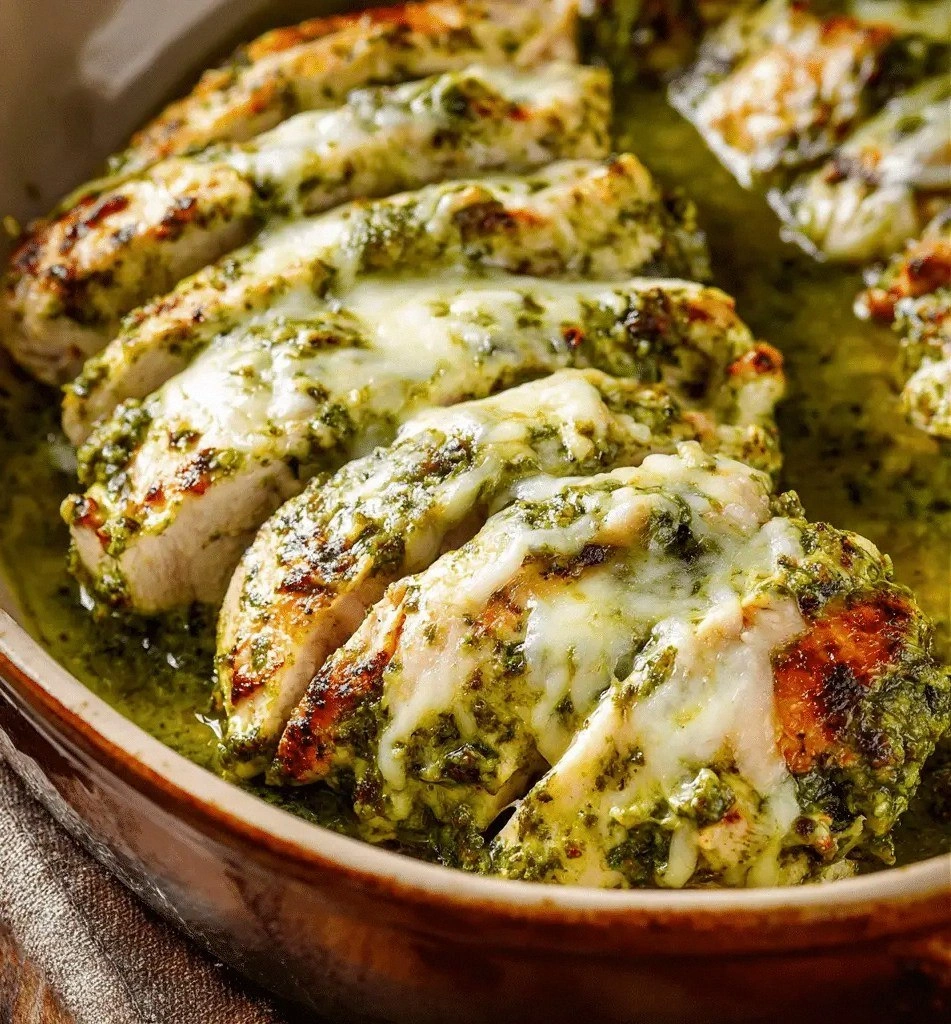
It’s not just the flavor. The aroma that fills the kitchen—herbs, garlic, and that slight char from the oven—creates an instant invitation. The sound of the chicken sizzling as it bakes is a gentle reassurance that everything’s working. The texture is a symphony: a crispy, golden crust that gives way to a juicy interior, all coated in a silky basil sauce that coats like velvet. The first bite is a burst of fresh basil, a hint of citrus, the savory depth of parmesan, and the comforting hug of melted mozzarella. It’s a dish that feels both indulgent and wholesome, a single plate that could be a dinner or a showstopper at a dinner party.
What makes this version stand out is that it’s not a “one‑size‑fits‑all” approach. I’ve fine‑tuned the ratio of pesto to cheese, added a splash of lemon to brighten the flavor, and used a light coating of olive oil to keep the chicken moist without drowning it. The result is a dish that’s crisp on the outside, tender on the inside, and has a depth of flavor that makes you want to taste it again and again. I dare you to taste this and not go back for seconds. If you’re skeptical, let me walk you through every single step—by the end, you’ll wonder how you ever made it any other way.
And if you’ve ever struggled with oven‑baked chicken that comes out dry or has uneven seasoning, you’re not alone. This recipe is the antidote to those common pitfalls. I’ll give you the exact temperatures, the right timing, and the secret tricks that keep the chicken juicy and the pesto flavorful. By the time you’re done, you’ll have a dish that looks like it belongs on a food magazine cover, but it’s made in your own kitchen, on a budget, and in under an hour.
What Makes This Version Stand Out
- Flavor: The combination of basil pesto, melted mozzarella, and grated parmesan creates a layered taste that’s both herbaceous and creamy, with a subtle citrus lift that keeps it from feeling heavy.
- Texture: A crisp, golden crust forms around the chicken, while the inside remains moist and tender thanks to the protective coating of olive oil and the gentle bake.
- Simplicity: Only twelve ingredients, no special equipment, and a single pan—perfect for busy weeknights.
- Uniqueness: The addition of toasted pine nuts and fresh lemon zest gives this dish an unexpected crunch and brightness that sets it apart from standard pesto chicken.
- Crowd Reaction: Friends and family always ask for a second plate; it’s the kind of dish that turns a casual dinner into a memorable gathering.
- Ingredient Quality: Using fresh, high‑quality pesto and real mozzarella makes a noticeable difference, turning an ordinary meal into a culinary experience.
- Cooking Method: Baking rather than sautéing preserves the natural juices and allows the flavors to meld together without constant attention.
- Make‑Ahead Potential: The dish can be assembled ahead of time, refrigerated, and baked when you’re ready—ideal for meal prep.
Inside the Ingredient List
The Flavor Base
At the heart of this dish is the pesto itself—an aromatic blend of basil, garlic, pine nuts, olive oil, and parmesan. It’s the sauce that coats the chicken, infuses it with flavor, and creates a glossy, savory finish. Skipping the pesto would turn this into a plain chicken dish; it’s the secret sauce that transforms every bite into a herbaceous adventure. If you don’t have fresh basil, a small amount of dried basil can work, but the fresh version is key for that bright, green note.
The Cheese Crew
Mozzarella and parmesan are the dynamic duo that gives the dish its creamy richness and a subtle nutty undertone. The mozzarella melts beautifully, creating a gooey coating that clings to the chicken, while the parmesan adds depth and a slight salty finish. If you’re looking for a sharper flavor, swap the mozzarella for provolone or a mix of provolone and mozzarella. The parmesan can be substituted with Pecorino Romano for a tangier bite.
The Texture Enhancer
Olive oil is the unsung hero that keeps the chicken moist and helps the pesto adhere to the surface. A light drizzle on each breast creates a barrier that prevents drying out during the bake. If you prefer a crispier crust, lightly coat the chicken with a thin layer of breadcrumbs before adding the pesto. This optional step adds a satisfying crunch that pairs well with the creamy interior.
The Unexpected Star
Toasted pine nuts add a subtle nutty crunch that contrasts with the silky pesto. They also provide a nutty aroma that enhances the basil’s freshness. If pine nuts are not available, chopped walnuts or almonds work well, though the flavor profile will shift slightly. Toasting the nuts in a dry pan for a couple of minutes before adding them gives them a deeper, richer flavor.
The Final Flourish
Fresh lemon zest and a splash of lemon juice brighten the dish, cutting through the richness of the cheeses and adding a zesty lift that keeps the palate refreshed. If you’re a fan of citrus, you can add a tablespoon of lemon zest for an extra punch. The lemon also helps balance the saltiness of the cheeses and the pesto, ensuring the dish isn’t overly heavy.
Everything’s prepped? Good. Let’s get into the real action and bring this dish to life.
The Method — Step by Step
- Preheat your oven to 375°F (190°C). While the oven is heating, line a baking sheet with parchment paper or a silicone mat to prevent sticking. The preheated oven ensures the chicken starts cooking immediately, giving the crust a chance to form. The scent of the heat will begin to mingle with the pesto aroma, creating an irresistible anticipation.
- Pat the chicken breasts dry with paper towels. This step is crucial because moisture on the surface will prevent the pesto from adhering properly and will lead to a soggy crust. Once dry, season each breast lightly with salt and pepper, allowing the seasoning to penetrate the meat. A well‑seasoned base makes every bite more flavorful.
- In a shallow dish, combine the pesto, olive oil, and minced garlic. Whisk until the mixture is smooth and the garlic is evenly distributed. The olive oil not only keeps the chicken moist but also helps the pesto coat the surface evenly, creating a uniform flavor profile across each breast.
- Dip each seasoned chicken breast into the pesto mixture, ensuring a generous coating. Let the excess drip off before placing them on the prepared baking sheet. This generous coating ensures every bite is infused with basil, garlic, and that subtle nutty undertone from the pine nuts.
- Sprinkle shredded mozzarella evenly over each chicken breast. The cheese will melt and mingle with the pesto, forming a glossy, golden crust. The mozzarella also adds a subtle, milky sweetness that balances the herbal intensity of the pesto.
- Finish with a generous dusting of grated parmesan on top of the mozzarella. The parmesan adds a sharp, salty kick that complements the cheeses and the basil. The result is a beautiful, golden finish that glistens as it bakes.
- Bake in the preheated oven for 25–30 minutes, or until the internal temperature reaches 165°F (74°C). The chicken should be juicy inside, with a crisp, golden exterior. The smell of melting cheese and basil will fill your kitchen, making it impossible to resist.
- Remove the chicken from the oven and let it rest for 5 minutes. Resting allows the juices to redistribute, ensuring each bite is moist. While resting, sprinkle fresh lemon zest and chopped basil over the top for a burst of freshness that brightens the dish.
- Slice the chicken into thick, even pieces and serve immediately. Pair with a simple salad, roasted veggies, or a scoop of rice to soak up the remaining pesto. The dish is versatile enough to be plated elegantly or served family‑style, depending on your mood.
Insider Tricks for Flawless Results
The Temperature Rule Nobody Follows
Many people bake chicken at 400°F, but that high heat can cause the exterior to brown too quickly while the interior remains undercooked. By baking at 375°F, you give the chicken enough time to cook through evenly, ensuring the juices stay trapped. If you prefer a crisper crust, finish with a quick broil for the last 2 minutes—just watch it closely to avoid burning.
Why Your Nose Knows Best
The aroma of basil and melted cheese is a reliable indicator that the pesto has fully integrated with the chicken. When you smell that fragrant, herbal scent rising from the pan, you know the flavors are harmonizing. If the scent seems weak, give the chicken another minute; the pesto will deepen and become more aromatic.
The 5-Minute Rest That Changes Everything
Resting the chicken after baking is often overlooked, but it’s essential for maintaining moisture. When the chicken sits, the juices redistribute, preventing them from spilling out when you cut. Skipping this step results in a dry bite that feels like a disappointment. I’ve seen people rush straight to the plate and end up with a sad, dry chicken—don’t let that be you.
The Lemon Zest Boost
A tablespoon of fresh lemon zest added at the end brightens the dish dramatically. The zest’s essential oils add a citrusy brightness that cuts through the richness of the cheese and pesto. If you’re not a fan of citrus, you can replace the zest with a splash of white wine vinegar for a subtle tang.
The Toasted Pine Nut Trick
Toasting pine nuts before adding them to the pesto brings out their natural oils and adds a subtle crunch. If you skip the toasting step, the nuts can taste a bit flat and the texture will be less exciting. Toast them in a dry skillet over medium heat until fragrant, then let them cool before mixing.
The Cheese Layer Order
Layering mozzarella first and parmesan on top ensures the cheeses melt together while the parmesan forms a crisp, golden crust. If you reverse the order, the parmesan may not crisp properly, and the mozzarella may not fully melt into the pesto. The correct order creates a beautiful visual and textural contrast.
Creative Twists and Variations
This recipe is a playground. Here are some of my favorite ways to switch things up:
Mediterranean Twist
Swap the pesto for a sun‑dried tomato pesto, add chopped kalamata olives, and garnish with crumbled feta. The result is a bold, Mediterranean flavor that pairs wonderfully with a Greek salad.
Spicy Kick
Add a pinch of red pepper flakes to the pesto mixture or sprinkle a handful of crushed peppercorns on top before baking. The heat will contrast the creamy cheeses, giving the dish a lively edge.
Cheesier Version
Introduce a layer of provolone or fontina between the pesto and mozzarella. The extra cheese will melt into a gooey, indulgent coating that makes the dish feel like a comfort‑food classic.
Low‑Carb Variation
Replace the breadcrumbs with crushed pork rinds for a crunchy, low‑carb crust. Pair the chicken with a side of sautéed zucchini or cauliflower rice to keep the meal light.
Herb‑Infused Pesto
Add a handful of fresh parsley or cilantro to the pesto for an unexpected green burst. The herbs add a fresh, slightly peppery note that brightens the dish.
Pesto with a Twist
Stir in a tablespoon of sun‑dried tomato paste into the pesto before coating the chicken. The tomato paste adds depth, a hint of sweetness, and a richer color to the sauce.
Storing and Bringing It Back to Life
Fridge Storage
Store leftovers in an airtight container in the refrigerator for up to 3 days. The chicken will stay moist, and the pesto’s flavor will remain vibrant. When you’re ready to reheat, gently warm it in a skillet with a splash of olive oil to keep it from drying out.
Freezer Friendly
For longer storage, freeze the baked chicken in a freezer‑safe container or bag for up to 2 months. Thaw overnight in the refrigerator before reheating. Reheating in a skillet or oven at 350°F for 10–15 minutes restores the crispness and flavor.
Best Reheating Method
The best way to bring it back to life is to reheat in a skillet over medium heat, adding a splash of water or chicken broth to create steam. This technique keeps the chicken juicy and the pesto sauce silky. Avoid microwaving, as it can make the chicken rubbery.