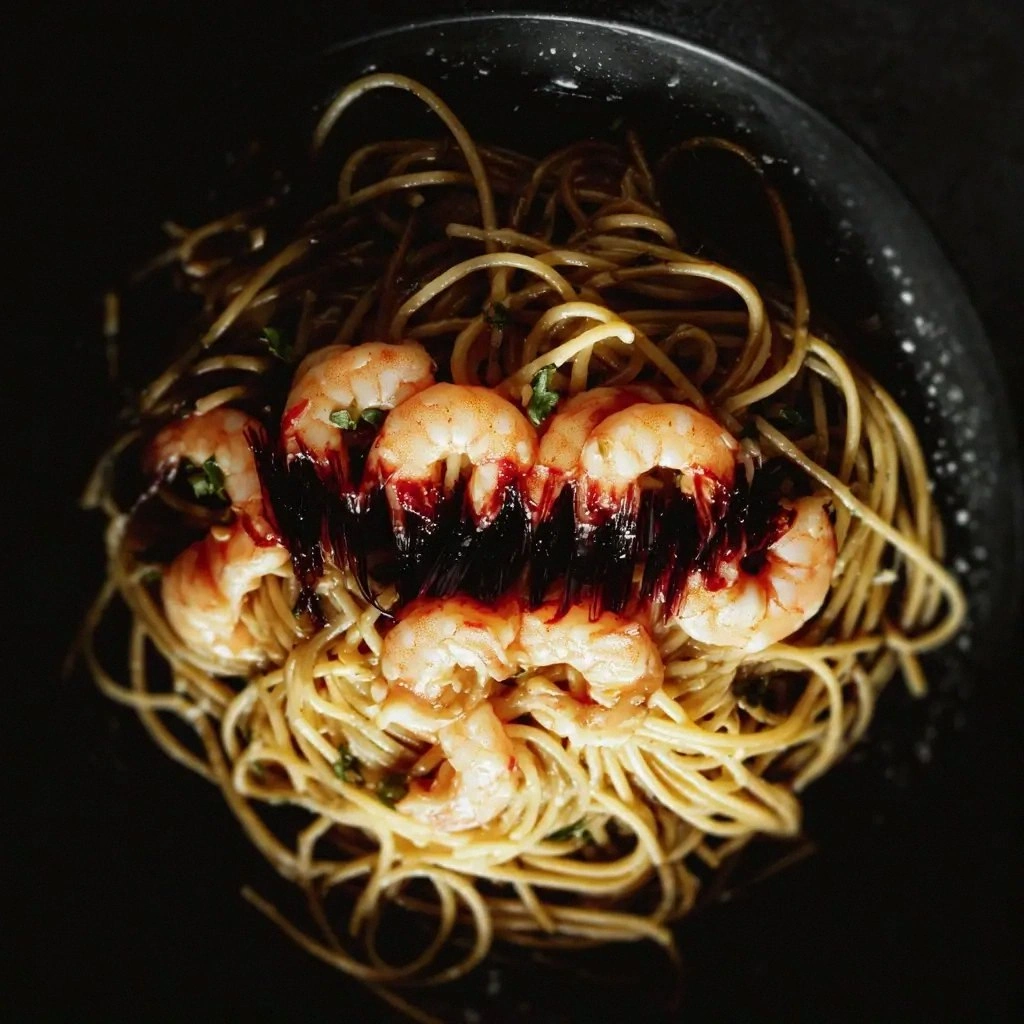
Picture the kitchen as a dimly lit laboratory, where every ingredient is a potion waiting to be unleashed. I was halfway through a week of bland dinners when my phone buzzed with a friend’s dare: “Make the most blood‑red pasta ever.” The challenge turned into a midnight experiment, and the result was a dish that glows with crimson depth and whispers of velvet. I’ve spent the last year tweaking, tasting, and perfecting this recipe until it became an obsession. The sauce clings to the noodles like a midnight mist, and the finish is so silky it feels like a secret kiss between the tongue and the palate.
I remember the first bite: the sauce was a perfect balance of sweet and savory, the tomatoes burst like tiny rubies, and the garlic sang with a faint echo of toasted bread. The aroma was a heady mix of caramelized onions, smoky red pepper, and a hint of balsamic that made the whole kitchen feel like it was wrapped in a warm, comforting blanket. The texture of the pasta was al dente, with a slight chew that held the sauce in place, creating a mouthful that was both hearty and luxurious. I swear, the moment the sauce kissed the noodles, the room seemed to pulse with a slow, rhythmic beat, as if the pasta itself was breathing.
What makes this version stand out from every other pasta recipe? First, the sauce is a slow‑simmered reduction that concentrates flavors until they’re almost hypnotic. Second, the addition of fresh spinach and balsamic glaze gives it a subtle umami kick that balances the richness of cream and cheese. Third, the careful layering of ingredients—garlic, onions, tomatoes, and pepper flakes—creates a complex flavor profile that never feels cloying. Fourth, the pasta is tossed in a pan, allowing the edges to develop a slight char that adds a crunchy contrast to the silky sauce. Finally, the dish is finished with a dusting of freshly grated Parmesan, which adds a nutty finish that lingers long after the last bite.
I dare you to taste this and not go back for seconds. That sizzle when the garlic hits the oil? Absolute perfection. The way the sauce coats the pasta like velvet? It’s a texture that feels like a secret indulgence. If you’ve ever struggled to make a pasta that feels both comforting and daring, you’re not alone—and I’ve got the fix. Stay with me here—this is worth it. Let me walk you through every single step — by the end, you’ll wonder how you ever made it any other way.
What Makes This Version Stand Out
- Flavor Depth: The sauce is reduced over low heat for 45 minutes, concentrating the tomato sweetness and caramelizing the onions, which creates a rich, almost syrupy base that clings to every strand of pasta.
- Texture Contrast: The pasta is finished in the sauce, allowing the outer layer to develop a slightly crisp edge that snaps like thin ice when you bite, providing a satisfying crunch against the silky sauce.
- Ingredient Quality: Fresh, ripe cherry tomatoes, high‑fat cream, and a generous pinch of sea salt elevate the dish from ordinary to extraordinary, making each bite feel like a gourmet experience.
- Ease of Preparation: Despite its complex flavor, the recipe requires only a single pan and a few simple steps, making it ideal for a busy weekday dinner or a weekend feast.
- Make‑Ahead Potential: The sauce can be prepared a day in advance and refrigerated, allowing the flavors to meld even further and making dinner prep a breeze.
- Versatility: This dish can be tweaked to suit any dietary preference—swap the cream for a cashew sauce, use gluten‑free pasta, or add protein like grilled chicken or shrimp for a more substantial meal.
Inside the Ingredient List
The Flavor Base
The foundation of this sauce starts with a generous splash of olive oil that forms the first layer of flavor. Olive oil not only carries the aromatics but also provides a subtle fruity note that balances the acidity of the tomatoes. If you skip the oil, the garlic will burn quickly, leaving a bitter aftertaste that ruins the dish’s delicate profile. For a richer taste, choose extra‑virgin olive oil, which has a higher polyphenol content and a more pronounced flavor.
The Texture Crew
The pasta itself is the backbone of the dish, and using a slightly under‑cooked al dente texture ensures it holds up against the heavy sauce. The choice of penne or rigatoni is intentional; their ridges capture the sauce, delivering a burst of flavor in every bite. If you prefer a softer bite, switch to fusilli or farfalle, but keep the cooking time slightly shorter to maintain that al dente bite. The spinach adds a fresh, earthy element that softens the richness of the cream, creating a balanced mouthfeel.
The Unexpected Star
The cherry tomatoes are the secret to the dish’s vibrant color and sweet‑tart flavor. Their juice caramelizes during the simmer, turning the sauce into a glossy, ruby‑red hue that’s impossible to resist. If you can’t find cherry tomatoes, use regular tomatoes diced into small cubes, but be aware they’ll release more water, potentially thinning the sauce. A pinch of red pepper flakes adds a subtle heat that awakens the palate without overpowering the sweetness.
The Final Flourish
The balsamic glaze is the finishing touch that gives the dish a glossy sheen and a complex, slightly sweet acidity that cuts through the cream. A light drizzle of the glaze at the end adds a burst of flavor that lingers on the tongue. If you’re looking for a smoky twist, replace the glaze with a splash of aged balsamic vinegar. The final sprinkle of Parmesan adds a nutty finish and a salty contrast that elevates the entire dish.
Everything's prepped? Good. Let's get into the real action and watch the magic unfold.
The Method — Step by Step
- Begin by bringing a large pot of salted water to a rolling boil. While the water heats, set a medium‑sized saucepan on low heat and pour in the olive oil. The oil should shimmer but not smoke; this indicates the right temperature for sautéing aromatics.
- Add the diced onion to the hot oil, letting it soften for about 3 minutes until translucent. The onions should be fragrant, not browned. Stir frequently to prevent sticking and to create a uniform flavor base.
- Introduce the minced garlic, stirring it into the onion mixture. Let it cook for 1–2 minutes until it turns golden and aromatic. Be careful not to burn the garlic; a burnt garlic will give the sauce a bitter taste that ruins the delicate balance.
- Pour in the cherry tomatoes, then season with a pinch of salt and a splash of red pepper flakes. Reduce the heat to low and allow the tomatoes to simmer, stirring occasionally. The tomatoes will begin to break down, releasing their juices and forming a thick, glossy base.
- Add the heavy cream to the tomato mixture and stir until the sauce is smooth. Let it simmer gently for 10 minutes, allowing the flavors to meld. The sauce should be thick enough to coat the back of a spoon without dripping.
- Introduce the fresh spinach, stirring until it wilts and incorporates into the sauce. The spinach adds a subtle earthy flavor and a pop of green that brightens the dish. Keep the heat low to prevent the sauce from boiling, which could cause it to split.
- While the sauce simmers, cook the pasta in the boiling salted water according to the package instructions, aiming for al dente. Drain the pasta, reserving a cup of the pasta water to adjust the sauce consistency if needed.
- Add the cooked pasta to the saucepan, tossing it gently to coat each strand with the sauce. If the sauce is too thick, add a splash of reserved pasta water to reach the desired consistency. Finish by drizzling the balsamic glaze and sprinkling grated Parmesan over the top.
- Serve immediately, garnishing with a few fresh basil leaves or extra Parmesan if desired. The dish is best enjoyed hot, with the sauce still shimmering and the pasta still warm.
That's it — you did it. But hold on, I've got a few more tricks that'll take this to another level.
Insider Tricks for Flawless Results
The Temperature Rule Nobody Follows
Many cooks assume that a higher heat will speed up the cooking process, but for this sauce, low and steady is the secret. Keeping the simmer gentle allows the tomatoes to break down slowly, preserving their natural sugars and preventing a bitter char. When you add the cream, a low heat ensures it emulsifies properly, creating that silky, luxurious mouthfeel that makes the dish memorable.
Why Your Nose Knows Best
Smell is a powerful indicator of flavor development. As the sauce simmers, you’ll notice a sweet, caramelized aroma that signals the tomatoes are fully reduced. If the scent leans too much toward raw or acidic, it means the sauce hasn't cooked long enough. Trust your nose; it will guide you to the perfect balance.
The 5‑Minute Rest That Changes Everything
After you finish cooking the pasta, let the whole dish rest for 5 minutes before serving. This brief pause allows the flavors to mingle and the sauce to thicken slightly, resulting in a more cohesive taste. During this rest period, the pasta will absorb more sauce, creating a richer, more satisfying bite.
The Secret Salt Switch
Instead of adding salt at the very beginning, sprinkle a pinch of sea salt into the sauce after the tomatoes have reduced. This technique ensures the salt dissolves evenly and enhances the overall flavor profile without overpowering the subtle sweetness of the tomatoes.
The One‑Minute Finish
Just before serving, give the sauce a quick stir with a splash of reserved pasta water. This step re‑emulsifies any separated cream and restores the sauce’s silky sheen. It also gives you a final chance to adjust thickness, ensuring each forkful is coated perfectly.
Creative Twists and Variations
This recipe is a playground. Here are some of my favorite ways to switch things up:
The Meat Lover’s Edition
Swap the spinach for diced grilled chicken or seared shrimp. The protein adds a savory depth that pairs beautifully with the creamy tomato sauce. For an extra kick, sprinkle a pinch of cayenne pepper.
The Vegan Vengeance
Replace the heavy cream with a cashew or coconut cream for a dairy‑free version. Use nutritional yeast instead of Parmesan for a cheesy flavor. The result is a rich, creamy sauce that satisfies even the most discerning vegan palates.
The Mediterranean Twist
Add chopped kalamata olives, capers, and a squeeze of lemon juice. The briny olives and bright citrus cut through the richness, creating a vibrant, Mediterranean‑inspired dish.
The Gluten‑Free Fix
Use your favorite gluten‑free pasta shape, such as spiralized zucchini or chickpea penne. The texture is slightly different but still holds the sauce beautifully. Pair with a side of garlic bread for a comforting meal.
The Autumn Harvest
Incorporate roasted butternut squash or caramelized sweet potatoes. The natural sweetness of the squash complements the tomato base, creating a comforting, fall‑season dish.
Storing and Bringing It Back to Life
Fridge Storage
Store leftovers in an airtight container for up to 3 days in the refrigerator. When reheating, add a splash of water or milk to loosen the sauce, then gently warm on low heat while stirring continuously.
Freezer Friendly
For longer storage, portion the pasta and sauce into freezer‑safe containers and freeze for up to 2 months. Thaw overnight in the refrigerator, then reheat gently over low heat, adding a little milk to restore creaminess.
Best Reheating Method
Reheat on the stovetop over low heat, stirring frequently, and add a teaspoon of water or milk to keep the sauce from drying out. The sauce should reach a gentle simmer; avoid boiling to prevent separation.