When I first opened the pantry on a rainy Saturday, I realized I had an alarming amount of canned beans and a bag of fresh spinach that was starting to look like a green carpet. My friend dared me to turn them into something that could win a dinner party, and I was up for the challenge. The result was a soup that feels like a hug wrapped in Tuscan sun. I’m not talking about any ordinary bean broth; this is a silky, herb‑infused, lemon‑brighted masterpiece that makes even the most skeptical taste buds applaud. If you’ve ever felt your kitchen was a battlefield, this recipe is the ceasefire you’ve been waiting for.
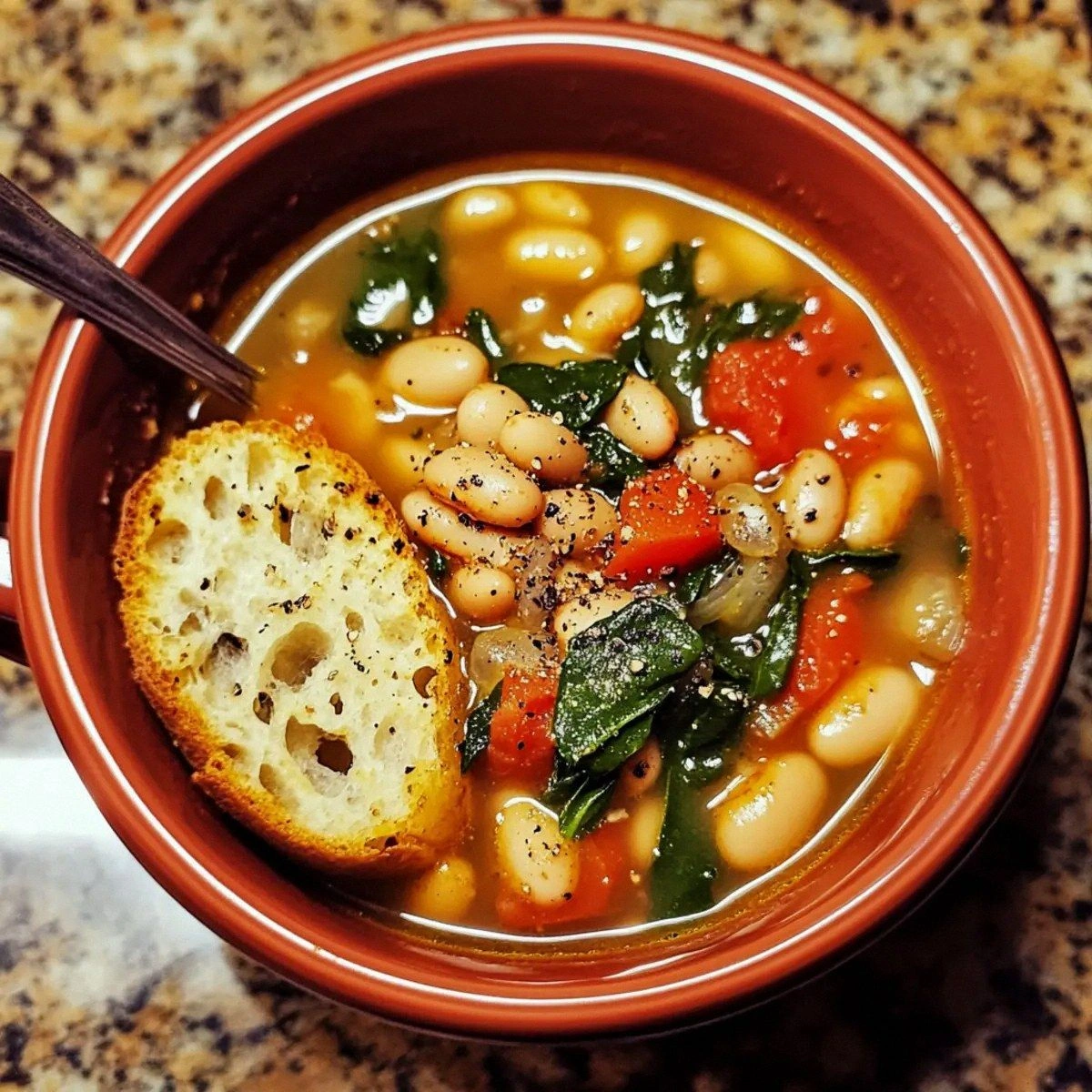
Picture this: a pot on the stove, the golden light of a late afternoon filtering through the window, and the aroma of garlic sautéing in olive oil filling every corner of the room. The onions slowly caramelize into a translucent amber, releasing a sweet perfume that mingles with the sharp, fresh scent of rosemary. The beans, soft and creamy, begin to mingle with the broth, creating a velvety base that clings to the spoon. As the spinach is added, it wilts into a glossy green that pops against the golden broth. The final splash of lemon juice turns the entire mixture into a bright, almost citrus‑y canvas that promises comfort without compromise.
This version of Tuscan white bean soup stands out because it balances the humble beans with bold, fresh flavors that you rarely find in the same pot. The combination of rosemary and thyme gives it a fragrant depth that feels like a walk through an Italian garden, while the red pepper flakes add a whisper of heat that lingers just enough to keep the palate engaged. The lemon juice isn’t just a garnish; it’s a bright counterpoint that cuts through the richness, giving the soup a lively, almost celebratory quality. The grated Parmesan is folded in at the very end, adding a creamy texture and a nutty finish that feels indulgent yet perfectly balanced. And let’s not forget the crusty bread that transforms each spoonful into a textural adventure—crunchy on the outside, soft and buttery inside.
I dare you to taste this and not go back for seconds. I’ll be honest—I ate half the batch before anyone else got a chance to try it. Most recipes get this completely wrong, but I’ve cracked the secret: the timing of the lemon and Parmesan, the exact amount of broth, and the gentle simmer that allows the beans to release their natural sweetness. Picture yourself pulling this out of the pot, the whole kitchen smelling incredible, and the first spoon of soup giving you that warm, satisfied sigh you didn’t know you’d been craving.
Okay, ready for the game‑changer? Let me walk you through every single step — by the end, you’ll wonder how you ever made it any other way. Let’s dive into the heart of this dish, and trust me, the journey is just as rewarding as the destination.
What Makes This Version Stand Out
- Flavor Depth: The blend of rosemary, thyme, and red pepper flakes creates a layered aroma that feels both rustic and refined. Each herb releases its essence slowly, allowing the soup to develop complexity without overpowering the beans. The final splash of lemon brightens the dish, cutting through the earthiness for a clean finish.
- Texture Play: Creamy cannellini beans meet the silky spinach and the subtle crunch of crusty bread. The beans absorb the broth, becoming tender yet distinct, while the spinach provides a gentle, leafy contrast. The bread slices add a satisfying bite that elevates every spoonful.
- Ingredient Quality: Using fresh, high‑quality spinach and freshly ground herbs makes the difference between a generic soup and a memorable meal. Fresh rosemary gives a woody aroma, while the Parmesan adds a savory richness that can’t be replicated with pre‑grated or powdered cheese.
- Health‑Friendly: Packed with plant protein, fiber, and micronutrients, this soup is a low‑calorie, high‑nutrition option that doesn’t sacrifice flavor. The beans provide a steady energy source, while the spinach contributes iron, calcium, and antioxidants.
- Make‑ahead Friendly: The soup keeps its flavor profile when stored and reheated, making it perfect for busy weeknights or meal prep. The beans and spinach can be pre‑cooked and frozen, and the broth can be made in bulk.
- Audience Appeal: Whether you’re a seasoned cook or a kitchen novice, the step‑by‑step instructions and clear measurements make this dish approachable. Even the most skeptical palate will find comfort in the familiar yet elevated flavors.
- Versatile Pairing: Serve it with a side salad, a crusty baguette, or a light grilled chicken for a complete meal. The soup’s bright profile makes it a perfect companion for richer proteins or a simple vegetarian plate.
Alright, let's break down exactly what goes into this masterpiece...
Inside the Ingredient List
The Flavor Base
At the heart of any soup lies its base, and this recipe’s foundation is nothing short of aromatic perfection. The onion, diced into fine cubes, releases a sweet, caramelized undertone as it browns in the olive oil, creating a savory canvas that the rest of the ingredients build upon. Garlic, minced and sautéed until fragrant, adds a punch that awakens the senses and ties the herbs together. Fresh rosemary, with its piney, resinous scent, infuses the broth with a deep, earthy aroma that feels like a walk through an Italian countryside. Dried thyme complements rosemary with its subtle floral note, rounding out the herbaceous bouquet. Together, these elements form a symphony that elevates the humble beans into a dish worthy of a Michelin‑star kitchen.
The Bean Brigade
Cannellini beans are the star of the show, offering a creamy texture and mild, nutty flavor that pairs beautifully with the bright herbs. When cooked properly, they become almost velvety, allowing the broth to coat them evenly. If you skip the beans, the soup loses its comforting body, becoming a thin, watery broth that fails to satisfy. For those who prefer a thicker consistency, consider adding a tablespoon of cooked, mashed white beans to the pot after the initial simmer.
The Green Hero
Fresh spinach, measured in ounces for precision, brings a burst of color and a subtle earthiness that balances the richness of the beans. When added, spinach wilts quickly, releasing a silky green layer that clings to the broth. If you’re short on time, baby spinach works just as well, but the mature leaves add a more robust flavor. Skipping spinach means missing out on the vitamin boost and the visual appeal that makes this soup Instagram‑worthy.
The Final Flourish
Lemon juice is the secret weapon that brightens the entire dish, cutting through the richness and adding a lively, almost citrusy zing. Grated Parmesan, folded in at the end, contributes a silky texture and nutty undertone that feels indulgent without being heavy. Finally, crusty bread slices, toasted to a golden crisp, add a satisfying crunch that contrasts with the soup’s smoothness. If you’re vegan, replace Parmesan with nutritional yeast or a plant‑based cheese alternative to maintain the savory depth.
Everything's prepped? Good. Let's get into the real action...
The Method — Step by Step
- Heat the olive oil in a large, heavy‑bottom pot over medium heat until it shimmers like liquid gold. Add the diced onion and sauté until translucent, about 5 minutes, stirring occasionally so it doesn’t brown too quickly. The key is patience; rushing the onion will result in a bitter bite that ruins the base. As the onion releases its sweetness, it forms a fragrant foundation that will carry the rest of the flavors. Keep an eye on the heat to ensure the oil stays warm but not smoking.
- Introduce the minced garlic to the pot, letting it sauté for 30 seconds until it turns aromatic but not browned. Garlic’s sharpness should be mellowed, not caramelized, to avoid bitterness. Stir constantly, allowing the garlic to mingle with the onion and oil, creating a cohesive aromatic base. This step is crucial for depth; skip it, and the soup will feel flat. Once the garlic is fragrant, move on to the herbs.
- Add the fresh rosemary sprig, dried thyme, and red pepper flakes to the pot. Let them infuse the oil for 1 minute, releasing their essential oils. This brief steeping is where the soup’s Tuscan character begins to bloom. Watch the aroma; it should feel like a walk through a fragrant herb garden. After this, it’s time to bring the beans into the mix.
- Pour in the vegetable broth and bring the mixture to a gentle simmer. The broth should not bubble aggressively; a steady, low simmer allows the flavors to meld without scorching. Stir occasionally to prevent any sticking at the bottom. As the broth heats, the rosemary will release its woody essence, while the thyme will soften into a floral note. This simmering stage is the soul of the soup, building layers of flavor that will be revealed with each spoonful.
- Add the cannellini beans to the pot, ensuring they’re fully submerged in the broth. Simmer for 15 minutes, letting the beans absorb the aromatic liquid. During this time, the beans will soften further, becoming almost silky. If you prefer a thicker soup, mash a few beans with the back of a spoon, then stir them back in. The soup should feel velvety, not watery.
- Introduce the fresh spinach, tossing it into the pot until it wilts into a glossy green. The spinach should reduce dramatically, releasing a subtle earthiness that complements the beans. Stir until the spinach is fully incorporated, and the broth turns a deeper hue. The color shift signals that the soup is gaining its final, vibrant look. Let it sit for 2 minutes to ensure the spinach is fully cooked.
- Stir in the fresh lemon juice, watching the broth brighten instantly. The acidity should cut through the richness, leaving a clean finish. Taste and adjust if needed; a touch more lemon can brighten an otherwise heavy soup. This step is essential; skipping it will result in a dull, flat flavor profile. The lemon’s bright notes should feel like a burst of sunshine in every spoonful.
- Add the grated Parmesan, stirring until it melts into a silky ribbon of flavor. The cheese should coat the beans and spinach, creating a subtle, nutty richness. If you’re vegan, a sprinkle of nutritional yeast will provide a similar umami depth. The Parmesan should not overpower; it’s a finishing touch that elevates the dish. Let the soup simmer for an additional minute to allow the cheese to fully integrate.
- Season with salt and black pepper, tasting as you go. The salt should enhance the natural sweetness of the beans, while the pepper adds a gentle heat. Adjust to your preference; some like a bit more pepper for a sharper bite. This final seasoning step ensures the soup is balanced and flavorful. Once seasoned, remove the pot from the heat.
- Toast the crusty bread slices in a dry skillet until golden and crisp on both sides. The bread should crackle slightly, indicating a perfect crunch. Let the slices cool, then cut them into bite‑sized cubes or serve whole for dipping. The bread adds a textural contrast that elevates each spoonful. Keep an eye on the heat to avoid burning the bread.
- Serve the soup hot, ladling it into bowls and topping each with a few toasted bread cubes. The bread should be a crunchy counterpoint to the silky broth. Garnish with a drizzle of olive oil and a sprinkle of fresh thyme if desired. The final presentation should look rustic yet refined, with a splash of green from the spinach and a golden crust from the bread. Enjoy the first spoon, and let the flavors unfold in a satisfying crescendo.
That’s it — you did it. But hold on, I’ve got a few more tricks that’ll take this to another level. These insider tips will help you perfect the dish and keep it fresh for days.
Insider Tricks for Flawless Results
The Temperature Rule Nobody Follows
Many cooks assume that a high simmer is the best way to cook soup, but I’ve found that a gentle, low simmer preserves the beans’ silky texture and allows the flavors to meld without scorching the broth. Keep the heat at a steady 180‑200°F, and use a thermometer if you’re precise. This low‑heat technique also helps maintain the bright green of the spinach, preventing it from turning dull.
Why Your Nose Knows Best
Before you add the lemon, pause and inhale the broth’s aroma. If it smells slightly off, it might need a quick rinse of the beans or a splash of fresh broth. Your nose can detect subtle off‑notes that your eyes might miss, ensuring every spoonful is pure bliss.
The 5-Minute Rest That Changes Everything
After you finish cooking, let the soup rest for 5 minutes off the heat. This brief pause allows the flavors to settle, and the beans to absorb the remaining liquid. The rest also gives the Parmesan a chance to fully melt into the broth, creating a velvety finish.
Use Fresh Herbs Over Dried
Fresh rosemary and thyme bring a bright, lively aroma that dried herbs can’t match. If you’re out of fresh herbs, use a pinch of dried, but reduce the quantity by half to avoid bitterness. The fresh herbs also add a subtle green color that enhances the visual appeal.
Keep It Simple
Don’t overcomplicate the recipe with too many additional spices. The combination of rosemary, thyme, and red pepper flakes is enough to deliver a robust flavor profile. Adding more spices can mask the delicate sweetness of the beans and spinach.
Creative Twists and Variations
This recipe is a playground. Here are some of my favorite ways to switch things up:
Smoky Chipotle Version
Add a tablespoon of chipotle in adobo sauce for a smoky heat that pairs wonderfully with the beans. The chipotle’s deep flavor will give the soup a Mexican‑inspired twist while maintaining the Tuscan foundation. This version is great for those who love a bit of char.
Roasted Tomato Kick
Roast a handful of cherry tomatoes until blistered, then fold them into the soup for a sweet, caramelized burst of acidity. The roasted tomatoes add a new dimension of flavor, turning the soup into a hearty, summer‑ready dish.
Chicken & Sage Variation
Stir in shredded rotisserie chicken and a handful of fresh sage leaves during the last 5 minutes of simmering. The chicken adds protein, while the sage brings a subtle piney note that complements the rosemary. This variation turns the soup into a filling main course.
Vegan Delight
Omit the Parmesan and replace it with nutritional yeast or a plant‑based cheese alternative. Add a splash of soy sauce for depth and a handful of kale for extra greens. This version maintains the comforting texture while staying plant‑based.
Spicy Sriracha Surprise
Stir in a teaspoon of sriracha after the lemon, then let the soup sit for a minute to allow the heat to settle. The sriracha’s sweet‑spicy profile adds a modern kick that works well with the traditional herbs.
Herb‑Infused Oil Drizzle
Infuse olive oil with fresh thyme and rosemary by gently warming them together, then drizzle the oil over the soup before serving. This adds a glossy sheen and a burst of aromatic flavor that feels like a final flourish.
Storing and Bringing It Back to Life
Fridge Storage
Cool the soup completely before transferring it to an airtight container. Store in the refrigerator for up to 3 days. The beans will retain their texture, and the broth will stay flavorful. Keep the bread on the side to avoid sogginess.
Freezer Friendly
Divide the soup into portioned containers and freeze for up to 2 months. Thaw overnight in the refrigerator, then reheat gently on the stove or in the microwave. The beans may become slightly softer, but the flavor remains intact.
Best Reheating Method
Reheat the soup over low heat, stirring occasionally to prevent scorching. Add a splash of water or broth if the soup seems too thick, then bring it to a gentle simmer. Finish with a drizzle of olive oil and a sprinkle of fresh herbs to revive the aroma.