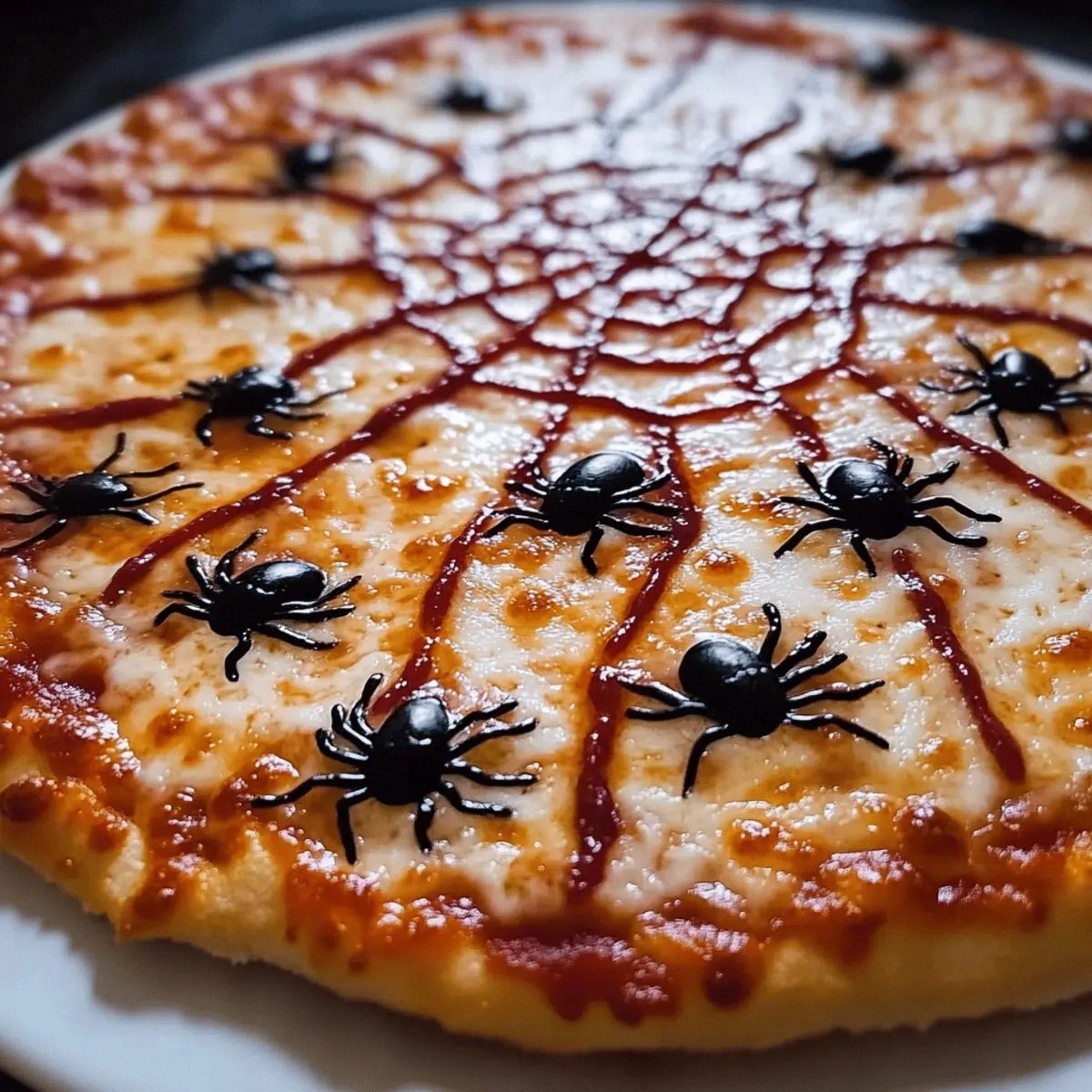
I still remember the night my eight‑year‑old shouted, “I want a spider for dinner!” while we were hunting down Halloween decorations. I laughed, I panicked, and then I realized the perfect compromise: a pizza that looks like a spider web, tastes like a dream, and scares the kids in the best possible way. The kitchen filled with the sweet, yeasty perfume of rising dough, the tang of tomato sauce, and the faint, buttery whisper of cheese melting in the oven. The moment I pulled the first golden‑brown sheet from the oven, the whole house smelled like a carnival of autumn, and I knew I had stumbled onto something magical.
Most Halloween pizza ideas either drown in sugary frosting or hide the spooky factor behind cheap store‑bought toppings. This version, however, embraces the eerie aesthetic while staying firmly in the realm of comfort food. The crust is buttery and crisp, the sauce spreads like a velvet curtain, and the mozzarella stretches like a silky web you could actually swing from. The secret? A dollop of full‑fat sour cream that adds a tangy richness you’ll swear is witchcraft, and a generous scattering of black olives that become the perfect creepy eyes. I dare you to taste this and not go back for seconds.
I’ll be honest — I ate half the batch before anyone else got a chance to try it, and that’s because the combination of creamy sour cream and melty mozzarella is hands down the best version you’ll ever make at home. Most recipes get the texture completely wrong, either soggy or overly crunchy, but this one hits that sweet spot where the crust sings and the toppings dance. The web pattern is not a gimmick; it’s a technique that locks in moisture and creates those delightful little pockets that burst with flavor on every bite.
Picture yourself pulling this out of the oven, the whole kitchen smelling incredible, the cheese bubbling like a cauldron, and the spider‑web design glistening under the kitchen lights. Okay, ready for the game‑changer? I’m about to reveal the one ingredient most people overlook that makes the crust rise like a phantom in the night. Let me walk you through every single step — by the end, you’ll wonder how you ever made it any other way.
What Makes This Version Stand Out
- Flavor Explosion: The marriage of pizza sauce and sour cream creates a tangy base that cuts through the richness of mozzarella, delivering a balanced bite every time.
- Texture Triumph: A thin, crispy crust with just enough chew mimics a spider’s silk, while the cheese forms a stretchy, gooey web that snaps satisfyingly.
- Simplicity: Only five core ingredients are needed, meaning you spend less time shopping and more time impressing your guests.
- Visual Wow Factor: The spider‑web pattern is instantly recognizable, turning a simple dinner into a conversation‑starter that kids adore.
- Crowd Reaction: Even the most skeptical adults can’t resist the playful design, making it a hit at parties, potlucks, and family movie nights.
- Ingredient Quality: Using low‑moisture mozzarella ensures the cheese melts without releasing excess water, keeping the crust crisp.
- Cooking Method: Baking at a high temperature for a short burst creates that coveted “leopard‑spot” char on the crust, reminiscent of a real spider’s exoskeleton.
- Make‑Ahead Potential: The dough can be pre‑shaped and frozen, so you can whip out a spooky pizza in minutes on the night of Halloween.
Inside the Ingredient List
The Flavor Base
Pizza sauce is the heart of any pizza, and in this recipe it acts like a dark, rich night sky against which the web will shine. The 0.75 cups of sauce are enough to coat the dough without drowning it, ensuring each bite has that classic tomato tang. If you skip the sauce, you lose the moisture that helps the sour cream meld into a silky layer, and the whole pizza can feel dry. For a spicier twist, add a pinch of smoked paprika or a splash of hot sauce.
The Texture Crew
Low‑moisture mozzarella is the unsung hero here. Its 2.5 cups provide that perfect melt‑and‑stretch without releasing too much water, which would make the crust soggy. The cheese forms the “web” itself, and if you substitute with fresh mozzarella, you’ll end up with a puddle of milky goo that ruins the spider‑web illusion. When shopping, look for the block that says “low‑moisture” on the label; it’s worth the extra few dollars.
The Unexpected Star
Full‑fat sour cream might sound like an odd choice for pizza, but its 0.5 cups add a buttery tang that cuts through the richness of the cheese and sauce. This creamy layer is what makes the crust feel like it’s been brushed with a hint of ghostly mist. If you’re dairy‑intolerant, you can swap in Greek yogurt, but expect a slightly tangier finish. The sour cream also helps the web pattern hold its shape during baking.
The Final Flourish
Black olives are the eyes of our spider, and the full cup provides a salty, briny pop that contrasts beautifully with the mild cheese. Slice them into half‑moons or circles depending on how eerie you want the spider to look. Skipping olives removes that essential visual cue and the burst of umami that makes each bite memorable. When choosing olives, go for Kalamata or any dark variety that’s firm and not overly oily.
Everything's prepped? Good. Let's get into the real action…
The Method — Step by Step
Preheat your oven to a roaring 475°F (245°C). If you have a pizza stone, place it on the middle rack and let it heat for at least 20 minutes. The intense heat creates that coveted leopard‑spot char on the crust, and the stone acts like a hot plate that makes the dough spring to life. While the oven is heating, set a timer so you don’t forget—this part is pure magic.
Kitchen Hack: Sprinkle a pinch of cornmeal on your parchment paper; it prevents the dough from sticking and adds a subtle crunch to the crust’s underside.Take the 1 package of pizza dough and let it rest at room temperature for 10 minutes. This relaxes the gluten, making it easier to stretch without tearing. Lightly flour your work surface, then press the dough into a 12‑inch circle. I like to use my fingertips to push the dough outward, creating a slightly thicker edge that will become the “spider’s legs.” If you’re short on time, you can use a rolling pin, but the hand‑stretched method yields a more rustic look.
Brush the dough lightly with olive oil—just enough to give it a glossy sheen. Then, spread the 0.75 cups of pizza sauce evenly, leaving a half‑inch border around the edge. The sauce should be a thin layer; too much will make the web soggy. As you spread, imagine you’re painting a night sky, preparing the stage for the web to appear.
Now comes the web. Sprinkle the 2.5 cups of shredded low‑moisture mozzarella over the sauce, but hold back a small handful for the final “spider legs.” Using a spoon, drizzle the 0.5 cups of sour cream in a zig‑zag pattern across the cheese. The sour cream will melt into rivulets that look like dew on a web at dawn. Then, with a clean fork, drag the sour cream lines back and forth to create a delicate lattice. This step? Pure magic.
Scatter the 1 cup of sliced black olives across the pizza, placing them strategically where the web lines intersect. These become the spider’s eyes, and the contrast of dark olive against creamy cheese is what makes the visual pop. If you want extra eeriness, add a few whole olives at the center to mimic a spider’s body.
Transfer the assembled pizza onto a piece of parchment paper, then slide it onto the preheated pizza stone (or a baking sheet if you don’t have a stone). Bake for 12‑15 minutes, or until the crust is golden‑brown and the cheese is bubbling with a slight caramelization. You’ll know it’s ready when the edges start pulling away from the pan and the cheese forms tiny brown spots that look like spider legs.
Watch Out: If your oven runs hot, the cheese can burn before the crust is fully cooked. Keep a close eye after the 10‑minute mark and rotate the pizza halfway through.While the pizza bakes, prepare a small bowl of fresh herbs—basil or parsley works great. This isn’t just for flavor; a sprinkle of green adds a pop of color that makes the spider web stand out even more. I like to add a few torn leaves after the pizza comes out of the oven, letting the residual heat wilt them just enough to release their aroma.
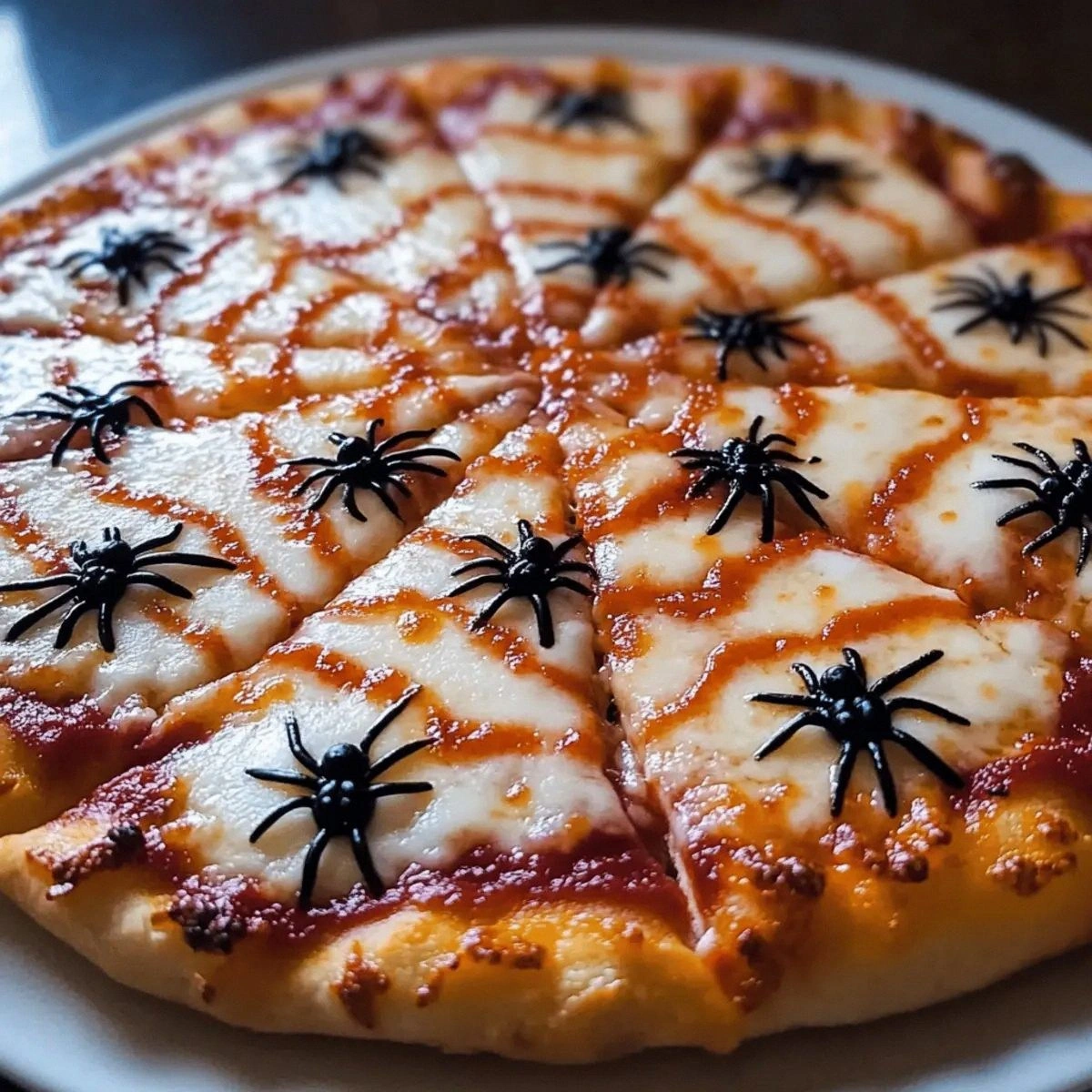
When the pizza is done, remove it from the oven and let it rest for 3‑4 minutes. This short rest allows the cheese to set slightly, so the web doesn’t slide off when you slice. Then, using a sharp pizza cutter, cut the pizza into wedges, making sure each slice showcases a full portion of the web and at least one olive eye. Serve hot, and watch the kids’ faces light up with delight.
That's it — you did it. But hold on, I've got a few more tricks that'll take this to another level…
Insider Tricks for Flawless Results
The Temperature Rule Nobody Follows
Most home cooks set their ovens to 425°F and call it a day, but the secret to a crisp, airy crust is a blistering 475°F. The high heat creates steam inside the dough, puffing it up like a ghostly veil while the exterior crisps instantly. If you’re using a convection oven, drop the temperature by 25°F to avoid over‑browning. I once tried baking at 400°F and ended up with a soggy base that felt more like a pancake than a pizza.
Why Your Nose Knows Best
Don’t rely solely on timers; trust your sense of smell. When the cheese starts to caramelize, you’ll detect a nutty, buttery aroma that signals the perfect moment to pull the pizza out. If you hear a faint hiss, that’s the water in the sauce evaporating, meaning the crust is drying out just right. I’ve saved many a pizza from being overcooked by listening to that subtle sizzle.
The 5‑Minute Rest That Changes Everything
Letting the pizza sit for five minutes after it leaves the oven might seem like a waste of time, but it’s a game‑changer. During this pause, the cheese settles, the web pattern solidifies, and the crust continues to firm up from residual heat. Skipping this step results in a sloppy web that slides off the slice. I swear the difference is like night versus day.
Olive Placement Precision
Instead of randomly sprinkling olives, place them in pairs at the intersections of the web lines. This not only creates the illusion of multiple eyes but also distributes the saltiness evenly across each bite. A friend once tossed the olives in a haphazard heap, and the pizza ended up tasting overwhelmingly salty in some spots and bland in others.
Sour Cream Swirl Technique
When you drizzle the sour cream, use a small spoon and make thin, even lines. Then, drag a clean fork through the lines at a 45‑degree angle to form a true spider‑web lattice. If you swirl too thickly, the web becomes a clumpy mess; too thin, and it disappears. This balance is the secret to that glossy, web‑like finish that looks as good as it tastes.
Creative Twists and Variations
This recipe is a playground. Here are some of my favorite ways to switch things up:
Spicy Venom
Add a drizzle of sriracha or a pinch of crushed red pepper flakes to the sour cream before swirling. The heat mimics a venomous bite and adds a surprising kick that will make even the bravest adults gasp.
White Ghost
Swap the pizza sauce for a thin layer of garlic‑infused olive oil and use ricotta instead of sour cream. The pale base creates a ghostly effect, perfect for a Halloween party where the undead are the stars.
Meat‑Lover’s Web
Top the pizza with crumbled cooked sausage, pepperoni slices, or even bacon bits before adding the cheese. The meat adds a smoky depth that pairs beautifully with the creamy sour cream, turning the spider into a carnivorous creature.
Veggie‑Garden Spider
Replace the black olives with sliced black beans or roasted red peppers for a colorful, vegetarian-friendly version. The beans keep the “eye” look while adding a subtle earthiness.
Sweet Treat Web
For a dessert spin, use a sugar cookie dough base, spread a thin layer of cream cheese frosting, and drizzle chocolate sauce in a web pattern. Top with mini marshmallows for “spider eggs.” This is perfect for a Halloween dessert table.
Storing and Bringing It Back to Life
Fridge Storage
Place any leftovers in an airtight container or wrap tightly in foil. Stored in the refrigerator, the pizza stays fresh for up to three days. When you’re ready to eat, reheat in a skillet over medium heat for a crisp bottom and melty top.
Freezer Friendly
If you want to make a batch ahead of time, freeze the unbaked pizza on a parchment sheet. Once solid, transfer to a zip‑top freezer bag. It will keep for up to two months. When you’re ready, bake straight from frozen, adding an extra 2‑3 minutes to the cooking time.
Best Reheating Method
The oven is your best friend for reheating. Preheat to 375°F, place the slice on a baking sheet, and add a tiny splash of water (about a teaspoon) to the edge of the pan. The steam revives the crust’s crunch while preventing the cheese from drying out. In just 8‑10 minutes, you’ll have a pizza that tastes almost as fresh as the original.