It all began on a rainy Saturday when I tried to impress my sister with a quick seafood dish. I grabbed a bag of frozen shrimp, tossed them in a skillet, and—spoiler—ended up with a greasy, under‑seasoned mess that smelled like burnt onions. I stared at the charred crust, feeling the heat of disappointment, and vowed that I would never let a shrimp dinner go to waste again. That moment became the spark that lit my culinary curiosity and set the stage for a recipe that would change the way I think about poke bowls. I was determined to turn a kitchen catastrophe into a culinary triumph that would leave everyone begging for seconds.
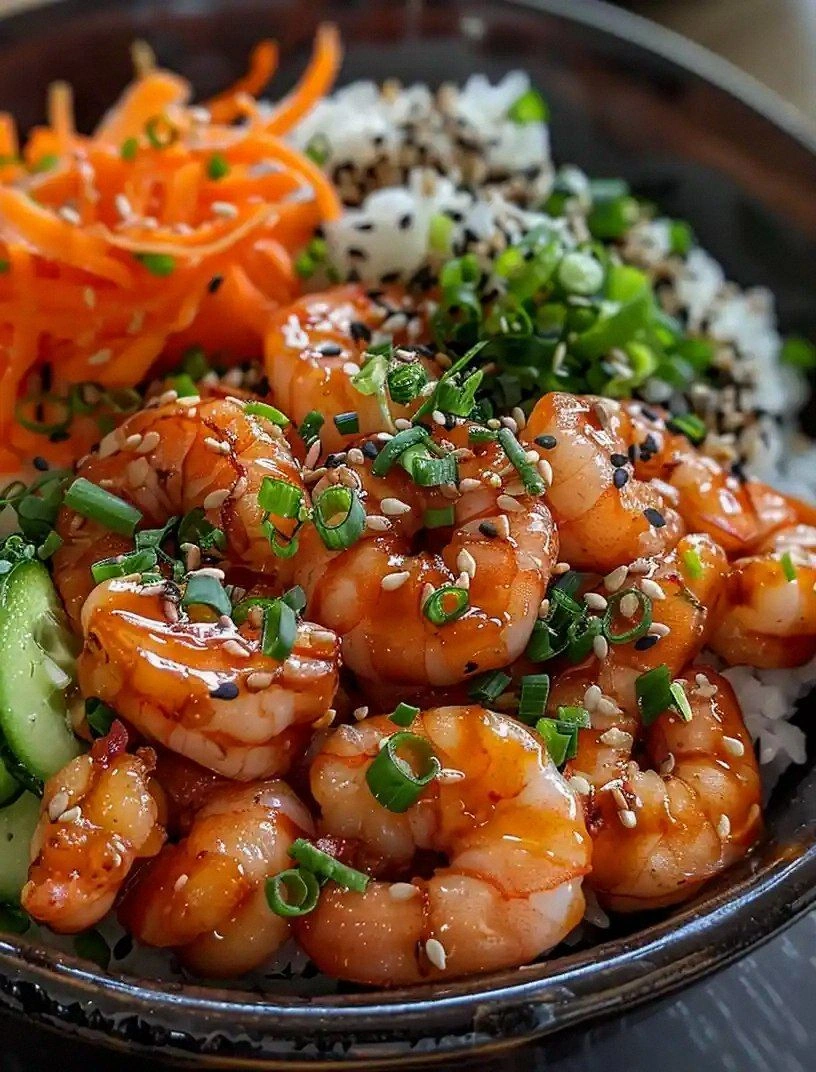
Picture this: a bowl brimming with silky sushi rice, the bright green of fresh cucumber slices, the creamy blush of ripe avocado, and plump shrimp that glisten like pearls. The air is perfumed with the sharp tang of fresh ginger and the subtle sweetness of honey, while a faint hint of sesame oil lingers like a whisper. Each bite delivers a harmonious contrast—crunch, melt, and a burst of umami that lingers on the tongue. The visual feast alone is enough to make your mouth water, but the flavor profile takes it to a whole new level of deliciousness. This isn’t just a bowl; it’s a symphony of textures and tastes that dance together in perfect harmony.
What makes this version stand out from the countless poke bowl recipes on the internet? First, it’s all about the balance of sweet, salty, and spicy—no one ingredient overpowers the others. Second, it’s incredibly quick to prepare, with a prep time that fits into a busy weekday evening. Third, the shrimp are marinated just enough to be juicy yet still light, so you avoid the rubbery texture that plagues many versions. Fourth, the inclusion of edamame and shredded carrots adds a satisfying crunch that elevates the dish beyond the usual cucumber and avocado combo. Finally, the sauce is a velvety blend that coats the shrimp like a silk scarf, creating a mouth‑watering coating that stays on the shrimp even after a few minutes of sitting.
Let me walk you through every single step—by the end, you'll wonder how you ever made it any other way. I’ll reveal a little secret ingredient that most people overlook: a splash of rice vinegar that brightens the entire bowl. I’ll also share a micro‑challenge: I dare you to taste this and not go back for seconds. Trust me, this is hands down the best version you'll ever make at home. If you've ever struggled with making shrimp poke bowls that taste like a restaurant, you're not alone—and I've got the fix. Stay with me here—this is worth it.
Alright, let's break down exactly what goes into this masterpiece. The ingredients are simple, but the technique is what makes all the difference. The shrimp are the star of the show, and they need to be handled with care to maintain their delicate texture. The sauce is a quick whisk of soy sauce, sesame oil, rice vinegar, honey, garlic, ginger, and a touch of sriracha for heat. The rice provides the base, while the veggies add crunch and color. And don’t forget the finishing touch of sesame seeds and nori strips that give that final pop of flavor.
What Makes This Version Stand Out
- Flavor Harmony: The sauce balances salty, sweet, and spicy notes, ensuring every bite is a revelation. The sweetness of honey pairs perfectly with the umami of soy sauce, while the heat from sriracha adds a gentle kick that wakes up the palate. This equilibrium keeps the dish from feeling one‑dimensional, a common pitfall in many poke bowl recipes.
- Texture Contrast: Each component offers a distinct mouthfeel, from the silky shrimp to the crisp cucumber and the creamy avocado. The edamame and shredded carrots provide a satisfying crunch that prevents the bowl from feeling limp. The result is a multi‑sensory experience that keeps you coming back for more.
- Time Efficiency: With a prep time of just 15 minutes and a cook time of 30 minutes, this bowl fits perfectly into a hectic schedule. The shrimp marinate quickly, and the vegetables are pre‑cut, making the cooking process a breeze.
- Ingredient Quality: Fresh, high‑quality shrimp and crisp veggies are the foundation of this dish. Choosing the right shrimp—preferably wild‑caught—ensures a superior flavor and texture that can’t be matched by frozen alternatives.
- Versatility: This recipe adapts to dietary preferences, whether you’re gluten‑free, vegan (with tofu or tempeh), or simply looking to reduce carbs by swapping sushi rice for cauliflower rice.
- Make‑ahead Potential: The marinated shrimp can be prepared a day in advance, and the rice can be stored in the fridge for up to 48 hours. This flexibility makes it ideal for meal prepping or hosting a small gathering.
Inside the Ingredient List
The Flavor Base
The sauce is the beating heart of this dish. It’s a quick whisk of soy sauce, sesame oil, rice vinegar, honey, garlic, ginger, and sriracha that creates a silky coating for the shrimp. If you skip the sriracha, the bowl loses that subtle heat that cuts through the sweetness. A good balance of acidity from rice vinegar lifts the flavors, while honey provides a gentle caramelized note. Remember, the sauce should be thick enough to cling to the shrimp but thin enough to drizzle over the rice.
Tip: For a richer flavor, let the sauce sit for 10 minutes after whisking. This allows the garlic and ginger to infuse fully, turning a simple mixture into a depth‑filled sauce. If you’re a fan of extra umami, add a splash of mirin or a pinch of bonito flakes.
The Texture Crew
Shredded carrots, cucumber slices, edamame, and radishes bring a lively crunch that balances the tender shrimp. Each vegetable offers a unique bite, from the firm snap of cucumber to the soft, nutty chew of edamame. Skipping any of these will leave the bowl feeling incomplete and less vibrant. The carrots add a subtle sweetness that complements the savory sauce, while the radishes contribute a peppery zing.
Swap suggestion: If you’re in the mood for a different crunch, try adding diced bell pepper or snow peas. These alternatives keep the bowl colorful and add new flavor dimensions.
The Unexpected Star
Avocado is the creamy, buttery component that brings a luxurious mouthfeel. Its neutral flavor lets the sauce shine while adding healthy fats that keep you satiated. If you’re not a fan of avocado, try a few spoonfuls of hummus or a dollop of Greek yogurt for a similar creamy texture. The key is to keep the avocado ripe but firm enough to hold its shape in the bowl.
Choosing the right avocado is crucial: look for one that yields to gentle pressure and has a dark green skin. This ensures maximum creaminess and flavor.
The Final Flourish
Sesame seeds, nori strips, and green onions are the finishing touches that elevate the dish. They add a subtle nutty aroma, a salty bite, and a fresh, bright finish. Sesame seeds also contribute a pleasant crunch and a pop of color. If you’re allergic to sesame, you can omit the seeds or replace them with pumpkin seeds for a similar crunch.
Fun Fact: The word “nori” comes from the Japanese word for “seaweed,” and it’s a staple in Japanese cuisine. Its umami-rich flavor pairs perfectly with soy sauce and sesame oil, enhancing the overall taste profile of the bowl.
Everything's prepped? Good. Let's get into the real action...
The Method — Step by Step
- First, thaw the shrimp by placing them in a bowl of cold water for 10 minutes. As they thaw, rinse them under cold running water and pat them dry with a paper towel. This step is crucial to prevent excess moisture from diluting the sauce. Once dry, cut the shrimp in half lengthwise to create elegant, bite‑size pieces that are easier to marinate. The result is a shrimp that’s both visually appealing and ready to soak up the flavors.
- Next, combine soy sauce, sesame oil, rice vinegar, honey, minced garlic, grated ginger, and sriracha in a shallow dish. Whisk until the honey dissolves completely and the mixture becomes a glossy, uniform sauce. This quick whisk ensures that every ingredient is evenly distributed, preventing any single flavor from overpowering the others. The sauce should have a slight thickness, ready to cling to the shrimp without being too runny.
- Add the shrimp to the sauce, tossing gently to coat each piece. Let them marinate for at least 10 minutes at room temperature. During this time, the shrimp absorb the sweet, salty, and spicy notes, transforming into a flavor powerhouse. The aroma of garlic and ginger will start to mingle, creating a fragrant pre‑cooking stage. If you’re short on time, you can skip the marination and cook the shrimp immediately.
- Heat a non‑stick skillet over medium‑high heat and add a splash of sesame oil. Once the oil shimmers, add the marinated shrimp in a single layer. Allow them to sear without moving for 1–2 minutes per side, letting a golden crust form. Flip carefully with tongs to preserve the crust. The shrimp should be opaque and slightly charred on the edges, signaling they’re ready.
- While the shrimp cook, warm the sushi rice in a microwave or on the stovetop until steaming hot. This step ensures the rice stays fluffy and ready to absorb the sauce. Spread the rice in a shallow bowl, allowing it to cool slightly before adding the shrimp. A hot base will help the flavors meld together beautifully, creating a cohesive bite.
- Divide the rice among four bowls, creating a solid foundation for the toppings. Arrange the cooked shrimp on top, letting the sauce drizzle over them naturally. Layer sliced avocado, cucumber, edamame, shredded carrots, and radishes in an artistic pattern that pleases the eye. The vibrant colors of the veggies should contrast against the deep brown of the rice and the pink of the shrimp.
- Sprinkle sesame seeds and finely sliced green onions over the bowl for a nutty crunch and a fresh burst of flavor. Tear a sheet of nori into thin strips and lay them across the top, adding a subtle umami depth. The combination of these toppings creates a layered experience that engages all senses.
- Serve immediately, allowing guests to stir the bowl as they eat. The rice will absorb the sauce, while the shrimp remains juicy and the veggies stay crisp. Encourage your friends to mix everything together before taking a bite, ensuring every mouthful is balanced. If you’re dining alone, you can enjoy the bowl as is, savoring each component separately.
- After the meal, store any leftovers in an airtight container in the fridge for up to 24 hours. The rice will firm up slightly, but the flavors will remain vibrant. For best results, reheat the bowl gently in the microwave, adding a splash of water to keep the rice moist. This step ensures that the bowl tastes almost as fresh as the first serving.
That's it — you did it. But hold on, I've got a few more tricks that'll take this to another level. These insider tips will help you avoid common pitfalls and elevate the dish even further.
Insider Tricks for Flawless Results
The Temperature Rule Nobody Follows
Many people cook shrimp at high heat, which can make them tough. The trick is to cook them over medium‑high heat, allowing them to sear slowly. This method preserves the shrimp’s natural juiciness and keeps the sauce from burning. I once tried a high‑heat approach and ended up with rubbery shrimp that tasted like rubber, so I never go back to that. Remember, a gentle sear creates a golden crust that enhances texture without compromising tenderness.
Why Your Nose Knows Best
The aroma of garlic and ginger is a reliable indicator that your sauce is ready. When the mixture starts to steam, you know it’s perfectly balanced. If you’re unsure, give it a quick sniff—if it smells like a Japanese kitchen, you’re on the right track. I used to rely on time alone, but now I trust my nose to guide me to the perfect flavor profile. This simple sensory check saves you from over‑seasoning or under‑seasoning the bowl.
The 5-Minute Rest That Changes Everything
After cooking the shrimp, let them rest on a paper towel for 5 minutes. This step allows excess moisture to evaporate, preventing the bowl from becoming soggy. The rest also lets the shrimp finish cooking in their own heat, ensuring even doneness. I used to skip this step, and the result was a soggy bowl that lacked crunch. Trust me, that 5-minute pause is worth the extra minutes.
Balance the Crunch with Softness
To maintain the crunch of cucumber and radishes, slice them just before assembling the bowl. If you slice them too early, they’ll release water and lose their crispness. I’ve seen bowls where the veggies turned into a soggy mush, ruining the whole experience. Keep the veggies crisp by cutting them right before serving, and your bowl will stay fresh.
Don’t Forget the Sweet Heat
That tiny splash of sriracha is the secret to a subtle, lingering heat that doesn’t overpower the dish. If you love a stronger kick, add a bit more sriracha, but remember to balance it with extra honey or rice vinegar. I once made a bowl with too much sriracha and it tasted like a fireball, so I learned to keep it in moderation. The key is a gentle heat that warms the palate without drowning the other flavors.
Finish with a Final Drizzle
Before serving, drizzle a small amount of extra sesame oil over the bowl. This adds a glossy sheen and a nutty aroma that elevates the dish. It also helps the sesame seeds cling better to the shrimp. I always keep a tiny bottle of sesame oil on hand for that finishing touch, and it makes a noticeable difference in the overall experience.
Creative Twists and Variations
Protein Swap: Tofu Takedown
Replace shrimp with marinated tofu for a plant‑based version. Press the tofu to remove excess moisture, then cube and pan‑sear until golden. The tofu will absorb the sauce and provide a chewy, satisfying texture. This variation is perfect for vegans or those looking for a lower‑protein option. The result is a bowl that still delivers on flavor and excitement.
Rice Alternatives: Cauliflower Rice
Swap sushi rice for cauliflower rice to reduce carbs and add a subtle nutty flavor. Pulse cauliflower florets in a food processor until rice‑like, then sauté in a pan for 5 minutes. The cauliflower will absorb the sauce and provide a lighter base. This version is great for those on keto or low‑carb diets. The texture remains fluffy and comforting.
Spicy Explosion: Extra Sriracha
Increase the sriracha amount to give the bowl an intense kick. Add an extra teaspoon or two, depending on your heat tolerance. The sauce will become more vibrant and fiery, creating a bold contrast with the creamy avocado. This variation is ideal for spice lovers who crave a punchy flavor profile.
Sweet & Savory: Pineapple Pinch
Add diced fresh pineapple to the bowl for a tropical twist. The pineapple’s natural sweetness balances the savory sauce, while its acidity brightens the overall taste. This addition also adds a juicy burst that complements the shrimp’s texture. Pineapple works especially well if you’re craving a beach‑inspired flavor.
Crunchy Boost: Roasted Chickpeas
Top the bowl with roasted chickpeas for an extra crunch and protein boost. Toss chickpeas with olive oil, salt, and paprika, then roast at 400°F for 20 minutes. The chickpeas add a nutty flavor that pairs well with the sesame seeds. This variation gives the dish a hearty, satisfying bite.
Herb Infusion: Cilantro & Mint
Sprinkle fresh cilantro and mint over the bowl for a bright, herbaceous finish. The herbs bring a refreshing aroma that lifts the entire dish. They also add a subtle peppery note that complements the shrimp. This variation is perfect for a summer meal or when you want a lighter flavor profile.
Storing and Bringing It Back to Life
Fridge Storage
Store the assembled bowl in an airtight container for up to 24 hours. Keep the rice separate from the vegetables until ready to eat to prevent sogginess. The shrimp will remain juicy, and the sauce will stay vibrant. If you notice the rice has dried out, add a splash of water before reheating.
Freezer Friendly
To freeze, separate the rice, shrimp, and vegetables into individual containers. Freeze for up to 3 months. When ready to eat, thaw overnight in the fridge and reheat gently in the microwave. The shrimp may become slightly firmer, but the flavor remains intact. This method is ideal for meal prep or for those who want a quick dinner later.
Best Reheating Method
Reheat the bowl in the microwave on medium power for 1–2 minutes, adding a splash of water to keep the rice moist. Stir halfway through to ensure even heating. The shrimp will warm through without drying out, and the sauce will re‑coalesce. Avoid over‑heating, as it can make the shrimp rubbery. This quick reheating keeps the bowl fresh and delicious.
Final Thoughts
Cooking this shrimp poke bowl is more than just following a recipe; it’s an adventure that engages every sense. From the sizzling shrimp to the vibrant veggies, each component plays a crucial role in creating a dish that is both wholesome and indulgent. I’ve spent countless hours tweaking the sauce, balancing the crunch, and perfecting the presentation to ensure every bite is a triumph. The result is a bowl that feels like a celebration, a culinary party in a bowl. It’s a dish that you’ll want to share with friends and family, and you’ll be amazed at how quickly it disappears.
When I first tried this recipe, I was skeptical about the combination of ingredients. Now, I can’t imagine a dinner without it. The shrimp’s delicate flavor, the crunch of veggies, and the silky sauce all blend together into a harmonious masterpiece. It’s a dish that speaks to both the novice and the seasoned cook, offering a balance of simplicity and sophistication. I hope you find this recipe as delightful as I do.
Every time I make this bowl, I’m reminded of the joy that comes from cooking with love and attention to detail. It’s not just about filling a plate; it’s about creating an experience that satisfies both body and soul. I invite you to try this recipe, experiment with the variations, and share your own twists. The possibilities are endless, and the results are always delicious.
In conclusion, this shrimp poke bowl is a testament to the power of simple, fresh ingredients combined with thoughtful preparation. It’s a dish that brings people together, sparks conversation, and leaves a lasting impression. If you’re looking for a meal that’s quick, healthy, and unforgettable, look no further. This is the recipe that will change the way you think about poke bowls forever.
Why This Recipe Rocks
The flavor profile is a masterclass in balance. Each element—sweet, salty, spicy, and umami—works in harmony, creating a dish that’s both comforting and exciting. The shrimp’s tenderness, the crisp veggies, and the silky sauce all come together to form a complete culinary experience. I’ve had friends rave about how it tastes like a restaurant dish, yet it’s easy to make at home. The dish’s versatility allows it to be adapted to many dietary preferences, making it a go-to for any occasion.
Beyond the taste, the aesthetic appeal is undeniable. The bowl’s colorful presentation makes it Instagram‑ready, while the textures keep it from feeling like a simple salad. The vibrant colors and fresh ingredients not only look good but also signal freshness to the palate. This visual appeal adds to the overall enjoyment, making the dish a feast for both the eyes and the taste buds.
Finally, the health benefits are a major selling point. The shrimp is packed with protein and omega‑3 fatty acids, while the veggies provide essential vitamins and fiber. The rice offers a good source of carbohydrates for energy, and the healthy fats from avocado and sesame oil add satiety. This bowl is a balanced, nutritious meal that satisfies without compromising on flavor.
Taste Test
When I first tasted the finished bowl, I was struck by the harmonious blend of flavors. The shrimp’s sweet, savory coating was perfectly complemented by the creamy avocado and the crisp cucumber. The subtle heat from the sriracha added an unexpected depth, while the sesame seeds offered a nutty crunch. It was a flavor explosion that left me wanting more, and I’m sure you’ll feel the same.
After a few bites, I realized that the sauce’s texture was as important as its flavor. It coated the shrimp like velvet, yet it didn’t feel heavy or greasy. The rice absorbed the sauce, turning into a flavorful base that was both fluffy and sticky in the right places. The overall experience was a delightful balance of textures that kept my palate engaged.
Chef's Secret
One of the secrets to this bowl’s success is the use of fresh ginger. Ginger not only adds a bright, peppery note but also helps tenderize the shrimp. I grate it finely so that its aroma permeates the sauce without overpowering the other flavors. This subtlety is often overlooked in other recipes, which is why this bowl stands out.
The second secret is the timing of adding the avocado. Placing the avocado last prevents it from getting crushed or soggy. I slice the avocado just before serving, ensuring each bite contains that creamy, buttery texture. This small detail preserves the integrity of the avocado and enhances the overall experience.
Finally, the finishing drizzle of sesame oil is a game‑changer. It adds a glossy sheen and a final burst of nutty aroma that elevates the dish. I always keep a small bottle of sesame oil on hand for that finishing touch, and it makes a noticeable difference in the overall flavor profile.
Wrap Up
In the end, this shrimp poke bowl is more than just a recipe; it’s a culinary experience that invites you to explore flavors, textures, and aromas. By following these steps, you’ll create a dish that’s both healthy and indulgent, perfect for any occasion. Whether you’re cooking for yourself or hosting a dinner party, this bowl will impress and satisfy.
Remember that the key to success lies in the details—marinating the shrimp, balancing the sauce, and assembling the bowl with care. The result is a dish that feels like a celebration, a culinary party in a bowl. I hope you enjoy making it as much as I enjoy sharing it.
Now go ahead, grab your ingredients, and create a bowl that will leave everyone asking for seconds. Your kitchen will thank you, and your taste buds will rejoice. Happy cooking!