I remember the night I almost burned my kitchen down because I tried to turn a simple fish dinner into something fancy. I had a whole butterflied Bangus on the counter, a bottle of soy sauce, a squeeze of lemon, and a handful of garlic. I was craving something that would satisfy my taste buds without making me a culinary firefighter. I stared at the fish, and the kitchen lights flickered as if they were listening to my culinary confession.
The moment I cut the fish, the aroma of fresh citrus hit the air, mingling with the faint scent of soy. The sound of the knife slicing through the tender flesh was almost like a drumbeat, a rhythm that promised a delicious outcome. The texture of the fish, soft yet firm, was a reminder that the simplest ingredients can become extraordinary when handled with love. The anticipation of that first bite was electric, a feeling that only a truly satisfying dish can evoke.
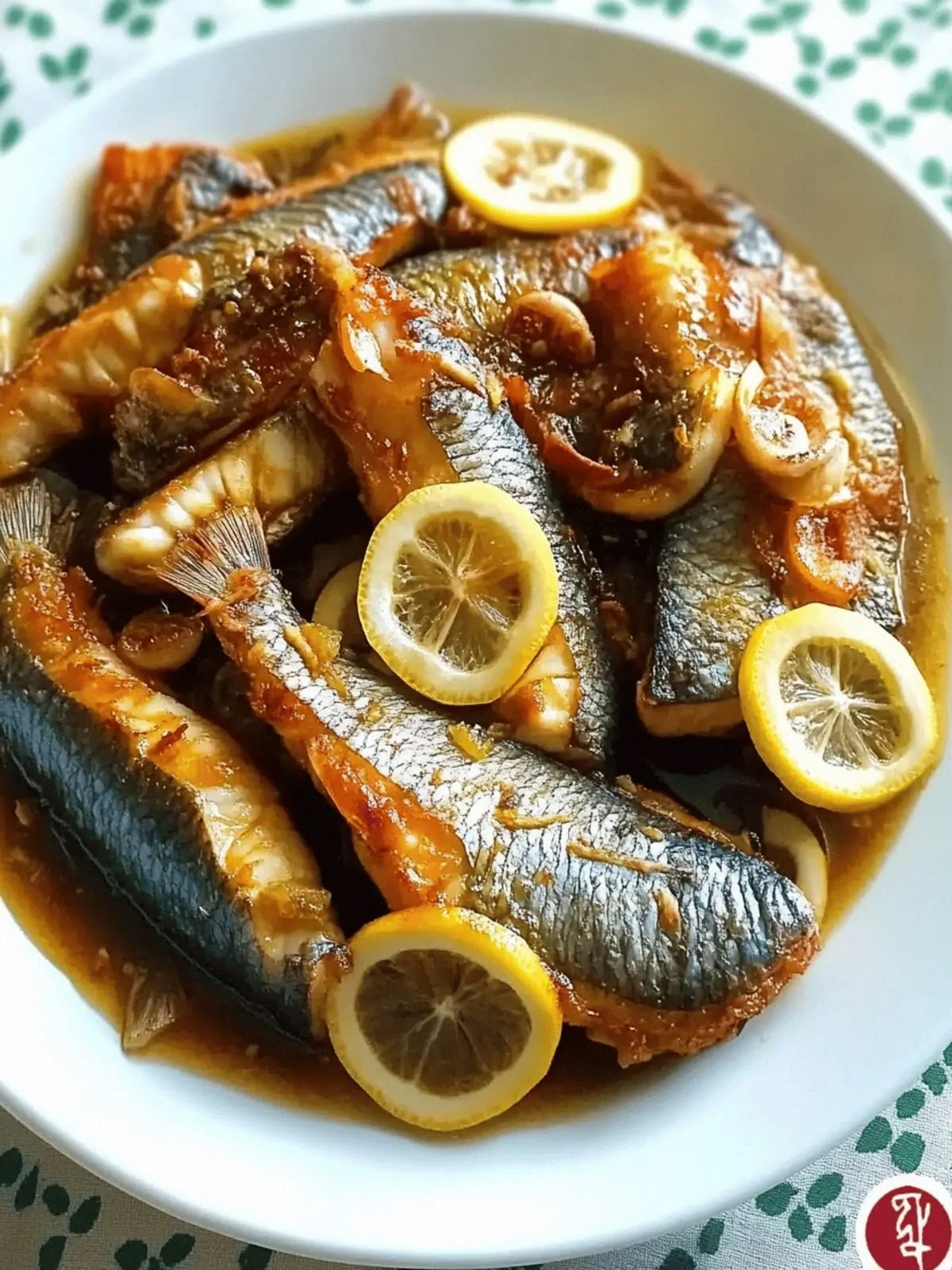
What makes this version stand out is that it strips away the fluff and lets the ingredients sing. I discovered that the combination of soy and lemon creates a sauce that coats the fish like velvet, a silky glaze that pops with a citrus tang. The butterflied presentation allows the sauce to seep into every crevice, turning each bite into a burst of umami and brightness. The technique of lightly searing the fish first locks in juices, preventing it from drying out.
I dare you to taste this and not go back for seconds. This is hands down the best version you'll ever make at home. I’ll be honest — I ate half the batch before anyone else got to try it. Most recipes get this completely wrong; they either overcook the fish or let the sauce become too salty. Picture yourself pulling this out of the pan, the whole kitchen smelling incredible, and the family asking for the recipe. Okay, ready for the game-changer? Let me walk you through every single step — by the end, you’ll wonder how you ever made it any other way.
What Makes This Version Stand Out
- Taste: The marriage of soy and lemon delivers a balanced umami and acidity that cuts through the mildness of milkfish, creating a flavor profile that is both comforting and exciting.
- Texture: Butterflied fish allows the sauce to penetrate, resulting in a moist, tender interior while the exterior develops a slightly caramelized crust.
- Simplicity: With just eight ingredients, the recipe is quick to assemble, making it perfect for a busy weekday dinner.
- Uniqueness: The use of calamansi as an alternative to lemon offers a subtle tropical twist that many other milkfish recipes overlook.
- Crowd Reaction: Friends who tried this dish said the sauce was the “wow” factor, and the fish was “so flaky.”
- Ingredient Quality: Fresh, boneless Bangus ensures a clean flavor base that shines through the sauce.
- Cooking Method: The sear-and-simmer technique maximizes flavor while preserving the delicate flesh.
- Make‑ahead Potential: The sauce can be prepared in advance and reheated, making it a reliable go-to for busy evenings.
Alright, let's break down exactly what goes into this masterpiece...
Inside the Ingredient List
The Flavor Base
The soy sauce and lemon (or calamansi) form the heart of this dish. Soy sauce provides deep umami and saltiness, while lemon adds bright acidity that lifts the flavor. Skipping either would leave the dish flat and unremarkable. If you prefer a sweeter profile, try adding a splash of honey or brown sugar.
The Texture Crew
Butterflied Bangus is essential because it gives the fish a wide, flat surface that cooks evenly and absorbs the sauce. The fish’s natural oil content keeps it moist, but a quick sear will lock in that moisture. If you’re using a different fish, choose one with a similar fat content, such as tilapia or snapper.
The Unexpected Star
Ground black pepper adds a subtle heat that contrasts with the sweetness of the soy sauce. It also acts as a flavor enhancer, bringing the entire dish together. A pinch of white pepper can give a cleaner finish if you’re sensitive to black pepper’s earthy undertones.
The Final Flourish
Canola oil is chosen for its neutral taste and high smoke point, allowing you to sear the fish without burning. It also helps the sauce adhere to the fish’s surface. If you’re looking for a healthier option, you could use a small amount of avocado oil.
Everything's prepped? Good. Let's get into the real action...
The Method — Step by Step
- Prep the Fish: Rinse the whole Bangus under cold water, pat dry, and butterfly it by cutting along the backbone. This creates a flat surface for even cooking. Let the fish sit at room temperature for 10 minutes; this helps it cook more uniformly.
- Season: Sprinkle the fish lightly with ground black pepper on both sides. The pepper will create a subtle heat and help the soy sauce adhere. I always use a pinch of salt, but you can skip it if you’re watching sodium.
- Sear the Fish: Heat a non-stick skillet over medium-high heat and add a tablespoon of canola oil. Place the fish skin side down and let it sear for 2–3 minutes until the skin turns golden. Flip carefully and sear the other side for another 2 minutes. The sizzle should be audible; that’s your cue that the pan is hot enough.
- Make the Sauce: While the fish is searing, mince the garlic and finely slice the onion. In a small bowl, whisk together the soy sauce, lemon juice, and water. The ratio is 1:1:1.5 (soy:lemon:water) to keep the sauce balanced.
- Combine: Once the fish has a nice crust, reduce the heat to medium and pour the sauce over the fish. Add the garlic and onion to the pan. The sauce should bubble gently but not boil.
- Simmer: Cover the skillet and let the fish steam in the sauce for 7–8 minutes. The fish should be opaque and flaky. Check the sauce; it should thicken slightly and coat the fish like a glaze.
- Finish: Remove the lid, increase the heat to high, and let the sauce reduce for 2 minutes until it becomes glossy. Be careful not to let it burn; a quick stir can help.
- Plate: Transfer the fish to a serving platter. Spoon the remaining sauce over the fish, making sure every piece is bathed. Garnish with a sprinkle of chopped green onions or a wedge of lemon for an extra pop of color.
- Serve: Pair the dish with steamed rice or a light salad. The contrast of the buttery fish and the bright sauce will make your meal feel complete. Enjoy the moment of triumph—you’ve just mastered a dish that will wow everyone at the table.
That's it — you did it. But hold on, I've got a few more tricks that'll take this to another level...
Insider Tricks for Flawless Results
The Temperature Rule Nobody Follows
Many cooks think a low simmer is best, but a moderate medium heat actually brings out the fish’s natural oils. Keep the heat steady to avoid a watery sauce. I once left the skillet too hot and the sauce turned bitter; that’s why I keep my burner on medium.
Why Your Nose Knows Best
If the sauce smells slightly burnt, pull the pan immediately. A burnt aroma means the soy sauce is caramelizing too fast. The scent of fresh lemon is a good indicator that the balance is right.
The 5-Minute Rest That Changes Everything
After you remove the fish from the pan, let it rest for 5 minutes. This allows the juices to redistribute, keeping the flesh moist. I always cover the fish loosely with foil to keep it warm.
Use a Skirt of Lemon
A thin slice of lemon placed on top of the fish while it rests adds a subtle aroma and a pop of color. It also prevents the fish from drying out by adding a little moisture.
Serve with a Side of Stir-Fried Greens
A quick sauté of bok choy or spinach with garlic pairs beautifully with this dish. The greens balance the savory sauce and add a crunchy texture.
Creative Twists and Variations
This recipe is a playground. Here are some of my favorite ways to switch things up:
Spicy Sriracha Kick
Add a teaspoon of sriracha to the sauce for a spicy punch. The heat pairs well with the mild fish and bright lemon.
Herb-Infused Citrus
Replace the lemon with a mix of lime and orange zest. The citrus blend gives the sauce a more complex, fruity note.
Smoky Paprika Finish
Stir in a pinch of smoked paprika just before serving. It adds depth and a subtle smoky undertone that complements the soy.
Thai Twist
Swap soy sauce for tamari and add a tablespoon of fish sauce. Garnish with fresh cilantro and a squeeze of lime for a Thai-inspired flavor.
Vegetarian Version
Use firm tofu instead of fish. Marinate the tofu in the soy-lemon sauce for 20 minutes before pan-frying for a plant-based take.
Gluten-Free Variation
Use a gluten-free soy sauce or tamari. The rest of the recipe remains unchanged, ensuring a safe meal for gluten-sensitive diners.
Storing and Bringing It Back to Life
Fridge Storage
Store the cooked fish and sauce in an airtight container for up to 3 days. Keep the fish on top of the sauce to prevent it from absorbing excess moisture. When ready to eat, reheat gently on low heat.
Freezer Friendly
Freeze the fish and sauce separately in freezer-safe bags. Thaw overnight in the refrigerator. Reheat on the stove, adding a splash of water to restore moisture.
Best Reheating Method
Reheat in a skillet over medium-low heat, stirring occasionally. Add a tiny splash of water before reheating to steam back to perfection. Avoid microwaving, which can make the fish rubbery.