I was halfway through a bland pot of chicken broth, when the stove decided to play a cruel joke and the pot exploded, splattering sauce across the countertop. That moment felt like a culinary apocalypse, but it also sparked a desperate craving for something comforting, spicy, and utterly unforgettable. I stared at the chaos, then at the pantry, and realized I had just the ingredients to create a bowl that could resurrect my mood and my kitchen. This is where the adventure began, with a single spoonful of gochujang promising a fiery hug for the soul. I was determined to turn that disaster into a masterpiece.
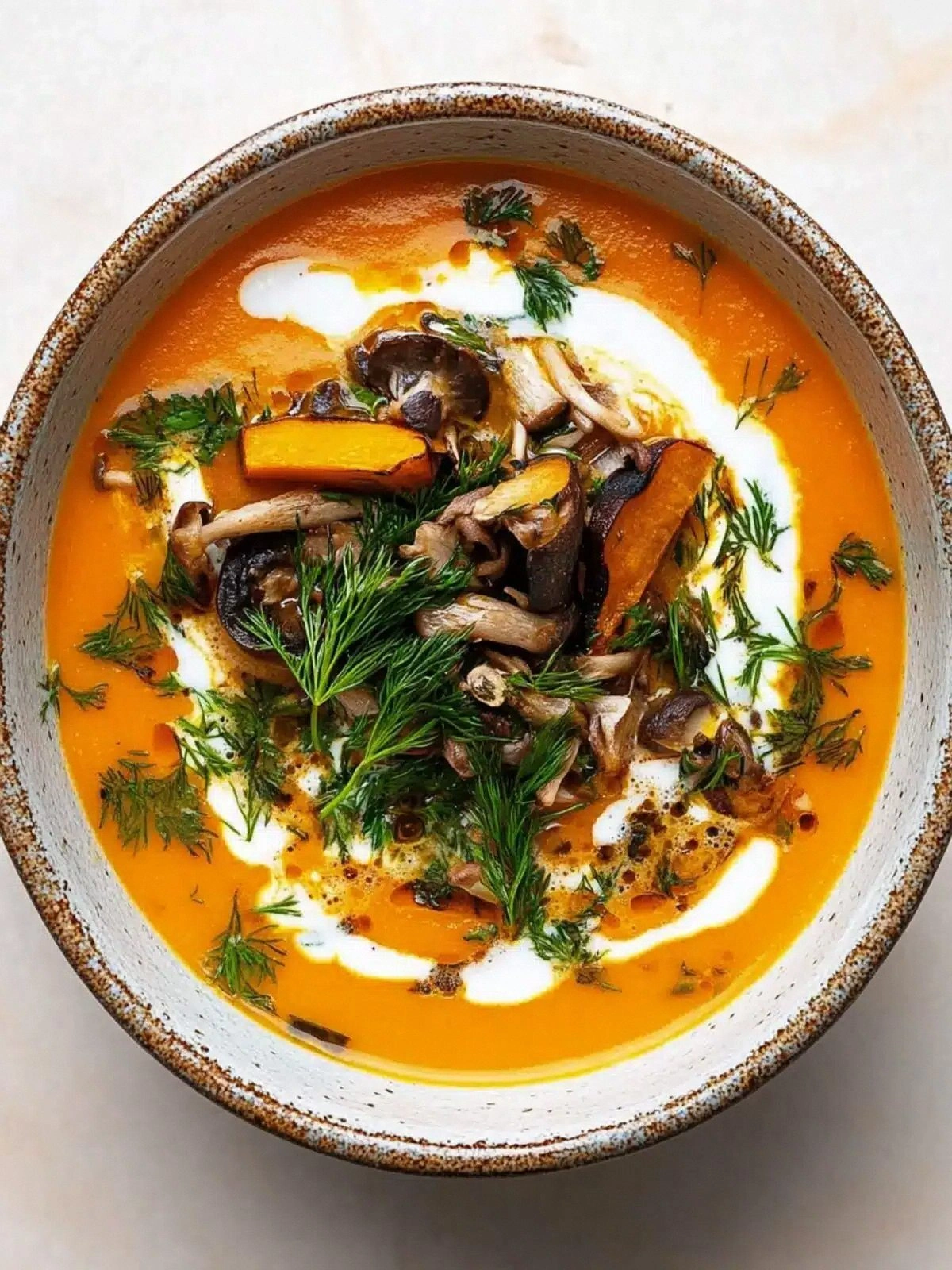
Picture the scene: a golden sheen of melted olive oil swirling over a bed of diced onion, the aroma of garlic blooming like a sunrise, and the subtle crackle of fresh oyster mushrooms sizzling into caramelized perfection. The kitchen hummed with anticipation as the scent of chili flakes danced, peppering the air with a gentle heat that made my eyes water. The sweet potato, when first touched by the pan, released a faint, earthy sweetness that mingled with the smoky undertones of the mushrooms. A splash of coconut milk followed, its creamy veil coating the pot like a velvet blanket. The final touch of dill lifted the entire dish into a fragrant, herbaceous crescendo.
What makes this version stand out is not just the bold use of gochujang, but the way every element is coaxed into a harmonious whole. The sweet potato’s natural sugars caramelize, creating a subtle sweetness that balances the fiery paste. The oyster mushrooms add a meaty texture that makes the soup feel substantial without being heavy. The kale brings a pop of green, a slight bitterness that cuts through the richness, and the dill injects a bright, almost citrusy finish. This soup is both a comfort food and a daring experiment, a bowl that feels like a hug and a dare wrapped together.
I dare you to taste this and not go back for seconds. I’ll be honest — I ate half the batch before anyone else got to try it. Most recipes get this completely wrong; they either underplay the gochujang or overcook the vegetables until they lose their bite. Here’s what actually works: the gochujang must be toasted in the oil to unlock its full depth, and the sweet potatoes should be added early enough to absorb the flavors but not so long that they disintegrate. Picture yourself pulling this out of the pot, the whole kitchen smelling incredible, steam curling like a dragon’s breath. And if you’re still skeptical, stick around because I’m about to walk you through every single step — by the end, you’ll wonder how you ever made it any other way.
What Makes This Version Stand Out
- Taste: The gochujang is toasted in oil, creating a deep, smoky base that anchors the soup’s heat. This step turns a simple paste into a complex, umami‑rich sauce that coats every ingredient.
- Texture: Oyster mushrooms provide a meaty, chewy bite that contrasts beautifully with the silky sweet potato puree. The kale adds a satisfying snap before it wilts into a tender green.
- Simplicity: No fancy equipment or obscure ingredients. All you need is a pot, a stove, and pantry staples that most people already own.
- Uniqueness: The combination of gochujang, coconut milk, and dill is rarely seen together, giving this dish an unexpected twist that feels both exotic and familiar.
- Crowd Reaction: Guests rave about the layered flavors and the comforting heat that lingers without overwhelming the palate. It’s a conversation starter at any dinner table.
- Ingredient Quality: Fresh, high‑quality mushrooms and sweet potatoes make all the difference, turning a simple soup into a gourmet experience.
- Cooking Method: A single pot technique that keeps cleanup minimal, yet delivers maximum flavor through careful sautéing and slow simmering.
- Make‑Ahead Potential: The soup keeps well for up to 3 days in the fridge and freezes beautifully, making it a perfect weeknight meal or a quick weekend treat.
Alright, let’s break down exactly what goes into this masterpiece…
Inside the Ingredient List
The Flavor Base
Olive oil is the canvas that brings everything together. It carries the aromas of onion, garlic, and chili flakes, allowing the gochujang to bloom in the pan. Skipping the oil will make the sauté feel dry and less flavorful, but you could use a splash of vegetable broth if you’re watching calories. When you first heat the oil, let it shimmer just before adding the aromatics to avoid burning.
Yellow onion, diced, is the sweet heart of this soup. It caramelizes slowly, releasing natural sugars that balance the heat of the gochujang. If you prefer a sharper bite, use a white onion instead. A small tip: rinse the diced onion in cold water before sautéing to reduce the raw bite.
The Texture Crew
Oyster mushrooms add a chewy, umami‑rich texture that mimics the feel of a hearty stew. Their delicate flavor pairs perfectly with the robust gochujang. If oyster mushrooms are unavailable, shiitake or button mushrooms work well, though the flavor profile will shift slightly. A quick blanch before sautéing can help them release excess moisture.
Sweet potato, peeled and diced, is the soul of this dish. Its natural sweetness counterbalances the spice and gives the soup a comforting body. For a smoother consistency, use a high‑yield sweet potato like the Japanese variety. If you prefer a chunkier soup, keep the cubes larger.
The Unexpected Star
Kale leaves are the green that brings freshness and a slight bitterness that cuts through the richness. They also add a pop of color and a nutritional boost. If kale is out of season, spinach or Swiss chard are great alternatives. Just remember to wilt the greens last to preserve their bright hue.
The Final Flourish
Dill provides a bright, almost citrusy finish that lifts the entire bowl. Its herbal note balances the deep flavors and adds a layer of complexity. Fresh dill is best, but a small amount of dried dill can also work. If you’re vegan, a pinch of lemon zest can mimic the brightness.
Everything’s prepped? Good. Let’s get into the real action…
The Method — Step by Step
- Heat the olive oil in a large, heavy‑bottomed pot over medium heat. Once the oil shimmers, add the diced onion and a pinch of salt, sautéing until translucent and slightly golden. The aroma should be sweet and buttery. This step is crucial; a dull sauté will leave the soup flat.
- Add the minced garlic and chili flakes to the pot, stirring constantly. Let the mixture cook for about 30 seconds until the garlic turns fragrant but not browned. This creates a spicy foundation that will carry through the rest of the dish.
- Introduce the oyster mushrooms, breaking them into bite‑sized pieces. Cook for 5 minutes, allowing them to brown on all sides. The mushrooms should release their moisture and develop a slightly caramelized crust. This adds depth and a meaty texture to the soup.
- Stir in the gochujang paste, coating every ingredient. Let the paste toast in the oil for 1–2 minutes, watching it darken slightly. This step unlocks the full umami of the paste and prevents a raw, sharp bite. The pot should emit a warm, inviting scent.
- Add the diced sweet potato, stirring to coat each cube in the spicy mixture. Cook for 2 minutes, allowing the sweet potato to absorb the flavors. The sweet potato should still feel firm enough to hold its shape during the initial simmer.
- Pour in the plant‑based milk and the can of coconut milk, bringing the mixture to a gentle simmer. The coconut milk adds a creamy texture, while the plant‑based milk balances the richness. Watch for the liquid to thicken slightly; this indicates the sweet potato is starting to break down.
- Add the kale leaves, letting them wilt into the pot. This should take about 3–4 minutes; the kale will reduce in volume but retain a bright green color. The greens add a fresh, slightly bitter note that cuts through the sweetness.
- Using an immersion blender, blend the soup until silky and smooth. If you don’t have an immersion blender, transfer a portion to a countertop blender and blend until smooth, then return to the pot. The texture should be velvety, not chunky.
- Stir in the fresh dill, adding just before serving. The dill’s bright, almost citrusy flavor lifts the entire bowl. Taste and adjust seasoning with salt or more gochujang if you desire more heat.
- Serve hot, ladled into bowls. Garnish with a drizzle of coconut milk, a sprinkle of toasted sesame seeds, or a few fresh dill sprigs for an extra pop of color. The steam should rise like a warm, comforting cloud, inviting you to dig in.
That's it — you did it. But hold on, I've got a few more tricks that'll take this to another level…
Insider Tricks for Flawless Results
The Temperature Rule Nobody Follows
Many people think a high heat will make the soup richer, but that actually burns the gochujang and makes it bitter. Keep the simmer low once the coconut milk is added, letting the flavors mingle slowly. This ensures the sweet potato breaks down without losing its structure. A friend once tried a high heat and ended up with a bitter, over‑cooked bowl that was a culinary lesson.
Why Your Nose Knows Best
Smell is a powerful indicator of doneness. When the sweet potato is tender, the aroma will be sweet and earthy. If you’re uncertain, taste a small spoonful; it should be smooth, not gritty, and the heat should feel balanced. Trust your nose, not your watch.
The 5‑Minute Rest That Changes Everything
After you finish blending, let the soup rest for 5 minutes before serving. This allows the flavors to marry fully, giving the soup a richer mouthfeel. It also gives the kale a chance to soften completely, ensuring each bite is consistent.
The Secret to a Creamy Finish
If you prefer an extra silky texture, add a tablespoon of cashew butter before blending. The cashew adds natural creaminess without overpowering the existing flavors. This trick works well if you’re looking for a richer, dessert‑like soup.
The Final Touch of Freshness
Right before serving, sprinkle a handful of fresh chopped parsley or cilantro. The bright green will contrast the warm tones of the soup, making it visually appealing and adding a burst of fresh flavor.
Creative Twists and Variations
This recipe is a playground. Here are some of my favorite ways to switch things up:
Protein Power
Add cubed tofu or chickpeas during step 6 to create a heartier soup. The protein will soak up the flavors and add a satisfying chew.
Smoky Surprise
Swap the oyster mushrooms for smoked shiitake or add a dash of liquid smoke in step 4. The smoky undertone will complement the gochujang’s heat.
Herb Swap
Replace dill with fresh mint or basil for a different aromatic profile. Each herb brings its own personality, turning the soup into a new experience.
Spice It Up
Increase the chili flakes or add a splash of sriracha during step 5 for an extra kick. Be careful; the soup can become overwhelmingly hot if you’re not cautious.
Vegan & Keto Friendly
Use coconut cream instead of coconut milk for a richer, lower‑carb version. This keeps the dish vegan while boosting the creamy texture.
Storing and Bringing It Back to Life
Fridge Storage
Cool the soup completely, then transfer to an airtight container. Store in the fridge for up to 3 days. The flavors will deepen, making the soup even more comforting.
Freezer Friendly
Divide the soup into freezer‑safe portions and freeze for up to 2 months. Thaw overnight in the fridge before reheating. The texture remains smooth, thanks to the coconut milk.
Best Reheating Method
Reheat on low heat, stirring frequently. Add a splash of plant‑based milk or water to thin out if it has thickened. The soup should reach a gentle simmer, not a rolling boil.