Picture this: I was in the middle of a frantic weeknight dinner, the clock ticking louder than the sizzling pan, when suddenly the orzo I had been saving for a weekend party exploded in the pot, spilling over the edges like a tiny, golden waterfall. My kitchen smelled of garlic and butter, but the dish was a disaster—overcooked pasta clumped together, the sauce was thin, and the whole thing felt like a culinary shrug. I stared at the mess and whispered, “I can’t keep doing this.” That moment sparked a mission: to create a Parmesan orzo that turns a kitchen catastrophe into a show‑stopping plate.
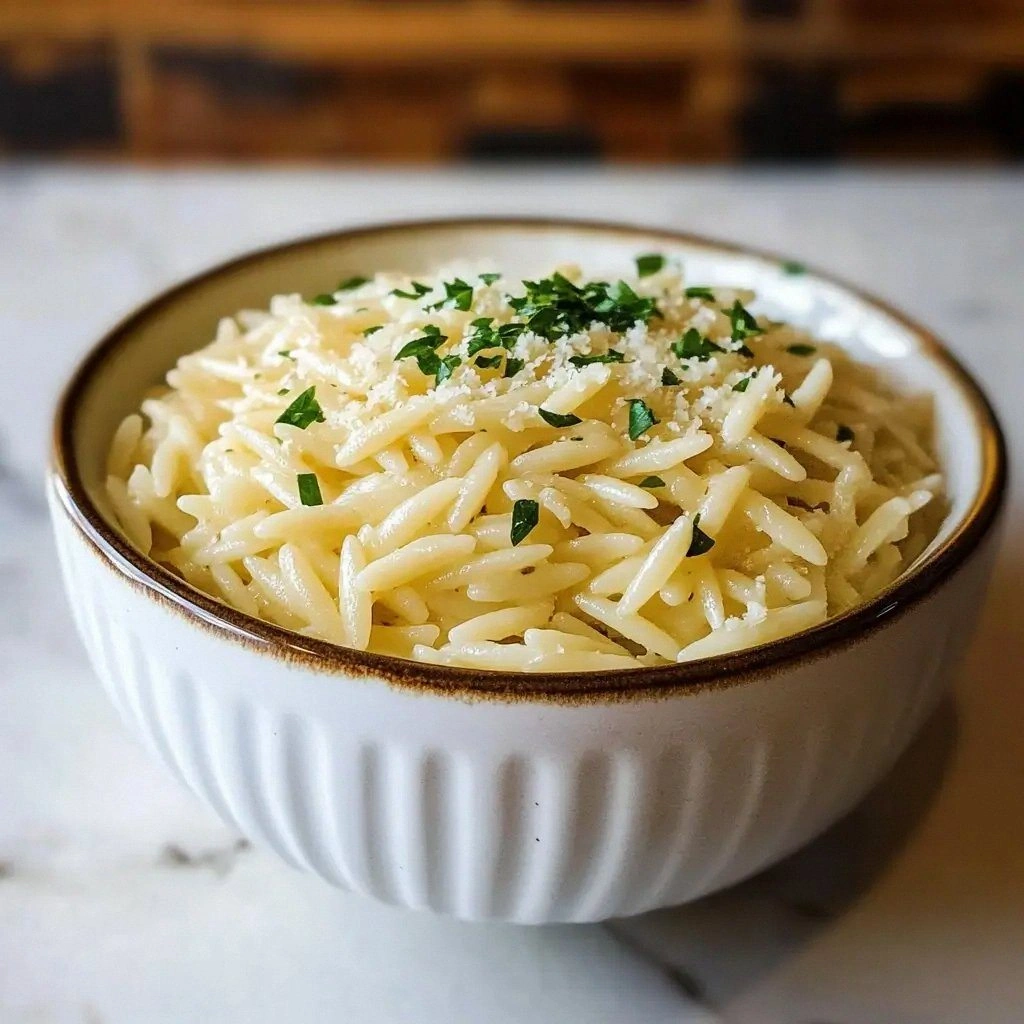
From that spark, I spent hours experimenting with ratios, textures, and techniques—each tweak a small triumph that brought the dish closer to perfection. The sauce now coats the orzo like velvet, while the cheese melts into a silky, golden coat that clings to each grain. The aroma is a heady mix of roasted garlic, fresh parsley, and the sharp tang of Parmesan that makes your nose do a happy dance. The taste is a harmonious blend of savory, creamy, and a subtle peppery bite that lingers long after the last forkful.
What makes this version stand out isn’t just the flavor; it’s the confidence you get when you know each step is designed to avoid the common pitfalls. I’ve eliminated the dreaded “orzo mush” by mastering the timing of the broth addition and the exact moment to stir the cheese in. The result is a dish that feels like a warm hug on a cold night and a crowd‑pleaser that can be served for dinner, brunch, or a comforting side. I dare you to taste this and not go back for seconds.
So, grab your apron, because by the end of this guide, you’ll wonder how you ever cooked orzo any other way. Let me walk you through every single step, from the first sauté to the final sprinkle of parsley, and you’ll see why this is hands down the best version you’ll ever make at home.
What Makes This Version Stand Out
- Flavor: The sauce is a balanced blend of cream, Parmesan, and a whisper of garlic, creating a rich, savory profile that satisfies the palate without overwhelming it.
- Texture: The orzo is perfectly al dente, each grain firm yet tender, and the cheese sauce forms a silky coat that clings like a second skin.
- Ease: The method uses a single pan and minimal prep, making it ideal for busy weeknights while still delivering a restaurant‑quality dish.
- Versatility: It can double as a main course or a side, and the recipe scales up or down without losing flavor or consistency.
- Make‑Ahead: Leftovers keep their integrity; just reheat with a splash of broth or milk to revive the sauce.
- Ingredient Quality: Fresh, high‑quality Parmesan and butter make the difference between a good dish and a memorable one.
Inside the Ingredient List
The Flavor Base
At the heart of this dish is a simple yet powerful flavor base: sautéed onions and garlic in olive oil. The onions soften to a translucent sweetness, while the garlic releases its aromatic oils, creating a fragrant foundation that carries the rest of the ingredients. If you skip this step, the dish will feel flat and lack depth. A good tip is to use a non‑stick skillet to prevent the garlic from burning, which would introduce a bitter note.
The Texture Crew
Orzo pasta is the star of the show, and its shape is crucial for the final texture. I always choose a high‑protein, short‑grain variety that holds its shape and absorbs liquid without turning mushy. If you’re using a low‑quality orzo, the dish will fall apart when you add the liquid. A quick rinse after cooking helps remove excess starch and keeps the grains separate.
The Unexpected Star
Heavy cream may seem like an indulgence, but it’s the secret weapon that gives the sauce its luxurious mouthfeel. Cream balances the sharpness of Parmesan and adds a silky body that coats each grain. If you’re watching calories, replace half the cream with milk or a non‑dairy alternative; the dish will still be creamy, though slightly lighter.
The Final Flourish
Fresh parsley and a final drizzle of butter finish the dish with brightness and a glossy sheen. The parsley adds a pop of color and a subtle herbal note that cuts through the richness. The butter, when melted into the sauce, gives it a glossy finish and a velvety mouthfeel that makes every bite feel indulgent.
Everything’s prepped? Good. Let’s get into the real action.
The Method — Step by Step
- Prepare the base: Heat the olive oil in a large sauté pan over medium heat. Add the diced onion and cook until translucent, about 3–4 minutes. Stir in the minced garlic and sauté for an additional 30 seconds until fragrant. This step builds a savory foundation that will carry the rest of the dish.
- Toast the orzo: Add the orzo to the pan and stir to coat each grain with the oil. Toast for 2–3 minutes, allowing the orzo to develop a lightly browned exterior. This gives the pasta a nutty flavor and helps prevent it from sticking together later on.
- Deglaze: Pour in half of the chicken broth, just enough to loosen any browned bits from the bottom of the pan. Scrape the pan with a wooden spoon to incorporate the flavors. The deglazing step ensures no savory bits are left behind, enriching the sauce.
- Add the liquid: Bring the mixture to a gentle boil, then reduce to a simmer. Add the remaining broth, cover the pan, and let the orzo cook for 10 minutes, or until al dente. The liquid should be mostly absorbed, but a splash of water can be added if the mixture looks too dry.
- Watch Out: When the orzo is almost finished, add the heavy cream and stir. The sauce should thicken slightly and coat the grains. If it appears too thick, add a tablespoon of broth or water to reach your desired consistency. Keep an eye on the heat to avoid scorching the cream.
- Finish with cheese: Stir in the grated Parmesan until melted and smooth. The cheese should coat every grain, creating a silky, cohesive sauce. If you prefer a sharper flavor, reserve a handful of cheese for sprinkling on top at the end.
- Final touch: Add the butter and stir until it melts, giving the dish a glossy sheen. This step also adds a subtle butter flavor that enhances the overall richness.
- Season: Taste the dish and add salt or pepper as needed. The Parmesan already provides saltiness, so be cautious not to over‑season. A final splash of fresh lemon juice can brighten the flavors if desired.
- Garnish: Sprinkle fresh parsley and any reserved Parmesan over the top. The parsley adds color and a fresh herbal note that cuts through the creaminess.
- Serve: Plate immediately while hot. The sauce will cling to the orzo, creating a creamy, comforting bite that feels like a warm hug. Enjoy with a side of crusty bread to mop up the remaining sauce.
That’s it — you did it. But hold on, I’ve got a few more tricks that will elevate this dish from great to unforgettable.
Insider Tricks for Flawless Results
The Temperature Rule Nobody Follows
Maintaining medium heat is critical. Too high, and the orzo will burn; too low, and the broth won’t reduce properly. I’ve learned to let the pan heat up slowly, then adjust the flame after the first few minutes. The goal is a gentle simmer that allows the flavors to meld without scorching.
Why Your Nose Knows Best
As the orzo cooks, pay attention to the aroma. A warm, nutty scent signals that the grains have toasted enough. If the smell is metallic or burnt, reduce the heat immediately. Your nose is a reliable guide to perfect timing.
The 5‑Minute Rest That Changes Everything
Once you’ve added the cheese, let the dish rest for 5 minutes off the heat. This resting period allows the cheese to fully melt into the sauce, resulting in a smoother, more cohesive coating. I’ve seen people skip this step, and the sauce ends up slightly gritty.
Use Fresh Parmesan for the Best Bite
Whey‑free, aged Parmesan gives a richer flavor than pre‑grated varieties. I grind a fresh block on a microplane right before serving. The aroma alone elevates the dish, and the freshly grated cheese melts more evenly.
Keep the Pasta Al Dente
Overcooked orzo becomes mushy and loses its ability to hold sauce. Test the pasta a minute before the cooking time ends; it should bite slightly. If it’s still firm, let it cook for another 30 seconds.
Creative Twists and Variations
This recipe is a playground. Here are some of my favorite ways to switch things up:
Chicken & Broccoli Fusion
Add diced, lightly sautéed chicken breast and a handful of blanched broccoli florets to the dish. The protein and green vegetable provide contrast, making it a balanced main course that’s perfect for lunch or dinner.
Sun‑Dried Tomato Kick
Stir in chopped sun‑dried tomatoes for a sweet‑savory burst. Their chewy texture adds depth, while the natural sweetness complements the cheese and butter.
Spinach & Mushroom Medley
Saute sliced mushrooms and fresh spinach with the onions. The earthy mushroom flavor pairs wonderfully with the creamy sauce, and the spinach adds a pop of color and nutrients.
Spicy Cajun Version
Introduce a pinch of cayenne pepper or a splash of hot sauce during the sauté. The heat cuts through the richness, creating a bold, vibrant dish that’s ideal for spice lovers.
Vegan Takeaway
Replace the butter and heavy cream with a plant‑based butter and oat milk. Use nutritional yeast in place of Parmesan for a cheesy, dairy‑free finish that still satisfies the craving.
Cheesy Breakfast Bowl
Serve the orzo with a fried or poached egg on top, and sprinkle extra Parmesan. The runny yolk creates a luscious sauce that turns this dish into a hearty breakfast or brunch.
Storing and Bringing It Back to Life
Fridge Storage
Cool the dish to room temperature before refrigerating in an airtight container. Store for up to 3 days. When ready to eat, reheat on low heat, adding a splash of broth or milk to loosen the sauce.
Freezer Friendly
Freeze in a freezer‑safe container for up to 2 months. Thaw overnight in the refrigerator, then reheat on the stovetop or in the microwave, stirring frequently. Add a small amount of water or broth to restore creaminess.
Best Reheating Method
Reheat gently over low heat, stirring constantly. The key is to avoid boiling, which can cause the cheese to separate. A splash of water or milk will help revive the sauce’s silky texture.