Picture this: you’re standing in a cramped kitchen, the timer on your phone blaring, and a forgotten chicken breast staring back at you like a tiny, stubborn challenge. You’ve been craving something bright, tangy, and utterly comforting, but every recipe you’ve tried so far has ended up either too dry or too watery. That night, I decided to throw caution to the wind and whip up a One Pot Chicken Piccata that would make even the most skeptical palate swoon. I promised myself I’d keep it simple, but I also wanted every bite to sing with citrus and capers, and the sauce to cling to the chicken like a silky velvet coat. If you’re ready for a dish that’s as easy as it is elegant, then buckle up.
I’ll be honest — I ate half the batch before anyone else got to taste it. The moment that first bite hit my tongue, I knew this was a game‑changer: the lemon juice cut the richness of the butter and olive oil, while the capers added a briny pop that danced against the sweet mushrooms. The sauce thickened just enough to cling to the tender chicken, and the spinach wilted into a lush green bed that didn’t drown the flavors. Most recipes get this completely wrong, but here’s what actually works: the right balance of acid, salt, and umami, all cooked in a single pot for maximum flavor extraction. Picture yourself pulling this out of the pot, the whole kitchen smelling incredible, and the steam swirling like a fragrant cloud of promise.
What makes this version stand out is not just the ingredients, but the method that locks in every note. The one‑pot technique eliminates the need for multiple pans and the risk of overcooking the chicken. The use of fresh parsley at the end lifts the dish, giving it a vibrant, almost Mediterranean feel. The combination of mushrooms, spinach, and artichoke hearts creates layers of texture that keep each bite interesting. And the best part? It’s a dish that can be made in 30 minutes or less, so you can still have dinner time for a date or a relaxed evening at home. Let me walk you through every single step — by the end, you’ll wonder how you ever made it any other way.
I dare you to taste this and not go back for seconds. That sizzle when the chicken hits the pan? Absolute perfection. The buttery crust will crackle like thin ice, and the aroma that rises is a promise of flavor yet to come. If you’ve ever struggled with chicken that turns out rubbery, you’re not alone — and I’ve got the fix. Stay with me here; this is worth it. The next part? Pure magic.
What Makes This Version Stand Out
- Flavor: The bright citrus of lemon juice cuts through the richness, creating a balanced, refreshing profile that lingers on the palate.
- Texture: A crisp, golden crust on the chicken provides contrast to the tender interior and silky sauce.
- Convenience: One pot means minimal cleanup, and the cooking time is under 45 minutes.
- Ingredient Quality: Fresh, high‑quality capers and parsley elevate the dish beyond a standard piccata.
- Crowd‑Pleaser: The combination of familiar flavors with a surprising twist makes it a hit at dinner parties.
- Versatility: It can be served over pasta, rice, or even a crisp bed of greens.
- Make‑Ahead Potential: The flavors deepen overnight, so you can prep it ahead of time and reheat with a splash of broth.
- Health‑Friendly: Lean chicken breasts and plenty of vegetables keep the dish light yet satisfying.
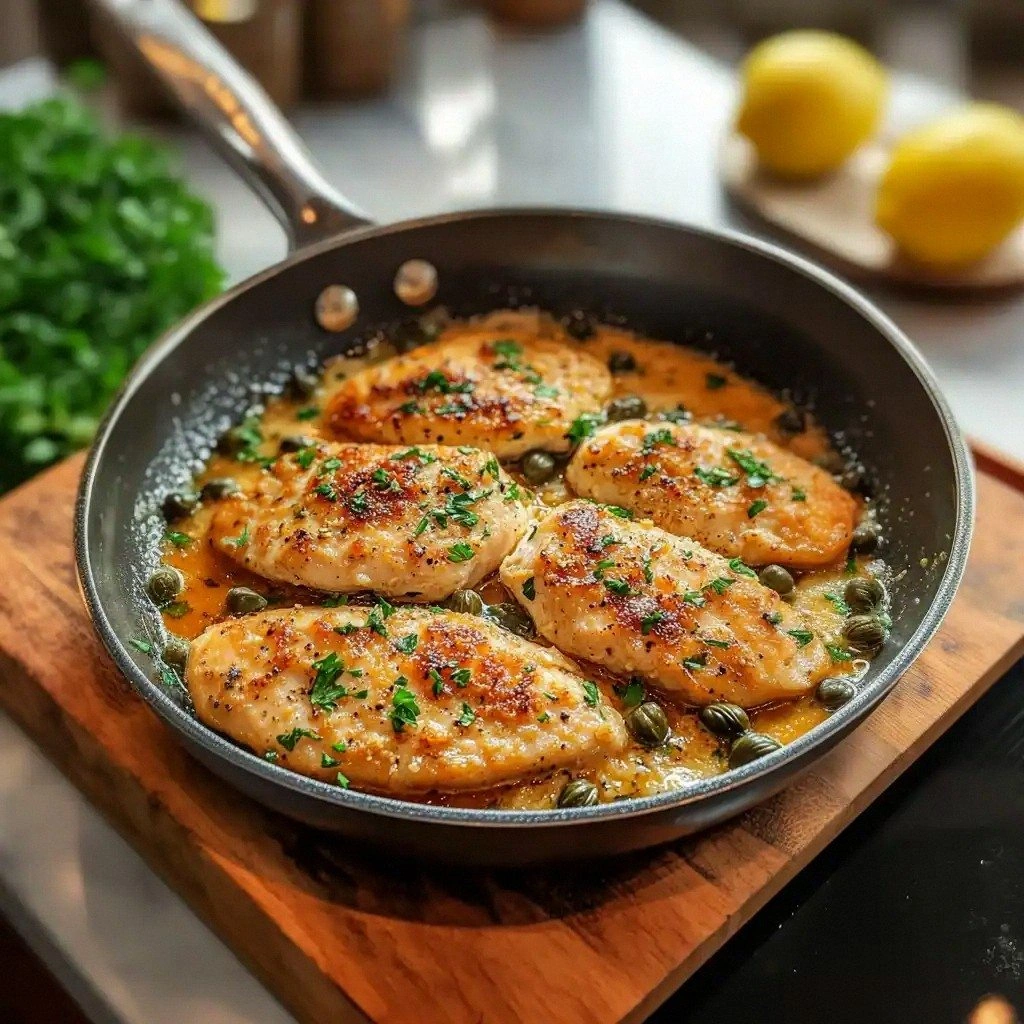
- Visual Appeal: The vibrant green spinach, golden mushrooms, and glossy lemon‑caper sauce create an Instagram‑ready plate.
- Time Efficiency: The entire process, from prep to plate, fits comfortably into a busy weekday schedule.
Inside the Ingredient List
The Flavor Base
Lemon juice and white wine form the backbone of the sauce, providing acidity that brightens the dish. The wine adds depth, allowing the flavors to meld without overpowering the citrus. Skipping the wine will make the sauce flatter, but a dash of chicken broth can compensate if you’re short on time. Use a high‑quality, dry white wine for the best result; a sweeter variety will muddle the brightness.
The Texture Crew
Mushrooms bring an earthy umami that balances the sharpness of the lemon, while spinach offers a tender, leafy contrast. Artichoke hearts add a subtle nuttiness and a bite that keeps each mouthful exciting. The flour coating on the chicken creates a crisp, golden crust that locks in juices. If you’re gluten‑free, a cornstarch slurry can replace the flour for a similar effect.
The Unexpected Star
Capers are the secret weapon that turns this dish from ordinary to extraordinary. Their briny, salty bite cuts through the richness of butter and olive oil. If you’re not a fan of capers, try adding a tablespoon of chopped pickled green onions for a similar zing. Keep them in a small jar; their flavor is intense, so a little goes a long way.
The Final Flourish
Fresh parsley adds a burst of color and a bright, herbaceous finish that lifts the entire dish. It also offers a subtle peppery note that balances the citrus. If parsley is out of season, basil or cilantro can work as a substitute, each bringing a slightly different nuance. A squeeze of lemon at the very end brightens the sauce and brings all the flavors together.
Everything's prepped? Good. Let's get into the real action.
The Method — Step by Step
- Start by patting the chicken breasts dry with paper towels. This step is crucial for achieving a golden crust; moisture will cause steaming instead of searing. Sprinkle both sides with salt, pepper, and a light dusting of flour, shaking off the excess. The flour will help the chicken brown beautifully and thicken the sauce slightly.
- Heat a large, heavy‑bottomed skillet over medium‑high heat. Add the olive oil and let it shimmer until it starts to smoke lightly. Once the oil is hot, carefully place the chicken breasts in the pan, skin side down if they have skin, and let them sear for 3–4 minutes. The goal is a deep, golden brown that will lock in juices.
- Flip the chicken and add the butter to the pan. As the butter melts, spoon it over the chicken to baste, creating a rich, flavorful coating. The butter should bubble and turn a golden brown hue, indicating it’s ready. This step adds depth and a silky mouthfeel to the sauce.
- Remove the chicken from the pan and set it aside on a plate. This gives you room to add the aromatics without overcrowding the skillet. While the chicken rests, add the minced garlic to the pan, letting it sauté for 30 seconds until fragrant. Watch the garlic closely; if it turns too dark, it will taste bitter.
- Deglaze the pan with white wine, scraping up any browned bits. The wine will dissolve those flavorful bits into the sauce. Let the wine reduce by half, which concentrates the flavor and evaporates alcohol. The pan should have a glossy, aromatic liquid ready to absorb the vegetables.
- Add the sliced mushrooms and cook for 3 minutes, stirring occasionally, until they begin to release moisture and brown. The mushrooms will absorb some of the wine and develop a deep, earthy flavor. Once they’re golden, add the spinach and artichoke hearts, cooking until the spinach wilts and the artichokes warm through.
- Pour in the chicken broth and lemon juice, then stir in the capers. The liquid should be just enough to coat the vegetables without drowning them. Let the mixture simmer for 2 minutes, allowing the flavors to meld. This is the moment of truth; the sauce should thicken slightly and develop a bright, zesty aroma.
- Return the chicken breasts to the pan, spooning some sauce over the top. Reduce the heat to low and let everything simmer together for 5–7 minutes, or until the chicken reaches an internal temperature of 165°F. The sauce will thicken and coat the chicken, turning into a glossy, savory glaze.
- Finish by sprinkling fresh parsley over the dish and giving it a final gentle stir. The parsley adds a pop of color and a fresh, herbaceous note that brightens the entire plate. Serve immediately, perhaps over a bed of cooked pasta or a drizzle of olive oil on toasted bread. The dish is ready to impress.
That's it — you did it. But hold on, I've got a few more tricks that'll take this to another level.
Insider Tricks for Flawless Results
The Temperature Rule Nobody Follows
Many cooks over‑heat their pans, causing the sauce to scorch. I always keep the heat at medium‑low once the chicken is back in, allowing the flavors to meld gently. This subtle adjustment ensures the lemon doesn’t become bitter and the capers maintain their briny punch. A quick visual cue: the sauce should bubble gently, not violently.
Why Your Nose Knows Best
The aroma that rises from the skillet is your best indicator of readiness. A strong, citrusy scent means the lemon juice has infused the sauce. If you smell a burnt garlic note, the garlic is too hot. Trust your nose to guide you through the cooking process.
The 5‑Minute Rest That Changes Everything
After you remove the chicken, let it rest for exactly five minutes before slicing. This rest allows the juices to redistribute, keeping the meat moist and tender. Cutting it too soon will let the juices escape, leaving the chicken dry. A quick test: press the center; it should feel firm but not rubbery.
The Quick Capers Rescue
If your capers are a bit too salty, rinse them briefly under cold water before adding. This reduces the saltiness without losing their unique flavor. Alternatively, a dash of vinegar can balance the salt level, creating a more harmonious sauce.
The Mushroom Trick for Extra Umami
Sauté the mushrooms on high heat first, then lower the flame. This technique caramelizes the mushrooms, enhancing their umami and adding a subtle sweet note. The result is a richer sauce that complements the lemon and capers.
The Final Parsley Splash
Add the parsley at the very end, just before serving, to preserve its bright color and fresh flavor. If you wait too long, the parsley will wilt and lose its vibrancy. A quick sprinkle adds a visual pop and a fresh burst of taste.
Creative Twists and Variations
This recipe is a playground. Here are some of my favorite ways to switch things up:
Mediterranean Twist
Swap the artichoke hearts for sun‑dried tomatoes and add a handful of Kalamata olives. The olives introduce a salty depth that pairs wonderfully with the lemon. Serve over couscous to keep the Mediterranean vibe alive.
Spicy Kick
Add a pinch of crushed red pepper flakes to the garlic sauté. The heat will cut through the richness and add a subtle warmth. Pair this version with a chilled glass of rosé for balance.
Herb Garden
Incorporate fresh thyme and oregano during the deglazing step. The herbs add a fragrant, earthy layer that complements the lemon. Finish with a drizzle of extra‑virgin olive oil for a silky finish.
Low‑Carb Edition
Replace the flour coating with a light dusting of almond flour. This keeps the chicken crisp while cutting carbs. Serve over spiralized zucchini noodles for a complete low‑carb meal.
Rustic Comfort
Add a handful of pearl onions to the pan before the mushrooms. The onions soften into sweet, caramelized pieces that add heartiness. This version is perfect for a cozy, winter evening.
Vegan Adaptation
Swap the chicken for thick slices of seared tofu. Use a vegan butter substitute and vegetable broth instead of chicken broth. The flavors will still shine, and the dish becomes a hearty, plant‑based option.
Storing and Bringing It Back to Life
Fridge Storage
Cool the dish completely before transferring it to an airtight container. Store in the refrigerator for up to 3 days. The sauce will thicken slightly; reheat gently to loosen it back into a silky glaze.
Freezer Friendly
Separate the chicken from the vegetables and sauce in freezer‑safe containers. Freeze for up to 2 months. When reheating, combine the components and warm in a skillet, adding a splash of broth to restore moisture.
Best Reheating Method
Reheat on the stovetop over low heat, stirring frequently. Add a tiny splash of water or broth to steam back to perfection. Avoid microwaving, as it can make the chicken rubbery.