Love this? Pin it for later! 📌
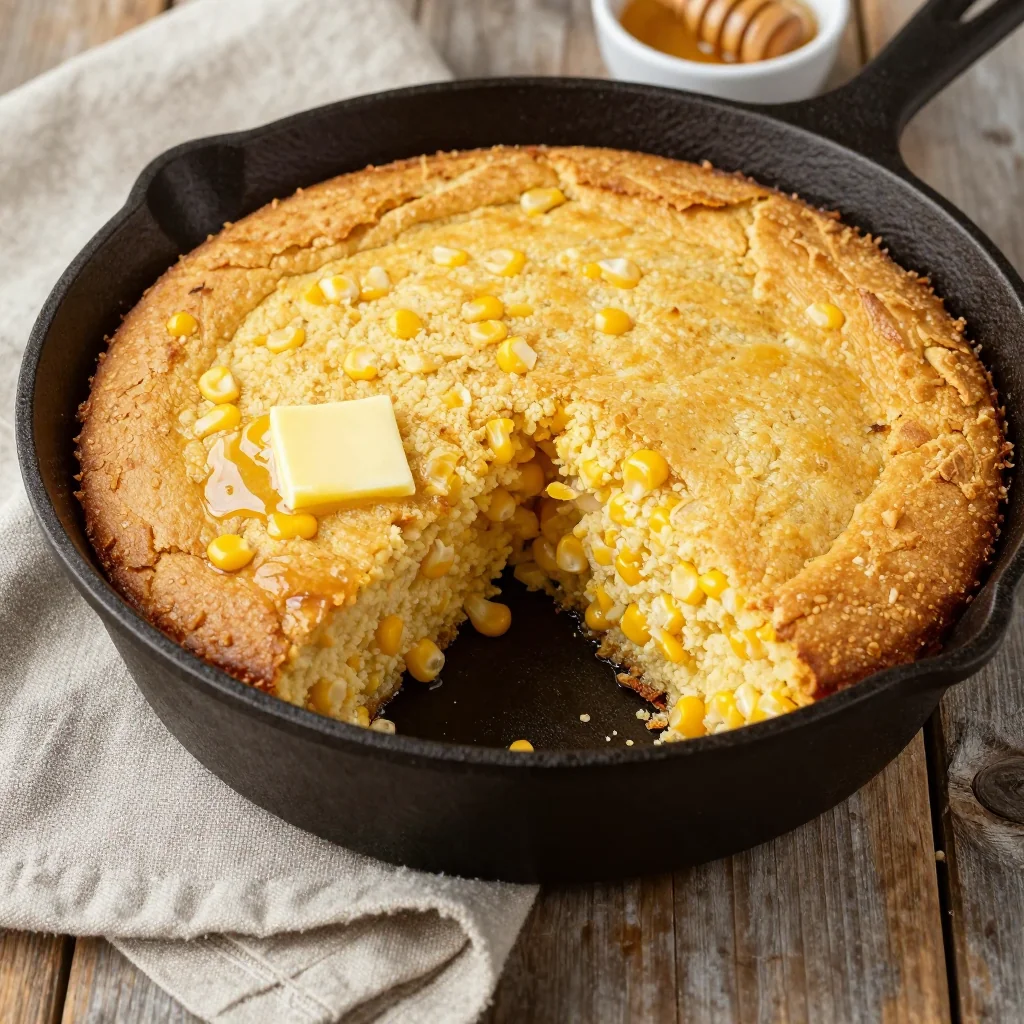
There's something magical about the way cornbread signals the start of a brand-new year across Southern tables. The golden wedges emerge steaming from cast-iron skillets, their edges caramelized and crackling, while the tender crumb whispers promises of luck, prosperity, and the comforting continuity of tradition. I grew up believing—like so many of you—that the first bite of slightly sweet, corn-kissed bread on January 1st sets the tone for the next 365 days. My grandmother would hover over her seasoned skillet, coaxing the batter into a perfect rise while humming "Auld Lang Syne," and I still swear her cornbread tasted like optimism itself.
This recipe is my homage to those childhood mornings when the house smelled of melted butter and toasty cornmeal, when black-eyed peas simmered alongside collard greens, and when every bite felt like a delicious insurance policy against whatever challenges the year might bring. Over the years I've tweaked, tested, and tasted my way through countless pans of cornbread—some too dry, others too crumbly—until I landed on this foolproof version that strikes the ideal balance between fluffy and sturdy, savory and subtly sweet. Whether you're hosting a sprawling New Year's Day buffet or simply craving a slice of edible nostalgia, this cornbread delivers the kind of soul-warming satisfaction that turns a meal into a memory.
Why This Recipe Works
- Stone-ground cornmeal delivers authentic texture and deep corn flavor that instant mixes can't touch.
- Buttermilk tang activates the leaveners for sky-high rise while keeping every bite ethereally tender.
- Hot cast-iron magic creates the signature crispy, golden crust that Southern grandmothers prize.
- Touch of honey balances the corn's earthiness and symbolizes the sweetness we hope to attract in the new year.
- Simple pantry staples mean you can mix the batter in under ten minutes—perfect for holiday morning ease.
- Make-ahead friendly because the flavors deepen overnight, letting you focus on hosting rather than hovering.
Ingredients You'll Need
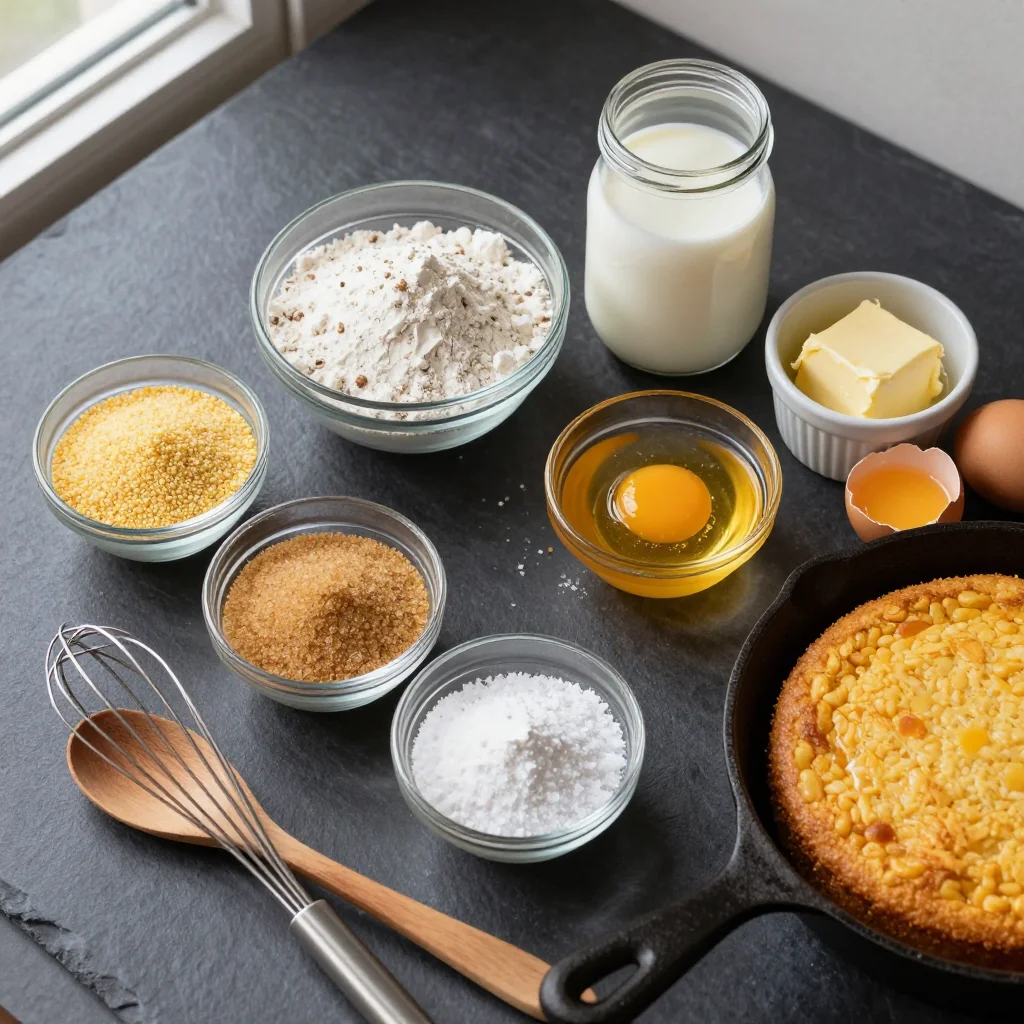
Great cornbread starts with great cornmeal. Look for stone-ground, medium-grind yellow cornmeal at local mills or well-stocked grocery stores; the coarser particles provide delightful nubbly texture and a fuller, almost nutty flavor that finer, industrially processed meals lose. If you can only find fine cornmeal, pulse it briefly in a food processor with a tablespoon of the flour to mimic the hearty granules. Avoid self-rising varieties here—you want control over leavening for the perfect rise.
Buttermilk is non-negotiable. Its acidity tenderizes gluten and reacts with baking soda to create those coveted airy pockets. No buttermilk? Stir one tablespoon of white vinegar or lemon juice into a cup of whole milk and let it stand five minutes until slightly thickened. The result won't be quite as complex, but it works in a pinch. For an extra layer of tang, add two tablespoons of buttermilk to the batter and reduce the standard amount accordingly.
Choose a full-flavored honey—wildflower, orange blossom, or tupelo if you can find it. The floral notes will perfume the cornbread and complement the corn's natural sweetness. If you're avoiding refined sugars, substitute an equal amount of maple syrup or sorghum molasses; both lend deep, earthy undertones that pair beautifully with collard greens and black-eyed peas.
Finally, preheat your cast-iron skillet while the oven warms. A screaming-hot pan sets the batter the instant it hits the surface, sealing in moisture and forming that crackly, golden crust Southerners swear by. If you don't own cast iron, use an 8-inch square metal baking pan placed on a preheated sheet tray to mimic the conductive heat. Glass or ceramic pans won't deliver the same caramelized edges, though they'll still produce tender cornbread.
How to Make New Year's Day Cornbread for Southern Feasts
Heat the Skillet & Oven
Place a 10-inch cast-iron skillet on the center rack and preheat the oven to 425 °F (220 °C). Heating the pan for at least 15 minutes guarantees the batter will sizzle on contact, forming a crisp, golden shell that contrasts beautifully with the fluffy interior. If your skillet is well-seasoned, no additional grease is necessary; the hot iron will self-release once baked.
Whisk Dry Ingredients
In a large bowl whisk 1½ cups stone-ground yellow cornmeal, ½ cup all-purpose flour, 2 teaspoons baking powder, ½ teaspoon baking soda, and 1 teaspoon fine sea salt. Aerating the mixture now prevents dense pockets later; take thirty seconds to lift and fluff the grains. The small amount of flour tempers cornmeal's crumbly nature, yielding wedges that hold together when sliced yet still shatter delicately at the edges.
Combine Wet Ingredients
In a separate medium bowl beat 2 large eggs until homogenous, then whisk in 1¼ cups well-shaken buttermilk, ¼ cup mild honey, and 4 tablespoons melted unsalted butter. The butter should be warm but not hot—around 120 °F—to prevent scrambling the eggs. Honey adds nuanced sweetness and promotes browning thanks to its fructose content, giving the cornbread its signature deep amber hue.
Bring Batter Together
Pour wet mixture into dry ingredients. Using a silicone spatula, fold with as few strokes as possible—10 to 12 turns should leave the batter lumpy and streaked with flour. Over-mixing activates gluten and deflates the leavening gases, resulting in tough, squat cornbread. The batter should resemble thick pancake mix; if it's stiff, splash in an extra tablespoon of buttermilk.
Bake to Golden Perfection
Carefully remove the scorching skillet from the oven (use thick mitts!) and place on a heat-proof surface. Immediately scrape in the batter; it should sizzle enticingly. Smooth the top with your spatula, then return to the oven. Bake 18–22 minutes, rotating halfway, until the center springs back when pressed and a toothpick comes out with a few moist crumbs. The edges will pull slightly from the sides and turn deep mahogany.
Cool & Serve
Let the cornbread rest in the skillet for 10 minutes; residual heat finishes the crumb without over-baking. Run a thin knife around the edge, then invert onto a board or serve rustic-style straight from the pan. Cut into 8 wedges or squares. Slather with honey-butter, drizzle with pot-likker, or crumble into a bowl of Hoppin' John for the ultimate New Year's luck.
Expert Tips
Rest the Batter Overnight
For deeper flavor, mix the batter (minus the leaveners) the night before, cover, and refrigerate. Stir in baking powder and soda just before baking. The hydrated grains yield moister, more complex cornbread.
Bacon Drippings Upgrade
Replace half the melted butter with strained bacon drippings for smoky depth. Pour a teaspoon of the hot fat into each wedge indent before baking for extra-crispy edges.
Check Oven Temperature
Many ovens run 15–25 °F cool. Use an oven thermometer to ensure the skillet reaches true 425 °F; insufficient heat yields pale, soggy bottoms.
Freeze for Later
Cool completely, wrap wedges in parchment, then foil, and freeze up to 2 months. Reheat from frozen at 350 °F for 12 minutes for just-baked freshness.
Variations to Try
-
Jalapeño-Cheddar
Fold in 1 cup grated sharp cheddar and 2 seeded, minced jalapeños. Sprinkle extra cheese on top for a bronzed crust.
-
Herb & Corn
Add ½ cup fresh corn kernels and 1 tablespoon chopped thyme or rosemary for garden-fresh sweetness.
-
Brown Butter Pecan
Brown the butter until nutty, then fold in ½ cup toasted chopped pecans. Drizzle with sorghum to serve.
-
Gluten-Free
Swap the flour for ½ cup almond flour plus 2 tablespoons tapioca starch; add an extra pinch of salt.
Storage Tips
Room-temperature cornbread stays remarkably moist for 24 hours thanks to the honey and buttermilk. Cool completely, then wrap the skillet tightly with foil or transfer wedges to an airtight container. If your kitchen is warm, refrigerate after the first day to stave off staling.
To reheat, wrap wedges in foil and warm at 350 °F for 8–10 minutes. For crisp tops, open the foil for the final 2 minutes. A toaster oven works beautifully for small batches; simply toast on medium until edges re-crisp.
For longer storage, freeze as described in the tips above. Thaw overnight in the refrigerator or at room temp for 1 hour, then refresh in the oven. Cornbread also transforms into stellar croutons: cube, toss with olive oil and Cajun seasoning, and bake at 375 °F for 12 minutes, shaking once.
Frequently Asked Questions
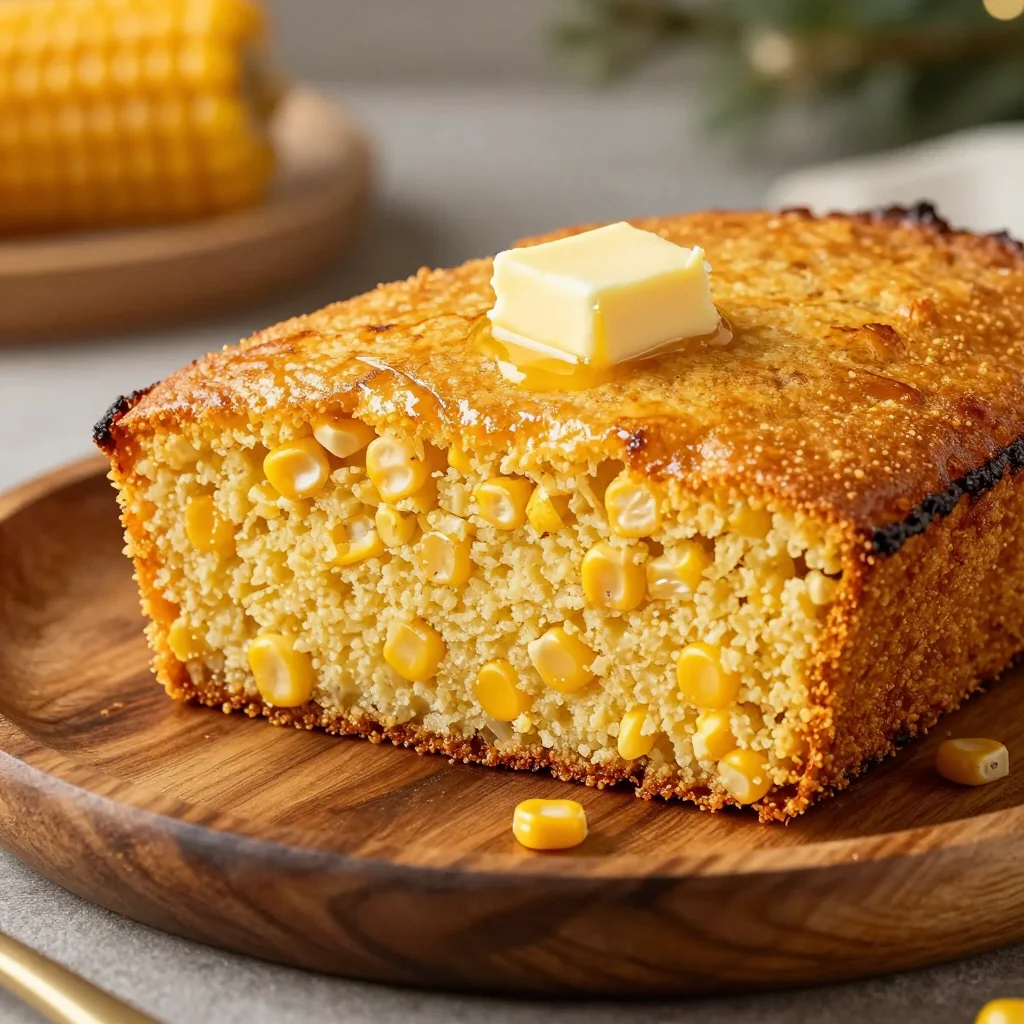
New Year's Day Cornbread for Southern Feasts
Ingredients
Instructions
- Preheat: Place 10-inch cast-iron skillet in oven; heat to 425 °F for 15 min.
- Mix Dry: Whisk cornmeal, flour, baking powder, soda, and salt in large bowl.
- Mix Wet: Beat eggs, then whisk in buttermilk, honey, and melted butter.
- Combine: Pour wet into dry; fold 10–12 strokes until just lumpy.
- Bake: Carefully pour batter into hot skillet; bake 18–22 min until golden.
- Cool: Rest 10 min, then cut into wedges; serve warm with honey-butter.
Recipe Notes
Avoid over-mixing for tender crumb. Skillet may smoke slightly—that's normal. For extra shine, brush top with melted butter right out of oven.