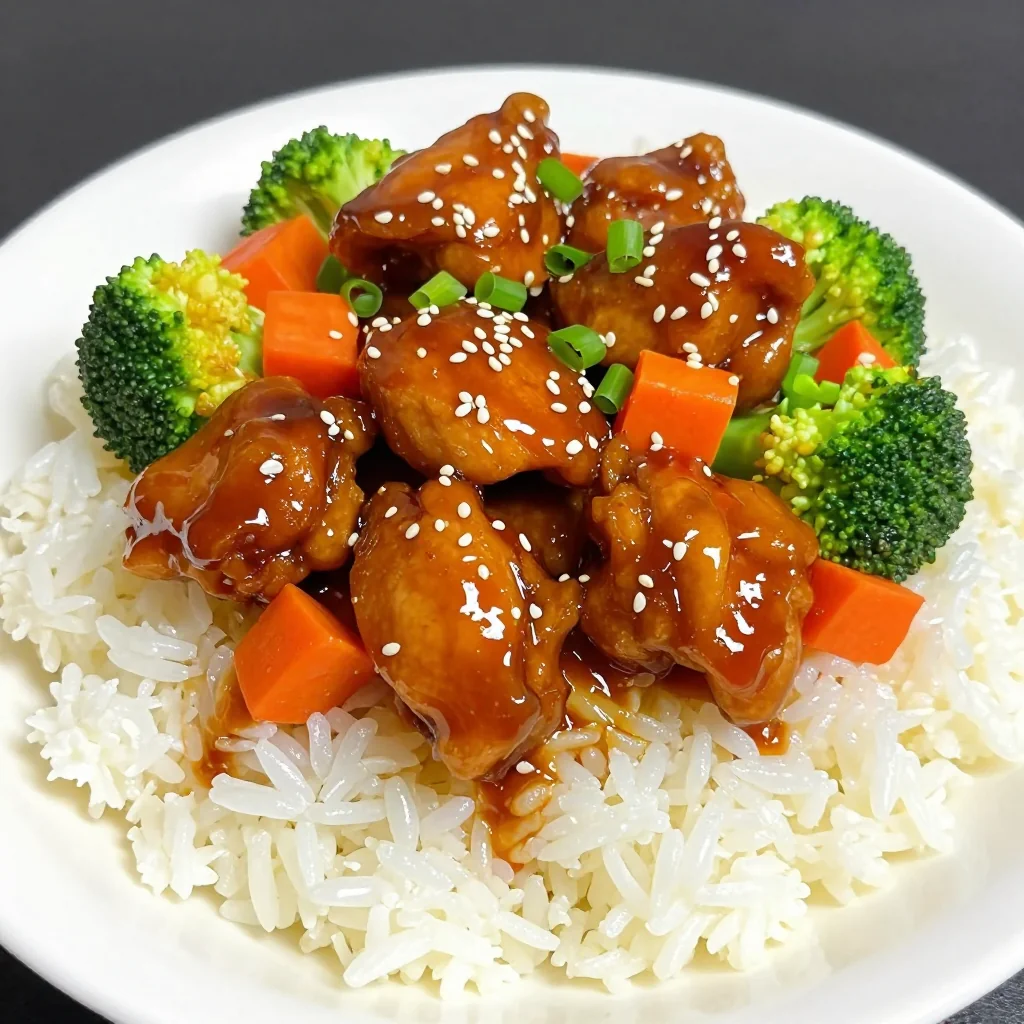
Love this? Pin it for later! 📌
Why This Recipe Works
- One-pan glaze: The teriyaki reduces in the same skillet, saving dishes and infusing the salmon with layered flavor.
- Meal-prep genius: Portion, refrigerate, or freeze—flaky texture revives perfectly in the microwave or air-fryer.
- Balanced sweetness: Mirin, maple, and fresh ginger create complexity without cloying sugar spikes.
- Omega-3 powerhouse: Each portion delivers 2 g EPA/DHA—brain food disguised as candy-coated protein.
- Ready in 25 min: Faster than delivery, cheaper than restaurant fare, and you control every ingredient.
- Scalable: Double or triple for Sunday batch-cooking; glaze keeps 1 week in fridge, 3 months frozen.
- Kid-approved: Even picky eaters love the shiny lacquer; serve with rice and edamame for a bento-box win.
Ingredients You'll Need

Great teriyaki salmon starts with great fish. Look for center-cut fillets that are at least 1¼ in (3 cm) thick so they stay moist under the glaze. Wild Alaskan sockeye is my gold standard—its firm texture resists flaking during flip-and-baste acrobatics. If sustainability or budget steer you toward farm-raised, opt for responsibly farmed Atlantic and leave the skin on; it acts like a heat shield, preventing overcooking.
Low-sodium soy sauce is non-negotiable. Traditional soy can reduce to a salt lick, while tamari keeps the dish gluten-free without tasting flat. Mirin, Japanese sweet rice wine, gifts subtle acidity and gloss; in a pinch, 3 Tbsp dry sherry plus 1 tsp sugar works. Pure maple syrup rounds out the sweetness with caramel notes—please don’t reach for pancake syrup laced with corn syrup. Fresh ginger and garlic perfume the glaze; pre-minced paste tastes tired. Toasted sesame oil delivers nutty depth; store it in the fridge so it doesn’t go rancid. Finally, a whisper of cornstarch turns the sauce into that iconic sticky lacquer that clings to every flake.
For serving, I love fluffy short-grain rice or cauliflower rice for low-carb days. Sprinkle with toasted sesame seeds and scallions for color crunch, and keep a stash of steamed broccoli or snap peas for the full bento vibe.
How to Make Meal Prep Teriyaki Salmon for a Sweet Dinner
Pat and portion the salmon
Remove fillets from packaging, rinse under cold water, and blot thoroughly with paper towels—excess moisture causes splatter and prevents searing. Slice larger halves into 6 oz (170 g) rectangles so they cook evenly. Season both sides with ½ tsp kosher salt and ¼ tsp black pepper; let stand 10 min while you whisk the sauce.
Mix the teriyaki base
In a 2-cup glass measure, combine ½ cup low-sodium soy, ¼ cup maple syrup, 3 Tbsp mirin, 2 tsp rice vinegar, 1 tsp toasted sesame oil, 1 Tbsp grated fresh ginger, and 2 minced garlic cloves. In a separate ramekin, slurry 1½ tsp cornstarch with 2 tsp water until smooth; this prevents lumps when it hits the heat.
Sear skin-side up
Heat a 12-inch stainless or cast-iron skillet over medium-high until a drop of water skitters. Add 2 tsp neutral oil (avocado or grapeseed). Lay salmon skin-side up; press gently with a spatula for 30 sec to ensure full-surface contact. Sear 3 min without nudging—that crust equals flavor.
Flip and glaze
Turn fillets with a thin fish spatula; they should release effortlessly. Cook 1 min, then pour in the teriyaki base. Bring to a boil; the sugar starts caramelizing within 45 sec. Whisk in the cornstarch slurry; sauce will thicken in 30–45 sec. Tilt the pan and spoon glaze over the tops for even coverage.
Check doneness
Salmon is ready when it registers 125 °F (52 °C) for medium—gently flaky, coral at the center. If you prefer 130 °F, reduce heat to low after glazing to avoid burning sugars. Transfer fillets to a warm plate; they’ll carry-over cook 2 °F. Total stovetime: about 6 min.
Reduce sauce to syrup
Return skillet to medium heat; simmer 1–2 min until glaze coats the back of a spoon. Swirl in 1 Tbsp butter for restaurant sheen. Remove from heat; stir in 1 tsp sesame seeds and half the scallions. You should have about ⅓ cup glossy sauce—enough to drizzle lavishly later.
Portion for meal prep
Divide rice among 4 glass containers (about ¾ cup each). Lay salmon on top, spoon 2 Tbsp sauce over each, then add steamed veg. Cool 15 min uncovered—trapped steam creates soggy rice. Snap on lids, label, refrigerate up to 4 days or freeze up to 3 months.
Reheat like a pro
Microwave: vent lid, heat on 70 % power 2 min. Air-fryer: 300 °F (150 °C) 4 min with foil shield. Stovetop: place salmon in a non-stick pan, add 1 Tbsp water, cover, steam 3 min over low. Sauce reheats in 10 sec bursts—watch it, sugars scorch fast.
Expert Tips
Invest in an instant-read thermometer
Salmon moves from silky to chalky in under a minute. A $15 ThermoPop pays for itself after two perfectly cooked fillets.
Dry = crisp
After rinsing, air-dry fillets on a rack in the fridge 30 min. Evaporating moisture equals lacquer-like sear and zero sticking.
Don’t crowd the pan
Overcrowding drops pan temp, causing steamed salmon and pale glaze. Use a 12-inch skillet or cook in two batches, wiping between.
Flash-freeze for texture
Place cooled fillets on a parchment-lined sheet; freeze 1 hr, then transfer to bags. Ice crystals form on the surface, not inside, so fish stays firm.
Double the glaze
Extra sauce keeps 1 week refrigerated. Brush over chicken thighs, tofu, or roasted carrots mid-week for instant teriyaki everything.
Add color contrast
Top with quick-pickled radishes or pomegranate arils just before serving. Acidic pops cut sweetness and turn lunchbox photos into art.
Variations to Try
- Spicy Teriyaki: Whisk 1 tsp gochujang into the sauce; finish with chili threads.
- Pineapple Paradise: Swap maple syrup for canned pineapple juice; grill pineapple rings alongside salmon.
- Miso Boost: Stir 1 tsp white miso into the slurry for extra umami.
- Low-Sugar: Replace maple with allulose; reduce mirin to 2 Tbsp and add 1 tsp grated apple for sweetness.
- Cedar-Plank: Soak plank 1 hr, sear salmon 2 min each side, then move plank to 400 °F oven 8 min, brushing with glaze.
Storage Tips
Refrigerator: Cool completely, pack in shallow airtight containers, and refrigerate within 2 h of cooking. Best flavor and texture within 3 days, safe up to 4 days. Store sauce separately if you like crystal-clear presentation.
Freezer: Flash-freeze individual portions on a tray, then stack in labeled freezer bags with parchment squares between. Exclude as much air as possible. Thaw overnight in fridge or 30 min in cold water. Previously frozen raw salmon can be refrozen after cooking, though texture marginally softens.
Reheating: Microwave remains fastest; place a damp paper towel over the salmon to create steam. Air-fryer yields near-original crispness at 300 °F for 4–5 min. Avoid high heat—sugar burns above 350 °F. Sauce can be warmed in 5-sec bursts; it thickens as it cools, so thin with a teaspoon of water if needed.
Frequently Asked Questions

Meal Prep Teriyaki Salmon for a Sweet Dinner
Ingredients
Instructions
- Prep salmon: Rinse, pat dry, season with salt and pepper.
- Make glaze: Whisk soy, maple, mirin, vinegar, sesame oil, ginger, garlic.
- Sear: Heat oil in skillet over medium-high. Cook salmon skin-side up 3 min.
- Flip & glaze: Turn, cook 1 min, pour in sauce, add cornstarch slurry, boil 30-45 sec.
- Finish: Remove salmon at 125 °F. Reduce sauce 1 min, stir in butter.
- Meal-prep: Portion rice, salmon, veg into containers. Cool, cover, refrigerate or freeze.
Recipe Notes
For gluten-free, use tamari. Sauce thickens as it cools; thin with water when reheating. Do not microwave sauce-covered salmon on high—use 70 % power to preserve moisture.