Love this? Pin it for later! 📌
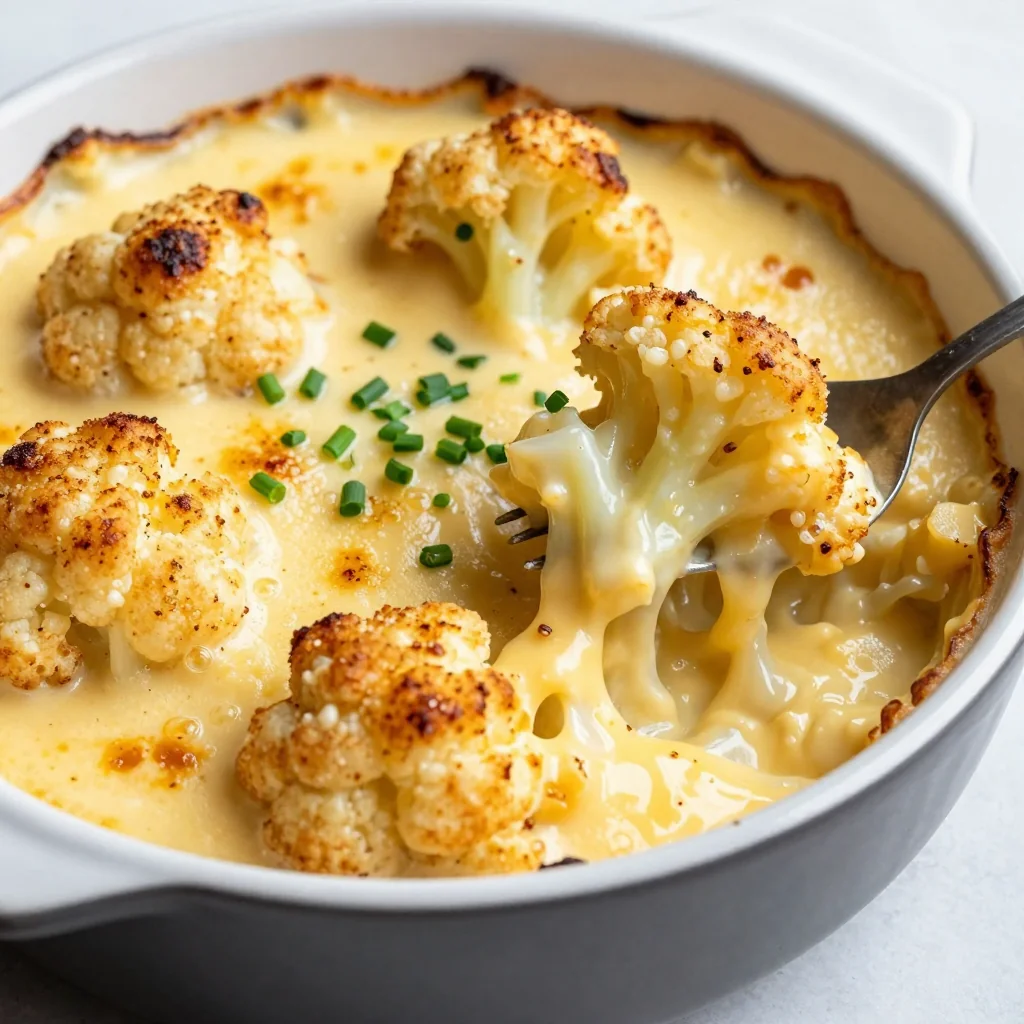
Every January, when the air turns crisp and the calendar turns to Martin Luther King Jr. Day, my kitchen fills with the scent of bubbling cheese sauce and roasted cauliflower. It’s a tradition that started almost by accident: I wanted a comfort-food centerpiece that honored Dr. King’s legacy of unity and nourishment—something that could feed a crowd of cousins, neighbors, and whoever else wandered through the front door after the parade. One year I folded tender cauliflower florets into my grandmother’s classic baked macaroni and cheese, and the dish instantly became our family’s edible love letter to the holiday. The kids call it “MLK Mac,” the adults call it “the casserole that ends all arguments,” and I call it the perfect intersection of soulful and wholesome. Creamy, sharp, and just virtuous enough to justify a second helping, this mac and cheese carries the torch of communal tables and shared stories—exactly the spirit Dr. King championed.
Why This Recipe Works
- Double-cheese strategy: A silky roux-based sauce plus a topping of aged cheddar creates both gooey interiors and crispy edges.
- Cauliflower that melts: Roasting first concentrates sweetness; baking again in the casserole makes it taste like golden vegetable candy.
- Whole-wheat nod: A 50-50 blend of whole-wheat and regular pasta sneaks in fiber without sacrificing the plush mouthfeel.
- Spice warmth: A whisper of smoked paprika and mustard powder honors Southern soul-food palates.
- Feed-a-crowd size: A 9×13-inch pan yields 12 generous servings—perfect for potlucks and family reunions.
- Make-ahead magic: Assemble up to 24 hours in advance; the flavors actually improve overnight.
- Freezer friendly: Bakes beautifully from frozen for future weeknight comfort.
Ingredients You'll Need
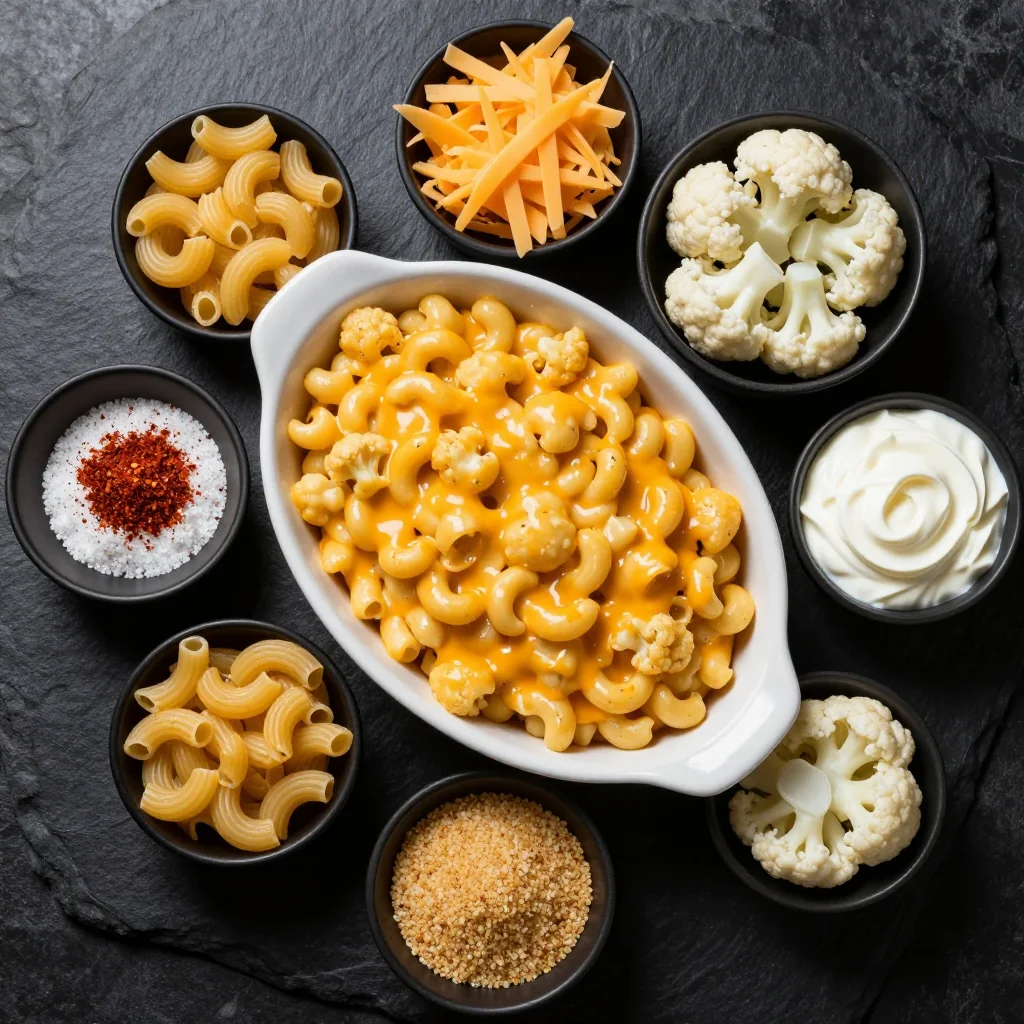
Great mac and cheese is only as good as the sum of its parts, so let’s shop with intention. Start with pasta: I use a 50-50 mix of whole-wheat elbow macaroni and classic durum elbows. The whole-wheat lends nuttiness and holds up under two trips to the oven, while the semolina keeps things tender. If you can only find one type, go full semolina—no shame in pure indulgence.
Choose a small, firm head of cauliflower. Look for bright white curds tightly packed; any brown speckling can be trimmed, but heavy spotting signals age. Cut into ¾-inch florets—large enough to stay voluptuous after roasting, small enough to fold seamlessly among the noodles.
Butter and flour build the roux; use unsalted butter so you control salinity. Whole milk delivers the silkiest texture, but 2 % works if that’s what you keep for cereal. For the cheese trinity, I blend equal parts sharp white cheddar for tang, Fontina for meltability, and a modest handful of Gruyère for nutty depth. Pre-shredded cheese is dusted in cellulose and resists smooth melting, so buy blocks and grate yourself—it takes five minutes and pays off in lava-like creaminess.
Mustard powder amplifies cheddar’s natural sharpness, while smoked paprika gives a whisper of Sunday-potluck nostalgia. A single bay leaf steeped in the milk perfumes the sauce; remove it before combining. Finish with a breadcrumb topping: panko tossed with melted butter and a pinch of sweet paprika for color. If you need gluten-free, swap in rice-based pasta and gluten-free panko without any other changes.
How to Make Martin Luther King Jr. Mac and Cheese with Cauliflower
Preheat oven to 425 °F (220 °C). Toss cauliflower florets with 2 Tbsp olive oil, ½ tsp kosher salt, and ¼ tsp black pepper on a parchment-lined sheet. Spread in a single layer and roast 20 minutes, turning once, until edges are deep caramel brown. Remove and lower oven to 375 °F (190 °C).
Bring a large pot of salted water to a rolling boil (it should taste like the sea). Add 1 lb (450 g) pasta and cook 1 minute shy of package directions for al dente. Drain, rinse briefly under cool water to stop cooking, and drizzle with 1 tsp oil to prevent sticking. Set aside.
In a small saucepan combine 4 cups whole milk, 1 bay leaf, and ¼ tsp grated nutmeg. Heat over medium-low until steaming and tiny bubbles appear around the rim; do not boil. Remove from heat, cover, and let steep 10 minutes while you prepare the roux.
Melt 4 Tbsp unsalted butter in a heavy-bottomed 4-quart pot over medium heat. Whisk in ¼ cup all-purpose flour; cook 2 minutes, stirring constantly, until the mixture smells faintly nutty and turns light blonde. This cooks out raw flour flavor and provides thickening power.
Remove bay leaf from milk. Ladle warm milk into roux ½ cup at a time, whisking continuously to prevent lumps. Once all milk is incorporated, simmer gently 4–5 minutes until sauce thickly coats the back of a spoon. Reduce heat to low and stir in 1 tsp kosher salt, ½ tsp mustard powder, ¼ tsp smoked paprika, and a few grinds of black pepper. Add cheeses by the handful, whisking until melted and glossy.
Butter a 9×13-inch baking dish. In a large bowl fold together pasta, roasted cauliflower, and cheese sauce until every noodle nook is saturated. Pour into prepared dish and spread evenly.
Melt 1 Tbsp butter and toss with ¾ cup panko, ¼ tsp sweet paprika, and a pinch of salt. Distribute evenly over mac and cheese.
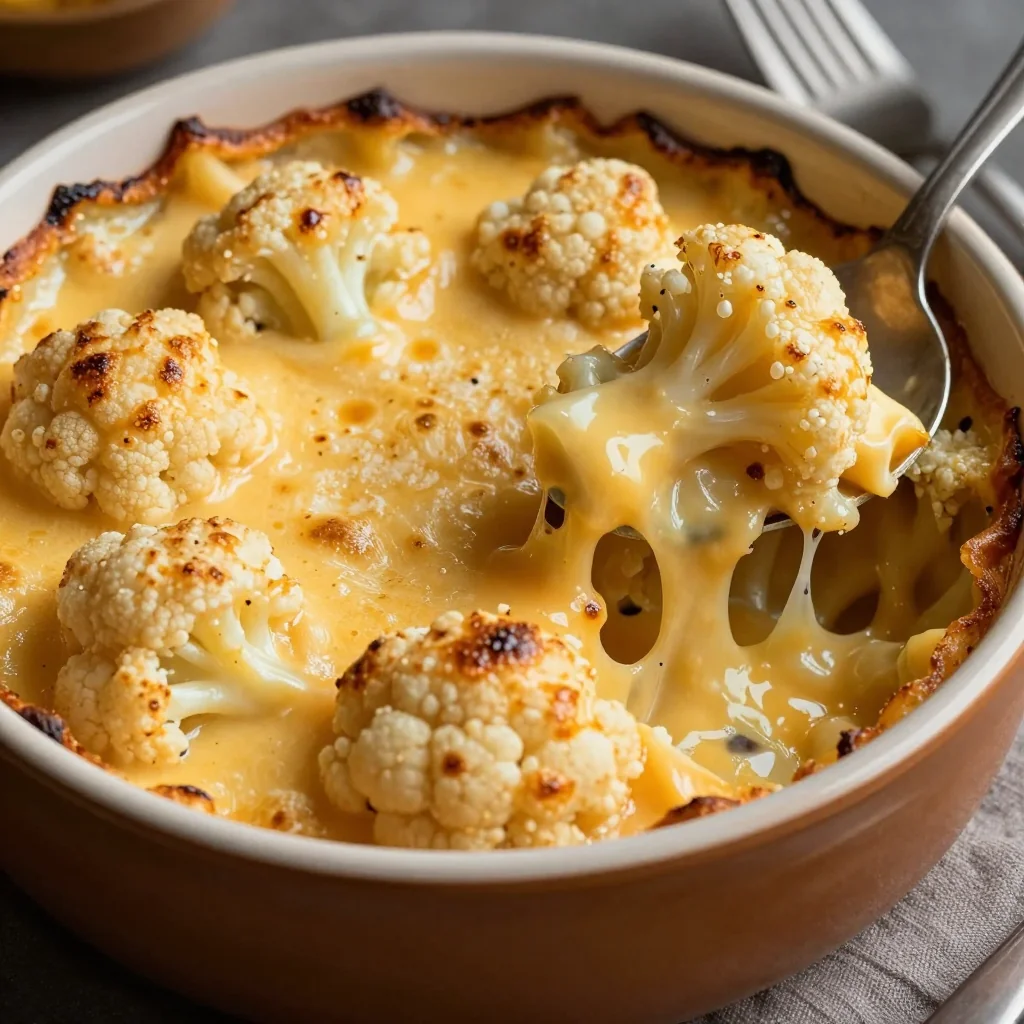
Bake uncovered at 375 °F (190 °C) for 25–30 minutes, until edges bubble and topping is deep amber. Rest 10 minutes before serving; this sets the sauce and prevents molten cheese lava burns.
Expert Tips
Heat your milk
Cold milk shocks the roux and causes lumps. Gentle warming keeps the béchamel silky.
Grate fresh cheese
Pre-shredded cellulose prevents smooth melting. Invest five minutes for fondue-level cream.
Undercook pasta
It will absorb sauce while baking; one minute shy guarantees toothsome texture.
Rest before serving
Ten minutes of patience transforms runny sauce into luscious, sliceable squares.
Freeze smart
Wrap portions in foil, then plastic. Reheat covered at 350 °F until center reads 165 °F.
Color pop
Orange cheddar looks festive, but white cheddar plus a pinch of turmeric achieves golden hue without additives.
Variations to Try
- Spicy Southern: Fold in 1 cup chopped pickled jalapeños and replace smoked paprika with chipotle powder.
- Coastal Carolina: Add 8 oz lump crabmeat and swap Fontina for mascarpone for seaside richness.
- Green Goddess: Stir 2 cups baby spinach into hot sauce until wilted, then proceed as written.
- Vegan comfort: Use cashew cream, nutritional-yeast cheese sauce, and olive-oil-buttered panko.
- Truffle luxe: Drizzle 1 tsp white-truffle oil over finished casserole and use aged Comté in place of Gruyère.
- Buffalo twist: Replace mustard powder with 2 Tbsp Buffalo sauce and top with crumbled blue cheese during last 5 minutes of baking.
Storage Tips
Cool leftovers to room temperature within two hours. Refrigerate in an airtight container up to 4 days. To reheat single portions, microwave at 70 % power with a damp paper towel on top until center is steaming. For larger hunks, cover with foil and warm at 325 °F until bubbly, 20–25 minutes.
Freeze whole or portioned casserole for up to 3 months. Wrap first in plastic, then foil, labeling with date and baking instructions. Bake from frozen, covered, at 350 °F for 1 hour, then uncover and bake 15 minutes more to crisp topping. If thawed overnight, shave 20 minutes off total time.
Make-ahead: Assemble through Step 7, cover tightly, and refrigerate up to 24 hours. Add 10 minutes to covered baking time if starting cold. Sauce can be prepared alone and refrigerated 3 days; warm gently before combining with pasta.
Frequently Asked Questions
Martin Luther King Jr. Mac and Cheese with Cauliflower
Ingredients
Instructions
- Roast cauliflower: Preheat oven to 425 °F. Toss florets with olive oil, salt, and pepper. Roast 20 min until browned. Lower oven to 375 °F.
- Cook pasta: Boil in salted water 1 minute shy of al dente. Drain, rinse, oil lightly.
- Infuse milk: Heat milk with bay leaf and nutmeg until steaming; steep 10 min.
- Make roux: Melt 3 Tbsp butter, whisk in flour 2 min. Gradually whisk in warm milk; simmer until thick. Season with salt, mustard powder, smoked paprika, and pepper.
- Melt in cheeses: Remove from heat, stir in cheeses until smooth.
- Assemble: Combine pasta, cauliflower, and sauce; pour into buttered 9×13-inch dish.
- Top & bake: Mix melted butter, panko, and sweet paprika; sprinkle over casserole. Bake 25–30 min at 375 °F until bubbly and golden. Rest 10 min before serving.
Recipe Notes
For ultra-crispy top, broil 1–2 minutes at the end, watching closely. If making ahead, add breadcrumbs just before baking to keep them crunchy.