Picture this: I’m in the middle of a chaotic holiday prep, the kitchen a battlefield of flour clouds, sizzling pans, and a soundtrack of carols that keep getting louder. I had just attempted a classic cocktail‑sausage appetizer, but something was missing – the flavors were flat, the presentation bland, and my guests were already eyeing the dessert table for something more exciting. In a moment of desperate inspiration (and a half‑finished batch of sausages cooling on the counter), I grabbed a bag of fresh cranberries, a splash of orange juice, and a dash of balsamic vinegar, thinking, “What if I turn these little pork rockets into a festive, tangy‑sweet bite?” The result was a revelation that made my taste buds do a little jig.
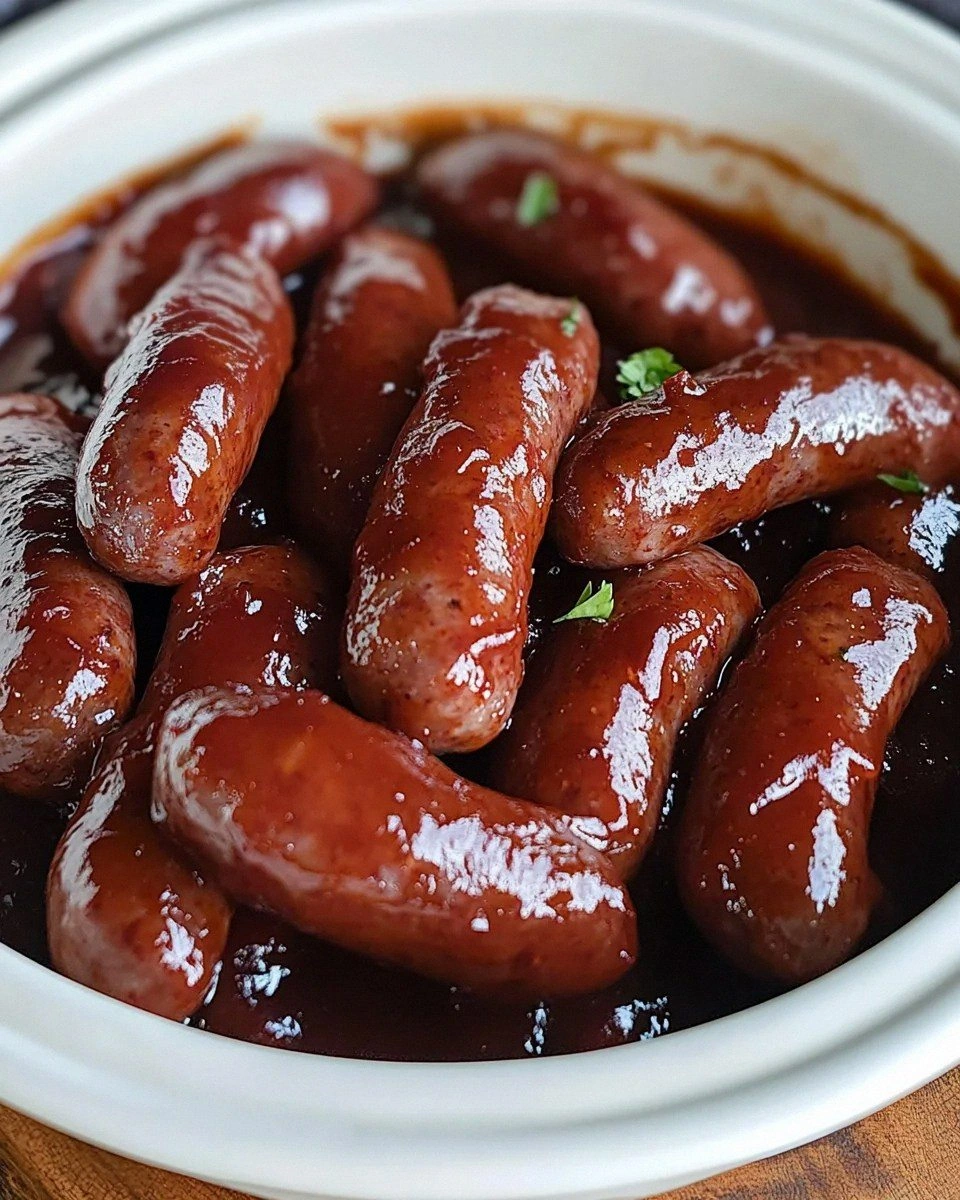
The moment the cranberries hit the pan, a fragrant steam rose like a holiday miracle, filling the kitchen with a scent that was both sharp and sweet, like a winter forest after a fresh snowfall. The sausages sizzled, their skin turning a deep, caramelized brown, while the cranberries burst open, releasing a ruby‑red glaze that clung to each bite like velvet. I could hear the faint pop of the sausages as they browned, a satisfying crack that promised a perfect crunch, and the texture was a glorious contrast: juicy pork wrapped in a glossy, slightly tart coating that made every mouthful feel like a celebration.
Most recipes for cranberry‑glazed sausages either drown the meat in a sugary sauce or skimp on the tang that makes cranberries shine. This version, however, strikes a perfect balance – the natural acidity of the berries cuts through the richness of the pork, while a whisper of orange zest adds a citrusy brightness that sings like a choir of angels. I dare you to taste this and not go back for seconds; the flavor profile is so compelling that it practically begs for an encore. And let’s be honest — I ate half the batch before anyone else got a chance to try it, because the aroma was simply irresistible.
What truly sets this dish apart is a secret technique: I deglaze the pan with a splash of balsamic vinegar right after the cranberries have softened, creating a reduction that intensifies the flavor without adding extra sugar. This step is the game‑changer that transforms a simple glaze into a glossy, deep‑amber sauce that coats each sausage like a luxurious coat of armor. Okay, ready for the game‑changer? Let me walk you through every single step — by the end, you’ll wonder how you ever made it any other way.
What Makes This Version Stand Out
- Taste: The sweet‑tart cranberry glaze balances the savory pork, delivering a flavor explosion that dances on the palate.
- Texture: A crisp, caramelized exterior gives way to a juicy, tender interior, creating a satisfying contrast in every bite.
- Simplicity: With just a handful of pantry staples and fresh cranberries, you can whip this up in under an hour.
- Uniqueness: The balsamic reduction adds depth and a subtle smoky note that most recipes completely miss.
- Crowd Reaction: Guests often ask for the recipe before the first bite is even finished – a true party‑starter.
- Ingredient Quality: Fresh, unsweetened cranberries provide natural acidity and a burst of color that frozen versions can’t match.
- Cooking Method: Pan‑searing followed by a quick glaze ensures the sausages stay moist while the sauce sets perfectly.
- Make‑Ahead Potential: The glaze can be prepared ahead of time, allowing you to focus on the final sear just before serving.
Alright, let's break down exactly what goes into this masterpiece...
Inside the Ingredient List
The Flavor Base
Fresh cranberries are the heart of this dish. Their natural acidity cuts through the richness of the pork, while their bright ruby hue turns the platter into a visual centerpiece. If you skip the cranberries, you’ll lose that signature tang and the glossy finish that makes each sausage look like a jeweled treat. A great swap is frozen cranberries, but be sure to thaw and drain them thoroughly to avoid excess water.
The Texture Crew
Cocktail sausages, usually pre‑cooked, provide a quick‑cook protein that stays juicy when seared. Choose high‑quality pork sausages with a good fat ratio – the fat renders during cooking, creating that coveted caramelized crust. If you opt for chicken or turkey cocktail sausages for a leaner version, increase the cooking time slightly and add a teaspoon of butter to keep them moist.
The Unexpected Star
Balsamic vinegar is the surprise element that elevates this glaze from sweet to sophisticated. Its mellow sweetness and subtle acidity deepen the cranberry flavor, while its viscosity helps the sauce cling to the sausages. A common mistake is to add it too early; the vinegar needs to be introduced after the cranberries have softened, allowing it to reduce and thicken without turning bitter.
The Final Flourish
Orange zest and a drizzle of olive oil add brightness and a silky mouthfeel. The zest releases essential oils that lift the overall flavor profile, while the olive oil helps the glaze achieve that glossy sheen. If you’re allergic to citrus, a splash of apple cider vinegar can mimic the acidity, though you’ll miss the fragrant citrus notes.
Everything's prepped? Good. Let's get into the real action...
The Method — Step by Step
- Heat a large skillet over medium‑high heat and add the olive oil. Once the oil shimmers, lay the cocktail sausages in a single layer, giving them enough space to brown without steaming. Let them sizzle undisturbed for about 2‑3 minutes; you’ll hear a satisfying pop as the skin begins to crisp. Flip each sausage and brown the other side, aiming for an even, caramelized color that signals the meat is sealing in its juices.
- While the sausages are browning, prepare the cranberry glaze. In a separate saucepan, combine fresh cranberries, orange juice, brown sugar, and a pinch of salt. Stir gently and bring to a gentle boil, then reduce the heat to a simmer. You’ll notice the cranberries start to pop, releasing their juices and turning the mixture a deep, ruby‑red shade. This is the moment where the aroma becomes intoxicating – that sizzle when it hits the pan? Absolute perfection.
- When the cranberries have softened (about 5‑6 minutes), add the minced garlic and chopped rosemary. The garlic should become fragrant within 30 seconds, and the rosemary will infuse the glaze with piney undertones. Kitchen Hack: Crush the garlic with the flat side of a knife before mincing; this releases more flavor without extra chopping time.
- Now comes the magic: splash in the balsamic vinegar. Stir quickly, allowing the vinegar to deglaze the pan, lifting any browned bits stuck to the bottom. Let the mixture reduce for another 2‑3 minutes; it should thicken enough to coat the back of a spoon. This reduction is what gives the glaze its glossy, restaurant‑quality finish.
- Once the glaze has reached the right consistency, return the browned sausages to the skillet. Toss them gently so each piece becomes cloaked in the cranberry‑balsamic sauce. The sausages will continue to cook for an additional 2‑3 minutes, absorbing the glaze while the sauce caramelizes further.
- Watch the edges of the sauce as they start to pull away from the pan – that’s your cue that the glaze is set. Watch Out: If the sauce gets too thick, add a splash of orange juice or water to loosen it; over‑reduction can make it bitter.
- Finish with a final sprinkle of fresh orange zest and a drizzle of extra‑virgin olive oil for shine. The zest adds a bright citrus pop that cuts through the richness, while the oil gives the glaze a silky mouthfeel that makes each bite glide effortlessly.
- Transfer the sausages to a serving platter, spoon any remaining glaze over the top, and garnish with a few whole cranberries for visual drama. Picture yourself pulling this out of the oven, the whole kitchen smelling incredible, and guests gathering around the platter like moths to a flame.
- Serve warm, preferably with a side of crusty bread to mop up any extra sauce. This dish is perfect as an appetizer, a cocktail party snack, or even a festive side dish. And now the fun part – watch your guests devour them with gusto, and prepare for the inevitable request for seconds.
That's it — you did it. But hold on, I've got a few more tricks that'll take this to another level...
Insider Tricks for Flawless Results
The Temperature Rule Nobody Follows
Never start with a cold pan. Pre‑heat the skillet for at least two minutes before adding oil; a hot surface creates an instant sear, locking in juices. I once tried to save time by adding the sausages to a cold pan, and the result was soggy, pale links that looked more like boiled hot dogs than festive bites. The rule of thumb: the oil should ripple before the first sausage hits the surface.
Why Your Nose Knows Best
Trust the scent cues. When the cranberries begin to pop, you’ll smell a sweet‑tart perfume; when the balsamic reduction is ready, a deep, caramel aroma will fill the kitchen. If you can’t detect that subtle shift, give the sauce another minute – the flavor depth is worth the patience. I’ve found that even seasoned cooks miss the moment if they’re not listening with their nose.
The 5‑Minute Rest That Changes Everything
After the final toss, let the sausages rest for five minutes off the heat. This short pause allows the glaze to set and the sausages to reabsorb any stray juices, resulting in a more cohesive bite. Skipping this step leads to a glaze that slides off the meat, making the presentation look sloppy.
Seasonal Swaps for Year‑Round Appeal
If cranberries aren’t in season, try pomegranate arils or a reduced beet‑juice glaze for a similar visual punch. The key is maintaining that balance of sweet, acidic, and savory. A friend tried a pomegranate version once — the flavor was great, but the seeds added an unwanted crunch that distracted from the sausage’s texture.
Finishing Flourish: The Olive Oil Drizzle
A final drizzle of high‑quality extra‑virgin olive oil adds a glossy sheen and a subtle fruitiness that rounds out the flavor. It also helps the glaze cling during transport, making it ideal for potluck scenarios. Remember, a little goes a long way; you only need a thin veil to achieve that restaurant‑style finish.
Creative Twists and Variations
This recipe is a playground. Here are some of my favorite ways to switch things up:
Maple‑Glazed Sausages
Swap the brown sugar for pure maple syrup and add a pinch of smoked paprika. The result is a smoky‑sweet coating that pairs beautifully with the pork, perfect for a cozy autumn gathering.
Spicy Cranberry Kick
Introduce a teaspoon of crushed red pepper flakes into the glaze and finish with a drizzle of sriracha. The heat cuts through the sweetness, creating a bold flavor profile that will wow fans of spicy food.
Herb‑Infused Delight
Replace rosemary with fresh thyme and add a splash of white wine to the reduction. The herbaceous notes and wine’s acidity elevate the dish to a more sophisticated palate, ideal for a dinner party.
Apple Cider Twist
Use apple cider instead of orange juice and add a handful of diced apples to the glaze. The natural sweetness of the apples melds with the cranberries, delivering a comforting, autumn‑alike flavor.
Vegan Version
Swap pork cocktail sausages for plant‑based meatless links, keep the same glaze, and add a tablespoon of soy sauce for umami depth. The result is a vegan-friendly bite that still delivers the same festive flair.
Storing and Bringing It Back to Life
Fridge Storage
Transfer any leftovers to an airtight container and refrigerate for up to three days. The glaze will thicken slightly, but a quick reheat will bring it back to its original sheen. For best results, store the sausages and glaze separately if you plan to re‑sear them.
Freezer Friendly
Place the cooked sausages in a single layer on a parchment‑lined tray and freeze for 2‑3 hours, then transfer to a zip‑top bag. The glaze can be frozen in a small freezer‑safe jar. Both components will keep for up to two months without losing flavor.
Best Reheating Method
To reheat, preheat a skillet over medium heat, add a splash of water (just enough to create steam), and toss the sausages until they’re heated through and the glaze glistens again. The water re‑hydrates the glaze, preventing it from becoming gummy. If you’re in a hurry, a 30‑second blast in the microwave works, but the skillet method preserves the crisp exterior.