I’m going to be brutally honest: the first time I tried to make chicken cacciatore in a regular pot, I ended up with a sauce that looked like a sad, watery tomato soup and chicken that was as tough as old shoe leather. I swear, I was about to give up on Italian comfort food forever, when a friend dared me to pull an Instant Pot out of the cupboard and give it one more shot. I accepted the challenge, and what happened next was nothing short of culinary alchemy. The instant pressure turned those bland, overcooked pieces into tender, fall‑apart morsels, while the sauce thickened into a ruby‑red blanket that clung to every bite like velvet.
Picture this: the kitchen is humming with the soft whirr of the Instant Pot, the air is saturated with the sweet perfume of caramelized onions, garlic, and a hint of red wine that makes you feel like you’re strolling through a Tuscan vineyard at sunset. You hear the occasional pop of peppercorns escaping the lid, the sizzle of olive oil hitting the hot pot, and the gentle hiss of steam releasing as you finally depressurize. You can almost taste the umami depth of simmered tomatoes, the earthiness of mushrooms, and the bright zing of bell peppers. Your fingertips feel the warm handle of the pot, reassuring you that you’ve got full control over this flavor explosion.
Why does this version stand out from the sea of chicken cacciatore recipes flooding the internet? Most recipes either skimp on the aromatics, rely on a stovetop that leaves you babysitting for an hour, or forget the little tricks that turn a good sauce into a great one—like deglazing with wine or adding a splash of broth at the end for silkiness. This Instant Pot method locks in moisture, builds layers of flavor in minutes, and delivers a dish that’s simultaneously rustic and restaurant‑worthy. I dare you to taste this and not go back for seconds; the balance of sweet, savory, and a whisper of heat is hands down the best version you’ll ever make at home.
And here’s the kicker: I’m about to reveal a secret ingredient that most cooks completely overlook—fresh parsley added at the very end. It’s not just a garnish; it adds a pop of fresh, peppery brightness that cuts through the richness and makes the whole dish sing. Okay, ready for the game‑changer? Let me walk you through every single step — by the end, you’ll wonder how you ever made it any other way.
What Makes This Version Stand Out
- Depth of Flavor: The combination of sautéed aromatics, wine deglaze, and a long pressure cook creates a sauce that tastes like it’s been simmering for hours, not minutes.
- Tenderness Factor: Pressure cooking bone‑in, skinless chicken thighs guarantees meat that pulls apart with a fork, while still holding its shape.
- Simplicity: Fewer than ten steps, minimal prep, and one pot means you can have a gourmet dinner on the table while binge‑watching your favorite show.
- Unique Twist: Finishing with fresh parsley and a splash of broth adds a bright, silky finish that most recipes skip.
- Crowd Reaction: Guests routinely claim they’ve never had cacciatore that “feels like a hug” — the sauce clings to the chicken like a warm blanket.
- Ingredient Quality: Using high‑quality canned San Marzano tomatoes and a good extra‑virgin olive oil makes a world of difference.
- Cooking Method: The Instant Pot’s pressure function locks in moisture and flavor, cutting cooking time in half without sacrificing taste.
- Make‑Ahead Potential: This dish actually improves after a night in the fridge; flavors meld, making leftovers even more addictive.
Inside the Ingredient List
The Flavor Base
Olive oil is the silent hero here. A good extra‑virgin olive oil brings a fruity, peppery note that forms the foundation for the sautéed onions and garlic. If you skimp on the oil, you’ll miss that initial caramelization that gives the sauce its depth. Swap: You can use avocado oil for a higher smoke point, but you’ll lose some of that classic Mediterranean aroma.
Onion: One large, diced onion provides the sweet backbone. It softens and turns translucent during the sauté, releasing sugars that balance the acidity of the tomatoes. Skipping the onion makes the sauce taste flat. Tip: Choose a yellow onion for the best flavor; red onions can add a slightly sharp edge.
Garlic: Three cloves, minced, bring that unmistakable punch. Garlic’s sulfur compounds bloom under heat, giving the sauce a warm, aromatic hug. If you love garlic, feel free to add an extra clove, but be careful—too much can dominate the palate.
The Texture Crew
Bell peppers—one red, one yellow—add a sweet crunch and a splash of color that makes the dish visually appealing. Their natural sugars caramelize in the pot, contributing a subtle sweetness that balances the acidity of the tomatoes. Swap: Use orange peppers for a slightly fruitier note.
Mushrooms (8 oz) introduce an earthy umami that deepens the sauce. They also absorb the broth, becoming succulent pockets of flavor. If you’re not a fan of mushrooms, swap them for sliced zucchini or eggplant, but expect a different texture.
Chicken thighs (bone‑in, skinless) are the star protein. The bone adds richness, while the dark meat stays moist under pressure. Using chicken breast would make the dish dry and tough. Tip: Pat the thighs dry before searing to achieve a golden crust.
The Unexpected Star
A half‑cup of dry white wine is the secret weapon. It deglazes the pot, lifting all those caramelized bits (fond) and dissolving them into the sauce. This adds a bright acidity that lifts the overall flavor profile. If you don’t drink alcohol, replace the wine with an equal amount of chicken broth plus a splash of white wine vinegar.
Canned crushed San Marzano tomatoes (28 oz) are the heart of the sauce. Their low acidity and sweet flavor make the sauce naturally balanced. Regular crushed tomatoes can work, but you’ll need to add a pinch of sugar to mimic the San Marzano sweetness.
The Final Flourish
Fresh parsley, chopped just before serving, adds a burst of herbaceous brightness that cuts through the richness. It’s not just garnish—it’s a flavor enhancer. Swap: Basil can be used for a sweeter finish, but parsley keeps the dish from becoming overly sweet.
A splash of chicken broth at the end restores a silky texture, especially if the sauce reduced too much during the pressure cycle. This final touch ensures the sauce coats the chicken like a glossy veil.
Everything's prepped? Good. Let’s get into the real action…
The Method — Step by Step
Turn the Instant Pot to “Saute” and add 2 tbsp of olive oil. Let the oil heat until it shimmers—this should take about 30 seconds. You’ll hear a faint sizzling as the oil reaches the right temperature; that’s your cue to move on.
Kitchen Hack: If you’re short on time, you can pre‑heat the pot with the lid off; this speeds up the oil heating phase.Add the chicken thighs, skin‑side down, and sear for 3‑4 minutes until golden brown. You’ll notice the edges pulling away slightly as the proteins contract—that’s the Maillard reaction doing its magic. Flip and sear the other side for another 2 minutes. Once browned, remove the thighs and set them aside on a plate.
In the same pot, toss in the diced onion. Saute for 2‑3 minutes until translucent, stirring occasionally with a wooden spoon. The aroma should be sweet and inviting, a sign that the onion’s natural sugars are caramelizing. Add the minced garlic and cook for another 30 seconds—watch for that quick, fragrant puff that tells you it’s not burning.
Now comes the wine deglaze. Pour in ½ cup of dry white wine, scraping the browned bits from the bottom with a spatula. Those caramelized fragments are flavor gold; you’ll hear a gentle sizzle as the alcohol evaporates. Let the wine reduce by half, about 2‑3 minutes. Watch Out: If you leave the liquid too long, the pot may signal a “burn” warning, so keep an eye on it.
Watch Out: Adding cold broth or tomatoes too early can cause the pot to trigger a “pressure release” error. Always deglaze first.Stir in the sliced bell peppers and mushrooms, letting them coat in the reduced wine for about a minute. Their colors should brighten, and the mushrooms will start to release their juices, creating a fragrant medley. Sprinkle in the dried oregano, dried basil, and red pepper flakes; these herbs will rehydrate and infuse the sauce during pressure cooking.
Pour in the 28‑oz can of crushed San Marzano tomatoes, followed by 1 cup of low‑sodium chicken broth. Give everything a good stir, ensuring no bits are stuck to the bottom. The mixture should look thick, ruby‑red, and slightly bubbling—if it looks too watery, add a splash more tomato or reduce later.
Return the seared chicken thighs to the pot, nestling them into the sauce. The lid goes on, the valve set to “Sealing,” and you select “Manual” (or “Pressure Cook”) on high for 12 minutes. This is the moment of truth: the pressure will force the flavors deep into the meat while keeping it juicy.
When the timer dings, allow a natural pressure release for 10 minutes, then carefully turn the valve to “Venting” to release any remaining steam. Open the lid and you’ll be greeted by a fragrant, bubbling sauce that smells like an Italian kitchen at peak dinner hour. The chicken should pull apart with a fork, and the sauce should cling to each piece.
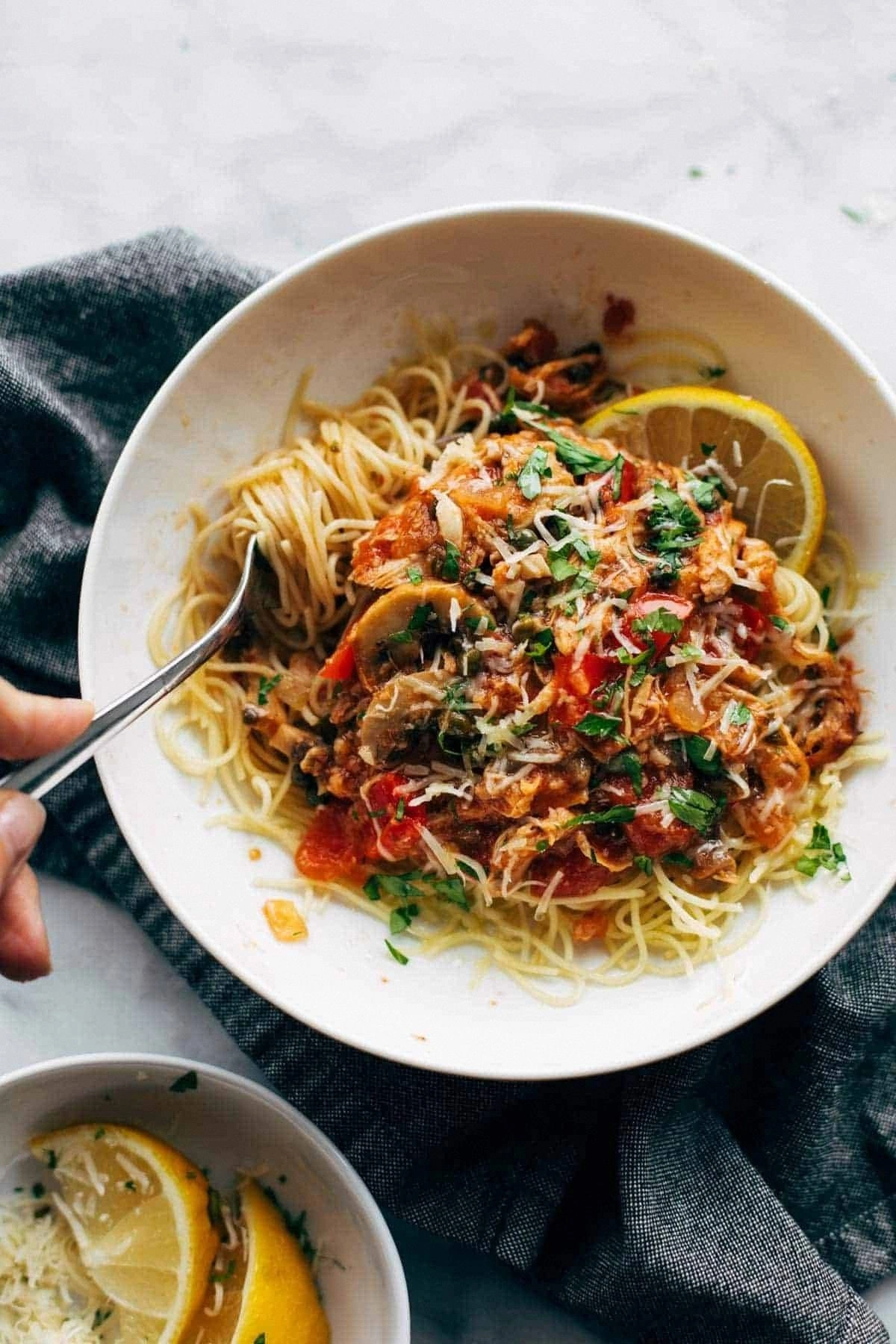
Switch the pot back to “Saute” and let the sauce reduce for an additional 5‑7 minutes if you prefer a thicker consistency. Finish by stirring in 2 tbsp of chopped fresh parsley and a splash (about ¼ cup) of chicken broth if the sauce looks a bit thick. Taste, adjust salt and pepper if needed, and serve over polenta, pasta, or crusty bread. That’s it — you did it. But hold on, I’ve got a few more tricks that’ll take this to another level…
Kitchen Hack: After the final reduction, whisk in a teaspoon of butter for extra richness; it adds a glossy sheen that looks restaurant‑ready.
Insider Tricks for Flawless Results
The Temperature Rule Nobody Follows
Most home cooks set the Instant Pot to “High” without thinking about the actual temperature. For chicken cacciatore, a consistent 250 °F inside the pot ensures the meat stays juicy while the sauce reduces evenly. If you notice the sauce splattering, lower the “Saute” setting to “Medium‑Low” during the final reduction; this prevents scorching and keeps the flavors balanced.
Why Your Nose Knows Best
Never ignore the aroma cues. When the onions turn translucent, you’ll smell a sweet, almost caramel note. When you add the wine, a sharp, almost fruity scent rises—if it doesn’t, the wine is either too old or the pot isn’t hot enough. Trust those nose signals more than the clock; they’re the true indicator of flavor development.
The 5‑Minute Rest That Changes Everything
After pressure cooking, let the dish sit uncovered for five minutes before serving. This rest allows the sauce to thicken naturally and the flavors to meld. I once served it straight out of the pot and the sauce was a little watery; five minutes later it was perfect. A small patience window makes a massive difference.
Seasoning Layers, Not Dumping
Add salt in three stages: a pinch with the onions, a dash with the tomatoes, and a final sprinkle after the reduction. This layered approach prevents over‑salting and ensures each component is seasoned appropriately. A friend tried adding all the salt at once and ended up with a dish that tasted like the sea—lesson learned.
The Secret of Fresh Herbs
Fresh parsley at the end is not just decoration. It adds a bright, slightly peppery note that cuts through the richness of the sauce. If you have basil, add a few torn leaves at the very end for a sweet, anise‑like finish. Kitchen Hack: Rough‑chop herbs with a “rock‑salt” technique—sprinkle a pinch of coarse salt on the cutting board, then chop; the salt acts as an abrasive, releasing more essential oils.
Creative Twists and Variations
This recipe is a playground. Here are some of my favorite ways to switch things up:
Spicy Sausage Swap
Replace the chicken thighs with Italian sausage links (remove the casing if you like). The sausage adds a smoky, robust flavor that pairs beautifully with the tomato base. Use a mild or hot sausage depending on your heat tolerance.
Mediterranean Mediterranean
Add a cup of artichoke hearts and a handful of Kalamata olives during the pressure phase. The briny olives and tender artichokes introduce a salty, tangy dimension that transports you straight to the Greek coast.
Creamy Twist
Stir in ¼ cup of heavy cream after the final reduction for a luscious, velvety sauce. The cream mellows the acidity and creates a luxurious mouthfeel—perfect for serving over buttery gnocchi.
Herb‑Infused Version
Swap the dried oregano and basil for fresh thyme and rosemary (about 1 tsp each, minced). Fresh herbs give a brighter, more aromatic profile and make the dish feel spring‑fresh.
Low‑Carb Power Bowl
Serve the chicken and sauce over cauliflower rice or spiralized zucchini noodles. The sauce clings to the veggie base just as well as pasta, keeping the dish light yet satisfying.
Storing and Bringing It Back to Life
Fridge Storage
Cool the dish to room temperature within two hours, then transfer to an airtight container. It will keep fresh for up to four days. When reheating, add a splash of water or broth and gently warm on “Saute” or in the microwave, stirring occasionally.
Freezer Friendly
Portion the chicken and sauce into freezer‑safe bags or containers. Remove as much air as possible to prevent freezer burn. It freezes beautifully for up to three months. Thaw overnight in the fridge, then reheat using the “Saute” mode for 5‑7 minutes, adding a little broth if needed.
Best Reheating Method
For the ultimate texture, reheat on the stovetop using a wide skillet. Add ¼ cup of water or broth, cover, and let steam for a few minutes. This restores the sauce’s silkiness and prevents the chicken from drying out. Avoid microwaving at high power; it can make the meat rubbery.