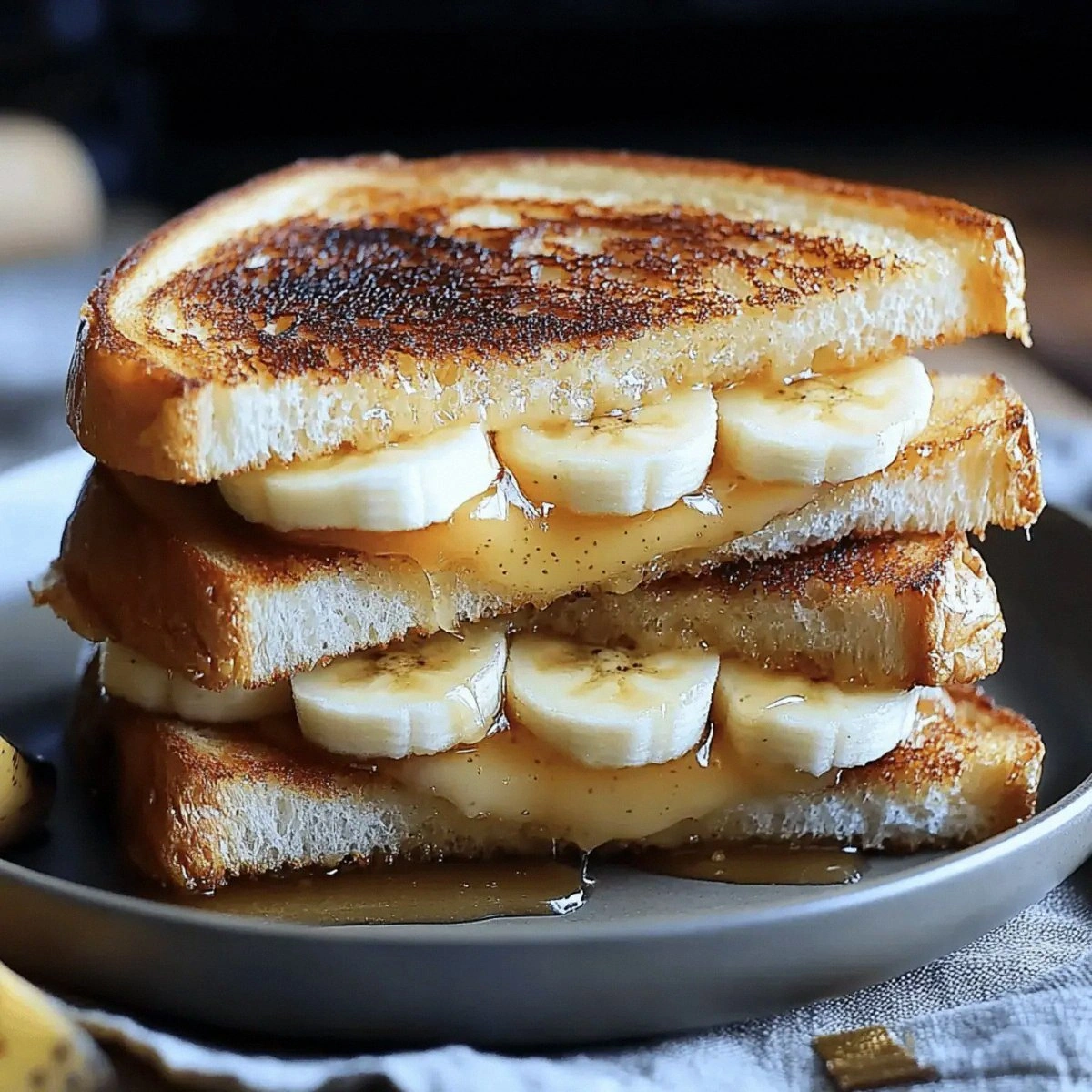
I’ll be honest — I ate half the batch before anyone else got a chance to try it. It all started on a rainy Tuesday when I was desperately trying to salvage a soggy banana that had been sitting on the counter for far too long. I tossed it onto a slice of thick bread, slapped a dollop of mascarpone on top, and slathered honey like I was trying to convince the universe that breakfast could be dessert. The moment the butter hit the pan, a sizzle rose that sounded like applause, and the whole kitchen filled with a buttery‑sweet perfume that made my neighbor’s cat stare at the window, begging to be let in.
Fast forward a few minutes, and I was staring at a golden‑brown masterpiece that was crisp on the outside, creamy in the middle, and draped with a fruit medley that sang louder than any morning alarm. The bananas were caramelized just enough to keep their natural sweetness, the mascarpone added a velvety richness, and the figs and strawberries brought a burst of juicy brightness that made every bite feel like a celebration. I dared myself to take a bite and not go back for seconds – I failed spectacularly, but that’s the point: this sandwich is a magnetic pull you can’t resist.
Most grilled cheese recipes get this completely wrong. They either drown the bread in cheese or forget the sweet‑savory balance that makes a sandwich unforgettable. This version stands out because it treats each component like a soloist in a symphony, letting the honey drizzle act as the conductor that ties everything together. The secret? A quick flash‑sear of the banana in butter before it meets the cheese, plus a finishing splash of balsamic reduction that adds a tangy depth you never saw coming.
I’m about to walk you through every single step — by the end, you’ll wonder how you ever made a grilled cheese any other way. Okay, ready for the game‑changer? This isn’t just a snack; it’s a daily craving you’ll thank yourself for inventing. Let’s dive in and turn your kitchen into a flavor factory.
What Makes This Version Stand Out
- Texture: The crust shatters like thin ice while the interior stays soft and creamy, thanks to the perfect butter‑to‑bread ratio.
- Flavor Harmony: Sweet honey meets tangy balsamic, creating a dance of contrasts that keeps your palate guessing.
- Ingredient Simplicity: Only eight items, all pantry‑friendly, yet each plays a starring role.
- Visual Appeal: The bright reds of strawberries and figs peek through the golden melt, making it Instagram‑ready.
- Crowd Reaction: I dare you to taste this and not go back for seconds – it’s a proven conversation starter.
- Make‑Ahead Potential: You can prep the fruit‑mascarpone spread ahead of time, saving precious morning minutes.
- Cooking Method: Using a cast‑iron skillet ensures even heat distribution, giving you that flawless crunch.
- Health Boost: Mascarpone adds calcium, figs bring fiber, and a drizzle of honey supplies natural energy.
Inside the Ingredient List
The Flavor Base
Mascarpone cheese is the creamy backbone of this sandwich. Its mild, buttery profile lets the honey and fruit shine without overwhelming them. If you skip it, you’ll lose that luxurious mouthfeel and the sandwich will feel flat. A good swap is a thick layer of ricotta mixed with a pinch of sea salt – it mimics the silkiness while adding a subtle tang.
The Sweet Crew
Bananas bring natural sweetness and a soft, melt‑in‑your‑mouth texture once caramelized. The honey acts as a glaze, turning the banana slices into golden ribbons of flavor. If you’re allergic to honey, maple syrup works, but expect a slightly earthier note. Fresh strawberries and figs aren’t just garnish; they add juicy bursts that cut through the richness, balancing the sandwich’s overall profile.
The Unexpected Star
Balsamic reduction is the secret weapon. Its acidity lifts the sweet components, while its syrupy consistency adds a glossy finish. A splash of aged balsamic can turn a good sandwich into an unforgettable one. If you can’t find reduction, simmer regular balsamic vinegar until it thickens – just watch it closely, it can turn bitter in seconds.
The Crunch Factor
Thick bread is the canvas. Choose a rustic sourdough or a hearty country loaf; the denser crumb holds up to the moisture without getting soggy. Avoid ultra‑light sandwich bread – it will crumble under the weight of the fruit and cheese. When buying, look for a loaf with a crunchy crust and a slightly open crumb; that’s the sweet spot for a perfect crunch.
Everything's prepped? Good. Let's get into the real action...
The Method — Step by Step
Start by slicing the banana lengthwise into thin ribbons, about a quarter‑inch thick. Toss the ribbons in a small bowl with one tablespoon of honey, ensuring each piece is lightly coated. This coating will caramelize quickly, giving you those sweet, amber‑colored edges. Heat a non‑stick skillet over medium heat and melt half of the butter; you should hear a gentle sizzle as the butter meets the pan.
Lay the banana ribbons in a single layer, letting them sit undisturbed for 2‑3 minutes. You’ll notice the edges turning a deep gold, releasing a fragrant aroma that smells like a tropical sunrise. Flip the slices once, adding the remaining butter to finish the caramelization. This is the moment of truth – the bananas should be tender but not mushy.
While the bananas are cooking, spread a generous layer of mascarpone on one side of each bread slice. Use a spatula to smooth it out, creating an even blanket that will melt into the bread later. Sprinkle a pinch of sea salt over the mascarpone; it amplifies the sweet flavors and prevents the sandwich from feeling cloying.
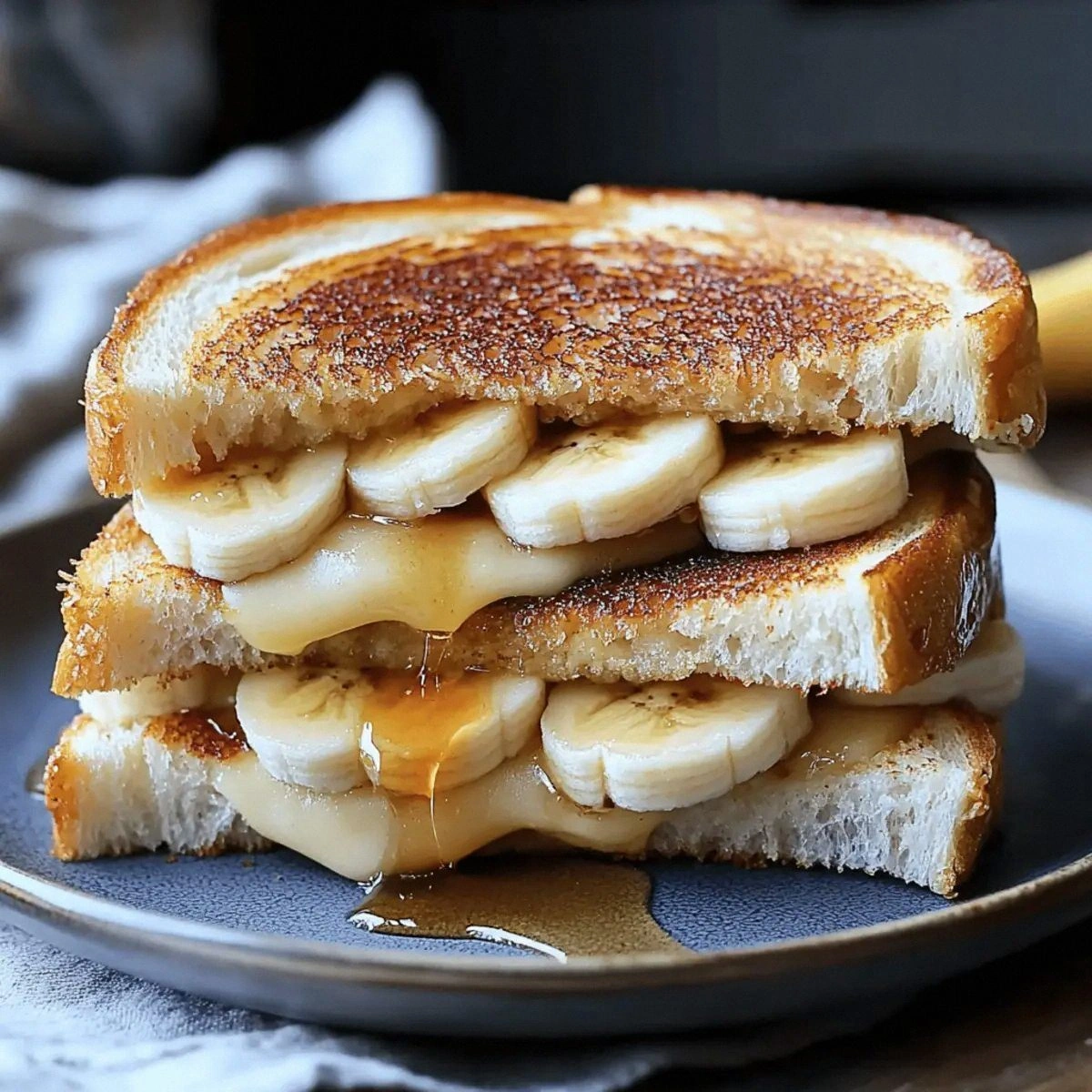
Now assemble the sandwich: place a slice of bread, mascarpone side up, then layer the caramelized bananas, followed by the strawberry slices, and finally the fig halves. Drizzle a thin line of balsamic reduction across the fruit for that bright, tangy contrast. Top with the second slice of bread, mascarpone side down, pressing gently to seal.
Reduce the heat to medium‑low and add a tablespoon of butter to the same skillet. Once melted, carefully place the assembled sandwich into the pan. Press it down with a spatula for about 30 seconds; this encourages an even crust and helps the cheese melt uniformly.
After the first side turns a deep golden brown, flip the sandwich with confidence. Cook the other side for another 2‑3 minutes, watching the edges pull away from the pan – that’s your visual cue that the cheese is fully melted and the bread is perfectly crisp.
Remove the sandwich from the pan and let it rest on a cutting board for one minute. This short rest allows the cheese to set slightly, preventing a gooey mess when you slice. Cut the sandwich diagonally for that classic grilled‑cheese look, and watch the steam rise – that sizzle when it hits the pan? Absolute perfection.
Serve immediately, perhaps with a side of mixed greens drizzled with a light vinaigrette. The contrast of the warm sandwich and the cool salad heightens every bite. And now the fun part – the first bite. Picture yourself pulling this out of the pan, the whole kitchen smelling incredible, and taking that first melt‑in‑your‑mouth bite. That’s the payoff.
That's it — you did it. But hold on, I've got a few more tricks that'll take this to another level...
Insider Tricks for Flawless Results
The Temperature Rule Nobody Follows
Most home cooks crank the heat to high, assuming faster is better. In reality, a steady medium‑low flame gives the bread time to crisp without scorching the butter. I once burned a batch in a rush; the result was a bitter crust that masked the sweet fruit. Keep a close eye on the color – a light amber hue is your green light.
Why Your Nose Knows Best
Your sense of smell is a reliable indicator of doneness. When the butter turns nutty and the banana releases a caramel perfume, you’re about 80% of the way there. If you ever doubt the timing, trust the aroma over the clock. A faint hint of toasted nuts signals that the sandwich is ready to flip.
The 5‑Minute Rest That Changes Everything
Resist the urge to dive in immediately. Letting the sandwich rest for just five minutes lets the cheese settle and the fruit juices redistribute. Skipping this step results in a soggy center and a loss of flavor intensity. It’s a tiny patience test that rewards you with a cleaner bite.
Butter Balance Blueprint
Using too much butter creates a greasy mess; too little leaves the bread dry. The sweet spot is one tablespoon per sandwich, split between the two sides of the pan. This ratio ensures a crisp crust while keeping the interior moist. If you’re cooking multiple sandwiches, add butter gradually to maintain the balance.
Fruit Prep Perfection
Slice strawberries and figs just before assembly to avoid excess moisture seeping into the bread. Pat them gently with a paper towel to remove surface water. This simple step prevents a soggy bottom and keeps the sandwich’s crunch intact. A friend tried pre‑slicing a day ahead and ended up with a soggy disaster – don’t let that be you.
Creative Twists and Variations
This recipe is a playground. Here are some of my favorite ways to switch things up:
Nutty Crunch Delight
Add a thin layer of toasted almond slivers on top of the mascarpone before assembling. The nuts introduce a buttery crunch that complements the figs and adds a subtle earthiness. Perfect for those who love a textural surprise.
Spicy Sweet Fusion
Mix a pinch of cayenne pepper into the honey before coating the bananas. The heat cuts through the sweetness, creating a balanced flavor that wakes up your taste buds. Ideal for a brunch that wants a little kick.
Nut Butter Boost
Spread a thin layer of almond or cashew butter on the bread opposite the mascarpone. This adds depth and a nutty undertone that pairs beautifully with the figs. It also makes the sandwich more filling.
Citrus Zing
Add a light drizzle of orange zest‑infused honey over the fruit before the final drizzle of balsamic reduction. The citrus brightens the overall profile and makes the sandwich feel lighter.
Savory Switch
Replace the strawberries with thinly sliced roasted red peppers and swap the balsamic reduction for a dash of aged sherry vinegar. This turns the dish into a sweet‑savory masterpiece suitable for lunch meetings.
Storing and Bringing It Back to Life
Fridge Storage
Wrap the sandwich tightly in parchment paper, then place it in an airtight container. It will keep fresh for up to 24 hours. When ready to eat, reheat in a skillet over medium heat for 2‑3 minutes per side, adding a tiny splash of water to the pan to create steam and revive the crispness.
Freezer Friendly
Separate the components – keep the fruit‑mascarpone spread in a freezer‑safe bag and the bread slices in a zip‑lock. Freeze for up to two months. To assemble, thaw the spread in the refrigerator overnight, then follow the cooking steps as usual.
Best Reheating Method
The stovetop method wins every time. Heat a non‑stick pan over medium, add a teaspoon of butter, and toast the sandwich until the crust regains its golden crunch. Avoid microwaving; it makes the bread rubbery and the mascarpone soggy.