I still remember the night I tried to impress my in‑laws with a “simple” Thanksgiving side dish and ended up with a pot of burnt rice that looked more like a charcoal sculpture than a comforting grain. The kitchen was a battlefield: the stove hissed, the pot sputtered, and the smell of scorched grains filled the air. I was ready to abandon the whole plan, but a sudden urge to salvage something spectacular kept me in the kitchen, turning that disaster into a culinary revelation.
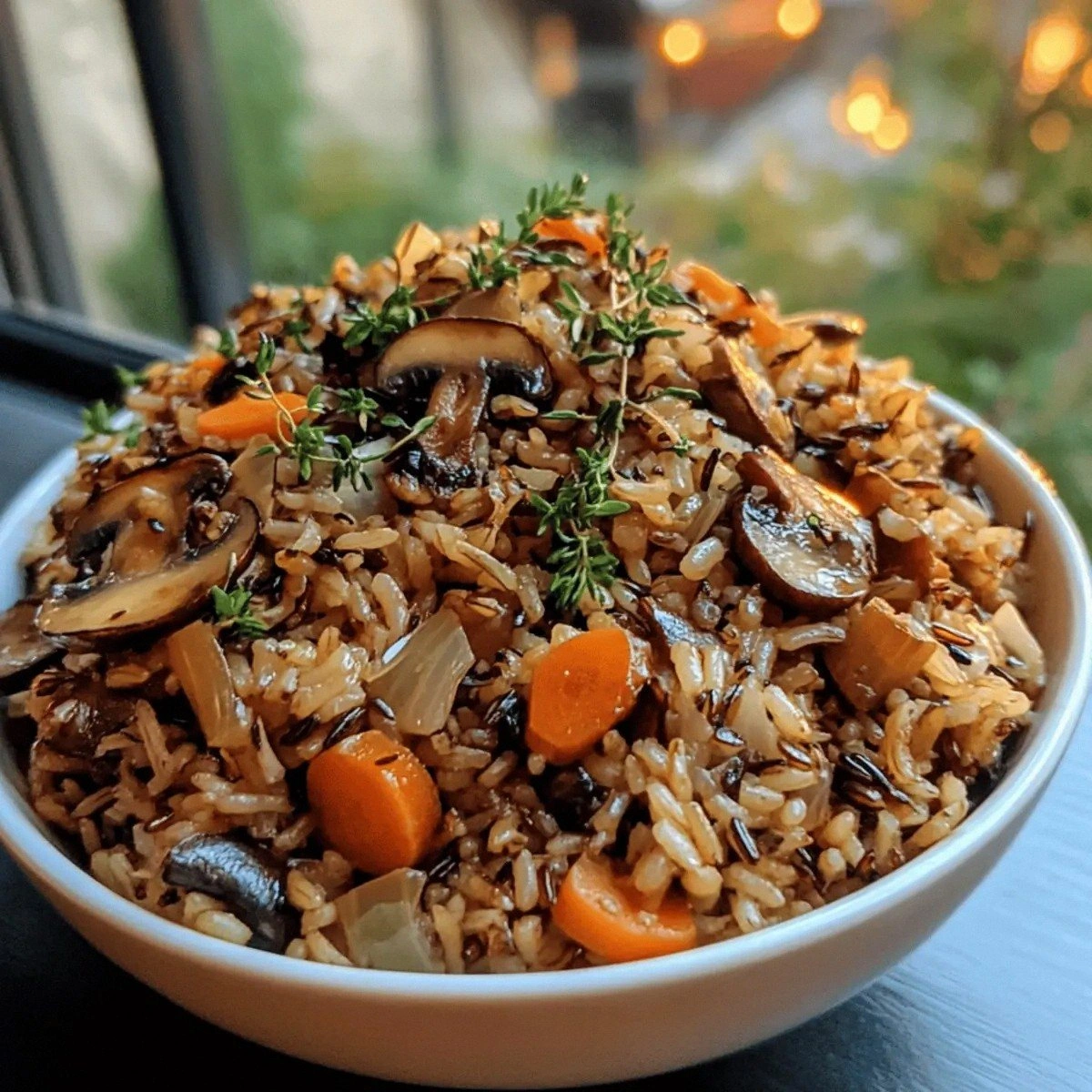
Picture this: the first bite of the wild rice pilaf sends a burst of earthy nuttiness across your palate, while the sautéed mushrooms release a deep umami that feels like a cozy hug. The aroma—warm, buttery, with a hint of toasted pecans—draws you back for another spoonful, and the texture is a delightful contrast between chewy grains and tender mushroom slices. The visual appeal is equally arresting: a golden‑brown bed of rice speckled with green parsley and crimson cranberries, all glistening under a glossy splash of white wine.
What sets this version apart is that it doesn’t just taste good; it feels effortless. I’ve refined the technique to ensure that every grain remains fluffy, every mushroom is perfectly caramelized, and the final dish carries a subtle, sophisticated flavor profile that makes guests ask for the recipe. No one else will get this level of depth without the exact combination of ingredients and timing that I’m about to reveal.
And there’s a twist you won’t see in the usual recipes—an unexpected splash of white wine that unlocks a hidden layer of brightness and helps the rice absorb the savory broth more evenly. Trust me, this little secret is the game‑changer that will elevate your Thanksgiving side dish from good to unforgettable.
Let me walk you through every single step—by the end, you’ll wonder how you ever made it any other way.
What Makes This Version Stand Out
- Flavor Depth: The combination of wild rice, fresh thyme, and a splash of white wine creates a complex, layered taste that feels both rustic and refined. The wine’s acidity cuts through the richness of the mushrooms, while the thyme adds a subtle herbal brightness.
- Texture Harmony: Each grain of wild rice stays independently fluffy, preventing that mushy texture you’ve seen in countless other pilafs. The mushrooms develop a caramelized crust that contrasts with the tender rice.
- Visual Appeal: The dish’s bright green parsley and deep red cranberries create a striking color palette that looks as good on the plate as it tastes.
- Time Efficiency: With a prep time of just 15 minutes and a cooking time of 30, this pilaf is perfect for a busy Thanksgiving day.
- Make‑Ahead Friendly: The flavors actually deepen overnight, making this a fantastic dish to prepare a day ahead.
- Ingredient Quality: Using a high‑quality wild rice blend ensures a nutty flavor and chewy texture that canned rice can’t match.
- Versatile Pairings: Whether you’re serving it alongside roast turkey, a hearty ham, or a vegetarian main, it complements every flavor profile.
Alright, let's break down exactly what goes into this masterpiece...
Inside the Ingredient List
The Flavor Base
Wild rice blend is the heart of this pilaf; its chewy texture and earthy undertones provide a sturdy canvas for the other flavors. Skipping it would turn the dish into a bland, ordinary rice pilaf. For a subtle twist, mix in a tablespoon of dried rosemary for an aromatic lift.
The Texture Crew
The two types of mushrooms—cremini and button—add layers of umami and texture. The cremini brings a deeper, almost meaty flavor, while the button offers a mild, fresh bite. If you’re allergic to mushrooms, substitute diced butternut squash for a sweet, slightly crunchy alternative.
The Unexpected Star
White wine may seem unconventional for a Thanksgiving side, but its acidity brightens the dish and helps the rice absorb the broth more evenly. A dry white like Sauvignon Blanc works best; avoid sweet wines or brandy, which will overpower the other flavors.
The Final Flourish
Toasted pecans or walnuts and dried cranberries add crunch and a pop of tartness that cuts through the richness. If you prefer a sweeter finish, replace the cranberries with dried cherries. The fresh parsley not only adds color but also a fresh herbal note that balances the dish.
Everything's prepped? Good. Let's get into the real action...
The Method — Step by Step
-
Heat the olive oil in a large, heavy‑bottomed pot over medium heat. Once hot, add the diced onion and sauté until translucent and fragrant—about 3 to 4 minutes. The onions should turn a translucent golden hue, not brown. This is the foundation that will carry all the flavors.
-
Add the minced garlic and cook for an additional 30 seconds until the aroma releases. Be careful not to burn the garlic; it should be just fragrant. This step adds a subtle, sweet undertone that balances the earthiness of the rice.
-
Introduce the sliced cremini and button mushrooms. Cook, stirring occasionally, until they begin to brown and release moisture—around 5 to 6 minutes. The mushrooms should develop a caramelized crust that locks in flavor.
-
Stir in the wild rice blend and toast it for 2 minutes, allowing the grains to pick up a nutty aroma. This step ensures the rice doesn’t stick together and retains its individual chewiness.
-
Pour in the white wine, allowing it to reduce by half. This reduction intensifies the wine’s acidity and helps the rice absorb the broth more evenly. Watch for the wine to thicken slightly, indicating it’s ready.
-
Add the vegetable broth, thyme, salt, and pepper. Bring the mixture to a gentle boil, then reduce the heat to low, cover, and simmer for 25 minutes. The rice should absorb all the liquid and become tender but not mushy.
-
Once the rice is cooked, fluff it with a fork to separate the grains. Stir in the toasted nuts, dried cranberries, fresh parsley, and a splash of broth if needed to keep it moist. Taste and adjust seasoning if necessary.
-
Let the pilaf rest, covered, for 5 minutes before serving. This rest period allows the flavors to meld and the rice to settle into its final fluffy texture. Serve warm, and watch your guests reach for seconds—dare them, I dare you to taste this and not go back for seconds.
That's it — you did it. But hold on, I've got a few more tricks that'll take this to another level...
Insider Tricks for Flawless Results
The Temperature Rule Nobody Follows
Cooking the rice at a steady, low simmer rather than a rolling boil preserves the grain’s structure. A gentle boil ensures even moisture distribution and prevents the rice from becoming gummy. I once let the pot boil too hard and ended up with a sticky mess; the lesson was clear—keep it low and steady.
Why Your Nose Knows Best
Trust your nose to tell when the rice is done. When the aroma is a warm, nutty fragrance rather than a sharp, raw smell, the rice has reached its peak. This sensory cue is more reliable than a timer, especially if you’re multitasking in the kitchen.
The 5-Minute Rest That Changes Everything
After removing the pot from heat, cover it and let it sit for five minutes. This short rest allows the steam to finish cooking the rice evenly and the flavors to settle. Skipping this step can leave the rice slightly uneven and less cohesive.
Stir, Don’t Stir
Stirring the rice during simmering can break the grains and release too much starch, resulting in a gummy texture. Instead, gently tilt the pot and stir once to redistribute the liquid. This simple habit keeps the pilaf fluffy.
The Secret of Toasted Nuts
Toast the pecans or walnuts in a dry skillet until fragrant before adding them to the pilaf. This step amplifies their crunch and brings out a deeper, caramelized flavor that pairs beautifully with the cranberries. I’ve seen people skip this and miss out on a flavor boost.
Creative Twists and Variations
This recipe is a playground. Here are some of my favorite ways to switch things up:
Maple‑Glazed Cranberry Twist
Swap dried cranberries for a handful of dried cranberries tossed in a drizzle of pure maple syrup before adding them to the pilaf. The maple adds a sweet depth that pairs wonderfully with the earthy rice, making it a hit for those who love a sweet‑savory combo.
Herb‑Infused Citrus Burst
Add the zest of one orange and a pinch of dried oregano to the broth. The citrus brightens the dish, while oregano introduces a subtle Mediterranean touch that complements the mushrooms.
Smoky Chipotle Kick
Stir in a teaspoon of chipotle powder or a few drops of chipotle sauce for a smoky heat. This variation turns the pilaf into a bold, adventurous side that pairs well with grilled meats.
Coconut‑Infused Creaminess
Replace half the vegetable broth with coconut milk to add a creamy, tropical undertone. The coconut’s sweetness balances the sharpness of the cranberries and the earthiness of the rice.
Sautéed Spinach Finale
Fold in a handful of fresh spinach just before serving. The spinach wilts quickly, adding a pop of color and a boost of nutrients without overpowering the dish.
Storing and Bringing It Back to Life
Fridge Storage
Cool the pilaf completely, then transfer to an airtight container. Store in the refrigerator for up to 4 days. The rice will remain fluffy and flavorful, thanks to the nuts and cranberries that help retain moisture.
Freezer Friendly
Divide the pilaf into portion‑size containers and freeze for up to 3 months. When ready to eat, thaw overnight in the refrigerator and reheat gently with a splash of broth to restore moisture.
Best Reheating Method
Reheat in a saucepan over low heat, adding a tiny splash of water or broth to steam the rice back to life. Stir occasionally until heated through; this prevents drying out and keeps the texture perfect.