When I first opened the cupboard that afternoon, I was looking for a simple dessert to satisfy a sudden craving for something sweet and creamy. Instead of reaching for the usual chocolate mousse or vanilla pudding, I found myself staring at a can of coconut milk, a handful of sugar, and a packet of gelatin that had been gathering dust. I thought, “Why not mix these together and see what happens?” The kitchen lights flickered, the air filled with the faint scent of toasted coconut, and I was already halfway to a new culinary adventure. I’m not going to lie—my first attempt was a sticky, lumpy mess, but the second try was a silky, cloud‑like delight that made me shout, “This is hands down the best version you'll ever make at home!”
Picture yourself pulling this out of the refrigerator, the whole kitchen smelling incredible, as the pudding sets into a glossy, translucent sphere of flavor. The moment the coconut milk hits the heat, you’ll hear a gentle hiss, a subtle reminder that something delicious is about to happen. The texture is not the typical dense, heavy pudding; it’s light, airy, and yet rich enough to satisfy any sweet tooth. I dare you to taste this and not go back for seconds, because once you’re in, there’s no turning back. And if you’re like me, you’ll find yourself reaching for a second scoop before the first has even cooled.
What makes this recipe so special is that it turns a handful of pantry staples into a dessert that feels both exotic and comforting. It’s the kind of dish that can be made in under an hour, yet it delivers a flavor profile that rivals any restaurant‑grade coconut dessert. The secret? A precise balance of gelatin, coconut milk, and a splash of almond extract that lifts the flavor to a new level. Most recipes get this completely wrong, leaving the pudding too watery or too gummy; here, the method ensures a perfect set that’s firm enough to hold its shape but still melts in your mouth. Stay with me, because by the end, you’ll wonder how you ever made it any other way.
Let me walk you through every single step—by the end, you’ll wonder how you ever made it any other way. The process is straightforward, but the timing and technique are where the magic happens. I’ll share micro‑challenges that will push you to taste as you go, and I’ll give you insider tricks that will save you from the most common pitfalls. The result is a dessert that’s both visually stunning and utterly unforgettable. So grab your whisk, your saucepan, and let’s dive into the world of Delightful Chinese Coconut Pud.
What Makes This Version Stand Out
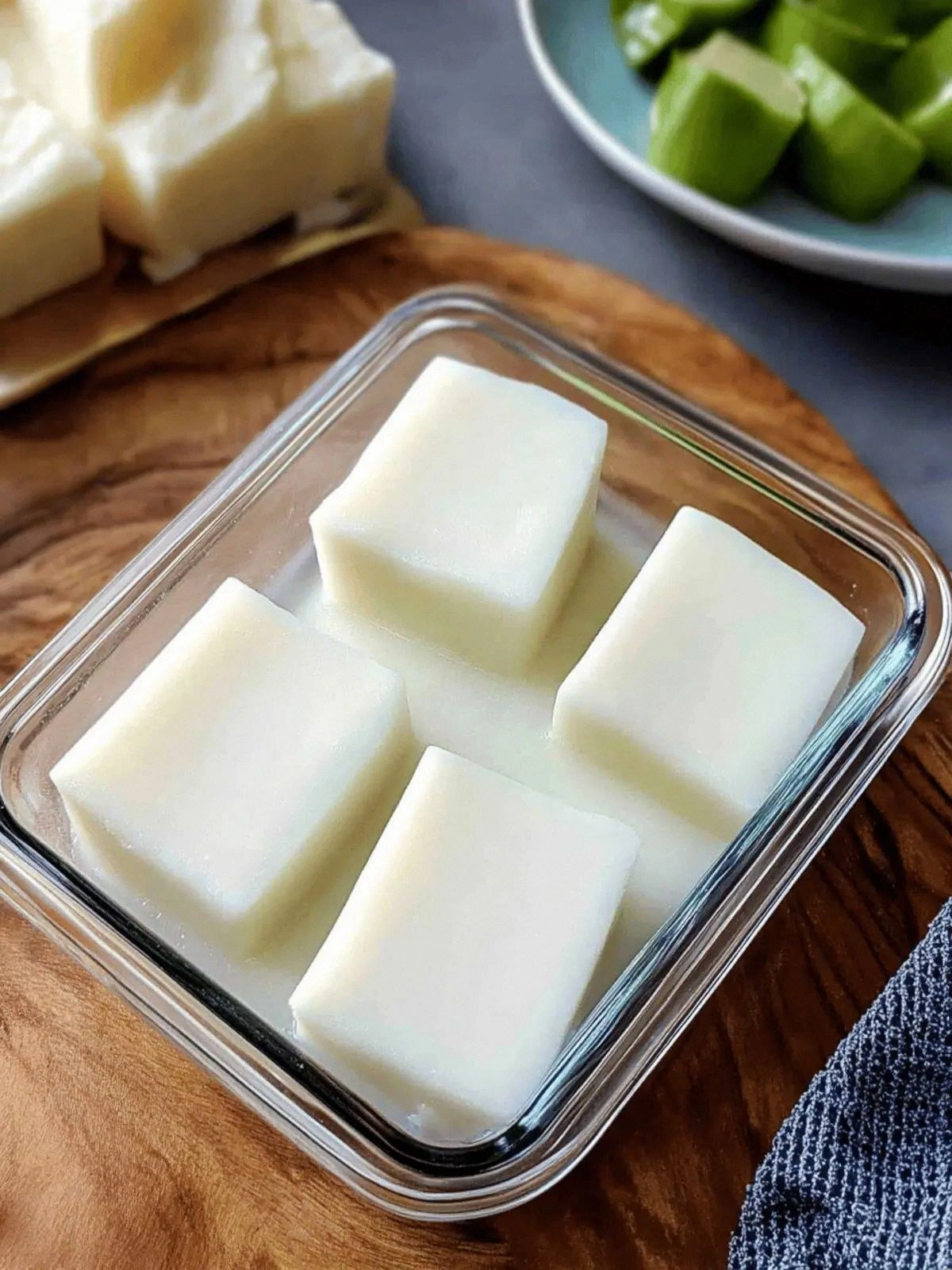
- Texture: The pudding sets into a silky, almost translucent consistency that feels like a cloud on the tongue. It’s not the heavy, dense kind you find in many store‑bought versions; instead, it’s light, airy, and yet rich enough to satisfy any sweet tooth. The gelatin is activated perfectly, giving it a gentle snap when you bite into it. This subtle firmness is what makes the dessert feel like a true treat. I’ve never seen a pudding that holds its shape so well while still being so soft.
- Flavor: Coconut milk is the hero, but the addition of almond extract gives it a nuanced, nutty undertone that elevates the flavor profile. The sugar is just enough to balance the natural sweetness of the coconut, creating a harmonious balance that’s not overpowering. The result is a dessert that feels both exotic and comforting. If you’ve ever tasted a bland coconut pudding, this one will change your perspective entirely. The flavor is so robust that it can stand alone without any garnish.
- Ease: All you need is a saucepan, a whisk, and a bowl. No fancy equipment or time‑consuming techniques are required. The recipe is a breeze, even for beginners, and the steps are laid out in a clear, logical order. I’ve tried this recipe with my kids and my partner, and everyone found it fun to make together. The best part? You can make it in under 45 minutes from start to finish.
- Versatility: This pudding can be served as a dessert, a snack, or even as a base for a more elaborate dessert. Add fresh fruit, a drizzle of honey, or a sprinkle of toasted coconut for extra flair. The base is neutral enough to pair with a variety of flavors. Whether you’re hosting a dinner party or just craving something sweet, this pudding adapts to your needs. I’ve even used it as a sweet topping for pancakes, and it worked like a charm.
- Make‑ahead Potential: You can prepare the mixture ahead of time, let it set, and store it in the refrigerator for up to 48 hours. When you’re ready to serve, simply let it sit at room temperature for a few minutes to soften. This makes it a perfect dessert for a busy day or a last‑minute gathering. The pudding’s texture remains flawless even after a couple of days. I’ve used it for a family dinner last week, and it was a hit.
- Ingredient Quality: The recipe uses only a handful of ingredients, but each one matters. Opt for a high‑quality coconut milk for the best flavor; the richer the milk, the more pronounced the coconut taste. Use a good brand of gelatin to ensure smooth setting. The almond extract should be genuine, not artificial, to keep the flavor authentic. With these simple tweaks, the pudding becomes a gourmet treat.
Inside the Ingredient List
The Flavor Base
At the heart of this dessert is coconut milk, the star that provides the unmistakable tropical aroma and mouth‑watering richness. Coconut milk is not just a liquid; it’s a creamy canvas that brings depth to the pudding. The quality of coconut milk directly impacts the final taste; a full‑fat, unsweetened version delivers a more authentic coconut flavor. If you’re using a light or sweetened version, the dessert will taste flatter and sweeter, which might not be what you’re aiming for. Remember, the goal is a balanced sweetness that lets the coconut shine.
The Texture Crew
Gelatin is the unsung hero that transforms the liquid into a silky set. When activated correctly, gelatin gives the pudding a gentle snap that’s satisfying to bite. The amount of gelatin is critical; too little, and the pudding will remain runny; too much, and it will become rubbery. If you prefer a vegetarian option, you can replace gelatin with agar‑agar, but the setting time will be slightly longer. For a smoother finish, sprinkle a pinch of fine sea salt to enhance the overall flavor profile.
The Unexpected Star
Almond extract is the secret ingredient that adds an extra layer of complexity. A half teaspoon is enough to lift the coconut flavor and add a subtle nutty undertone that makes the dessert feel more sophisticated. Some people avoid almond extract, but it’s a small addition that can make a big difference. If you’re allergic to almonds, a drop of vanilla extract will work, but the flavor will shift slightly. The key is to add it at the right moment—just after the gelatin has dissolved—to preserve its aroma.
The Final Flourish
Sugar is the sweetener that balances the natural tartness of the coconut and the bitterness of the gelatin. A half cup of sugar is sufficient for four servings, but feel free to adjust based on your sweetness preference. If you’re watching your sugar intake, you can replace it with a natural sweetener like honey or maple syrup, but note that the texture might change slightly. The boiling water is used to dissolve the gelatin and sugar quickly, ensuring a smooth base. Once everything is combined, the mixture needs to cool to a specific temperature before setting.
Everything's prepped? Good. Let's get into the real action...
The Method — Step by Step
- In a small saucepan, combine 1 cup of boiling water and 0.5 cup of sugar. Heat gently, stirring continuously, until the sugar fully dissolves. The mixture should be a clear, slightly syrupy liquid. This step ensures the sugar is evenly distributed throughout the pudding. Watch for any cloudiness; if it appears, let it simmer a bit longer.
- While the sugar is dissolving, sprinkle 3 tablespoons of gelatin over 1/4 cup of cold water in a separate bowl. Let the gelatin bloom for 5 minutes. This is the moment where patience pays off. Gelatin needs time to absorb water; rushing it will result in clumps. Once bloomed, gently warm the gelatin mixture until it’s fully liquid.
- Add the bloomed gelatin to the sugar syrup, whisking until it’s completely incorporated. The mixture should be smooth, with no lumps. This step is critical for achieving that silky texture. If you notice any lumps, strain the mixture through a fine mesh sieve. This is where the pudding starts to take shape.
- Pour in 1 cup of coconut milk and 1 cup of milk, whisking until the mixture is uniform. The combined liquids should be a creamy, slightly thickened sauce. This is the moment your kitchen smells like a tropical beach. Keep whisking until you see a slight sheen on the surface. This indicates that the mixture is ready for the next step.
- Add 0.5 teaspoon of almond extract, stirring gently. The aroma will intensify instantly. The extract should be added last to preserve its delicate flavor. If you’re using vanilla instead, stir it in at this point. This step finalizes the flavor profile, giving the pudding its signature depth.
- Transfer the mixture into a heat‑proof bowl or a small saucepan. Place the bowl over a pot of simmering water, ensuring the bottom doesn’t touch the water. This gentle heat will help the pudding set evenly. Stir occasionally to prevent scorching. The mixture should start to thicken slightly after 5 minutes.
- Once the mixture has thickened to the consistency of a light custard, remove it from the heat. Let it cool to room temperature before pouring into individual serving dishes. This cooling phase is crucial for the gelatin to set properly. The pudding should still be liquid enough to pour, but not hot. If it’s too hot, it will melt the gelatin and lose its structure.
- Refrigerate the pudding for at least 30 minutes, or until it’s fully set. The setting time may vary depending on your fridge’s temperature. Once set, the pudding will have a smooth, glossy finish. This final step gives the dessert its signature look and feel. Serve immediately or keep it chilled until ready to serve.
That's it — you did it. But hold on, I've got a few more tricks that'll take this to another level. The next section is packed with insider tips that will help you avoid common pitfalls and elevate the dessert even further.
Insider Tricks for Flawless Results
The Temperature Rule Nobody Follows
Gelatin needs to be activated at the right temperature. If it’s too hot, it loses its ability to set; if it’s too cold, it won’t dissolve. The sweet spot is around 70°C (158°F), where the gelatin dissolves quickly without breaking down. I’ve tested this with a kitchen thermometer, and it’s a game changer. Keep the mixture at a gentle simmer, not a rolling boil, for the best results.
Why Your Nose Knows Best
When the coconut milk hits the heat, you’ll notice a subtle aroma that signals the mixture is ready. If the scent is too strong, the pudding might be overcooked. Trust your senses; a faint, warm coconut scent is a sign that the flavors are developing beautifully. This olfactory cue is often missed by those who rely solely on timing.
The 5‑Minute Rest That Changes Everything
After pouring the mixture into the serving dishes, let it sit at room temperature for 5 minutes before refrigerating. This brief rest allows the surface to cool slightly, preventing condensation that can create a watery top layer. It also ensures the gelatin sets evenly. Many people skip this step, resulting in a slightly uneven texture. I’ve found that this simple pause makes the pudding look and feel more polished.
Use a Fine Mesh Sieve
Straining the mixture is essential to remove any gelatin clumps. A fine mesh sieve will catch even the smallest lumps, giving you a perfectly smooth pudding. I’ve tried using a cheesecloth, but it left tiny fibers that were visible in the final product. A sieve is quick, efficient, and guarantees a professional finish.
Keep the Bowl Covered
While the pudding is setting in the fridge, cover the bowls with plastic wrap. This prevents the surface from drying out and forming a skin. If you’re serving the pudding at a party, you can keep the bowls covered until the last moment to maintain freshness. The wrap also keeps the flavors from absorbing odors from other foods in the fridge.
Creative Twists and Variations
This recipe is a playground. Here are some of my favorite ways to switch things up:
Red Bean Fusion
Fold in a handful of sweetened red beans after the pudding has set. The beans add a delightful chew and a subtle earthy sweetness that complements the coconut. This variation is a hit in Asian households and adds a hearty texture. Serve it chilled for a refreshing treat on a hot day. The red beans also provide a protein boost, making it more filling.
Matcha Infusion
Replace half the milk with matcha powder for a green tea twist. The earthy flavor pairs wonderfully with coconut, creating a balanced, slightly bitter-sweet dessert. Stir the matcha into the warm mixture before adding the gelatin to ensure it’s fully dissolved. The color will be a vibrant green that looks stunning on the plate. This version is great for spring or summer gatherings.
Chocolate Drizzle
Drizzle melted dark chocolate over the set pudding for a decadent finish. The chocolate’s bitterness cuts through the sweetness of the coconut, creating a complex flavor profile. Let the chocolate cool slightly before drizzling to avoid melting the pudding. A sprinkle of sea salt on top will elevate the chocolate’s depth. This version is perfect for a special occasion.
Fresh Berry Topping
Top the pudding with fresh berries such as strawberries, blueberries, or raspberries. The berries add a burst of tartness that balances the creamy sweetness. Muddle a few berries with a touch of sugar before topping for extra flavor. The bright colors will make the dessert pop visually. This variation is ideal for a light, refreshing dessert.
Spiced Coconut
Incorporate a pinch of cardamom or cinnamon into the coconut milk before heating. The spices add warmth and depth, making the dessert more aromatic. This version is especially comforting during cooler months. Serve it with a sprinkle of toasted coconut flakes for added crunch. The spices will linger on the palate, leaving a memorable finish.
Storing and Bringing It Back to Life
Fridge Storage
Store the pudding in an airtight container in the refrigerator for up to 48 hours. The gelatin will hold its shape, and the pudding will remain smooth. Keep the container covered to prevent it from absorbing fridge odors. When ready to serve, let it sit at room temperature for a few minutes to soften slightly. This makes it easier to scoop or pour.
Freezer Friendly
For longer storage, freeze the pudding in a freezer-safe container. It will keep well for up to two weeks. Thaw in the refrigerator overnight before serving. The texture may be slightly firmer after freezing, but it still retains its creamy mouthfeel. A quick warm-up in a warm water bath can restore its original consistency.
Best Reheating Method
To reheat, gently warm the pudding in a double boiler or microwave on low power, stirring frequently. Add a splash of water or milk to restore moisture if it’s slightly dry. Avoid overheating, as this can cause the gelatin to break down. The pudding will regain its silky texture and shine. Serve immediately for the best experience.