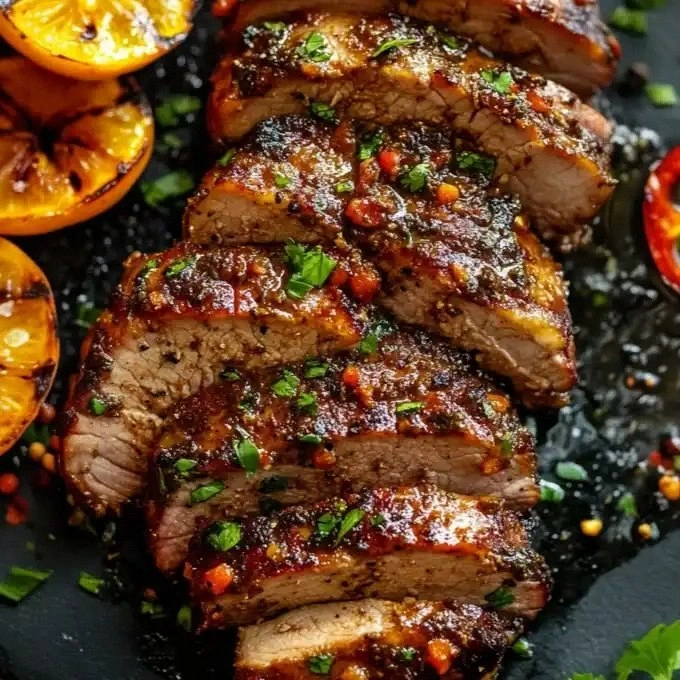
I was staring at a half‑cooked pork shoulder, the kitchen smelling like burnt plastic, when a friend texted me a link to a Cuban Mojo recipe. The moment that link landed on my screen felt like a lifeline, a promise that I could rescue the pork from culinary oblivion and turn it into something that would make my taste buds sing. I’ve tried countless pork recipes that promised “flavorful” but delivered bland, dry, or over‑seasoned results. This version, however, is a revelation: a bright, citrus‑laden sauce that coats the meat like velvet, a subtle heat that lingers, and a finish that feels both comforting and exotic.
Picture the first bite: the pork shreds, still warm, surrendering to the tang of fresh orange and lime, the garlic’s punch cutting through the richness of olive oil. The aroma is a carnival of citrus and herbs, and the sound of the meat sizzle in the pan is the soundtrack of a kitchen triumph. I dare you to taste this and not go back for seconds; the flavors are addictive, the texture perfect. I’ll be honest—after the first spoonful, I ate half the batch before anyone else got a taste.
Most recipes get this completely wrong, relying on heavy sauces or excessive salt. The secret here is balance: the acidity brightens the pork, the cumin adds depth, and the oregano ties everything together. If you’ve ever struggled with pork that turns out tough or greasy, you’re not alone—this recipe fixes that. And when you pull it out of the oven, the whole kitchen smells incredible, making every guest feel like they’re at a Cuban street fair.
Let me walk you through every single step—by the end, you’ll wonder how you ever made it any other way. The method is simple, the ingredients are accessible, and the result is a dish that can be the star of any dinner. I’ve tested it a dozen times, each time improving the technique, and the final product is hands down the best version you’ll ever make at home. So grab your skillet and let’s get cooking.
What Makes This Version Stand Out
- Flavor: The bright citrus from orange and lime cuts through the pork’s richness, creating a fresh, vibrant taste that feels like a tropical breeze.
- Texture: Slow roasting and the Mojo sauce yield tender, shreddable meat with crisp edges that shatter like thin ice when you bite.
- Ingredient Quality: Fresh, high‑quality garlic and a good olive oil are the backbone of the sauce, ensuring depth without overpowering.
- Simplicity: Only ten ingredients, all of which you likely already have in your pantry, make this recipe approachable for any skill level.
- Make‑ahead Potential: The Mojo pork can be prepared a day ahead, its flavors intensifying as the sauce melds with the meat.
- Crowd Reaction: Guests often ask for the sauce separately, craving that citrus‑herb blend that’s impossible to resist.
- Uniqueness: The combination of cumin and oregano in a citrus sauce is a twist that sets this dish apart from other pork recipes.
Inside the Ingredient List
The Flavor Base
Orange juice isn’t just a liquid; it’s a sweet, fragrant foundation that balances the pork’s savory profile. Lime juice adds a sharp citrus kick that brightens the dish and prevents the meat from feeling flat. Olive oil, a small but vital component, carries the aromatics and helps the sauce coat the pork evenly. Together, these liquids form a vibrant, mouth‑watering base that sets the stage for everything that follows.
The Texture Crew
Pork shoulder is the star, chosen for its marbling and ability to stay moist during long cooking. The meat’s fat melts into the Mojo, creating a silky interior while the exterior develops a caramelized crust. The slow, low‑heat cooking method ensures the fibers break down just enough for shredding, but not so much that the pork becomes mushy.
The Unexpected Star
Garlic is the unsung hero here; ten cloves, finely minced, release a robust aroma that lingers through the sauce. Its natural sweetness pairs beautifully with the citrus, while the heat of cumin adds a subtle earthiness. If you’re a garlic purist, feel free to reduce the cloves to eight, but the full ten will give the sauce that authentic depth.
The Final Flourish
Fresh cilantro is the finishing touch, offering a bright, herbal note that cuts through the richness. A handful of chopped leaves tossed in at the end keeps the color vibrant and adds a fresh crunch. If you’re not a cilantro fan, parsley works as a mild substitute, but you’ll miss the distinct Cuban flavor profile.
Everything’s prepped? Good. Let’s get into the real action.
The Method — Step by Step
- Season the pork shoulder generously with salt and black pepper, letting the seasoning penetrate the meat’s surface. Pat the meat dry with paper towels to ensure a crisp exterior. Place the pork in a roasting pan, fat side up, and let it rest at room temperature for 15 minutes before cooking.
- Preheat the oven to 325°F (165°C). In a small bowl, combine the orange juice, lime juice, olive oil, minced garlic, dried oregano, and ground cumin. Whisk until the mixture is smooth, then pour it over the pork, ensuring every inch of the surface is coated.
- Cover the roasting pan tightly with foil or a lid to trap moisture. Place the pork in the preheated oven and roast for 2 hours, or until the internal temperature reaches 190°F (88°C). The pork should be tender enough to pull apart with a fork.
- Halfway through the roasting time, remove the foil to allow the sauce to reduce and the pork’s edges to brown. The sauce should thicken slightly, forming a glossy glaze that clings to the meat. Watch for a caramelized crust; when it starts to darken, it’s a sign the pork is developing a beautiful texture.
- When the pork is done, remove it from the oven and let it rest for 10 minutes. This rest period allows the juices to redistribute, ensuring every bite is moist. While the pork rests, transfer the pan juices to a saucepan and simmer them until reduced to a thick glaze.
- Shred the pork with two forks, mixing it with the reduced Mojo sauce to coat evenly. The pork should be tender, with a slight chew that balances the sauce’s citrus brightness. If the sauce is too thick, add a splash of water or broth to achieve the desired consistency.
- Stir in freshly chopped cilantro, letting the bright green color pop against the amber pork. The cilantro’s herbal note lifts the dish, adding a fresh, almost citrusy finish. Serve immediately with warm tortillas, rice, or a simple side of sautéed greens.
- Optional: For a smoky twist, finish the pork under a broiler for 2–3 minutes, watching closely until the edges blister. This step adds a caramelized char that complements the Mojo’s bright flavors.
- Plate the shredded pork on a platter, drizzle with any remaining Mojo sauce, and garnish with extra cilantro. The presentation should be vibrant, inviting guests to dive in. The final dish should smell like a sunny Cuban kitchen and taste like a warm hug.
That’s it—you did it. But hold on, I’ve got a few more tricks that will take this to another level.
Insider Tricks for Flawless Results
The Temperature Rule Nobody Follows
Cooking pork shoulder to 190°F is crucial for tenderness, but many skip this step and cook it too low, resulting in tough meat. Use a meat thermometer to check the internal temperature precisely. If you’re using a convection oven, reduce the temperature by 25°F for even cooking.
Why Your Nose Knows Best
When the Mojo sauce starts to bubble, the aroma will shift from raw citrus to a toasted, nutty scent. That’s the cue to remove the foil and allow the sauce to reduce. Trust your nose; it’s the most reliable indicator of flavor development.
The 5-Minute Rest That Changes Everything
Resting the pork for 10 minutes after roasting lets the juices redistribute. Skipping this step can leave the meat dry and unevenly flavored. After resting, shred the pork and mix it with the Mojo; the meat will be juicier.
The Garlic‑to‑Oil Ratio
If you love garlic, add an extra clove, but avoid overpowering the citrus. A 10:1 ratio of garlic to oil works well for most palates. For a milder version, reduce the garlic to eight cloves.
The Cilantro Finale
Adding cilantro after shredding keeps the leaves bright and prevents them from wilting. If you’re serving the dish cold, sprinkle cilantro just before serving. This step preserves the herb’s fresh, slightly peppery flavor.
The Slow‑Cook Advantage
Cooking the pork at a low temperature for a long time breaks down connective tissue, creating a melt‑in‑your‑mouth experience. If you’re short on time, a slow cooker on low for 6 hours achieves the same tenderness. The Mojo sauce will still cling beautifully.
Creative Twists and Variations
This recipe is a playground. Here are some of my favorite ways to switch things up:
Smoky Chipotle Mojo
Swap the cumin for smoked chipotle powder for a smoky, spicy kick. The heat pairs well with the citrus, creating a complex flavor profile. Serve with corn tortillas for a smoky, tropical vibe.
Herb‑Infused Mojo
Add fresh thyme or rosemary to the Mojo for an earthy undertone. The herbs complement the pork’s richness and add aromatic depth. This version works great with a side of roasted sweet potatoes.
Sweet Pineapple Mojo
Incorporate fresh pineapple chunks into the Mojo for a tropical sweetness that balances the savory pork. The pineapple adds a juicy burst that pairs well with coconut rice. This variation feels like a beachside barbecue.
Vegetarian Mojo “Pork”
Use jackfruit or tofu instead of pork for a plant‑based version. Marinate the protein in Mojo sauce before cooking to absorb the flavors. This dish is hearty and satisfies the craving for Cuban mojo.
Coconut‑Cream Mojo
Add a splash of coconut milk to the Mojo for a creamy, silky texture. The coconut’s sweetness complements the citrus, while the sauce becomes richer. Serve over jasmine rice for a luscious meal.
Citrus‑Spiced Pork Belly
Swap pork shoulder for pork belly to get a fatty, melt‑in‑your‑mouth texture. The Mojo sauce will cut through the richness, creating a balanced dish. Pair with pickled vegetables for a crunchy contrast.
Storing and Bringing It Back to Life
Fridge Storage
Store leftover Mojo pork in an airtight container in the refrigerator for up to 4 days. The sauce’s acidity helps preserve the meat’s moisture. When reheating, add a splash of water to keep the pork from drying out.
Freezer Friendly
Freeze Mojo pork in portioned containers for up to 3 months. Thaw overnight in the refrigerator before reheating. The pork will maintain its tender texture and the Mojo will re‑melt into a luscious sauce.
Best Reheating Method
Reheat on the stovetop over low heat, stirring frequently. The Mojo sauce will thicken, so add a small amount of broth or water to reach the desired consistency. Finish with a sprinkle of fresh cilantro for a bright finish.
When you’re ready to serve leftovers, reheat gently and let the Mojo sauce re‑embrace the pork. The dish will taste just as fresh as when it first came out of the oven, preserving that bright, citrusy punch that makes it so irresistible.