Picture this: I’m standing in a cramped kitchen, the smell of burnt toast still lingering, and my friend challenges me to turn that disaster into a dish that will have everyone begging for seconds. I stared at the charred crumbs, then laughed, and thought, “Why not make a lasagna that’s creamy, comforting, and a little bit daring?” The result? A white chicken lasagna that feels like a hug in a bowl, yet packs a punch of flavor that will make your taste buds dance.
I’ve spent years hunting the perfect lasagna recipe—some lean too heavy, others too dry, and a few that just don’t sing. This version is a revelation, with a sauce that coats the pasta like velvet, a spinach layer that adds a fresh bite, and a subtle kick of red pepper flakes that wakes up the palate. The texture is silky yet robust, and the crusty buttered bread on the side gives a satisfying crunch that balances the richness. I dare you to taste this and not go back for seconds, because once you’ve had a bite, the idea of a plain lasagna will feel like a betrayal.
What makes this recipe stand out? It’s not just the ingredients, but the way they work together: the roux gives a silky base, the heavy cream turns the sauce into a luxurious blanket, and the fresh spinach adds a pop of color and nutrition. I’ll walk you through each step, sharing the tricks that make this dish shine. By the end, you’ll wonder how you ever made lasagna any other way.
If you’ve ever struggled with a lasagna that turns out soggy or overcooked, you’re not alone. Most recipes get this completely wrong. Here’s what actually works: a careful balance of liquids, a precise timing of layering, and a finishing touch that creates a golden, bubbly crust. Picture yourself pulling this out of the oven, the whole kitchen smelling incredible, and seeing that the edges are crisped just enough to give that satisfying bite. Stay with me, because this next part? Pure magic.
What Makes This Version Stand Out
- Richness: The heavy cream and Parmesan create a sauce that coats every noodle, making each bite creamy without being greasy.
- Texture: The broken lasagna sheets and spinach layers provide a contrast between soft pasta and tender greens, while the crusty buttered bread adds a crunchy element.
- Flavor Depth: A blend of dried herbs, bay leaves, and a touch of red pepper flakes brings complexity and warmth to the dish.
- Ease: The method is streamlined—no need for separate sauce and filling; everything cooks together, saving time and dishes.
- Make‑Ahead: This lasagna can be assembled, refrigerated, and baked the next day, making it perfect for busy weeknights.
- Visual Appeal: The white sauce contrasts beautifully with the green spinach, creating a dish that looks as good as it tastes.
Alright, let's break down exactly what goes into this masterpiece. But first, a quick kitchen hack that will save you time and keep your kitchen tidy.
Inside the Ingredient List
The Flavor Base
Olive oil and butter form the aromatic foundation of this lasagna. The olive oil brings a fruity brightness, while the butter adds a rich, velvety undertone that elevates the sauce. Together, they sauté the onions, carrots, and garlic until they’re soft and fragrant, creating a flavor base that’s both comforting and complex. If you skip this step, the dish will taste flat and lack depth, as the vegetables won’t have a chance to caramelize and develop sweetness.
When sautéing, keep the heat medium-high so the vegetables brown slightly but don’t burn. A well‑done base ensures that the sauce has a smooth, silky texture, because the browned bits dissolve into the roux and become part of the sauce’s flavor profile.
The Texture Crew
The broken lasagna sheets are key to achieving that perfect bite. They’re small, easy to layer, and absorb the sauce beautifully. The heavy cream provides body, while the spinach adds a fresh, earthy note and a pop of color. The grated Parmesan cheese melts into the sauce, creating a slightly gritty texture that contrasts with the smoothness of the cream.
If you prefer a lighter version, swap the heavy cream for half-and-half, but be prepared for a thinner sauce that won’t cling to the noodles as well. The spinach, on the other hand, can be replaced with kale or arugula for a different green hue and flavor profile.
The Unexpected Star
Red pepper flakes are the secret weapon that gives this lasagna a gentle heat. They’re not overpowering; instead, they lift the richness of the cream and add a subtle warmth that makes the dish memorable. If you’re not a fan of spice, you can reduce the amount or omit them entirely. The dish will still be delicious, but it will lack that little kick that makes it stand out.
For a smokier flavor, consider adding a pinch of smoked paprika along with the red pepper flakes. This small tweak transforms the dish from comforting to downright irresistible.
The Final Flourish
Crusty buttered bread is the final touch that brings a satisfying crunch to every bite. The buttered bread is toasted until it’s golden and crisp, then torn into pieces and sprinkled over the top before serving. It’s a simple yet effective way to add texture and make each forkful feel complete.
If you’re watching calories, replace the buttered bread with a thin slice of whole‑grain toast lightly brushed with olive oil. The result will be slightly healthier but still offer that delightful crunch.
Everything’s prepped? Good. Let's get into the real action.
The Method — Step by Step
- Heat the olive oil and butter in a large pot over medium heat until the butter foams. Add the diced onions and carrots, sautéing until they’re translucent and slightly caramelized, about 5–7 minutes. This is the moment where the kitchen smells like a cozy Sunday afternoon, and you can hear the sizzle that signals flavor development.
- Stir in the minced garlic, dried parsley, basil, oregano, thyme, and bay leaves. Cook for 1 minute until the herbs release their aromas. The mixture should smell toasty and fragrant, a sign that the base is ready for the next step.
- Pour in the chicken broth and water, then whisk in the flour to create a roux. Stir continuously for 2 minutes until the mixture thickens and turns a light golden color. This roux is the backbone of the sauce, giving it body and a silky finish.
- Reduce the heat to low and slowly stir in the heavy cream, ensuring the sauce remains smooth. Add the chopped spinach, cooked chicken, and grated Parmesan. Let the mixture simmer for 5 minutes, allowing the spinach to wilt and the flavors to meld.
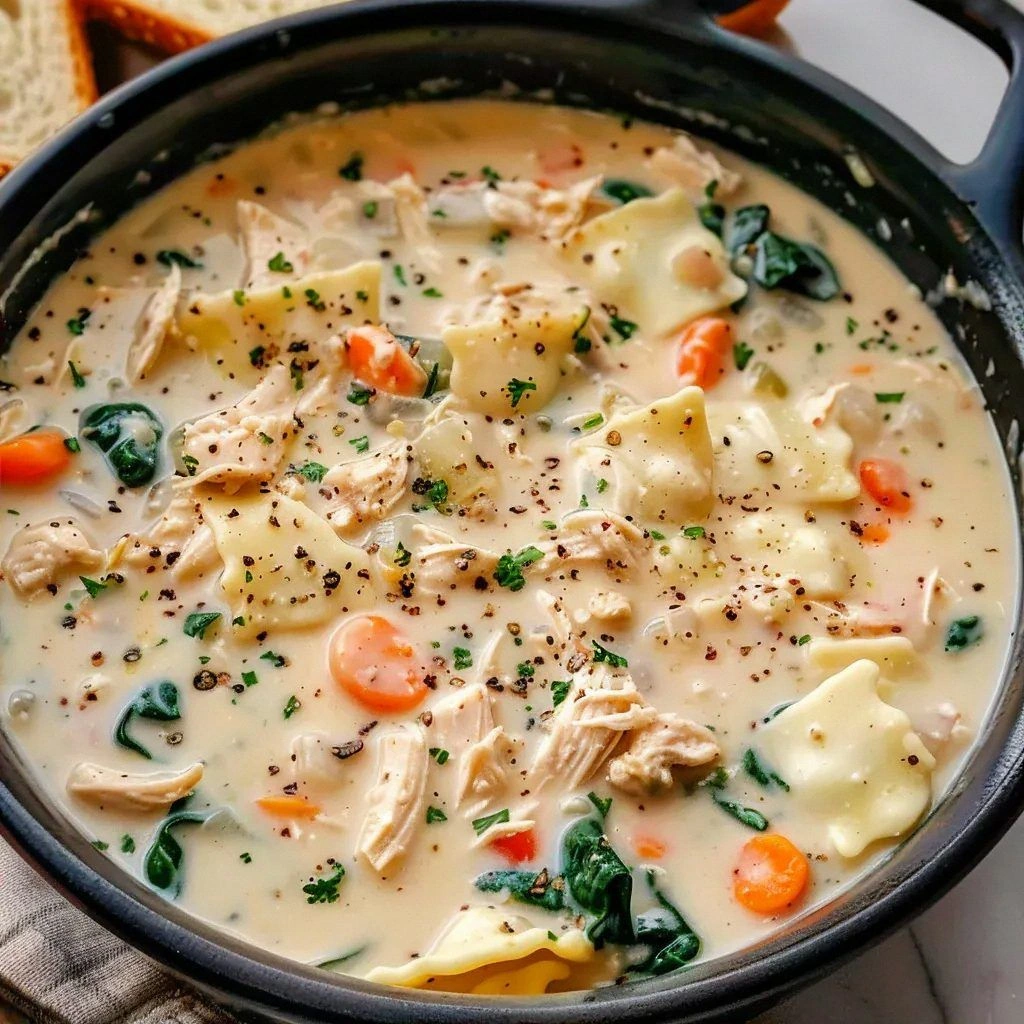
- Add the broken lasagna sheets to the pot, gently folding them into the sauce. The pasta will absorb the sauce and soften. Stir in the red pepper flakes, adjusting the amount to your spice preference. The sauce should coat the noodles like velvet.
- Transfer the entire mixture to a large baking dish, spreading it evenly. Sprinkle the top with more Parmesan and a few cracked peppercorns for an extra layer of flavor. The edges should start pulling away slightly, indicating that the dish is ready for the oven.
- Bake in a preheated 375°F (190°C) oven for 20–25 minutes, or until the top is golden brown and bubbling. The sound of bubbling sauce is a clear sign that the lasagna is cooked to perfection.
- Let the lasagna rest for 10 minutes before serving. This allows the layers to set, making it easier to cut and ensuring every bite is creamy and cohesive. Serve with crusty buttered bread on the side for that final crunch.
That's it — you did it. But hold on, I've got a few more tricks that'll take this to another level.
Insider Tricks for Flawless Results
The Temperature Rule Nobody Follows
Many chefs believe that a higher oven temperature is always better, but for lasagna, a moderate 375°F (190°C) is ideal. This temperature ensures the cheese melts evenly and the sauce doesn’t burn while allowing the noodles to cook through. I once baked at 425°F and the top charred before the interior was fully cooked, resulting in a dry center.
Why Your Nose Knows Best
Trust your nose when cooking. If the sauce smells slightly nutty or has a faint caramel aroma, it’s ready. If it still smells raw, give it a few more minutes. I’ve found that a well‑cooked sauce has a comforting scent that instantly signals that the dish is near perfection.
The 5-Minute Rest That Changes Everything
Letting the lasagna rest for 5–10 minutes after baking is essential. During this time, the sauce thickens, the noodles settle, and the flavors meld. Cutting right away often results in a runny mess. A quick rest also allows the crusty bread to absorb any residual moisture, keeping it crunchy.
Layering Like a Pro
When adding the lasagna sheets, spread them evenly and avoid overcrowding. If you pile them too high, the sauce may not penetrate, leaving the top layers dry. Use a spoon or spatula to gently press the sheets into the sauce for even distribution.
Finishing Touches
A final sprinkle of fresh herbs like parsley or basil just before serving adds a burst of color and freshness. If you’re feeling adventurous, drizzle a little truffle oil over the top for an earthy, luxurious finish.
Creative Twists and Variations
This recipe is a playground. Here are some of my favorite ways to switch things up:
Mediterranean Spin
Swap the spinach for sun‑dried tomatoes and olives. Add a splash of white wine to the sauce for a deeper flavor. The result is a bright, tangy lasagna that’s perfect for summer gatherings.
Cheesy Mushroom Boost
Sauté sliced mushrooms with garlic before adding them to the sauce. Replace half of the Parmesan with Gruyère for a nutty, melt‑in‑your-mouth experience. This variation turns the dish into a comforting, earthy delight.
Herb Garden
Incorporate fresh basil, thyme, and rosemary into the sauce. Finish with a drizzle of pesto on top. The herbaceous notes elevate the dish into a fragrant, aromatic masterpiece.
Low‑Carb Edition
Use zucchini noodles instead of lasagna sheets. Keep the rest of the recipe the same, but reduce the cream slightly to maintain a lighter texture. This version is great for those watching their carb intake.
Spicy Mexican Twist
Add a diced jalapeño and a teaspoon of cumin to the sauce. Sprinkle shredded cheddar cheese on top before baking. The result is a lasagna with a bold, smoky flavor that’s sure to impress.
Vegan Version
Replace the heavy cream with coconut milk and use a plant‑based Parmesan alternative. Substitute the chicken with cooked chickpeas or tofu. The dish remains creamy and satisfying, yet it’s completely plant‑based.
Storing and Bringing It Back to Life
Fridge Storage
Store leftovers in an airtight container for up to 3 days. Reheat in the oven at 350°F (175°C) for 15 minutes or until heated through. The sauce will remain creamy, and the noodles will retain their softness.
Freezer Friendly
Wrap the lasagna tightly in plastic wrap and place it in a freezer bag. Freeze for up to 2 months. Thaw overnight in the refrigerator before reheating as directed above. The texture stays close to fresh, and the flavor stays rich.
Best Reheating Method
Add a splash of water or broth before reheating to prevent the sauce from drying out. Cover the dish with foil to keep moisture in, and bake at 350°F (175°C) until hot. The result is a lasagna that tastes almost brand‑new.