I’m going to be blunt: if you’ve ever tried a coconut‑chicken rice bowl that tasted like a bland, watery mystery, you’ve been missing the point. I once dared a friend to a “no‑spice‑allowed” challenge, and the result was a sad, soggy heap that barely whispered “coconut.” That disaster sparked a midnight experiment that turned into the most addictive, creamy masterpiece you’ll ever spoon‑lift. Imagine a sauce so silky it slides over jasmine rice like a silk scarf gliding over a marble countertop, while the chicken pieces are kissed with smoky paprika and oregano, creating a flavor fireworks show in your mouth.
Picture the kitchen: the sizzle of chicken hitting a hot pan, the aromatic perfume of garlic and ginger rising like a tropical breeze, and the faint hiss of coconut milk as it merges with the broth, turning a simple skillet into a miniature rainforest. The air is thick with anticipation, the kind that makes you check the clock only to realize you’ve lost track of time because you’re too busy inhaling the deliciousness. Your senses are on high alert – the bright green cilantro waiting to be shredded, the glossy sheen of extra coconut milk drizzling like liquid gold, and the warm, comforting steam that rises from the bowl, promising a hug for your palate.
What makes this version the ultimate? Most recipes either drown the chicken in a swamp of coconut or forget the crucial spice layer that gives depth. I’ve cracked the code by balancing the coconut’s natural sweetness with smoked paprika’s earthiness, oregano’s herbaceous lift, and a splash of chicken broth that keeps everything from turning cloyingly thick. The secret weapon? Fresh grated ginger, added at the perfect moment to brighten the sauce without overwhelming it. This isn’t just a dinner; it’s a culinary love letter that says, “I care enough to get the details right.”
I dare you to taste this and not go back for seconds. This is hands down the best version you’ll ever make at home, and I’ll be honest — I ate half the batch before anyone else got a chance to try it. If you’ve ever struggled with a watery coconut sauce or a bland chicken, you’re not alone — and I’ve got the fix. Okay, ready for the game‑changer? Let me walk you through every single step — by the end, you’ll wonder how you ever made it any other way.
What Makes This Version Stand Out
- Flavor Depth: The combo of smoked paprika, oregano, and fresh ginger creates a layered taste that evolves with each bite, unlike the one‑dimensional coconut sauces you see elsewhere.
- Creamy Texture: Light coconut milk provides a velvety coat that clings to the chicken and rice without turning greasy, delivering a mouthfeel that’s smooth as satin.
- Simplicity: Only twelve ingredients, most of which you probably already have in your pantry, making it a weeknight hero without a grocery‑store marathon.
- Unique Twist: A splash of tomato paste adds a subtle umami depth, a trick most cooks overlook, turning the sauce from “coconut‑y” to “coconut‑savory.”
- Crowd Reaction: Kids love the creamy sauce, adults appreciate the spice balance; it’s a proven crowd‑pleaser that turns dinner into a celebration.
- Ingredient Quality: Using light coconut milk keeps the calories in check while still delivering that luxurious mouthfeel.
- Cooking Method: One‑pan technique reduces cleanup, and searing the chicken first builds a caramelized crust that locks in juices.
- Make‑Ahead Potential: The sauce stores beautifully, so you can prep it ahead of time and simply reheat when you’re ready to serve.
Inside the Ingredient List
The Flavor Base
The backbone of this bowl is the aromatic trio: onion, garlic, and fresh grated ginger. The half‑onion provides a subtle sweetness that mellows the heat from the garlic, while the ginger adds a bright, peppery zing that cuts through the richness of the coconut milk. If you skip the ginger, you’ll lose that spark that keeps the sauce from feeling flat, and the dish will lean too heavily on the coconut’s natural sweetness. A good swap for onion could be a finely diced shallot, which adds a milder, more delicate flavor without the sharp bite.
The Texture Crew
Chicken breast, when diced and seared, develops a caramelized crust that gives each bite a satisfying chew. The 1 ½ lb of chicken is enough to feed a family of four with generous portions, and the diced size ensures the sauce coats every piece evenly. If you’re a fan of dark meat, you can substitute thigh meat; it stays juicier but will change the texture slightly, making it a bit more tender.
The Unexpected Star
Canned light coconut milk is the unsung hero here. Its lower fat content keeps the sauce from becoming a heavy blanket, while still delivering that luscious creaminess you crave. The 1 ¼ cup measurement is precise – too little and the sauce will be thin, too much and it becomes cloying. If you’re allergic to coconut, a good alternative is almond milk thinned with a splash of cream, though you’ll lose some of the tropical authenticity.
The Final Flourish
Fresh cilantro isn’t just a garnish; its citrusy notes lift the entire dish, balancing the richness of the sauce. A handful of chopped cilantro added just before serving provides a pop of color and a burst of freshness that makes the bowl feel lighter. If cilantro isn’t your thing, flat‑leaf parsley works as a milder alternative, though you’ll miss the characteristic citrus punch.
Everything's prepped? Good. Let’s get into the real action…
The Method — Step by Step
Start by patting the diced chicken dry with paper towels; moisture is the enemy of a good sear. Toss the chicken with 1 tsp kosher salt, 1 tsp smoked paprika, and 1 tsp dried oregano, ensuring every piece is evenly coated. Heat a large skillet over medium‑high heat, add a drizzle of oil, and let it shimmer before laying the chicken in a single layer. You’ll hear a confident sizzle that says, “We’re about to build flavor,” and the edges should start pulling away after about 2‑3 minutes. That sizzle when it hits the pan? Absolute perfection.
Once the chicken is golden on all sides (about 5‑6 minutes total), remove it to a plate and set aside – this is your flavor foundation.
While the pan still holds the residual oil, lower the heat to medium and add the diced half‑onion, letting it soften for about 2 minutes.Kitchen Hack: Deglaze the pan with a splash of chicken broth right after removing the chicken; the browned bits (fond) will dissolve and add depth to the sauce.Stir in the minced garlic and grated ginger, cooking for another minute until fragrant. You’ll notice the aroma shift from sweet onion to a more complex, almost citrusy scent – that’s the ginger doing its magic. Keep the mixture moving to prevent the garlic from burning, which would add bitterness. This is the moment where the sauce starts to build its personality, so stay attentive.
Now, pour in the ¼ cup chicken broth, scraping the bottom of the pan to lift any caramelized bits. Let the broth bubble for about 30 seconds, then return the seared chicken to the skillet, nestling it among the aromatics. The broth will start to reduce, concentrating the flavors and creating a thin glaze that clings to each piece of chicken.
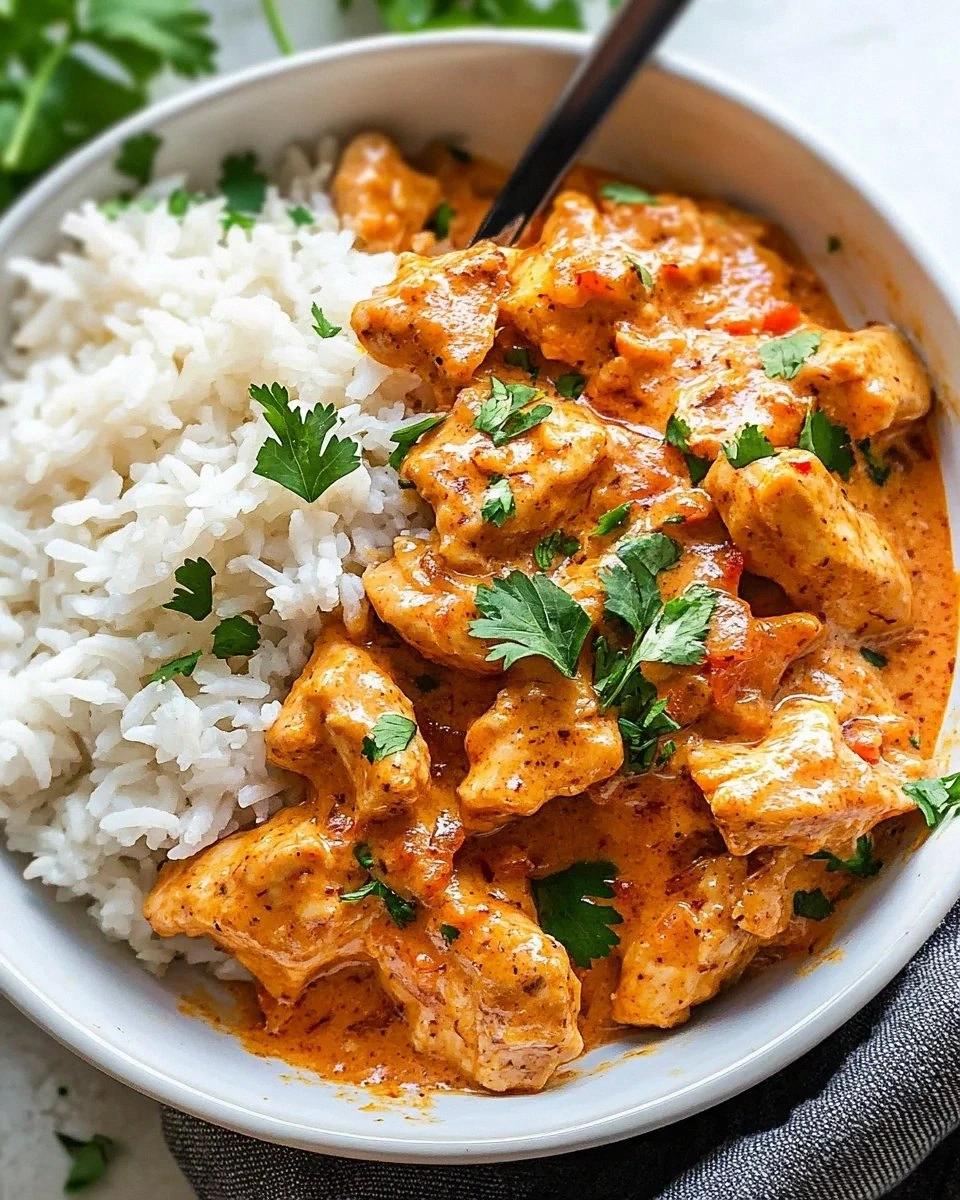
Time for the star of the show: add 1 ¼ cup light coconut milk and 1 tbsp tomato paste. Stir vigorously to blend the tomato paste into the coconut, creating a rich, amber‑colored sauce that looks like a tropical sunset in a pan. Bring the mixture to a gentle simmer, then lower the heat to maintain a low bubble – this prevents the coconut milk from separating.
Let it cook for 5‑7 minutes, allowing the flavors to meld and the sauce to thicken slightly.Watch Out: If the heat is too high, coconut milk can curdle, turning the sauce grainy. Keep it at a low simmer.Taste the sauce and add the remaining ½ tsp kosher salt if needed; remember, the chicken was already seasoned, so you’ll likely need just a pinch. If you prefer a hint of heat, now’s the time to sprinkle in a pinch of red pepper flakes. The sauce should feel silky, coat the back of a spoon, and emit a fragrant aroma that makes your kitchen smell like a beachside bistro.
While the sauce simmers, bring a pot of water to a boil, add a pinch of salt, and cook 3 cups of jasmine or basmati rice according to package instructions. Fluff the rice with a fork once cooked, and keep it covered to stay warm. The rice’s fragrant, slightly nutty base will soak up the sauce, turning each grain into a tiny flavor bomb.
To assemble, spoon a generous mound of rice into each bowl, ladle the creamy coconut chicken sauce over the top, and sprinkle chopped fresh cilantro. For an extra glossy finish, drizzle a little optional coconut milk in a thin stream – it adds a glossy sheen and a final burst of coconut aroma. Serve immediately, and watch as your family dives in, eyes widening at the vibrant colors and steam rising from the bowl.
That’s it — you did it. But hold on, I’ve got a few more tricks that’ll take this to another level, because why settle for good when you can be unforgettable?
Insider Tricks for Flawless Results
The Temperature Rule Nobody Follows
Never cook the coconut milk on high heat. Start low, then gradually raise the temperature as the sauce begins to thicken. This gentle approach prevents the milk from separating and keeps the texture velvety. A friend once tried to rush the process on high flame and ended up with a curdled mess — lesson learned.
Why Your Nose Knows Best
Your nose is a more reliable indicator than a timer when the sauce is ready. When the aroma shifts from raw coconut to a deep, caramel‑nutty scent, you know the flavors have married. Trust that sensory cue; it’s the secret that separates a good dish from a great one.
The 5‑Minute Rest That Changes Everything
After simmering, remove the pan from heat and let the sauce sit, covered, for five minutes. This rest allows the starches in the coconut milk to fully hydrate, giving the sauce a silkier finish. Skipping this step often results in a sauce that feels a touch thin on the palate.
Rice Warm‑Up Hack
If you’re preparing the rice ahead of time, reheat it in a microwave with a tablespoon of water and a quick stir. The steam created revives the fluffy texture, preventing the grains from sticking together. It’s a tiny step that makes a massive difference in the final mouthfeel.
Cilantro Timing Trick
Add cilantro at the very last moment, right before serving. The herb’s bright flavor fades quickly when exposed to heat, so this timing preserves its fresh pop. If you love the herb, you can even sprinkle a little extra on top for an added burst of green.
Creative Twists and Variations
This recipe is a playground. Here are some of my favorite ways to switch things up:
Spicy Mango Madness
Dice a ripe mango and toss it in at the end for a sweet‑heat contrast. The mango’s acidity cuts through the richness, while a pinch of chili flakes adds a gentle burn. Perfect for those who love tropical flair with a kick.
Green Curry Fusion
Swap the smoked paprika for 1 tbsp green curry paste, and add a handful of sliced Thai basil. The result is a fragrant, herbaceous bowl that transports you straight to a Bangkok street market.
Nutty Crunch
Toast a handful of sliced almonds or cashews and sprinkle them over the finished bowl. The crunchy texture contrasts the silky sauce, adding a surprising bite that elevates the dish.
Vegan Swap
Replace chicken with firm tofu cubes, pressed and seared the same way. Use vegetable broth instead of chicken broth, and you’ve got a plant‑based version that still delivers the creamy coconut punch.
Smoky Bacon Boost
Crumble a few strips of cooked bacon on top for a smoky, salty crunch. The bacon’s fat melds with the coconut milk, creating a richer, indulgent experience.
Storing and Bringing It Back to Life
Fridge Storage
Cool the sauce to room temperature, then transfer it to an airtight container. It will keep for up to 4 days in the refrigerator. Reheat gently over low heat, stirring frequently, and add a splash of water or broth to restore its silky consistency.
Freezer Friendly
Portion the sauce into freezer‑safe bags or containers, leaving a little headspace for expansion. It freezes well for up to 3 months. Thaw overnight in the fridge, then reheat on the stove, again adding a tiny splash of water to bring back that glossy sheen.
Best Reheating Method
When reheating, use a skillet over medium‑low heat, stirring constantly. If the sauce looks thick, drizzle in a tablespoon of water or extra coconut milk and whisk until smooth. This technique revives the original texture without overcooking the chicken.