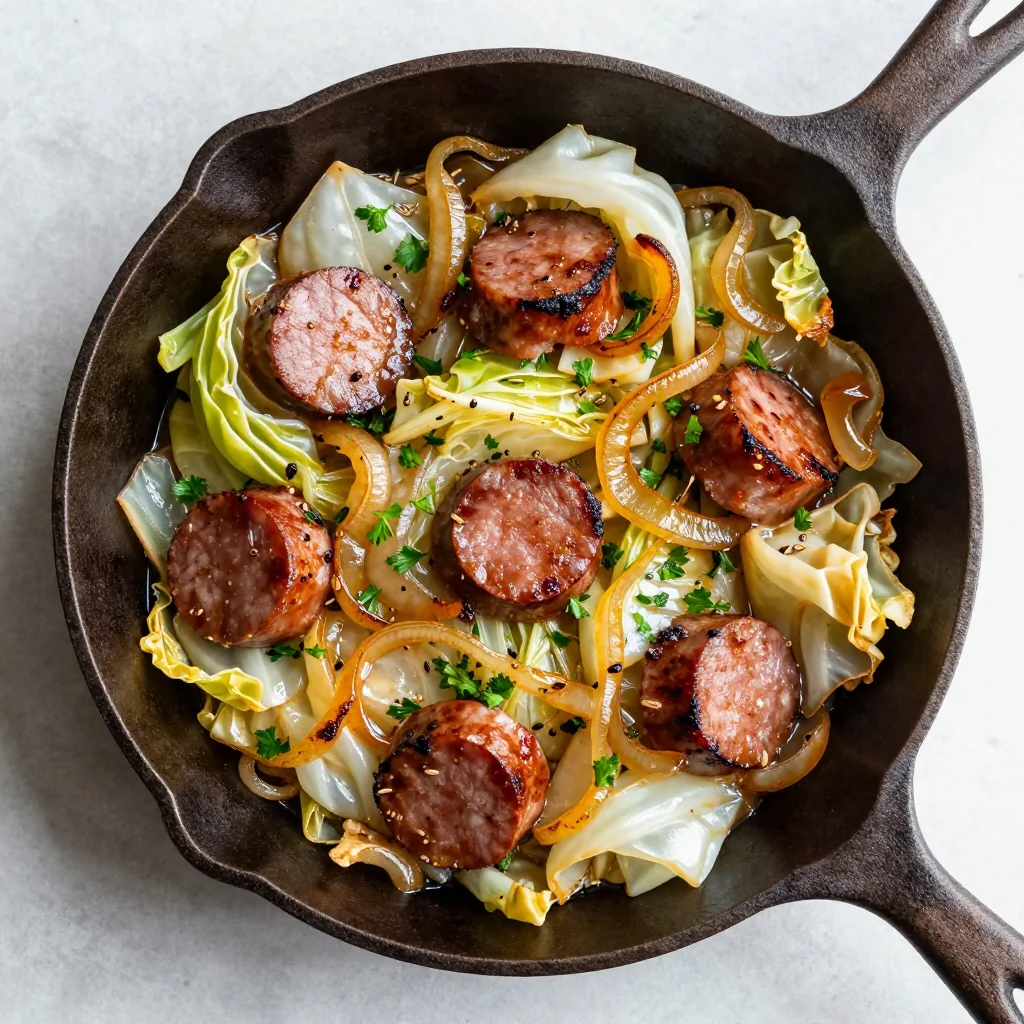
Okay, picture this: I was halfway through a frantic weekday dinner, the kind where the pantry looks like a barren wasteland and my cravings were screaming louder than a toddler at bedtime. I grabbed a bag of couscous, a couple of limes, and a handful of basil, hoping for a miracle. The first attempt was a soggy, flavor‑less mess that tasted like watered‑down rug‑cleaner. I dared myself to keep tweaking, because I know you’ve probably done the same—ended up with a half‑cooked grain that could double as a paperweight.
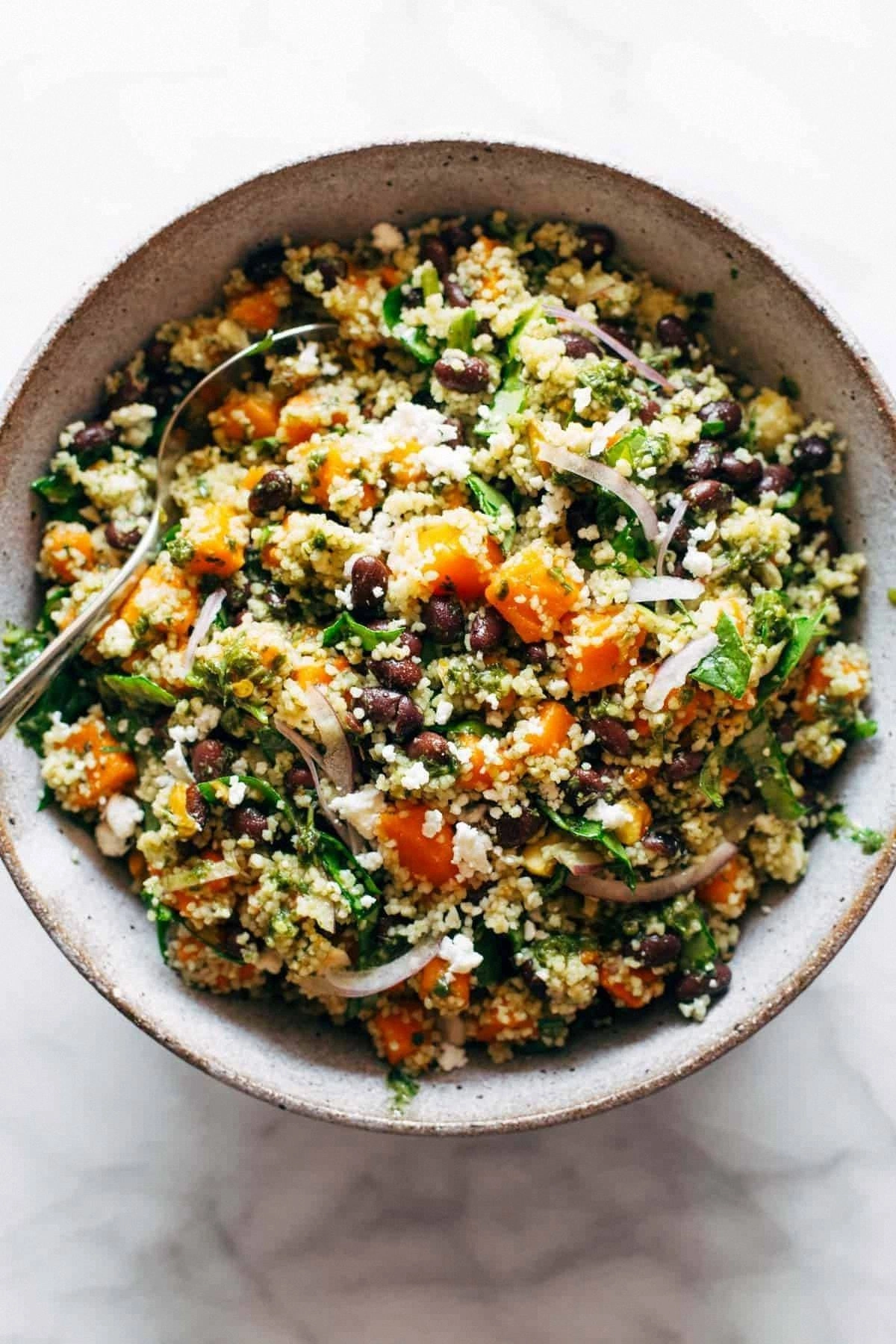
Fast forward a few frantic experiments, a splash of lime juice, a whisper of fresh basil, and a drizzle of olive oil later, I finally nailed a salad that sings like a summer chorus. The couscous is fluffy, each grain separate yet hugging the bright citrus‑basil vinaigrette like a lover’s embrace. The crunch of cucumber and the burst of cherry tomatoes add texture that makes every bite feel like you’re chewing on a garden fresh after a rainstorm.
Why does this version stand out? Most recipes treat couscous like a bland background actor, letting it drown in heavy dressings or soggy veggies. Not this one. I’m talking about a balanced, zesty, herb‑forward flavor profile that dances on your tongue without overwhelming it. The secret? A quick steam‑fluff technique that locks in moisture, plus a lime‑basil vinaigrette that coats each grain like velvet, delivering a punch of brightness that wakes up your palate.
I’m about to spill the beans (and the pine nuts) on the one technique that transforms ordinary couscous into a star‑studded side dish—don’t even think about skipping it. Let me walk you through every single step — by the end, you’ll wonder how you ever made it any other way.
What Makes This Version Stand Out
- Taste: The lime‑basil vinaigrette delivers a citrus zing that cuts through the richness of olive oil, creating a harmonious balance that feels both fresh and indulgent.
- Texture: Fluffy couscous meets crisp cucumber and juicy tomatoes, giving you a mouthfeel that’s as satisfying as a well‑tuned drumbeat.
- Simplicity: Fewer than ten ingredients, all pantry‑friendly, yet the result feels like it took hours of chef‑level prep.
- Uniqueness: The combination of fresh basil with lime is rarely paired with couscous, turning a humble grain into a vibrant, herbaceous masterpiece.
- Crowd Reaction: I dare you to taste this and not go back for seconds; even the pickiest eaters have been converted.
- Ingredient Quality: Using high‑quality extra‑virgin olive oil and freshly squeezed lime juice makes the difference between “good” and “wow‑factor”.
- Cooking Method: A quick steam‑fluff technique that prevents clumping, ensuring each grain stays light and airy.
- Make‑Ahead Potential: This salad improves after a short rest, allowing flavors to meld—perfect for meal‑prep warriors.
Inside the Ingredient List
The Flavor Base
The lime‑basil vinaigrette is the heart of this salad. Fresh lime juice provides a clean acidity that lifts the earthy couscous, while chopped basil adds an herbal perfume that lingers on the palate. If you skip the lime, you’ll end up with a bland, one‑dimensional dish; if you omit basil, you lose that garden‑fresh finish that makes the salad unforgettable.
Tip: Roll the lime on the countertop before juicing to extract maximum liquid. A good squeeze yields about two tablespoons per lime, which is perfect for four servings.
The Texture Crew
Cucumber, cherry tomatoes, and red onion bring crunch, juiciness, and a subtle bite. The cucumber’s coolness counteracts the citrus, while the tomatoes burst with sweetness that balances the vinaigrette’s sharp edge. Red onion adds a savory depth; if raw onion feels too pungent, give it a quick soak in cold water for five minutes.
Swap idea: If you’re not a fan of raw onion, try pickled shallots for a milder, tangy twist that still adds that essential bite.
The Unexpected Star
Feta cheese and toasted pine nuts are the surprise guests that turn this salad from side to show‑stopper. Crumbled feta adds a salty, creamy contrast that melts into the warm couscous, while pine nuts deliver a buttery crunch that feels like a hidden treasure in every forkful.
Buying tip: Look for feta that’s stored in brine; it stays moist and crumbly, ensuring each bite is perfectly creamy.
The Final Flourish
A generous splash of high‑quality olive oil ties everything together, providing a silky mouthfeel that carries the lime and basil across the palate. Salt and freshly cracked black pepper are the final seasoning—think of them as the orchestra conductor, ensuring every element plays in harmony.
If you’re watching sodium, start with a pinch of sea salt and taste before adding more; the feta already contributes a salty punch.
Everything's prepped? Good. Let's get into the real action...
The Method — Step by Step
Bring a saucepan of water (or low‑sodium chicken broth for extra depth) to a rolling boil. Once it’s bubbling, remove from heat and stir in 1 cup of couscous. Cover tightly with a lid and let it sit for exactly 5 minutes. The grains will puff up, absorbing the liquid and turning fluffy—watch for that steam rise like a tiny cloud.
Kitchen Hack: While the couscous steams, toss the lime juice, olive oil, and half the chopped basil together in a small bowl. This pre‑mix ensures the vinaigrette emulsifies perfectly, coating each grain evenly.After the 5‑minute rest, uncover the pot and fluff the couscous with a fork. Drizzle the pre‑mixed vinaigrette over the grains, then gently fold to combine. You should hear a soft, glossy “whoosh” as the oil and citrus coat each pearl—this is the moment the salad gains its signature shine.
Meanwhile, prep the vegetables: dice the cucumber into half‑centimeter cubes, halve the cherry tomatoes, and finely dice the red onion. Toss these raw beauties into a large mixing bowl. The colors should look like a painter’s palette: bright green, ruby red, and crisp white.
Transfer the fluffed couscous into the bowl with the veggies. Add the remaining chopped basil, crumbled feta, and toasted pine nuts. Using two large spoons, gently toss everything together, being careful not to crush the feta. The salad should look glossy, speckled with green and white flecks, and exude a fragrant aroma that makes your kitchen feel like a Mediterranean patio.
Season with salt and freshly cracked black pepper to taste. Remember: the feta already brings saltiness, so start with a pinch and taste before adding more. This is the point where you truly own the flavor—adjust until the vinaigrette sings but never overpowers.
Watch Out: Over‑mixing will break down the feta into a paste, turning the salad into a soggy mess. Toss gently until everything is just combined.Cover the bowl with plastic wrap and let it rest in the fridge for at least 15 minutes. This “rest period” is pure magic: the couscous continues to absorb the vinaigrette, and the flavors meld into a cohesive chorus. If you’re impatient, you’ll still have a tasty salad, but the rested version is what I call “next‑level.”
When you’re ready to serve, give the salad one final gentle toss. Taste one last time and add a splash of lime juice if the brightness has dulled during chilling. Serve chilled or at room temperature—both work, but a cool plate adds that refreshing bite that makes this dish perfect for summer picnics.
Plate the salad in a wide, shallow bowl to showcase the vibrant colors. Garnish with a few whole basil leaves for visual drama. That final flourish not only looks gorgeous but releases a burst of aromatic oils as you bring the bowl to the table.
That's it — you did it. But hold on, I've got a few more tricks that'll take this to another level...
Insider Tricks for Flawless Results
The Temperature Rule Nobody Follows
Never steam couscous over boiling water that’s been on the stove for more than five minutes. The water temperature drops quickly, leading to uneven puffing. Keep the liquid just off the boil, pour it over the couscous, and cover immediately. This ensures every grain expands uniformly, giving you that airy texture you crave.
Why Your Nose Knows Best
When you whisk the vinaigrette, pause and inhale. If you can’t smell the lime and basil clearly, the dressing is under‑seasoned. Trust your olfactory senses—they’re more reliable than a timer. A well‑balanced aroma guarantees the final salad won’t taste flat.
The 5‑Minute Rest That Changes Everything
I’ll be honest — I ate half the batch before anyone else got to try it, because the rest period makes the flavors meld into something addictive. Letting the salad chill for at least 15 minutes (ideally 30) lets the lime penetrate the couscous and the basil release its essential oils. Skipping this step is the fastest way to a disappointing bite.
The Pine Nut Toast Trick
Toast pine nuts in a dry skillet over medium heat, shaking the pan constantly. When they turn golden and release a nutty perfume, remove them immediately to prevent burning. This quick toast adds a buttery crunch that elevates the salad from ordinary to restaurant‑grade.
Seasoning at the End, Not the Beginning
Salt is a flavor amplifier, but adding it too early can draw moisture out of the veggies, making them soggy. Sprinkle salt and pepper just before serving, after the rest period, to keep cucumber crisp and tomatoes juicy. This timing trick preserves the textural integrity of every component.
The “Double‑Basil” Boost
Reserve a small handful of basil leaves for garnish and toss the rest into the vinaigrette. The garnish leaves stay fresh, offering a burst of herbaceous aroma right before the first bite, while the blended basil infuses the dressing throughout. It’s a simple two‑step process that multiplies flavor.
Creative Twists and Variations
This recipe is a playground. Here are some of my favorite ways to switch things up:
Mediterranean Mezze Remix
Swap feta for crumbled goat cheese and add a handful of kalamata olives. The tangy goat and briny olives push the salad toward a classic mezze vibe that pairs beautifully with hummus and warm pita.
Spicy Sriracha Splash
Stir a teaspoon of Sriracha into the vinaigrette and garnish with thinly sliced jalapeños. The heat melds with the lime’s acidity, creating a tantalizing kick that’s perfect for those who love a bit of fire.
Harvest Crunch
Replace cucumber with diced roasted butternut squash and add toasted pumpkin seeds. The sweet, caramelized squash adds autumnal warmth while the seeds provide an extra crunch.
Protein Power
Add a cup of cooked chickpeas or grilled shrimp for a protein boost. The extra heft turns the salad into a complete meal, ideal for lunchboxes or post‑workout refueling.
Herb Garden Explosion
Mix in a tablespoon each of chopped mint, cilantro, and parsley alongside the basil. This herb medley creates a complex, layered aroma that feels like a garden stroll in spring.
Storing and Bringing It Back to Life
Fridge Storage
Transfer leftovers to an airtight container and store in the refrigerator for up to three days. The couscous will continue to absorb any remaining vinaigrette, becoming even more flavorful. Before serving, give it a quick stir and add a fresh squeeze of lime to revive the brightness.
Freezer Friendly
While fresh herbs lose potency in the freezer, you can freeze the salad without the basil and feta. Portion into freezer‑safe bags, squeeze out excess air, and freeze for up to two months. Thaw in the fridge overnight, then re‑add fresh basil, feta, and a splash of lime before serving.
Best Reheating Method
If you prefer a warm version, place the salad in a skillet over low heat, adding a tablespoon of water or broth. The added moisture creates a gentle steam that revives the couscous without turning it mushy. Stir constantly and remove from heat as soon as it’s warmed through.