I was standing in my kitchen on a rainy Tuesday, staring at a pan that looked like it had seen better days, when my roommate dared me to make “the most Southern thing you can imagine” for dinner. I laughed, grabbed a battered piece of cube steak, and thought, “What could possibly go wrong?” The sizzle that erupted the moment the steak hit the hot oil was louder than my neighbor’s lawn mower, and the smell? It was a nostalgic hug from a grandma’s kitchen, a mix of buttery richness and peppery bite that made my stomach do a little happy dance. I’ll be honest — I ate half the batch before anyone else got a chance to try it, and that was the moment I realized I had stumbled onto something truly magical.
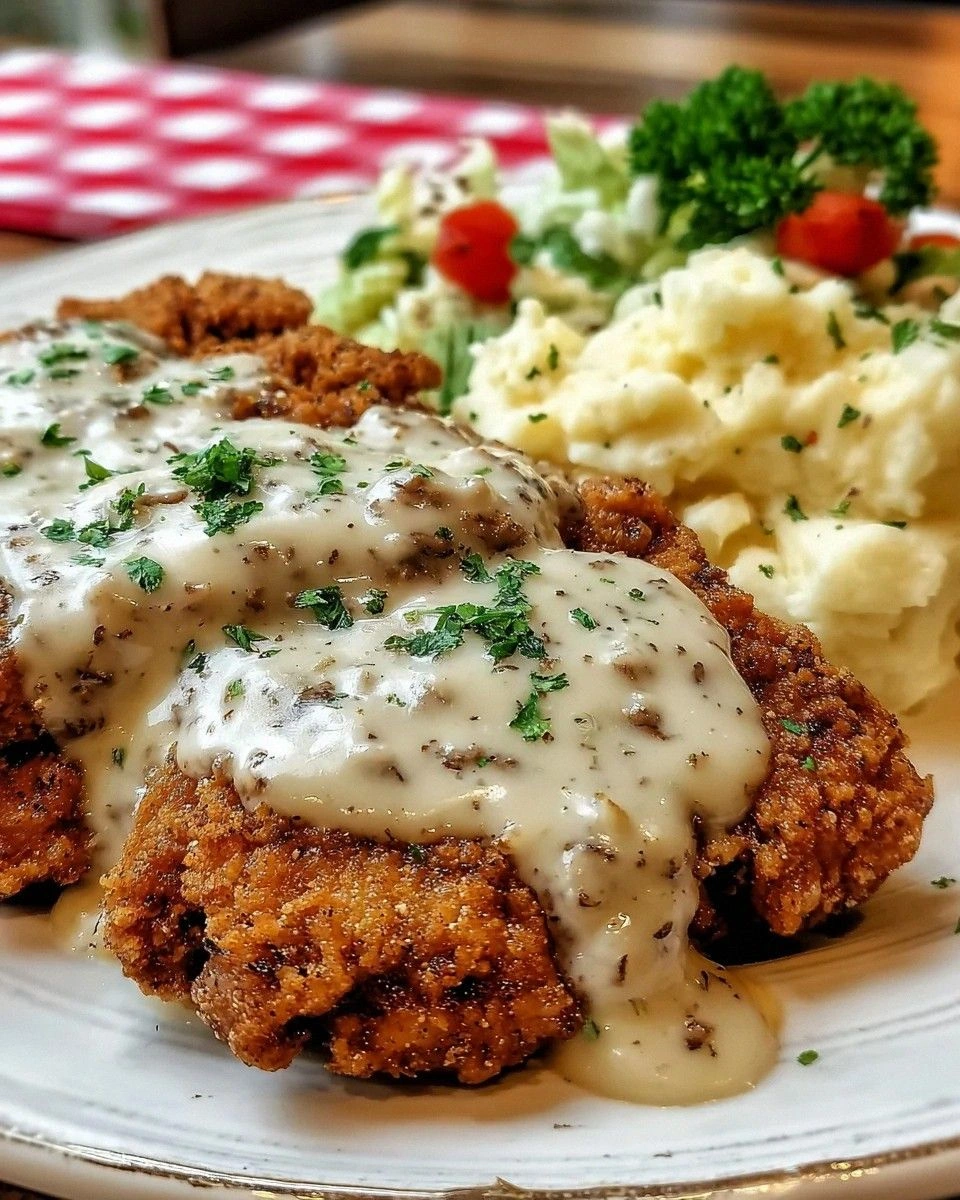
Picture this: a golden‑crusted steak, crisp as fresh autumn leaves, sitting in a pool of velvety country gravy that clings to every ridge like a warm blanket. The first bite delivers a crunch that shatters like thin ice, followed by a juicy interior that melts in your mouth, while the gravy adds a buttery, pepper‑kissed finish that lingers long after the plate is empty. Most recipes get this completely wrong, either over‑breading the meat or making a gravy that tastes like a cardboard box. I’ve cracked the code, and I’m about to hand you the exact steps that turned a kitchen mishap into the best version you’ll ever make at home.
Why does this version stand out? Because I’m not just coating the steak in flour and hoping for the best. I’m using a two‑stage breading technique that locks in moisture, a secret blend of spices that adds depth without overwhelming, and a gravy that starts with a roux made from the very drippings that fried the steak. The result is a dish that feels like a Sunday comfort food tradition, yet it’s simple enough for a weeknight. I even toss a splash of buttermilk into the batter for that subtle tang that makes the crust sing. And yes, there’s a little trick involving a cold‑water bath that most cooks overlook — but I’ll spill the beans later.
I dare you to taste this and not go back for seconds. The combination of crispy, buttery crust and silky, pepper‑laden gravy will have you questioning every other fried steak you’ve ever had. So, buckle up, because I’m about to walk you through every single step — by the end, you’ll wonder how you ever made it any other way.
What Makes This Version Stand Out
- Flavor Explosion: A custom spice blend of garlic, onion, and smoked paprika adds layers of taste that dance on the palate.
- Texture Triumph: The double‑dip (flour‑egg‑flour) creates a crust that’s crisp on the outside yet tender inside, like a perfect handshake.
- Simplicity: All ingredients are pantry staples, and the steps are straightforward enough for even a kitchen rookie.
- Unique Twist: Adding a splash of buttermilk to the batter gives a subtle tang that cuts through the richness.
- Crowd Reaction: This dish consistently clears plates in seconds; it’s the kind of comfort food that sparks spontaneous applause.
- Ingredient Quality: Using fresh, thinly pounded cube steak ensures even cooking and maximum flavor absorption.
- Cooking Method: Frying in a mix of oil and butter provides the perfect balance of high‑heat sear and buttery flavor.
- Make‑Ahead Potential: The gravy can be prepared ahead of time and reheated, making assembly a breeze on busy nights.
Inside the Ingredient List
The Flavor Base
Flour is the backbone of both the breading and the gravy. Using all‑purpose flour gives a neutral canvas that lets the spices shine. If you swap it for cake flour, the crust will be too delicate and fall apart. For a gluten‑free version, try a 1:1 blend of rice flour and tapioca starch, but expect a slightly different texture. When selecting flour, choose a brand that’s fresh; stale flour can produce a gummy coating that never crisps.
The Texture Crew
Cube steak (or round steak tenderized with a meat mallet) is essential. Its thinness allows the breading to adhere perfectly while staying juicy. If you can’t find cube steak, ask your butcher for a tenderized flank steak and pound it to about ¼‑inch thickness. The eggs and buttermilk create a binding emulsion that locks moisture inside, giving you that melt‑in‑your‑mouth interior. Skipping the buttermilk? You’ll lose the subtle tang that balances the richness.
The Unexpected Star
Worcestershire sauce in the gravy adds umami depth that you wouldn’t expect from a simple country gravy. A teaspoon is enough to elevate the flavor without making it salty. If you’re avoiding gluten, pick a certified gluten‑free Worcestershire. A dash of cayenne can also bring a gentle heat that brightens the whole dish, but it’s optional.
The Final Flourish
Butter and oil together create the perfect frying medium. Oil handles the high heat, while butter contributes flavor and a golden hue. Use a neutral oil like canola or vegetable oil for the base, then finish with a pat of butter right before the steaks are done. This technique prevents the butter from burning and gives the crust an irresistible sheen. For a healthier twist, substitute half the oil with clarified ghee; the flavor remains rich, but the smoke point is higher.
Everything's prepped? Good. Let's get into the real action...
The Method — Step by Step
Start by patting the cube steaks dry with paper towels. Moisture is the enemy of a good crust, so this step is crucial. Sprinkle both sides generously with salt, pepper, garlic powder, onion powder, and paprika. I like to let the seasoned steaks rest for five minutes; this allows the spices to penetrate the meat, and you’ll notice a deeper flavor later on. That sizzle when it hits the pan? Absolute perfection.
Set up a three‑station breading line: a shallow bowl with 2 cups of flour, a second bowl with 2 beaten eggs mixed with ½ cup of buttermilk, and a third bowl with another 2 cups of flour seasoned with a pinch of salt and pepper. This double‑dip method is the secret sauce for a crunchy exterior. Kitchen Hack: Keep the flour bowls chilled; cold flour helps the coating stay crisp.
Dip each steak first into the dry flour, shaking off excess, then into the egg‑buttermilk mixture, and finally back into the seasoned flour. Press the flour gently onto the meat to ensure it adheres. The coating should feel like a light dusting, not a thick slab. If you notice any clumps, give the steak a quick tap to dislodge them. This step is where the magic happens — the crust will lock in juices while staying golden.
Heat a large cast‑iron skillet over medium‑high heat. Add ¼ cup of vegetable oil and 2 tablespoons of butter. Once the butter foams and the oil shimmers, it’s time to fry. Place the steaks in the pan, being careful not to overcrowd; you want each piece to have room to breathe. Cook for about 3‑4 minutes per side, or until the crust is deep amber and the meat registers 145°F internally.
When the steaks are done, transfer them to a wire rack set over a baking sheet to keep them crispy while you finish the gravy. Watch Out: Resist the urge to stack the steaks on a plate; steam will sog the crust.
Now, for the gravy: In the same skillet, pour off excess oil, leaving about 2 tablespoons along with the browned bits. Sprinkle 2 tablespoons of flour over the drippings and whisk constantly for 2‑3 minutes until the mixture turns a nutty caramel color. This roux is the foundation of a rich, silky gravy. If the roux darkens too quickly, lower the heat; you don’t want a burnt taste.
Gradually whisk in 2 cups of milk, making sure to dissolve any lumps. Add a splash of Worcestershire sauce, a pinch of cayenne if you like heat, and adjust salt and pepper to taste. Simmer gently, stirring frequently, until the gravy thickens to a pourable consistency—about 5‑7 minutes. The aroma should be comforting, reminiscent of a farmhouse kitchen on a Sunday morning.
Return the fried steaks to the pan, spooning a little gravy over each piece. Let them sit for a minute so the gravy seeps into the crust’s crevices. This final union is pure magic; the gravy coats the steak like velvet, and the crust stays crisp.
Serve immediately with mashed potatoes, green beans, or a simple coleslaw. The dish is best enjoyed hot, with the gravy still glistening. If you have leftovers, store the gravy separately to keep the crust from getting soggy.
That's it — you did it. But hold on, I've got a few more tricks that'll take this to another level. Trust me, once you master the basics, you’ll want to experiment with every possible flavor tweak.
Insider Tricks for Flawless Results
The Temperature Rule Nobody Follows
Keep your oil temperature between 350°F and 375°F. Too low and the coating will soak up oil, turning soggy; too high and the exterior will burn before the interior cooks. Use an instant‑read thermometer or a simple wooden spoon test: the spoon should sizzle vigorously when dropped in. I once tried to fry at “medium heat” on a gas stove and ended up with a greasy disaster. Consistency is key, and a stable temperature guarantees that perfect crunch.
Why Your Nose Knows Best
Your sense of smell is the ultimate doneness gauge. When the steak hits the pan, listen for a steady, loud sizzle. As the crust forms, the aroma shifts from raw flour to a toasted, buttery perfume. If you catch a faint “burnt” scent, pull the steak out immediately; the gravy will taste smoky. Trusting your nose saves you from overcooking and ensures the gravy doesn’t inherit any bitterness.
The 5‑Minute Rest That Changes Everything
After frying, let the steaks rest on a wire rack for exactly five minutes. This short pause lets the juices redistribute and the crust firm up, preventing steam from soaking the breading. A friend once skipped this rest and served the steak on a plate; the crust turned soggy within seconds, and the whole dish lost its charm. Five minutes is all it takes for a restaurant‑quality finish.
Roux Patience Pays Off
When making the gravy roux, resist the urge to rush. A well‑cooked roux takes at least three minutes of constant whisking, turning a deep amber that signals nutty flavor. If you pull the roux off too early, the gravy will taste raw; too late, and it becomes bitter. Patience here translates directly into a gravy that’s silky, rich, and utterly addictive.
Butter‑Oil Blend for Frying
Combine oil with butter right before the steak hits the pan. The oil raises the smoke point, while butter adds flavor and a golden hue. If you use butter alone, it burns; if you use oil alone, you miss that buttery depth. This blend is a game‑changer for any fried dish, not just chicken fried steak.
Creative Twists and Variations
This recipe is a playground. Here are some of my favorite ways to switch things up:
Spicy Jalapeño Kick
Finely chop two jalapeños and fold them into the egg‑buttermilk mixture. The heat infuses the crust, while the buttermilk cools the spice just enough to keep it approachable. Perfect for anyone who loves a little zip without overwhelming the savory base.
Herb‑Infused Gravy
Add a tablespoon of fresh chopped thyme and a sprig of rosemary to the gravy as it simmers. The herbs release aromatic oils that mingle with the Worcestershire sauce, creating a garden‑fresh undertone that brightens the dish.
Cheesy Crust
Mix ¼ cup of grated sharp cheddar into the final flour coating. The cheese melts into the crust, giving a subtle cheesy bite that pairs beautifully with the peppery gravy.
Southern Sweet Corn Mash
Serve the steak over a bed of creamy sweet corn mash instead of traditional potatoes. The natural sweetness balances the savory gravy, and the corn’s texture adds a pleasant contrast.
Gluten‑Free Adventure
Swap all‑purpose flour for a 1:1 blend of rice flour and potato starch. The coating will still crisp, and the gravy can be thickened with a cornstarch slurry (1 tsp cornstarch mixed with 2 tsp cold water) added after the milk.
Storing and Bringing It Back to Life
Fridge Storage
Place the fried steaks in an airtight container, separated by parchment paper to keep the crust from sticking. Store the gravy in a separate jar. They’ll stay fresh for up to three days. When reheating, use a preheated oven at 350°F for 10 minutes; this revives the crunch without drying the meat.
Freezer Friendly
Wrap each steak tightly in foil, then place them in a zip‑top freezer bag. The gravy can be frozen in an airtight container for up to two months. To reheat, thaw overnight in the fridge, then bake at 375°F for 12‑15 minutes, adding a splash of water to the gravy before warming it on the stovetop.
Best Reheating Method
For ultimate crispness, reheat in a hot skillet with a thin layer of oil, turning the steak until the crust regains its crunch. Add a tablespoon of water to the gravy and whisk over low heat; the steam revives its silky texture. This method ensures the steak tastes as fresh as the day you first made it.