Love this? Pin it for later! 📌
Budget-Friendly Cabbage and Sausage Skillet for Cold January Evenings
When the January wind howls and the thermometer refuses to budge above freezing, my kitchen becomes my sanctuary. There's something deeply comforting about the sizzle of a cast-iron skillet, the aroma of savory sausage mingling with caramelized cabbage, and the promise of a meal that costs less than a fancy coffee but tastes like a million bucks. This budget-friendly cabbage and sausage skillet has been my go-to winter dinner for over a decade, born from those post-holiday weeks when the budget is tight but the need for comfort food is at its peak.
I first discovered this recipe during my graduate school days in Chicago, when my roommate and I would split a $5 cabbage that lasted us two weeks and stretch a single package of sausage into multiple meals. We'd huddle around our tiny apartment stove, watching the snow pile up outside, feeling like culinary geniuses because we'd created something so satisfying from such humble ingredients. Even now, with a much more comfortable budget, I return to this recipe every January—not just because it's economical, but because it represents everything good cooking should be: resourceful, nourishing, and made with love.
Why This Recipe Works
- One-Pan Wonder: Everything cooks in a single skillet, meaning minimal cleanup and maximum flavor development as the ingredients mingle together.
- Budget Hero: Feeds 4-6 people for under $8 total, making it perfect for families, students, or anyone watching their grocery budget.
- Quick Comfort: Ready in just 35 minutes from start to finish, ideal for busy weeknights when you need dinner on the table fast.
- Nutrient Dense: Cabbage is packed with vitamins C and K, while sausage provides protein and iron, creating a balanced, satisfying meal.
- Leftover Magic: Tastes even better the next day, making it perfect for meal prep or transforming into new dishes.
- Customizable: Easily adapt the recipe based on what you have on hand or your dietary preferences.
Ingredients You'll Need
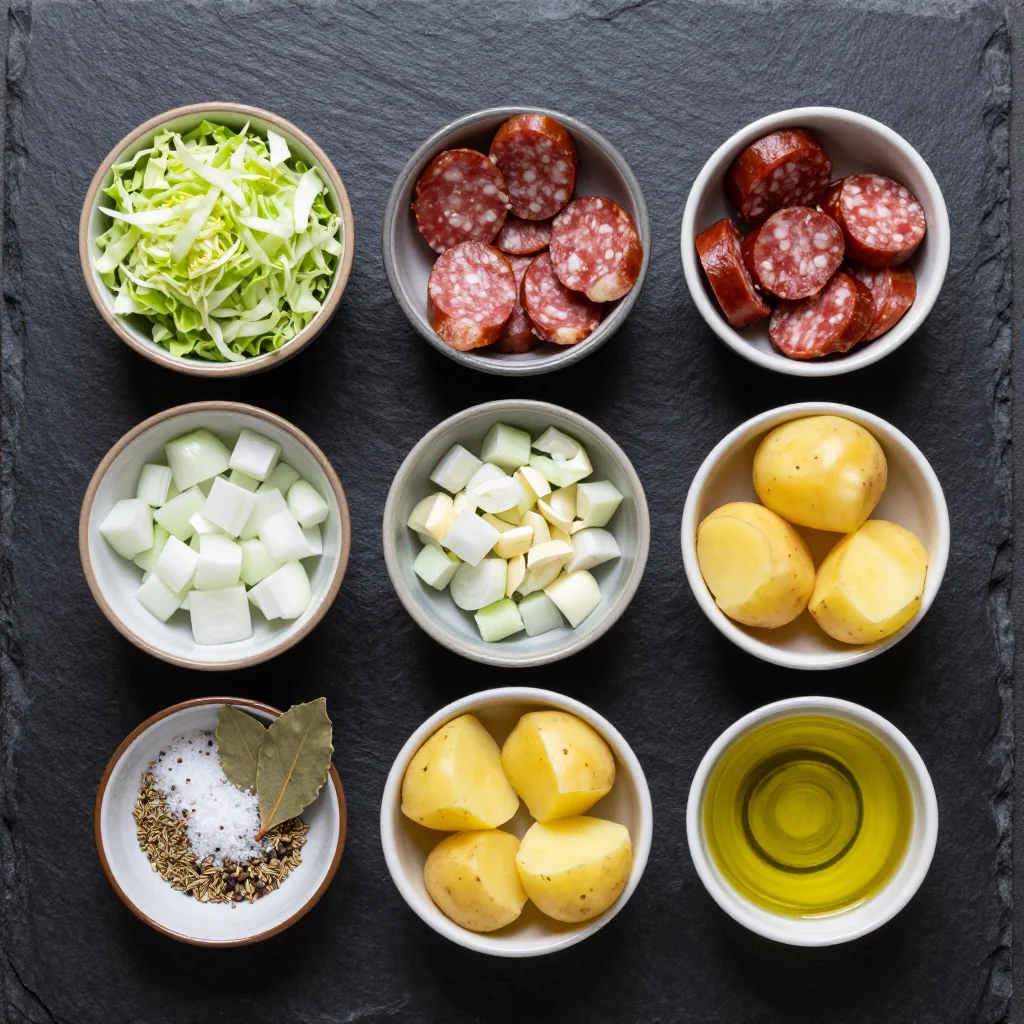
This humble ingredient list proves that you don't need expensive or exotic items to create something delicious. Each component plays a crucial role in building layers of flavor that will make this simple skillet taste far more complex than it actually is.
The Proteins
Smoked Sausage (12-14 oz): I prefer kielbasa or Polish sausage for its robust flavor, but any smoked sausage works wonderfully. The key is choosing a sausage with good seasoning that will infuse the entire dish with its smoky essence. If you're watching your budget even more closely, chicken sausage or even hot dogs can work in a pinch, though the flavor profile will change. For my vegetarian friends, plant-based sausages have come a long way and create a satisfying meatless version.
The Vegetables
Green Cabbage (1 medium head, about 2 lbs): This is where the bulk of your nutrients and fiber come from, and it's incredibly economical. Look for a head that feels heavy for its size with crisp, bright green outer leaves. Avoid any with brown spots or wilted edges. When properly caramelized, cabbage develops a sweet, almost nutty flavor that transforms this dish from simple to spectacular.
Yellow Onion (1 large): The onion provides a sweet, aromatic base that complements both the cabbage and sausage. If you only have white or red onion, either will work, though yellow onions bring the best balance of sweetness and depth when cooked down.
The Flavor Enhancers
Garlic (3-4 cloves): Fresh garlic adds pungency and depth. Don't substitute garlic powder here—the fresh stuff makes a real difference in the final flavor. Mince it finely so it distributes evenly throughout the dish.
Dijon Mustard (2 tablespoons): This is my secret weapon for adding complexity without cost. The tangy, sharp flavor of Dijon cuts through the richness of the sausage and adds a sophisticated note that elevates the entire dish.
Apple Cider Vinegar (1 tablespoon): A splash of acid brightens all the flavors and helps balance the richness of the sausage. In a pinch, white wine vinegar or even lemon juice works, but apple cider vinegar adds a subtle fruity note that complements the cabbage beautifully.
The Seasonings
Smoked Paprika (1 teaspoon): This enhances the smoky flavor from the sausage and gives the dish a beautiful color and depth. Regular paprika works if that's what you have, but smoked paprika adds an extra dimension that's worth the small investment.
Caraway Seeds (½ teaspoon, optional): These tiny seeds pack a punch of flavor reminiscent of rye bread and pair beautifully with cabbage. If you're not a fan or don't have them, the dish will still be delicious without them.
How to Make Budget-Friendly Cabbage and Sausage Skillet for Cold January Evenings
Prep Your Ingredients
Start by slicing your sausage into ¼-inch rounds. Remove the outer leaves from your cabbage and cut it into quarters through the core. Remove the core and slice each quarter crosswise into thin shreds, about ⅛-inch thick. Slice your onion in half from root to tip, then slice each half into thin half-moons. Mince your garlic and set everything aside in separate bowls. This mise en place approach ensures everything cooks evenly and nothing burns while you're chopping.
Brown the Sausage
Heat 1 tablespoon of oil in your largest skillet over medium-high heat. Once the oil shimmers, add the sausage rounds in a single layer. Let them cook undisturbed for 2-3 minutes until they develop a beautiful brown crust, then flip and brown the other side. This caramelization is where much of the flavor comes from, so don't rush this step. The browned bits (fond) left in the pan will flavor the entire dish. Transfer the sausage to a plate but leave all those flavorful browned bits behind.
Build the Flavor Base
Reduce the heat to medium and add the sliced onions to the same skillet. Cook, stirring occasionally, until they turn translucent and start to brown around the edges, about 5 minutes. Add the minced garlic and cook for another 30 seconds until fragrant. The garlic should smell nutty but not browned, which would make it bitter.
Add the Cabbage
Now comes the magic moment—add all your shredded cabbage to the skillet. It will seem like way too much, but cabbage cooks down significantly. Sprinkle with ½ teaspoon of salt to help draw out moisture and begin the wilting process. Cook, stirring occasionally, for about 8-10 minutes. You'll see the cabbage transform from stiff and pale to wilted and golden in spots. Don't rush this step; the caramelization adds incredible depth of flavor.
Season and Deglaze
Once your cabbage has reduced and started to brown, it's time to add the remaining seasonings. Stir in the smoked paprika, caraway seeds (if using), and black pepper. Cook for 1 minute to toast the spices and release their oils. Add the Dijon mustard and apple cider vinegar, stirring well to combine. The vinegar will help deglaze the pan, lifting all those beautiful browned bits into the sauce.
Bring It All Together
Return the browned sausage to the skillet along with any juices that collected on the plate. Stir everything together and cook for another 3-4 minutes until the sausage is heated through and the flavors have melded. Taste and adjust seasoning with salt and pepper as needed. The cabbage should be tender but still have a slight bite, and everything should be coated in a glossy, flavorful sauce.
Final Touches
Remove from heat and let the skillet rest for 2-3 minutes. This allows the flavors to settle and the temperature to come down slightly to the perfect eating temperature. If desired, garnish with a sprinkle of fresh parsley or a dollop of sour cream for extra richness. Serve directly from the skillet for a rustic, homey presentation, or transfer to a serving platter if you're feeling fancy.
Expert Tips
Temperature Control is Key
Don't be tempted to cook everything on high heat. Medium heat allows the cabbage to caramelize slowly without burning, developing those sweet, nutty flavors that make this dish special. If things start browning too quickly, reduce the heat and add a splash of water or broth.
Don't Skip the Deglazing
Those browned bits at the bottom of your pan are pure gold. The combination of Dijon mustard and vinegar not only adds flavor but also lifts all that concentrated goodness into your sauce. If your pan is particularly crusty, add an extra tablespoon of liquid and scrape vigorously with a wooden spoon.
Knife Skills Matter
Try to slice your cabbage and onions uniformly so they cook evenly. If you're not confident with your knife skills, a mandoline slicer works wonderfully for the cabbage, or you can buy pre-shredded cabbage to save time (though it costs a bit more).
Make It Ahead
This dish actually improves in flavor if made a day ahead. The cabbage continues to absorb the flavors of the sausage and seasonings. Simply reheat gently with a splash of broth or water to loosen it up, being careful not to overcook the cabbage.
Season in Layers
Don't just season at the end. Salting the cabbage early helps draw out moisture and concentrates flavors. Taste and adjust seasoning at the end, but remember that the sausage adds saltiness too, so go easy at first.
Use the Right Pan
A heavy-bottomed skillet (cast iron if you have it) distributes heat evenly and prevents hot spots that can burn your food. If using stainless steel, you might need a bit more oil to prevent sticking, and don't forget to scrape up all those beautiful browned bits!
Variations to Try
Spicy Cajun Version
Swap the smoked sausage for andouille, add ½ teaspoon of cayenne pepper, and include a diced bell pepper along with the onions. Finish with a dash of hot sauce and serve over rice for a Louisiana-inspired meal.
German-Inspired
Use bratwurst instead of smoked sausage, add 1 teaspoon of caraway seeds and ½ cup of German beer during the deglazing step. Serve with German mustard and crusty rye bread for an authentic touch.
Vegetarian Comfort
Replace sausage with meatless Italian sausage or crumbled tempeh that's been seasoned with smoked paprika and fennel. Add a can of white beans for protein and use vegetable broth instead of water if needed.
Asian Fusion
Use Chinese sausage or lap cheong, add 1 tablespoon of soy sauce and 1 teaspoon of sesame oil. Include sliced shiitake mushrooms and finish with sliced scallions and a drizzle of sriracha mayo.
Loaded Potato Style
Add diced potatoes that have been partially cooked in the microwave for 3 minutes. Cook them until golden before adding the cabbage. Top with shredded cheese, sour cream, and chives for a loaded baked potato vibe.
Mediterranean Twist
Use Italian sausage, add sun-dried tomatoes and Kalamata olives along with the cabbage. Season with oregano and serve with a sprinkle of feta cheese and fresh parsley.
Storage Tips
Refrigerator Storage
Allow the skillet to cool completely before transferring to airtight containers. It will keep well in the refrigerator for up to 4 days, though the cabbage will continue to soften over time. Store in shallow containers to ensure quick, even cooling. The flavors actually meld and improve after the first day, making this an excellent make-ahead meal for busy weeks.
Freezer Instructions
This dish freezes beautifully for up to 3 months. Portion into freezer-safe containers or zip-top bags, removing as much air as possible. Label with the date and contents. Thaw overnight in the refrigerator for best results, though you can microwave from frozen in a pinch. The texture of the cabbage will be softer after freezing and thawing, but the flavors remain excellent.
Reheating Methods
For best results, reheat gently in a skillet with a splash of broth or water over medium-low heat, stirring occasionally. If using the microwave, cover loosely and heat in 30-second intervals, stirring between each, until heated through. Add a bit of liquid if it seems dry. Avoid overheating, which can make the cabbage mushy and the sausage tough.
Creative Leftovers
Transform leftovers into new meals: stuff into baked potatoes, roll into egg roll wrappers and air fry for crispy rolls, mix with beaten eggs for a hearty frittata, or spoon over pasta with a sprinkle of Parmesan. The versatility of this dish extends far beyond its original form.
Frequently Asked Questions
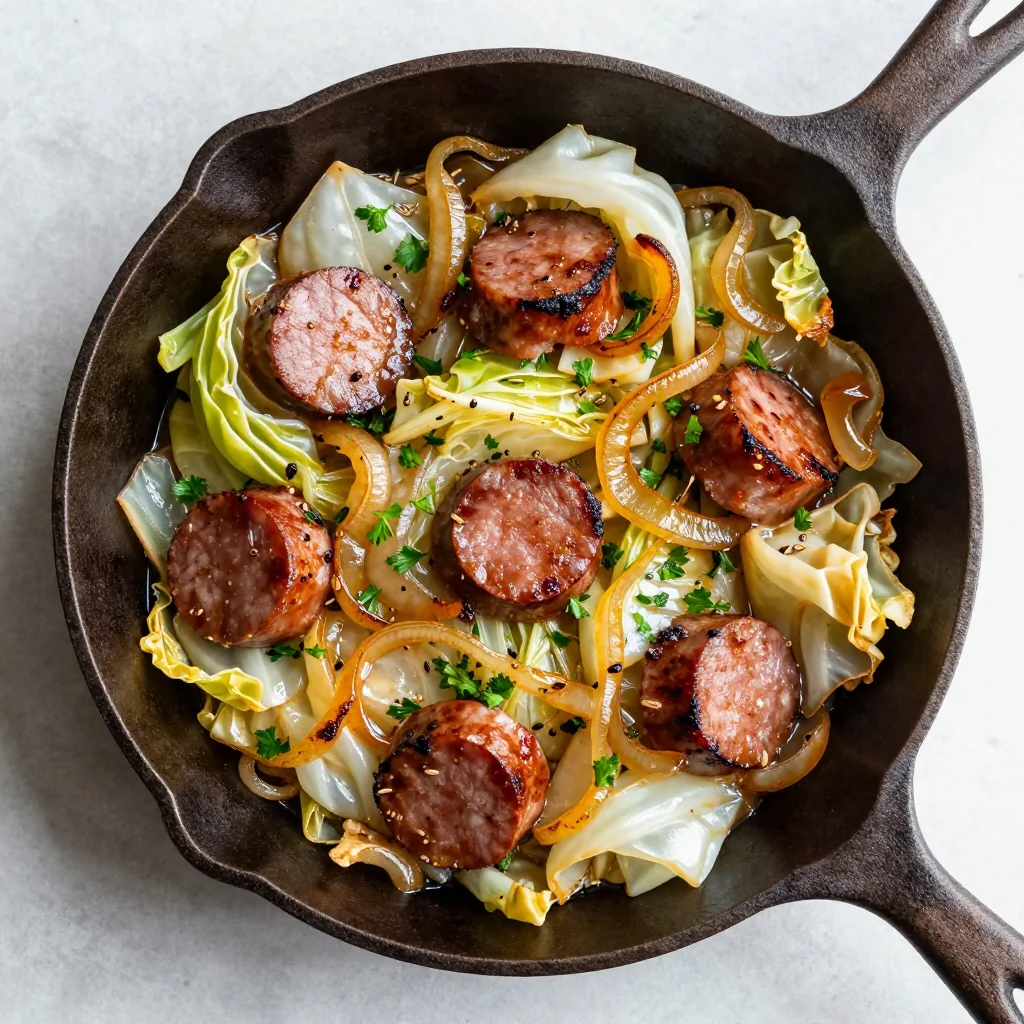
Budget-Friendly Cabbage and Sausage Skillet for Cold January Evenings
Ingredients
Instructions
- Prep: Slice sausage, shred cabbage, slice onion, and mince garlic.
- Brown sausage: Heat oil in large skillet over medium-high heat. Brown sausage slices 2-3 minutes per side. Remove to plate.
- Cook aromatics: Reduce heat to medium. Add onions; cook 5 minutes until translucent. Add garlic; cook 30 seconds.
- Add cabbage: Add cabbage and ½ teaspoon salt. Cook 8-10 minutes, stirring occasionally, until wilted and golden.
- Season: Stir in paprika, caraway seeds, Dijon, and vinegar. Cook 1 minute.
- Combine: Return sausage to skillet. Cook 3-4 minutes until heated through. Season to taste.
- Serve: Garnish with parsley if desired. Serve hot from the skillet.
Recipe Notes
For best results, don't overcrowd the pan when browning sausage. If doubling the recipe, cook in batches. This dish tastes even better the next day and keeps refrigerated for up to 4 days.