Love this? Pin it for later! 📌
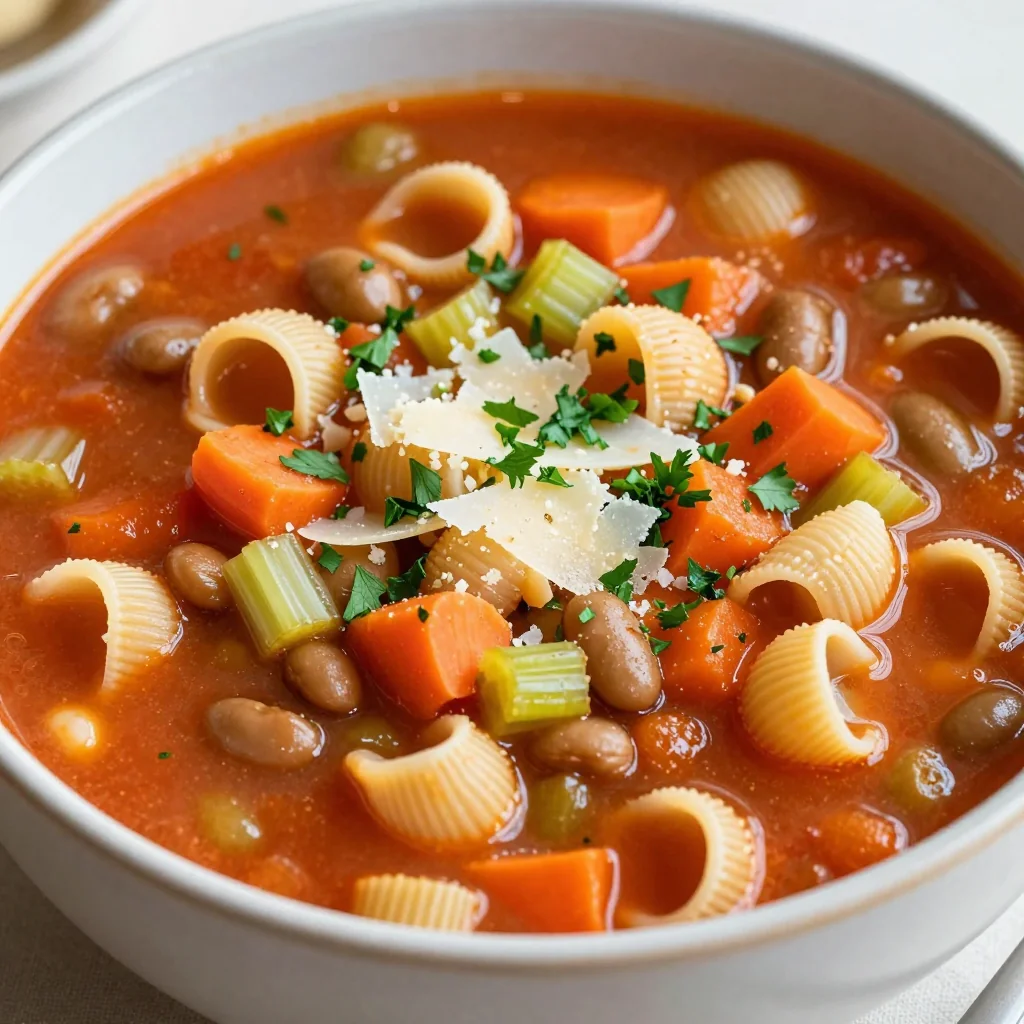
There’s a moment—usually around 6:15 p.m.—when I open the fridge and realize I’ve got half a wilting zucchini, the dregs of a bag of frozen green beans, a single carrot that’s starting to look like a accordion, and a rind of parmesan that’s been hanging on for dear life. In the pantry there’s a lonely can of cannellini beans, the tail-end of a box of small pasta, and a quart of broth I forgot to label. Ten years ago I would have ordered pizza. Today I make minestrone. This version is my week-night love letter to leftovers: it’s forgiving, adaptable, and tastes like you planned it for days. It’s the soup that rescues random produce, stretches a tight budget, and still manages to feel like dinner at a tiny trattoria where the owner calls you bella and slips you an extra slice of bread.
Why This Recipe Works
- Zero-waste hero: Cleans out the produce drawer and pantry in one swoop.
- One-pot wonder: Minimal dishes, maximum flavor.
- Budget stretcher: Feeds six for roughly the price of a single take-out entrée.
- Meal-prep friendly: Tastes even better the next day; freezes beautifully.
- Kid-approved sneak: Finely chopped veggies disappear into the tomato-ey broth.
- Plant-powered protein: Beans deliver fiber and staying power without meat.
- Season agnostic: Swap produce in and out all year long.
Ingredients You'll Need
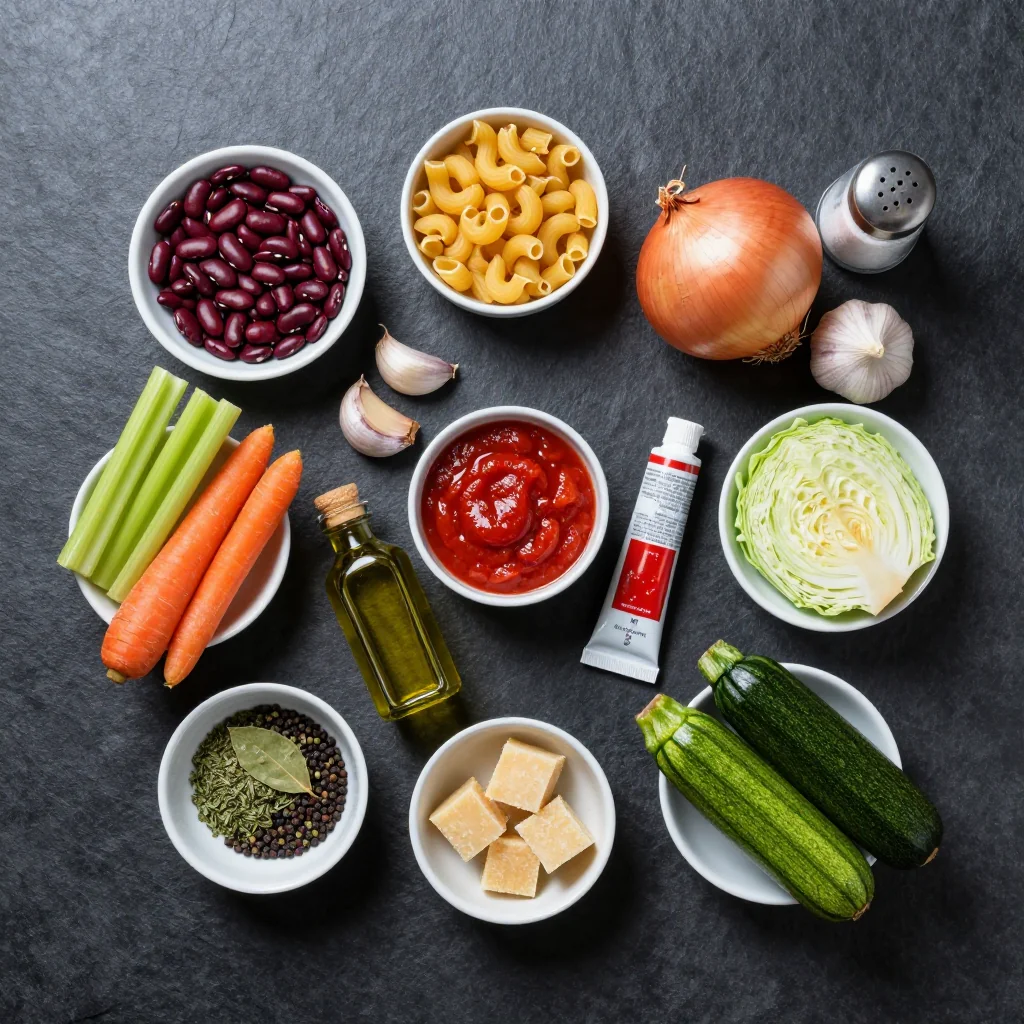
Think of the list below as a gentle nudge, not a strict rule book. If you’ve got butternut squash instead of zucchini, great. A handful of kale instead of spinach? Toss it in. The only non-negotiables are good broth, some form of tomato, and a generous glug of olive oil to carry the flavors.
Olive oil – Use the everyday kind for sautéing and save the fancy finishing oil for the final drizzle. A quarter-cup may feel excessive, but it forms the flavor base and helps your body absorb all those fat-soluble vitamins from the veggies.
Aromatics – Onion, carrot, and celery are the classic Italian soffritto. If you’re out of celery, a pinch of fennel seeds mimics that herby backbone. No fresh onion? A generous shake of dried minced onion works in a pinch.
Garlic – Smash, peel, and let it rest for five minutes before chopping; allicin (the compound that makes garlic good for you) needs oxygen to develop.
Tomato paste – Buy it in the tube if you can; it lasts forever in the fridge and prevents those half-used cans from languishing. In a hurry, a scoop of jarred marinara stands in fine.
Broth – Homemade vegetable scraps broth is the gold standard, but low-sodium store-bought is totally fair game. If all you have is water, bump up the tomato paste and add an extra bay leaf.
Beans – Canned is week-night friendly; rinse to remove 40 % of the sodium. If you cook dried beans from scratch, their creamy cooking liquid can replace part of the broth for extra body.
Pasta – Small shapes (ditalini, orzo, elbows) cook quickly. Gluten-free? Use rice or lentils-based pasta and simmer separately to avoid mushy leftovers.
Vegetables – Aim for a rainbow. Zucchini, bell peppers, green beans, corn, peas, spinach, cabbage, potatoes, sweet potatoes—whatever needs using. Harder veg goes in early, delicate greens at the end.
Parmesan rind – The secret umami bomb. Save them in a zip-bag in the freezer; they turn broth silky and savory. Vegans can sub a strip of kombu or a teaspoon of white miso stirred in off-heat.
Seasonings – Bay leaf, dried oregano, and a pinch of crushed red pepper create that classic Italian soul. Fresh basil or parsley at the end brightens everything.
How to Make Budget-Friendly Minestrone Soup With Whatever's Left
Warm the pot
Place a heavy 5- to 6-quart Dutch oven or soup pot over medium heat. Add ¼ cup olive oil and swirl to coat the bottom. Let the oil heat until it shimmers—this ensures the aromatics sauté rather than steam.
Build the soffritto
Add 1 medium diced yellow onion, 2 peeled and diced carrots, and 2 ribs of diced celery. Season with ½ teaspoon kosher salt. Cook 6–8 minutes, stirring occasionally, until the vegetables soften and the edges turn translucent. If the mixture starts to brown, reduce heat slightly; a little color is fine but we’re not building a fond here.
Bloom the garlic & tomato paste
Stir in 3 minced garlic cloves and cook 30 seconds—just until fragrant. Add 2 tablespoons tomato paste and ½ teaspoon dried oregano. Cook, stirring constantly, until the paste darkens to a brick red, about 2 minutes. This caramelization deepens the umami and removes any tinny edge from the can.
Deglaze & scrape
Pour in 1 cup of your broth. Use a wooden spoon to scrape the bottom of the pot, lifting any browned bits. This step prevents scorching later and distributes concentrated flavor throughout the soup.
Add the bulk
Tip in 1 drained 15-oz can of cannellini beans (or any white bean), 1 diced medium zucchini, ½ cup frozen green beans, 1 diced bell pepper, and 1 cup diced potatoes or sweet potatoes. These vegetables need the longest cooking time and will flavor the broth as they simmer.
Pour in the liquid
Add 4 cups vegetable broth, 1 bay leaf, 1 parmesan rind (if using), and ¼ teaspoon crushed red pepper flakes. The solids should be just barely covered; add water if needed. Bring to a lively simmer, then reduce heat to low, cover partially, and cook 15 minutes.
Toss in the pasta
Stir in ½ cup small dried pasta. Simmer 8–10 minutes, stirring every few minutes so the pasta doesn’t weld itself to the bottom. If the soup thickens too much, splash in another cup of broth or water. Taste and season with salt and pepper.
Finish with greens
Fold in 2 cups baby spinach or chopped kale and cook just until wilted, 30–60 seconds. Remove from heat, fish out the bay leaf and parmesan rind. Stir in ¼ cup chopped fresh basil or parsley and a final drizzle of olive oil for gloss.
Serve & garnish
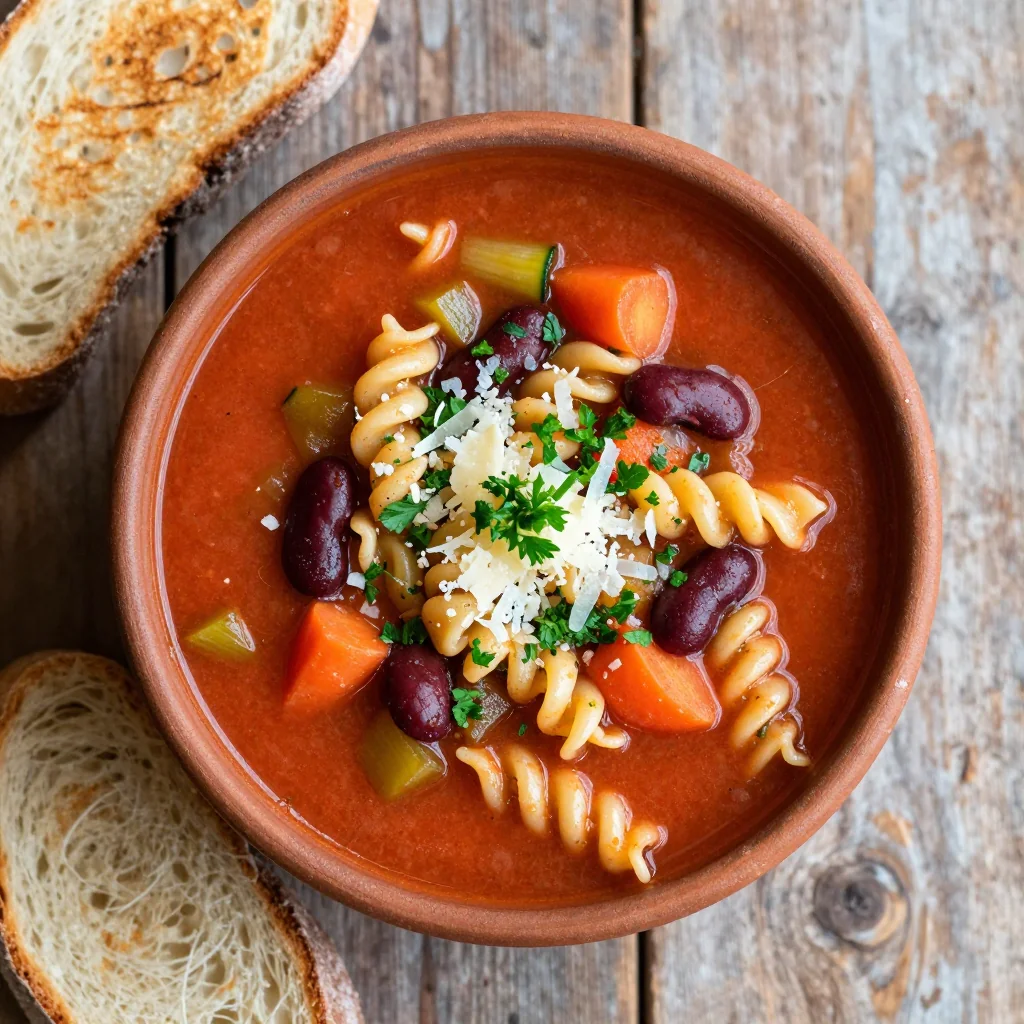
Ladle into warm bowls. Top with grated parmesan, a crack of black pepper, and crusty bread for dunking. Leftovers refrigerate up to 5 days or freeze up to 3 months.
Expert Tips
Salt in layers
Season the soffritto, again after the broth, and a final time at the end. This builds depth rather than a superficial salty top note.
Pasta on the side
Cooking pasta separately keeps leftovers from bloating. Store cooked pasta in a jar with a slick of olive oil and add to each bowl when reheating.
Speedy soak for beans
If you forgot to soak dried beans overnight, cover them with water, boil 2 minutes, then let stand 1 hour off-heat before cooking.
Veggie size matters
Cut dense vegetables (potatoes, carrots) into ¼-inch dice so they cook at the same rate as the pasta.
Silky finish
For restaurant body, purée one ladle of the finished soup and stir it back in. Instant creaminess without dairy.
Double-batch broth
Make a double batch of vegetable broth once a month; freeze in quart containers and you’ll always be 15 minutes away from minestrone.
Variations to Try
- Spring clean: Swap potatoes for asparagus tips and peas; finish with lemon zest and fresh mint.
- Summer garden: Use fresh tomatoes instead of paste, add corn kernels and basil pesto dollops.
- Autumn comfort: Butternut squash, kale, and a dash of smoked paprika; top with toasted pumpkin seeds.
- Winter warmer: Add ½ cup red lentils for extra protein, stir in roasted cubes of root vegetables.
- Protein boost: Brown 4 oz Italian sausage or turkey, drain fat, then proceed with soffritto.
- Grain swap: Replace pasta with farro, barley, or quinoa; adjust liquid and cook time accordingly.
Storage Tips
Refrigerate: Cool soup completely, transfer to airtight containers, and refrigerate up to 5 days. Store pasta separately if you dislike soggy noodles.
Freeze: Ladle soup (minus pasta) into freezer-safe quart bags, label, and freeze flat up to 3 months. Thaw overnight in the fridge or use the microwave defrost setting.
Reheat: Warm gently on the stove with an extra splash of broth or water. Add fresh greens and herbs to brighten. If frozen, bring to a boil then reduce to a simmer for 5 minutes.
Make-ahead: Chop vegetables the night before and store in zip-bags. Keep hardy veg (carrots, potatoes) separate from quick-cooking greens. Mix the spice kit in a tiny jar so you can dump and go.
Frequently Asked Questions
Budget-Friendly Minestrone Soup With Whatever's Left
Ingredients
Instructions
- Heat oil: Warm olive oil in a large pot over medium heat.
- Sauté aromatics: Cook onion, carrot, and celery with a pinch of salt 6–8 minutes until softened.
- Add garlic & tomato paste: Stir in garlic, tomato paste, and oregano; cook 2 minutes.
- Deglaze: Pour in 1 cup broth, scraping the bottom.
- Simmer vegetables: Add beans, zucchini, frozen veg, bay leaf, parmesan rind, and remaining broth. Simmer 15 minutes.
- Cook pasta: Add pasta and cook 8–10 minutes more until al dente.
- Finish greens: Stir in spinach, cook 1 minute, then add fresh basil. Season to taste and serve hot.
Recipe Notes
Pasta absorbs liquid as it sits. Add extra broth when reheating and adjust salt after dilution.