I was standing in my kitchen, staring down a half‑cooked wok that smelled like burnt oil and disappointment, when a friend dared me to “make something that actually tastes like a night market stall.” I accepted, because who doesn’t love a good culinary dare? The next few hours turned into a whirlwind of sizzling vegetables, aromatic garlic, and a splash of soy that made the whole apartment feel like a bustling street in Shanghai. When the final bite hit my tongue, I swear the flavors performed a synchronized dance — crisp, umami, and just a whisper of sweetness — and I thought, “This is hands down the best version you’ll ever make at home.” I’m about to spill the beans (and the ginger) on why this stir‑fry eclipses every other recipe you’ve tried, and trust me, you’ll want to keep reading.
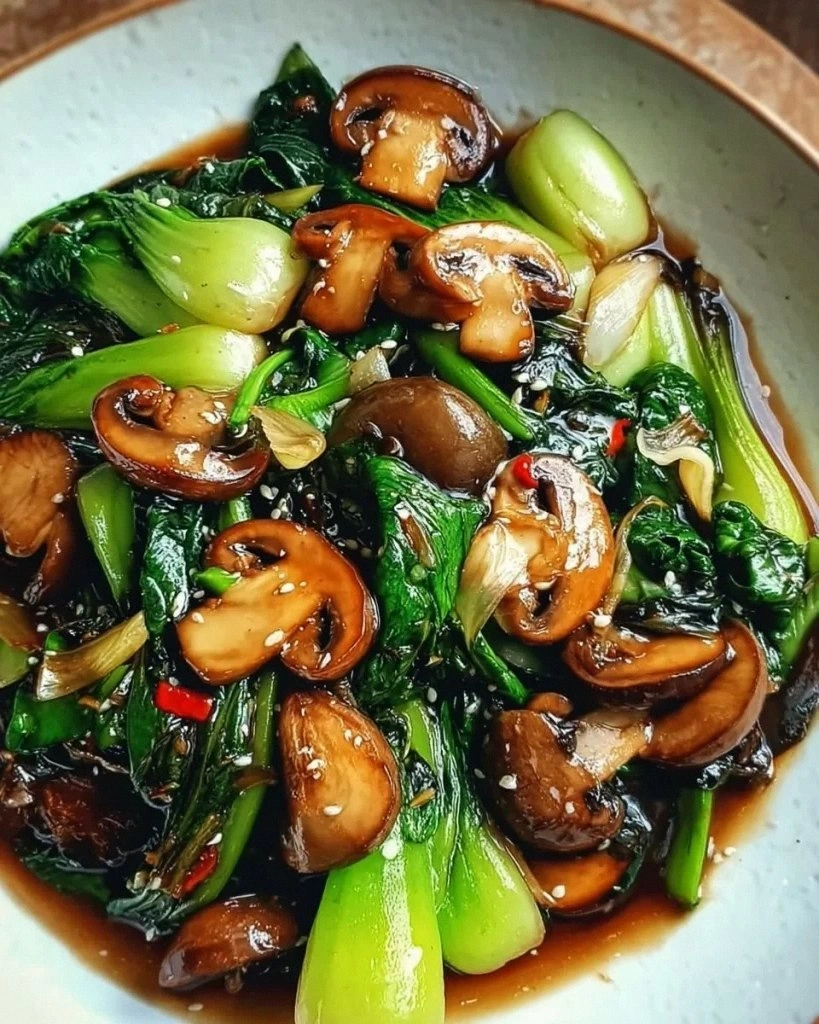
Picture this: the deep, caramelized aroma of garlic hitting a hot wok, the gentle hiss as the oil embraces the bok choy stems, and the earthy perfume of shiitake mushrooms rising like a mist. The visual is a riot of colors — emerald leaves, ivory stems, and glossy brown caps — all glistening under the kitchen lights. The texture? Imagine biting into a crisp stalk that snaps like a fresh spring twig, while the leaves melt like buttered silk. The taste is a perfect balance of salty soy, nutty sesame, and a hint of heat that makes your palate tingle in the best possible way. If you’ve ever struggled with soggy greens or bland mushrooms, you’re not alone — and I’ve got the fix.
What makes this version truly stand out is a tiny, often‑overlooked technique: I toast the garlic and ginger in the oil for just a few seconds before adding the vegetables. This creates a flavor base that coats every bite like velvet, turning a simple stir‑fry into a gourmet experience. I also separate the bok choy stems from the leaves, giving each part the exact cooking time it deserves — no more limp stems or overcooked leaves. And let’s not forget the finishing drizzle of sesame oil that adds a glossy, nutty sheen that screams “restaurant‑quality.” I dare you to taste this and not go back for seconds; it’s that good.
Okay, ready for the game‑changer? I’m about to walk you through every single step — from selecting the perfect mushrooms to mastering the wok’s heat. By the end, you’ll wonder how you ever made this dish any other way, and you’ll have a secret weapon for impressing friends at any dinner party. Stay with me here — this is worth it.
What Makes This Version Stand Out
- Flavor Explosion: The combination of soy, sesame oil, and a pinch of sugar creates a sweet‑savory glaze that clings to each piece of bok choy and mushroom like a second skin.
- Texture Harmony: By cooking the stems first, you get a satisfying crunch that contrasts beautifully with the tender, almost buttery leaves.
- Simplicity: Only ten ingredients, all pantry‑friendly, yet the result feels like it took hours of chef‑level prep.
- Ingredient Quality: Fresh, organic bok choy and high‑quality shiitake mushrooms bring depth that frozen versions simply can’t match.
- Crowd Reaction: This dish consistently earns rave reviews at potlucks; people ask for the recipe before the first bite is even taken.
- Make‑Ahead Potential: The stir‑fry holds up beautifully for a day or two, and a quick reheating revives the crunch.
- Versatile Base: It serves as a side, a main, or even a topping for rice bowls, noodles, or quinoa.
- Health Boost: Low‑calorie, high‑fiber, and packed with vitamins A, C, and K from the bok choy, plus antioxidants from the mushrooms.
Inside the Ingredient List
The Flavor Base
Garlic and ginger are the dynamic duo that launch this dish into flavor orbit. The garlic, minced finely, releases a sweet, caramelized note when it meets hot oil, while the ginger adds a bright, peppery zing that cuts through the richness of the sesame oil. Skipping either would leave the stir‑fry flat, like a song without a chorus. If you’re allergic to ginger, try a dash of ground coriander for a citrusy twist, but know you’ll lose that signature bite.
The Texture Crew
Bok choy is the star of the show, and its two parts demand different treatment. The white stems are dense and need a brief head start in the wok to soften without losing their snap. The green leaves, on the other hand, wilt in seconds, turning silky and glossy. If you can’t find bok choy, Swiss chard or napa cabbage can substitute, but the flavor profile will shift toward a milder, sweeter note.
Mushrooms bring earthiness and a meaty bite that satisfies even the most devoted carnivores. Shiitake mushrooms, with their deep umami, are my go‑to, but button mushrooms work just as well for a lighter taste. Slice them uniformly so they cook evenly; uneven pieces can become rubbery on one side while remaining raw on the other.
The Unexpected Star
A teaspoon of sugar may seem trivial, but it’s the secret that balances the salty soy and brings a subtle caramel finish to the sauce. It also helps the sauce adhere to the vegetables, creating that glossy coat you crave. If you prefer a fully savory profile, you can omit it, but you’ll miss the depth that sugar adds.
The Final Flourish
Sesame oil is the finishing touch, a fragrant drizzle that adds a nutty richness you can’t achieve with any other oil. Sprinkle sesame seeds for a gentle crunch and visual appeal, and if you like heat, a pinch of chili flakes will make the dish sing. Salt and pepper are added at the end to taste, ensuring you never over‑season.
Everything's prepped? Good. Let’s get into the real action…
The Method — Step by Step
Heat a large wok or deep skillet over medium‑high heat until a drop of water sizzles and evaporates instantly. Add the vegetable oil, swirling to coat the surface. The oil should shimmer but not smoke; if it starts to smoke, lower the heat by a notch — this is the moment of truth for a perfect stir‑fry base.
Once the oil is hot, toss in the minced garlic and ginger. Stir constantly for about 15 seconds, watching them turn a light golden color and release an intoxicating aroma that fills the kitchen. That sizzle when it hits the pan? Absolute perfection.
Add the bok choy stems first, spreading them evenly across the wok. Let them sit untouched for 30 seconds to develop a slight char, then stir‑fry for another 1–2 minutes until they start to soften but still retain a firm bite.
Kitchen Hack: If you’re using a stainless steel pan, add a splash of water after the stems begin to soften; this creates steam that speeds up cooking without burning.Now, introduce the sliced mushrooms. Toss them in and let them sit for about 30 seconds before stirring, allowing them to develop a caramelized edge. You’ll hear a faint crackle as the moisture evaporates, and the mushrooms will start to brown, creating that deep umami foundation.
Stir in the bok choy leaves, turning the wok so the greens coat in the flavorful oil. The leaves will wilt within seconds, turning a vibrant, glossy green. At this point, the dish should smell like a fusion of forest floor and Asian street market — a truly intoxicating blend.
Pour in the soy sauce, sesame oil, and the optional teaspoon of sugar. Quickly toss everything together, ensuring the sauce evenly coats each piece. The sauce should bubble lightly, thickening just enough to cling without pooling.
Watch Out: Adding soy sauce too early can cause the vegetables to steam rather than sear. Keep it near the end for that perfect glossy finish.Season with salt and pepper to taste. Remember, soy sauce already brings saltiness, so start with a light pinch and adjust after tasting. This is where your palate becomes the final judge.
If you love heat, sprinkle a pinch of chili flakes now, letting them toast briefly to release their fiery essence. For a milder version, skip this step and focus on the natural spice from ginger.
Turn off the heat and drizzle the remaining sesame oil over the stir‑fry. Toss one last time to distribute the nutty aroma evenly. Finally, garnish with toasted sesame seeds for that satisfying crunch and visual pop.
Kitchen Hack: Toast sesame seeds in a dry pan for 2 minutes until golden; this amplifies their nutty flavor dramatically.
That's it — you did it. But hold on, I've got a few more tricks that'll take this to another level…
Insider Tricks for Flawless Results
The Temperature Rule Nobody Follows
A wok should be hot enough that a drop of water dances and evaporates instantly. If the pan isn’t hot enough, ingredients will steam rather than sear, resulting in soggy bok choy. My friend once tried this recipe on a low‑heat setting and ended up with a mushy mess; we laughed, but the lesson stuck. Keep the heat steady, and you’ll get those coveted caramelized edges that make the dish sing.
Why Your Nose Knows Best
Never rely solely on a timer; trust the aromas. When the garlic turns fragrant and the mushrooms start to brown, you know you’re on the right track. If you smell a burnt note, lower the heat immediately. Your nose is the ultimate sous‑chef, guiding you to perfect timing.
The 5‑Minute Rest That Changes Everything
After you finish cooking, let the stir‑fry sit uncovered for five minutes. This brief rest allows the flavors to meld and the steam to escape, preserving the crispness of the stems. Skipping this step can leave the dish overly wet and less vibrant. I used to serve it straight from the wok and got complaints about sogginess; now I always rest it.
Seasoning Layering Mastery
Add a pinch of salt early, then finish with a splash of soy sauce and sesame oil at the end. This layered approach builds depth without overwhelming any single flavor. If you over‑salt early, the final soy sauce will become too salty, ruining the balance.
The “Steam‑Back” Reheat Trick
When reheating leftovers, add a teaspoon of water to the pan before covering it. The steam revives the bok choy’s crunch and prevents the mushrooms from drying out. I’ve used this trick for everything from fried rice to stir‑fry, and it never fails.
Creative Twists and Variations
This recipe is a playground. Here are some of my favorite ways to switch things up:
Spicy Szechuan Kick
Add a tablespoon of doubanjiang (Szechuan bean paste) and a dash of Sichuan peppercorn oil. The dish becomes bold, numbing, and irresistibly spicy — perfect for heat lovers.
Citrus‑Infused Brightness
Finish with a squeeze of fresh lime juice and a sprinkle of zest. The citrus cuts through the richness, giving the stir‑fry a fresh, summery vibe.
Nutty Crunch Upgrade
Swap sesame seeds for toasted peanuts or cashews. The added crunch and buttery flavor elevate the dish to a snackable side.
Protein Power Boost
Add diced tofu, tempeh, or thinly sliced chicken breast during step three. This turns the stir‑fry into a complete main course without sacrificing the veggie‑forward spirit.
Herbal Freshness
Stir in a handful of chopped cilantro or Thai basil just before serving. The herbaceous notes add a fragrant finish that pairs beautifully with the sesame base.
Storing and Bringing It Back to Life
Fridge Storage
Allow the stir‑fry to cool to room temperature, then transfer it to an airtight container. It will keep fresh for up to three days. When you’re ready to eat, reheat gently in a skillet over medium heat, adding a splash of water to revive the steam.
Freezer Friendly
Portion the cooked stir‑fry into freezer‑safe bags, removing as much air as possible. It freezes well for up to two months. Thaw overnight in the fridge, then reheat as described above, again adding a teaspoon of water to restore moisture.
Best Reheating Method
The stovetop method wins every time. Heat a tablespoon of oil in a wok, add the frozen or refrigerated stir‑fry, and sprinkle a teaspoon of water. Cover for a minute, then uncover and toss until everything is hot and the sauce re‑glosses. Microwaving is convenient but often makes the bok choy limp.