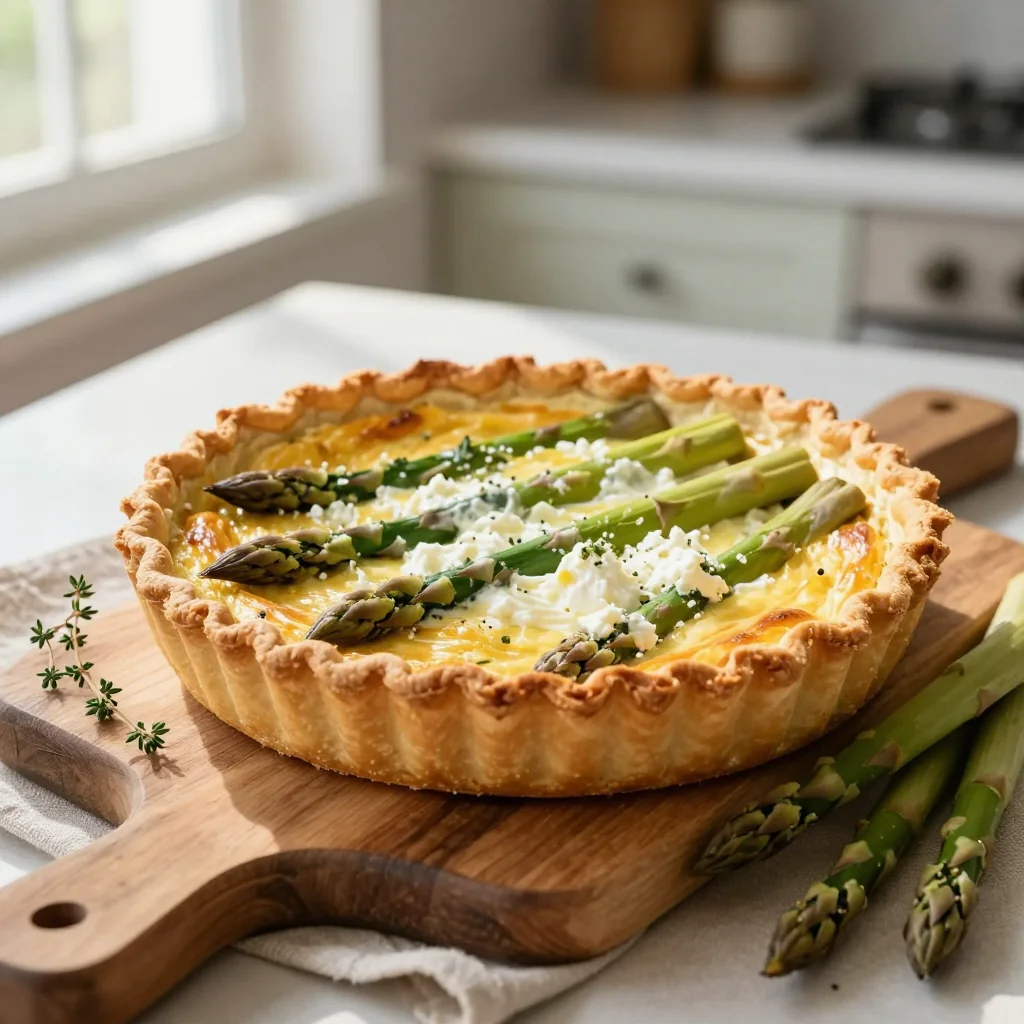
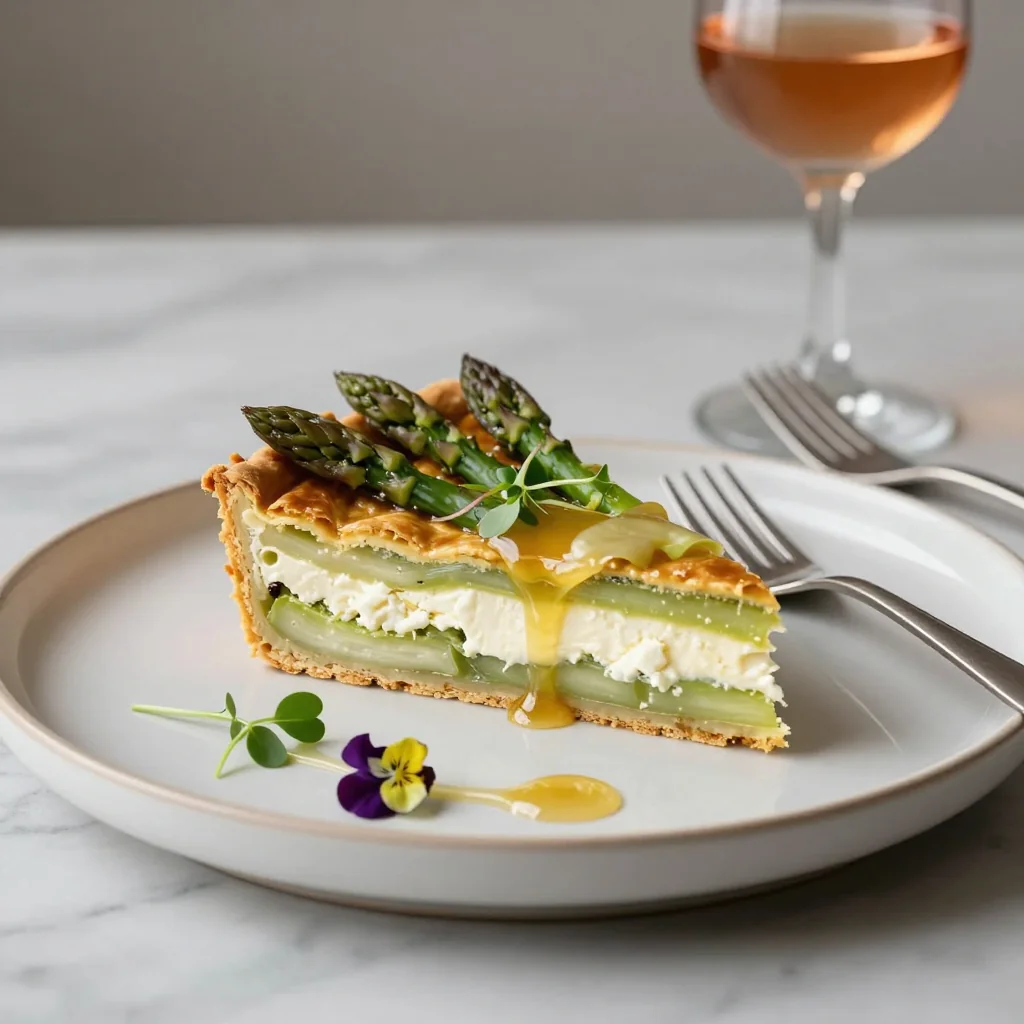
When I first tasted a slice of asparagus quiche at a small café in Provence, the buttery crust and the tangy goat cheese awakened a memory of spring mornings spent wandering the markets of Marseille. The scent of fresh asparagus, still crisp from the earth, paired with the earthy, slightly sweet flavor of goat cheese, made me feel as if I were sitting at a sun‑drenched table overlooking the sea.
This quiche belongs to the French tradition of savory pies, yet its simplicity allows it to shine at any table, from a casual weekend brunch to an elegant dinner party. The combination of seasonal asparagus and creamy chèvre creates a harmony of textures and flavors that feels both comforting and refined.
In this article, I will walk you through every step of the process, from making a perfectly flaky crust to achieving a custard that sets just right. You’ll learn why each ingredient matters, how to avoid common pitfalls, and how to customize the dish to suit dietary preferences.
Ready to bring a slice of French countryside into your kitchen? Let’s get started!
🌟 Why This Recipe Will Win Your Heart
This quiche balances elegance and ease, making it a go‑to recipe for any occasion.
- ✨ Perfectly Flaky Crust: The cold butter technique ensures layers that lift and separate, giving a buttery bite without being greasy.
- ✨ Fresh Asparagus Flavor: Quick blanching locks in the bright green color and crisp‑tender texture, preserving the vegetable’s natural sweetness.
- ✨ Creamy Goat Cheese: The tang of chèvre cuts through the richness, creating a balanced mouthfeel that’s both luxurious and light.
- ✨ Versatile Meal: Serve warm for brunch, at room temperature for a picnic, or chilled for a sophisticated appetizer.
- ✨ Nutrient‑Rich: Asparagus supplies folate, vitamin K, and antioxidants, while goat cheese provides calcium and protein.
- ✨ Easy to Scale: The built‑in portion adjuster lets you double or halve the recipe without guessing quantities.
🥗 Ingredients
📝 Complete Ingredient List
For the Crust:
- 250 g all‑purpose flour
- 150 g cold unsalted butter, cubed
- 1 tsp salt
- 4 tbsp ice‑cold water
For the Filling:
- 500 g fresh asparagus, trimmed and cut into 2‑inch pieces
- 200 g soft goat cheese (chèvre), crumbled
- 3 large eggs
- 200 ml heavy cream
- 100 ml whole milk
- 1 tsp freshly ground black pepper
- 0.5 tsp nutmeg, freshly grated
- 1 tbsp olive oil
For the Optional Topping:
- 30 g grated Parmesan cheese
- 1 tbsp fresh chives, finely chopped
🔍 Focus on Key Ingredients
Asparagus
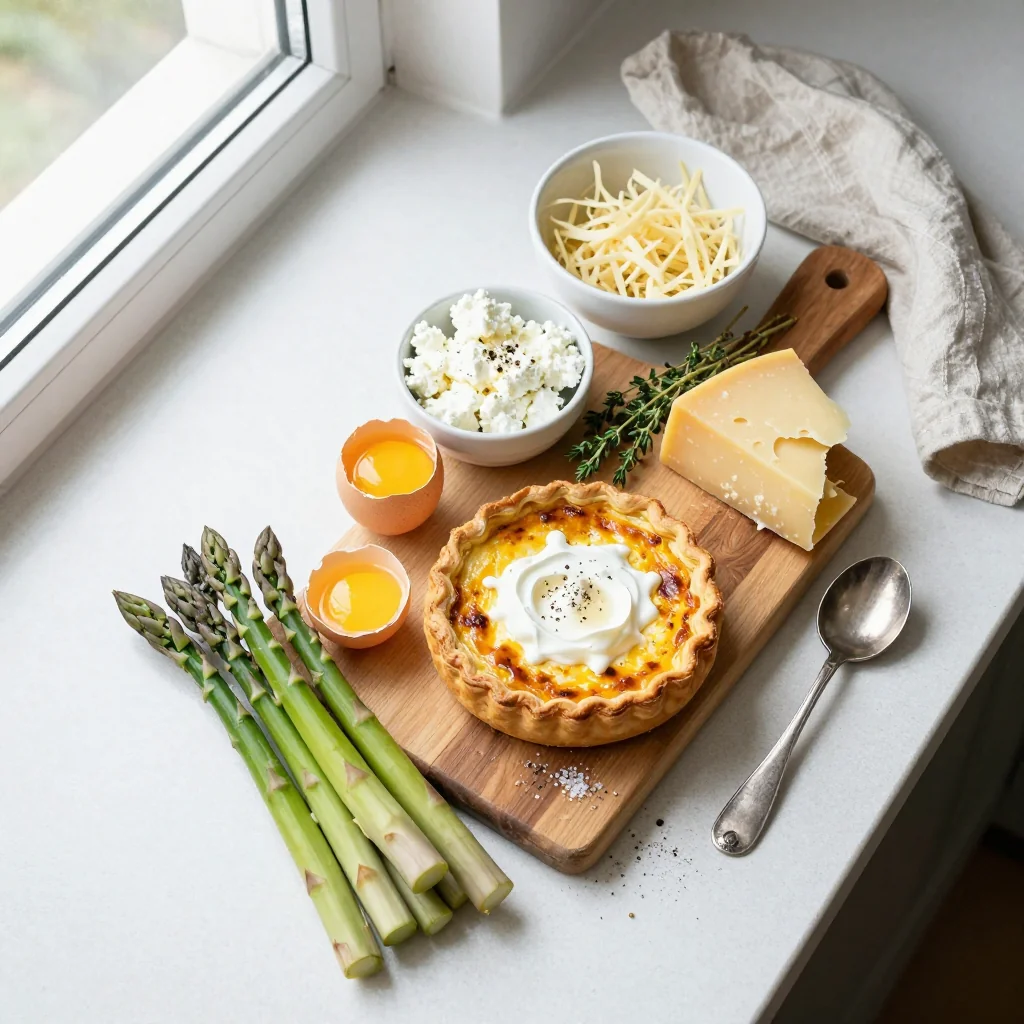
Asparagus is the star of this dish. Its natural sugars caramelize slightly during baking, providing a subtle sweetness that balances the tangy goat cheese. When selecting asparagus, look for firm, straight spears with tightly closed tips; these indicate freshness and minimal bitterness. For a consistent texture, trim the woody ends and cut the spears into bite‑size pieces before blanching.
Goat Cheese (Chèvre)
Goat cheese offers a creamy, slightly tart flavor that cuts through the richness of the custard. Opt for a fresh chèvre that crumbles easily; aged varieties can become too sharp. If you prefer a milder profile, you can blend half goat cheese with a soft cream cheese, but the traditional recipe shines with pure chèvre.
Heavy Cream & Milk
The custard’s silkiness comes from the balance between heavy cream and milk. The cream contributes richness, while the milk lightens the mixture, preventing a heavy, dense texture. For a lighter version, replace half of the cream with a plant‑based milk such as oat or almond, but maintain the ratio for proper setting.
🔄 Quick Substitutions
| If you don’t have... | Use instead... |
|---|---|
| All‑purpose flour | Whole‑wheat pastry flour (same amount) |
| Goat cheese | Cream cheese mixed with a teaspoon of lemon zest |
| Heavy cream | Coconut cream (for dairy‑free) or half‑and‑half |
👨🍳 Step‑by‑Step Instructions
Follow these detailed steps to create a quiche that’s both beautiful and delicious. Each phase builds on the previous one, ensuring a smooth workflow from crust to plating.
📋 Phase 1: Preparation & Mise en Place
Begin by preparing the crust and pre‑cooking the asparagus.
Make the Crust
In a food processor, pulse the flour and salt together. Add the cold butter cubes and pulse until the mixture resembles coarse crumbs with pea‑size pieces of butter still visible. Sprinkle the ice‑cold water over the mixture, one tablespoon at a time, pulsing after each addition until the dough just comes together when pressed. Gather the dough into a disc, wrap in plastic, and refrigerate for at least 30 minutes.
Blanch the Asparagus
Bring a large pot of salted water to a boil. Add the asparagus pieces and blanch for 2‑3 minutes until they turn bright green and are just tender. Immediately transfer them to an ice‑water bath to stop cooking and preserve color. Drain well and pat dry with a clean kitchen towel.
🔥 Phase 2: Baking & Assembly
Now we’ll roll out the crust, fill the quiche, and bake it to golden perfection.
Roll Out and Blind‑Bake the Crust
Preheat the oven to 190°C (375°F). On a lightly floured surface, roll the chilled dough into a 12‑inch circle. Transfer it to a 9‑inch tart pan, pressing gently into the edges. Trim excess dough. Prick the base with a fork, line with parchment paper, and fill with baking beans. Bake for 12 minutes, then remove the beans and parchment and bake for another 5 minutes until the crust is lightly golden.
Prepare the Custard
In a large bowl, whisk together the eggs, heavy cream, milk, black pepper, and freshly grated nutmeg until smooth. Stir in the crumbled goat cheese, allowing it to melt slightly into the mixture.
Combine Asparagus and Custard
Spread the blanched asparagus evenly over the partially baked crust. Pour the custard mixture over the asparagus, ensuring it fills the pan to within ½ inch of the rim. Sprinkle the optional Parmesan cheese on top for a crisp, golden finish.
Bake the Quiche
Place the quiche in the oven and bake for 30‑35 minutes, or until the custard is set and the top is lightly browned. A gentle shake should cause the center to wobble slightly, but the edges will be firm.
✨ Phase 3: Finishing & Plating
Final touches before serving.
Check for Doneness
Insert a thin knife or toothpick into the center; it should come out clean or with just a few moist crumbs. If the top browns too quickly, cover loosely with foil for the remaining baking time.
Cool & Garnish
Allow the quiche to rest for 10 minutes on a wire rack. This resting period lets the custard settle, making it easier to slice. Sprinkle fresh chives over the top for a burst of color and a mild onion note.
Serve
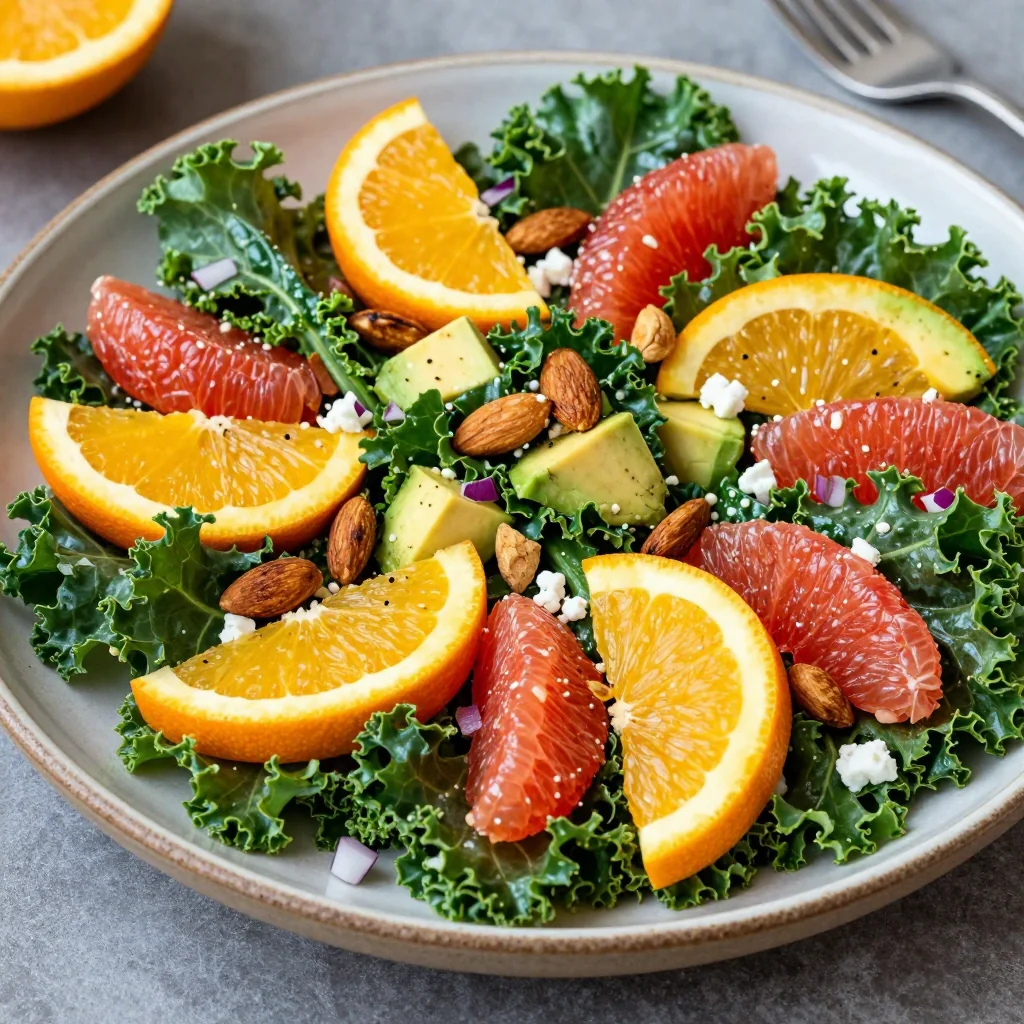
Cut the quiche into six generous wedges. Serve warm with a simple mixed‑green salad dressed with lemon vinaigrette, or let it come to room temperature for a picnic‑friendly option.
💡 Expert Tips & Tricks
🛒 Choosing the Right Ingredients
When shopping for asparagus, select spears that are uniformly thick; thin spears can become mushy during baking. Look for goat cheese that’s sold in a log or brick form rather than pre‑flavored varieties to keep the flavor pure. For the crust, use real butter—not margarine—as the water content in butter creates steam that lifts the layers.
🔪 Preparation Techniques
Keep all your tools and bowls chilled when making the crust; this prevents the butter from softening prematurely. When whisking the custard, do it gently to avoid incorporating too much air, which can cause cracks on the surface after baking. Use a kitchen towel to blot excess moisture from the blanched asparagus to avoid a watery filling.
🌡️ Mastering the Bake
Every oven behaves slightly differently. If the top browns too fast, tent the quiche with foil after 20 minutes. Conversely, if the crust isn’t golden, increase the oven temperature to 200°C (390°F) for the last 5 minutes. The custard should be set but still slightly jiggle in the center; it will continue to firm up as it cools.
🍽️ Presentation & Service
For a restaurant‑style presentation, run a thin knife around the edge before lifting the quiche out of the pan. Serve each slice on a warm plate, garnish with a drizzle of extra‑virgin olive oil and a sprinkle of flaky sea salt. Pair with a crisp white wine to accentuate the goat cheese’s tang.
🏆 Pro Tips
Professional chefs rely on precision, technique, and a deep understanding of ingredients to turn a good quiche into a masterpiece.
- 🎯 Cold‑Butter Lamination: Fold the dough three times, chilling for 10 minutes between folds. This creates distinct layers that puff up during baking, giving a pastry‑chef‑level flakiness.
- 🎯 Egg‑Milk Ratio: Maintaining a 1:1 ratio of eggs to dairy (by volume) ensures a custard that sets without becoming rubbery. Adding a splash of white wine to the custard adds subtle acidity that brightens the flavor.
- 🎯 Salt Balance: Season the custard lightly; the goat cheese already contains salt. Taste the mixture before baking and adjust with a pinch of sea salt if needed.
- 🎯 Even Baking: Use a light-colored metal pan rather than dark non‑stick; it promotes even heat distribution and prevents over‑browning.
- 🎯 Resting Time: Allow the quiche to rest for at least 10 minutes after baking. This not only stabilizes the custard but also makes slicing cleaner.
- 🎯 Flavor Layering: Add a thin layer of caramelized onions or sautéed mushrooms beneath the asparagus for an umami boost without overwhelming the delicate flavors.
"A perfect quiche is a balance of texture, flavor, and timing—master these and you master comfort food." — Chef Alain Dupont
🔄 Variations & Adaptations
The base recipe is a canvas for creativity. Here are several ways to tailor it to different tastes, diets, and cuisines.
🥬 Vegetarian / Vegan Version
Replace goat cheese with a vegan feta made from almond milk, and substitute the heavy cream with coconut cream. Use a plant‑based butter for the crust. The result is a dairy‑free quiche that still offers a creamy texture and tangy notes.
- Vegan goat‑style cheese (120 g) – crumble into the custard.
- Coconut cream (200 ml) – swap for heavy cream.
🌶️ Flavor Variations
Play with herbs, spices, and complementary vegetables to give the quiche a new personality.
Spicy Version
Add a pinch of cayenne pepper to the custard and sprinkle thinly sliced red chilies over the top before baking. The heat pairs beautifully with the cool goat cheese.
Mediterranean Version
Swap the Parmesan topping for crumbled feta, and stir in sun‑dried tomatoes and Kalamata olives with the asparagus. Finish with a drizzle of herb‑infused olive oil.
Asian‑Inspired Version
Incorporate a teaspoon of toasted sesame oil into the custard, and garnish with toasted sesame seeds and thinly sliced scallions after baking. The umami depth adds a surprising twist.
⚠️ Dietary Adaptations
Gluten‑Free
Use a 1:1 gluten‑free flour blend for the crust, ensuring it contains xanthan gum for elasticity. The texture remains buttery and flaky.
Lactose‑Free
Replace goat cheese with lactose‑free feta and use lactose‑free milk and cream alternatives such as oat or rice cream.
Low‑Calorie
Cut the butter in the crust by half and replace half of the heavy cream with low‑fat Greek yogurt. This reduces calories while preserving a creamy mouthfeel.
👶 Family / Kids Version
Kids often love milder flavors. Omit the nutmeg and use milder cheese like mild cheddar or mozzarella. Add a handful of sweet corn kernels for a pop of color and sweetness that appeals to younger palates.
📦 Storage & Reheating
🧊 Conservation
Refrigerator:
- Duration: 3 days
- Container: Airtight glass container
- Tip: Cover the top with a sheet of parchment to prevent moisture loss.
Freezer:
- Duration: 2 months
- Method: Cool completely, wrap tightly in foil, then place in a freezer‑safe bag.
- Thawing: Transfer to refrigerator overnight before reheating.
💡 For best texture, reheat from frozen using the oven method rather than microwaving.
♨️ Reheating
🔥 Oven (Recommended):
- Preheat to 175°C (350°F).
- Cover the quiche loosely with aluminum foil.
- Heat for 15‑20 minutes.
- Remove foil and continue for 5 minutes to crisp the crust.
⚡ Microwave (Quick):
- Place a slice on a microwave‑safe plate.
- Cover with a microwave‑safe lid.
- Heat on medium power for 1‑1.5 minutes.
- Check and heat in 30‑second bursts if needed.
🍳 Stovetop:
Heat a non‑stick skillet over medium‑low heat, add a splash of water, cover, and warm for 4‑5 minutes, allowing steam to gently re‑heat the custard without drying.
🍷 Perfect Pairings
🥗 Side Dishes
- Mixed Green Salad with Lemon Vinaigrette: The acidity cuts through the richness of the custard.
- Roasted Baby Potatoes with Herbs: Provides a hearty, earthy contrast.
- Simple Tomato Confit: Sweetness and acidity complement the goat cheese.
🍷 Wine & Beverage Pairings
- Sauvignon Blanc (France, Loire Valley): Its crisp acidity mirrors the bright asparagus.
- Dry Rosé (Provence): Light fruit notes enhance the goat cheese’s tang.
- Non‑Alcoholic: Sparkling water with a splash of elderflower cordial offers freshness.
🍰 Completing the Meal
Start with a light starter such as a chilled cucumber‑mint soup. Follow the quiche with a classic French tart tatin or a simple fruit galette to finish on a sweet yet light note.
❓ Frequently Asked Questions
Q: Can I use frozen asparagus instead of fresh?
A: Yes, but be sure to thaw and thoroughly drain the spears first. Pat them dry with a kitchen towel to avoid excess moisture, which can make the custard soggy. You may need to increase the blanching time by a minute to ensure they’re heated through.
Q: How do I prevent the crust from becoming soggy?
A: Blind‑baking the crust creates a barrier that resists liquid penetration. Additionally, make sure the asparagus is well‑drained and the custard isn’t overly thin; the ratio of eggs to dairy should stay close to 1:1 by volume.
Q: What if I don’t have a tart pan?
A: A standard 9‑inch pie dish works fine. Just press the dough into the edges and trim any overhang. If you use a glass dish, lower the oven temperature by 10°C (15°F) to prevent over‑browning.
Q: Can I add other vegetables?
A: Absolutely! Sautéed mushrooms, leeks, or spinach are wonderful additions. Ensure any added vegetables are cooked and drained to keep the custard from becoming watery.
Q: How do I store leftovers without losing flavor?
A: Keep the quiche in an airtight container in the fridge. Reheat gently in the oven to preserve the crust’s crunch. Avoid microwaving for extended periods, as it can make the crust rubbery.
Q: Is it possible to make this recipe ahead of time?
A: Yes. Prepare the crust and fill the quiche, then refrigerate it uncooked for up to 24 hours. When ready, bake as directed, adding a few extra minutes if the quiche is cold.
🎉 Let’s Get Cooking!
This Asparagus Quiche with Goat Cheese combines the elegance of French cuisine with the comfort of a home‑cooked meal. The flaky crust, bright asparagus, and creamy chèvre create a symphony of flavors that will impress family and friends alike. Whether you serve it warm for brunch or at room temperature for a picnic, the quiche remains delicious and satisfying.
Remember, the portion adjuster lets you scale the recipe up or down with confidence, and the tips throughout ensure a flawless result every time. I can’t wait to hear how your quiche turns out—share your photos, variations, and any questions in the comments below.
Have you tried this recipe?
Leave a comment and rating below! Share your photos on Instagram with #AsparagusQuicheDelight to be featured.
Asparagus Quiche with Goat Cheese
A buttery crust cradles tender asparagus and tangy goat cheese for a timeless French classic.
📝 Ingredients
Crust
Filling
Optional Topping
👨🍳 Instructions
- 1 Prepare the crust as described in Phase 1, then blind‑bake.
- 2 Blanch and dry the asparagus.
- 3 Whisk eggs, cream, milk, pepper, and nutmeg; fold in goat cheese.
- 4 Layer asparagus in the crust, pour custard, sprinkle Parmesan.
- 5 Bake for 30‑35 minutes until set.
- 6 Rest 10 minutes, garnish with chives.
- 7 Slice and serve with your chosen side.
- 8 Store leftovers according to the storage guide.
- 9 Reheat using the recommended method for best texture.
- 10 Enjoy and share your creation!
🥗 Nutrition (per serving)
*Values are approximate and based on standard ingredient brands.



💬 Comments & Reviews
Leave a Comment
No comments yet. Be the first to share your thoughts!